
17 October 2025
Butternut squash
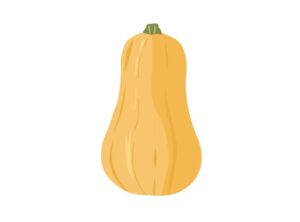 You wouldn’t think it: the pumpkin is related to the cucumber and melon. The bottle pumpkin falls under the muscat pumpkins. The butternut squash originated in Mexico and is grown worldwide in the (sub)tropics. The pumpkin has a kind of pear shape with a smooth cream-colored skin, with orange-colored flesh. Inside, the fruit is full of large flat seeds. You can eventually dry the seeds, which are then the familiar pumpkin seeds. The bottle pumpkin has a nutty flavor. It is labeled as a true superfood. We explain why.
What nutrients are in it?
Pumpkins are low in energy and do contain a lot of fiber. Pumpkins also contain a lot of beta-carotene. In your body, beta-carotene is converted into vitamin A. Vitamin A is known to be good for the eyes and skin. Pumpkin also contains a nice amount of the mineral potassium. Moreover, it is also packed with vitamin C, which in turn is good for absorbing iron from your diet.What does this mean for my health?
The nutrients from bottle squash are involved in even more processes in your body. We’ve listed them for you.- Vitamin A from bottle squash has a positive effect on your immune system and helps maintain the normal structure and function of the mucous membranes in your body.
- Vitamin C supports your immune system and has a function in your body as an antioxidant, helping to protect your cells and tissues from harmful external influences.
- Potassium is good for your blood pressure and supports normal muscle and nerve function.