












7 tips to sleep better
Do you ever lie tossing and turning in your bed? Or wake up tired in the morning? Then you’re not the only one. Many people experience problems sleeping. But did you know that there are several things you can do to improve your sleep? In this blog we give you practical tips that you can apply to sleep better and wake up rested in the morning.
Why is sleep important?
You probably recognize it. After a night of poor sleep, you feel less energetic, are more irritable and concentrate a lot harder. Good sleep is crucial for your body to function optimally. Sleep not only helps you get through the day full of energy, but is also important for such things as your immune system, memory function, regulation of emotions and recovery of your tissues and muscles. An adult person needs about 7-9 hours of sleep per night(1). But not only is the amount of sleep important, so is the quality. The tips below can help you boost your sleep.
Tip 1: Provide a pleasant sleeping environment
A good night’s sleep starts with a nice sleeping environment. By making your bedroom as comfortable as possible, you ensure that external factors cannot affect your sleep. This starts with a good bed, with a comfortable mattress and nice pillow that suits your body and sleeping position. Also make sure your room is cool and dark enough, for example by using blackout curtains or a sleeping mask. Noise pollution can also hinder your sleep. If you sleep in a noisy environment, consider using earplugs. In summary, then, you can pay attention to the following points:
- Comfortable bed
- Pleasant temperature (between 16 and 20 degrees Celsius)
- Dark Room
- Avoid noise
- Soothing decor
Tip 2: Create a sleep routine
Make sure you go to bed around the same time every night and get up around the same time in the morning, including weekends. This helps your body develop a regular sleep-wake rhythm. An irregular sleep pattern has been associated with reduced sleep quality in several studies(2,3).
Tip 3: Relax before sleeping
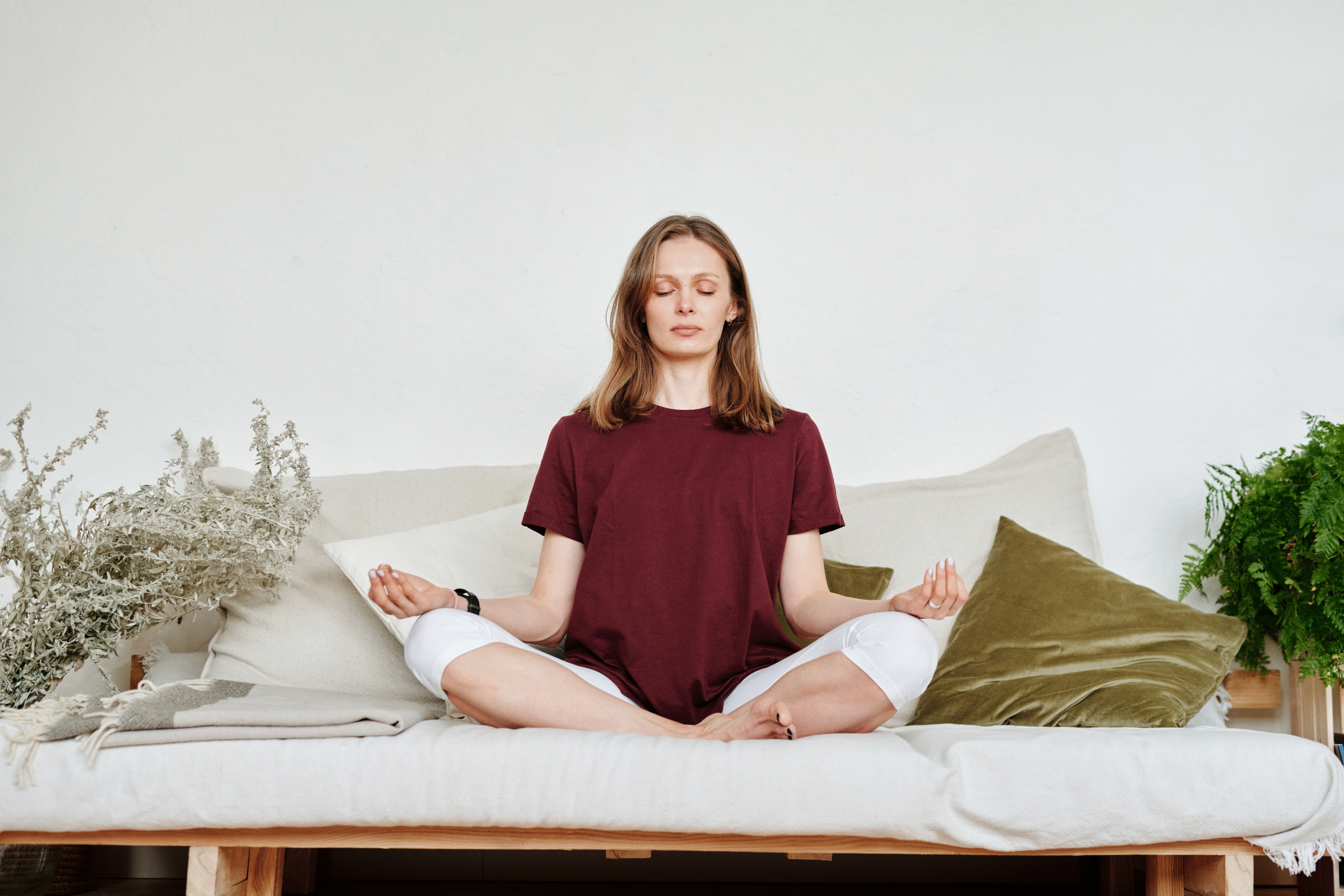
In the hour before you go to sleep, try to prepare for the night. For example, take a warm bath, read a book or do a meditation exercise(4,5,6). This way, your body and brain can settle down before you go to sleep. Especially during busy and stressful periods, this can potentially improve the quality of your sleep and ensure that you wake up more rested.
Tip 4: No screens before sleeping
When your eyes are exposed to a lot of light at night, it can negatively affect your sleep. This is because light can reset your internal biological (circadian) clock and inhibit the release of the sleep hormone melatonin(7, 8). This makes you less likely to fall asleep and the quality of your sleep is lower. In particular, blue light with a wavelength between 450 and 480 nm has this effect. The screens of our phones, laptops, tablets and TVs, for example, emit relatively large amounts of this blue light. Therefore, try to use as few screens as possible in the hours before you go to sleep.
There is evidence that using special blue-light-blocking glasses with orange lenses can reduce blue light exposure(9). Also, devices often have a night mode that you can turn on so that the screen emits less blue light. Still, the best advice remains not to use screens at all before sleeping. Other light intensities may have less impact than blue light, but they still affect your sleep. In addition, using screens often causes a lot of brain activity, which doesn’t help your sleep either.
Tip 5: Eat healthy and varied meals
What you eat also affects your sleep. In short, those who eat healthy sleep better. In addition, there are a number of specific things you can pay attention to in order to support your sleep:
Provide a good structure. An irregular eating pattern is linked to decreased sleep quality. Nutrition plays an important role in the regulation of your biological clock(10). A good structure helps your body determine when it is time to go to sleep.
Eat enough. Eating too much, as well as too little, can negatively affect your sleep quality. Make sure you listen to your body and eat when you are hungry.
Eat plenty of carbohydrates. A diet high in carbohydrates seems to help you fall asleep faster(11). However, it is important to make sure you choose enough carbohydrate sources throughout the day that are high in healthy nutrients, such as whole grain pasta, brown rice and potatoes.
Eat plenty of protein. A high protein intake can possibly also contribute to your sleep quality(12). Protein can be found, for example, in fish, meat, egg, legumes, tofu and nuts.
Eat plenty of fruits and vegetables. Fruits and vegetables are full of important vitamins and minerals that help your body stay healthy and fit. Vitamins C and B11 and the minerals iron and magnesium also help reduce fatigue.
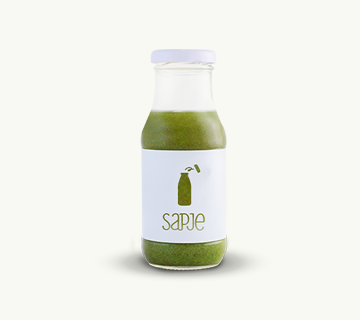
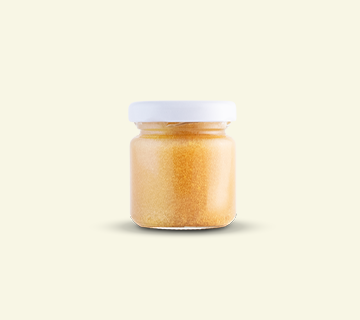
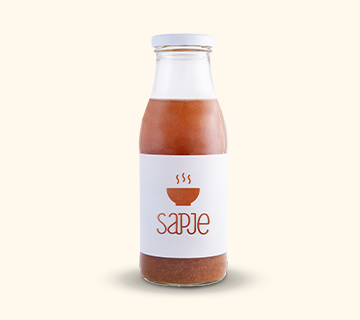
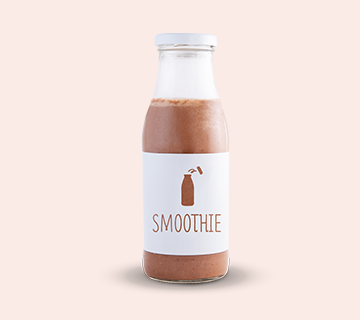
Tip: Do you struggle to eat enough fruits and vegetables daily? Then our vegetable juices, including our red beet juice, are really for you. Also check out our ginger shots, such as our ginger shot, or our smoothies and soups. In fact, these are packed with fresh organic fruits and vegetables. After preparation, they are immediately frozen in the shock freezer to ensure optimal preservation of the healthy nutrients.

Tip 6: No caffeine before sleeping
Caffeine can make you less likely to fall asleep and lower the quality of your sleep(13). Coffee is the main source of caffeine, but other drinks such as cola and energy drinks also contain caffeine. And did you know that chocolate, for example, also contains some caffeine? On average, it takes about 5 hours for your body to process half the amount of caffeine. But this varies a lot from person to person. Do you notice that you feel a lot of effects from caffeine? Try not to take any more caffeine after 12:00 noon. This way you make sure your body has processed all the caffeine before you go to sleep.
Tip 7: Enjoy exercise and getting outside
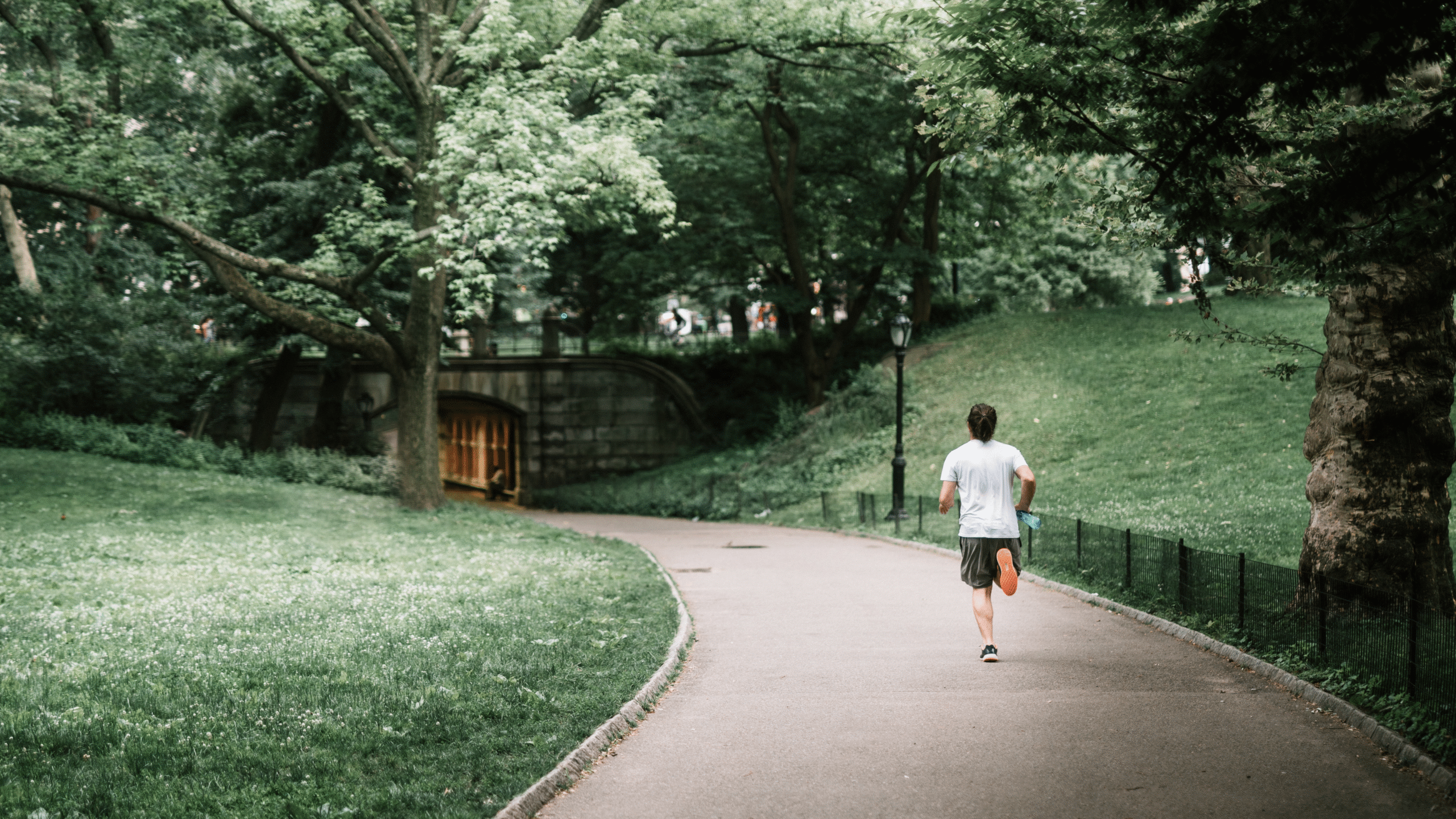
Exercise and time spent outside daily also seem to influence our sleep. Several studies show a positive relationship between regular exercise and physical activity and the quality of your sleep(14). Being outside during the day may be beneficial to your biological clock(15). Exposure to daylight contributes to your sleep-wake rhythm. So go for a walk on your lunch break or meet up with a friend on the tennis court.
Resources
- Mukherjee, S., Patel, S. R., Kales, S. N., Ayas, N. T., Strohl, K. P., Gozal, D., & Malhotra, A. (2015). An official American Thoracic Society statement: the importance of healthy sleep. Recommendations and future priorities. American journal of respiratory and critical care medicine, 191(12), 1450-1458. https://www.ncbi.nlm.nih.gov/pmc/articles/PMC5442970/
- Taub, J. M. (1978). Behavioral and psychophysiological correlates of irregularity in chronic sleep routines. Biological psychology, 7(1-2), 37-53. https://www.sciencedirect.com/science/article/abs/pii/0301051178900418?via%3Dihub
- Phillips, A. J., Clerx, W. M., O’Brien, C. S., Sano, A., Barger, L. K., Picard, R. W., … & Czeisler, C. A. (2017). Irregular sleep/wake patterns are associated with poorer academic performance and delayed circadian and sleep/wake timing. Scientific reports, 7(1), 3216. https://www.nature.com/articles/s41598-017-03171-4
- Haghayegh, S., Khoshnevis, S., Smolensky, M. H., Diller, K. R., & Castriotta, R. J. (2019). Before-bedtime passive body heating by warm shower or bath to improve sleep: A systematic review and meta-analysis. Sleep medicine reviews, 46, 124-135. https://www.sciencedirect.com/science/article/abs/pii/S1087079218301552?via%3Dihub
- Finucane, E., O’Brien, A., Treweek, S., Newell, J., Das, K., Chapman, S., … & Devane, D. (2021). Does reading a book in bed make a difference to sleep in comparison to not reading a book in bed? The People’s Trial-an online, pragmatic, randomized trial. Trials, 22, 1-13. https://trialsjournal.biomedcentral.com/articles/10.1186/s13063-021-05831-3
- Rusch, H. L., Rosario, M., Levison, L. M., Olivera, A., Livingston, W. S., Wu, T., & Gill, J. M. (2019). The effect of mindfulness meditation on sleep quality: a systematic review and meta-analysis of randomized controlled trials. Annals of the New York Academy of Sciences, 1445(1), 5-16. https://nyaspubs.onlinelibrary.wiley.com/doi/10.1111/nyas.13996
- Caddick, Z. A., Gregory, K., Arsintescu, L., & Flynn-Evans, E. E. (2018). A review of the environmental parameters necessary for an optimal sleep environment. Building and Environment, 132, 11-20 . https://www.sciencedirect.com/science/article/abs/pii/S0360132318300325#:~:text=Complete%20darkness%20is%20optimal%20for,improving%20sleep%20quality%20at%20altitude.
- Tähkämö, L., Partonen, T., & Pesonen, A. K. (2019). Systematic review of light exposure impact on human circadian rhythm. Chronobiology international, 36(2), 151-170. https://www.tandfonline.com/doi/full/10.1080/07420528.2018.1527773
- Van der Lely, S., Frey, S., Garbazza, C., Wirz-Justice, A., Jenni, O. G., Steiner, R., … & Schmidt, C. (2015). Blue blocker glasses as a countermeasure for alerting effects of evening light-emitting diode screen exposure in male teenagers. Journal of Adolescent Health, 56(1), 113-119. https://www.jahonline.org/article/S1054-139X(14)00324-3/fulltext
- Tahara, Y., & Shibata, S. (2014). Chrono-biology, chrono-pharmacology, and chrono-nutrition. Journal of pharmacological sciences, 124(3), 320-335.
- St-Onge, M. P., Mikic, A., & Pietrolungo, C. E. (2016). Effects of diet on sleep quality. Advances in nutrition, 7(5), 938-949. https://www.jstage.jst.go.jp/article/jphs/124/3/124_13R06CR/_article
- Halson, S. L. (2014). Sleep in elite athletes and nutritional interventions to enhance sleep. Sports Medicine, 44(Suppl 1), 13-23. https://link.springer.com/article/10.1007/s40279-014-0147-0
- Clark, I., & Landolt, H. P. (2017). Coffee, caffeine, and sleep: A systematic review of epidemiological studies and randomized controlled trials. Sleep medicine reviews, 31, 70-78. https://www.sciencedirect.com/science/article/abs/pii/S1087079216000150?via%3Dihub
- Kredlow, M. A., Capozzoli, M. C., Hearon, B. A., Calkins, A. W., & Otto, M. W. (2015). The effects of physical activity on sleep: a meta-analytic review. Journal of behavioral medicine, 38, 427-449. https://pubmed.ncbi.nlm.nih.gov/25596964/
- Murray, K., Godbole, S., Natarajan, L., Full, K., Hipp, J. A., Glanz, K., … & Kerr, J. (2017). The relations between sleep, time of physical activity, and time outdoors among adult women. PloS one, 12(9), e0182013. https://journals.plos.org/plosone/article?id=10.1371/journal.pone.0182013