













All about B vitamins
You’ve probably heard someone refer to b vitamins in general, but which ones are they? Is it vitamin B1 to B12, or are some of them missing? In addition to these questions, vitamins can sometimes be confusing when referred to by a different name. Thiamine, riboflavin, niacin these are all names of b vitamins. In this blog we list all the b vitamins briefly, with their names, what are b vitamins in and what are they important for.
What B vitamins are there?
Today, there are eight B vitamins that may still bear this name. These are all water-soluble vitamins, which play a role in metabolic processes and cellular metabolism. Formerly thought to be one vitamin, they were later known to be different substances that resembled each other. Nevertheless, there are a number of substances that have been wrongly named, which is why these names are no longer used. For example, vitamins B4, B7, B9 and B10 are no longer used, for this reason there are gaps in the count. Today B12 is the last in the list, previously the list went on much longer with B vitamins that are now not allowed to bear the name.
B vitamins and their most common 2nd names:
B1 – Thiamine
B2 – Riboflavin
B3 – niacin
B5 – pantothenic acid
B6 – pyridoxal phosphate
B8 Biotin
B11 – folic acid
B12 – cobalamin
Vitamin B1 (Thiamine)
The first vitamin in the list is B1, it is also known as thiamine, so these names are completely interchangeable. Vitamin B1 helps release energy from food. Thiamine is good for the heart and nervous system, and finally, it contributes to normal psychological function. It is especially highly present in seeds and nuts, such as sunflower seeds, or animal products such as ham hindquarters. Of course, it is also found in a lot of vegetables, for example bean sprouts, onion or fennel, which is why the highest value of thiamine is found in the juice Fuel which also contains fennel!
Vitamin B2 (Riboflavin)
Riboflavin is the other name of vitamin B2. This is really a necessary vitamin, with a deficiency you can get skin abnormalities or inflammation1. If you maintain a normal diet you won’t get a deficiency so easily. Among other things, riboflavin contributes to the maintenance of normal red blood cells; in addition, it is important for the skin. There is relatively high vitamin B2 in milk, but also in mushrooms, broccoli and spinach. There is a lot of B2 in our breakfast smoothie, as it contains almond milk and reishi mushroom.
Vitamin B3 (Niacin)
Niacin is not the only name of vitamin B3, it is also called nicotinic acid. Not to be confused with nicotine. B3 supports energy levels, as do all other b vitamins, as well as being good for mucous membranes and good for fatigue. Most B3 is found in support, our celery juice. The body can also make B3 from the amino acid tryptophan which is found in all proteins in food.
Vitamin B5 (Pantothenic acid).
We skip B4 because it no longer exists. Vitamin B5 also listen to the name pantothenic acid, this vitamin is especially useful in releasing energy from fatty acids, in addition, it also affects the building of proteins from food and drink2. The highest concentration of pantothenic acid is found in beef liver, the highest concentration in vegetable products is sunflower seeds.
Vitamin B6 (pyridoxine)
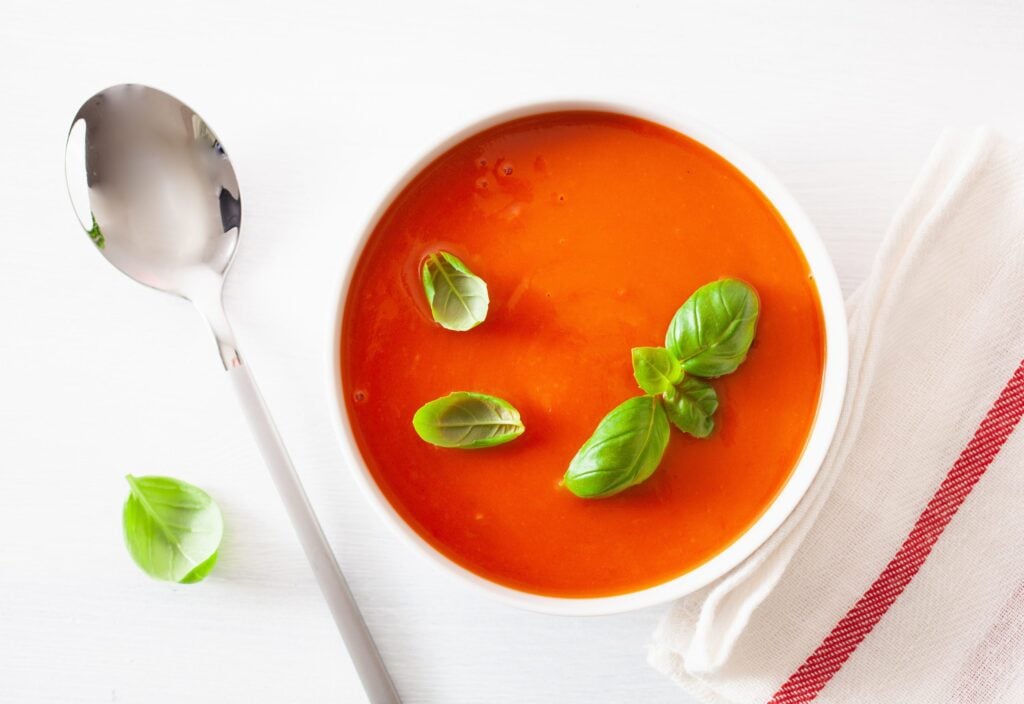
Vitamin B6 is often referred to simply by its number code: B6, the active form is called pyridoxal phosphate. The vitamin occurs in 3 different forms, to be called: pyridoxine, pyridoxal and pyridoxamine, these 3 forms differ only slightly from each other chemically. The vitamin is particularly important for amino acid metabolism, and is good for protein production in the body. B6 is found in large numbers in potatoes, as well as in apple syrup, apricots and many other foods. The highest concentration of vitamin B6 is found in our tomato soup.
Vitamin B8 (Biotin)
Biotin is another name for vitamin B8, but this vitamin has an even stranger name, which is vitamin H. This name is derived from “haar und haut,” or hair and skin, as vitamin B8 is good for your hair and helps keep skin healthy. It is found a lot in animal products, such as liver, egg yolks and fish, in the plant products category you can choose mushrooms or sweet potato for biotin, for example.
Vitamin B11 (folic acid)
Folic acid and folate are both forms of vitamin B11, this is perhaps the most confusing in the list because in some countries it is then called B9. Folate is the form found in food. Folate is relatively unstable and degrades quickly when cooked, for example, the systentic form folate is a lot more stable and is converted back into folate in the body. Folic acid is known as an important vitamin for pregnant women, read more about how to get enough folic acid naturally here.
Vitamin B12 (cobalamin).
The most important and well-known from the list is vitamin B12, or cobalamin. A vitamin b12 deficiency is relatively common in people on a vegetarian or vegan diet, as this vitamin is found almost exclusively in animal products such as meat, fish or dairy. It is also found in algae and seaweed but from these sources the vitamin is not always absorbed well. Vitamin B12 is important for the formation of red blood cells. It is recommended to supplement iron and vitamin B12 if you have a plant-based diet.
Conclusion
All B vitamins are essential to a healthy diet and provide numerous benefits to your body. In this blog, you have read which B vitamins have which benefits, what other names refer to the same vitamin and which foods contain many of these B vitamins.
B vitamins are generally safe and excess is usually excreted by the body because of their water solubility, excessive intake of certain B vitamins can be harmful. Don’t worry, because you won’t easily get a surplus through normal diet; a surplus is more common through use of supplements. It is always wise to maintain a healthy balance, and if necessary, consult your doctor or medical specialist if you are concerned that you may be ingesting a deficiency or excess.