Cart

No products in the cart.

Sapje with Jonnie & Thérèse Boer

For the next few months, the Seasons juice is inspired by Jonnie & Thérèse farmer, known for the 3 Michelin-starred restaurant De Librije.

The LIBRA ***

Jonnie became head chef at Restaurant De Librije at the age of twenty-four and a few years later he and his wife Thérèse took over the restaurant. In 1993 De Librije was awarded its first Michelin star. In 1999 followed the second and thus Jonnie is the youngest two star chef in the Netherlands. Since 2004 De Librije has 3 stars and belongs to the best restaurants in the world. Together with us Jonnie and Thérèse have created a Michelin star worthy juice which will stimulate all your senses.

The Seasons juice is not only incredibly delicious, but also tremendously healthy. It is rich in the antioxidants vitamin C and manganese, which help protect against free radicals and support your energy levels. It is also rich in vitamin A which helps to care for the skin from the inside, potassium which is good for blood pressure and copper which has a positive influence on the immune system. Truly a health boost in every way! This unique juice is made only with pure and organic ingredients from the season. In addition, we ensure that the ingredients come from Dutch soil as much as possible so you can enjoy an environmentally conscious, delicious and above all healthy Sapje.

THE HEALTHY TASTE

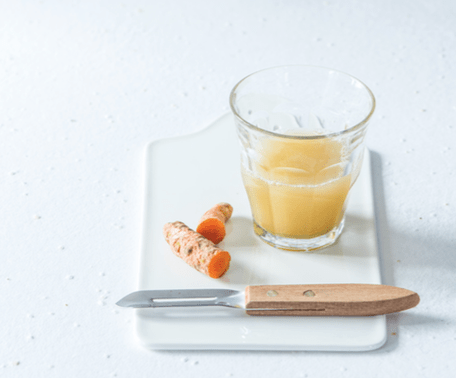
The deep yellow juice tastes full, round, fresh, sweet, tangy and a little bit spicy. When you smell the juice you will first experience light notes of bergamot, lemon juice, and mango. You are supposed to drink this juice slowly so that all your senses can enjoy the complex flavor experience. You first taste the healthy fresh and full flavor of the Dutch white carrot, yellow beet, bottle squash, cucumber, granny smith apple, and sunflower root. Then the citrus and mango emerge, masking the sharp surprise at the end. The chilli, ginger and turmeric provide kick at the end and a slightly sharp finish. All in all, this is an incredibly unique and healthy juice made for the connoisseur.

Jonnie boer drinkt sapje e1764175643703

THE INGREDIENTS

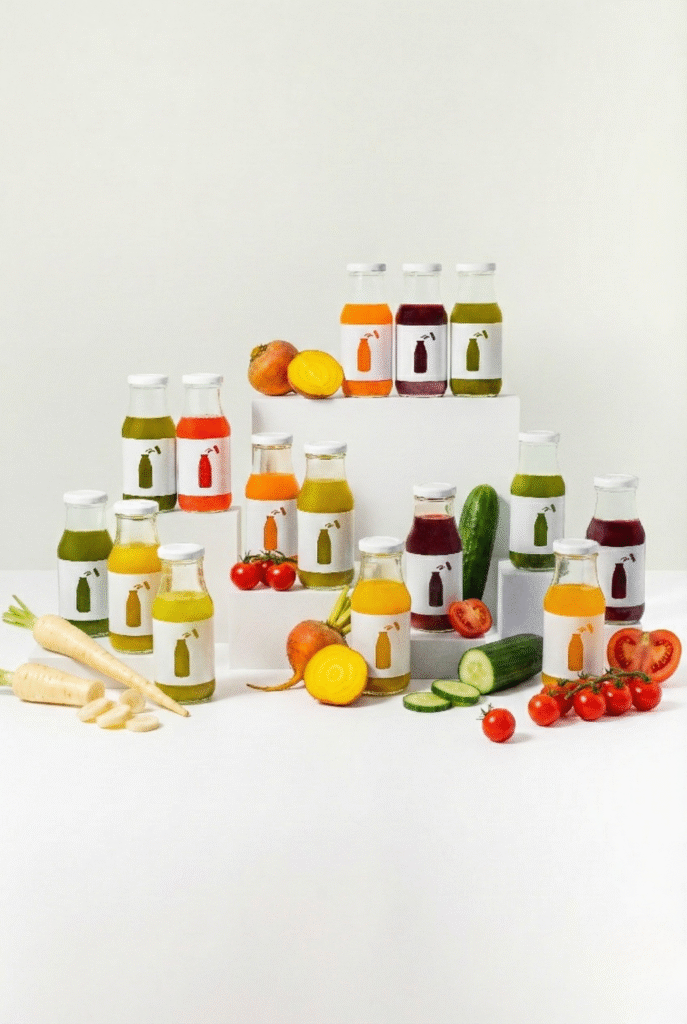
The following seasonal ingredients are currently in the juice: Yellow carrot, Granny smith, cucumber, yellow beet, sunflower root, bottle squash, mango, lemon, turmeric, ginger, bergamot & chili pepper.

Seasons juice by jonnie and teresa de boer

Are you also curious about the juice? You can order the Seasons juice here.

Boere – Dietician

April 18, 2019

Overall, I found the cravings or hunger weren’t too bad. I turned the switch right from the1st juice. Actually I had already made the switch during the pre-detox phase, at least; I had already started to eat and drink healthier and more consciously 3 days before the detox cleanse. This ensured that I could maintain the right mindset and even after the detox treatment I still feel fit and am in the right ‘health flow’. Not that I was eating unhealthy and snacking a lot, but there were definitely times in the past few months where things sometimes went ‘wrong’ and I felt the need for m&m’s or other snacks. Read the full article on their website

Cookies and the monster

March 21, 2018

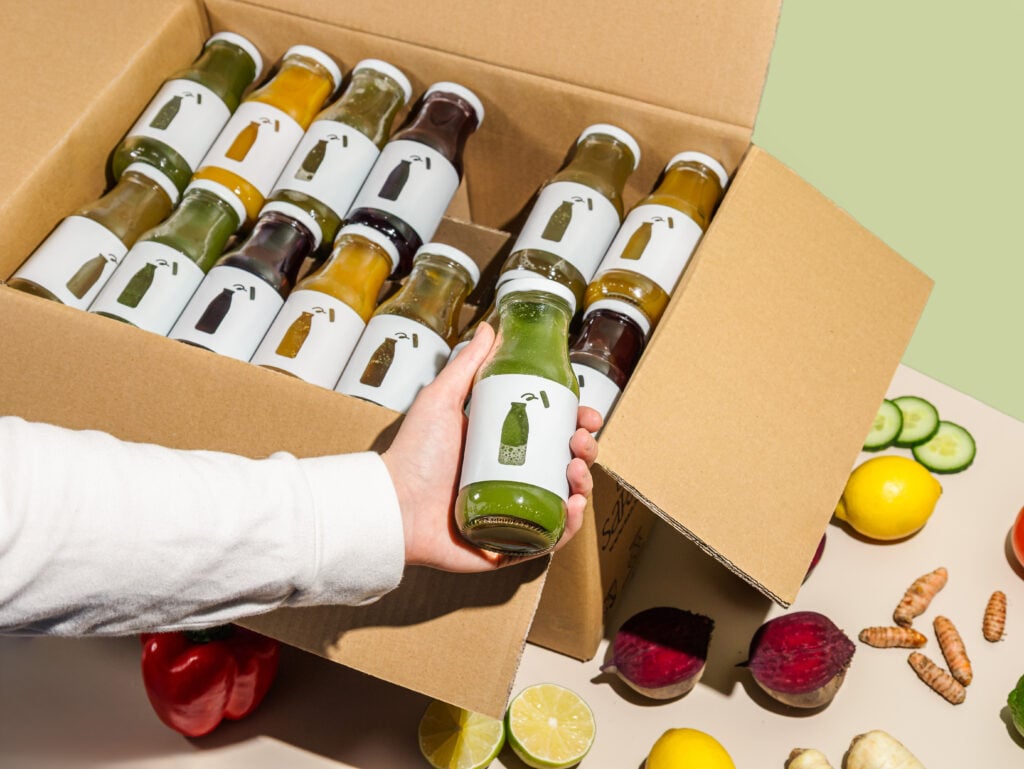
After I placed my order, I received more information via email. I found it super that you can choose the day of delivery yourself. That day itself, you receive a text message with the approximate time when they will deliver. All arrived neatly frozen and packed.
After 3 days of preparation it was time to detox. I was really looking forward to it. In the box is a daily schedule so you can see at what time you will drink what.

Without Toss

March 20, 2018

The other day I did my very first detox cleanse with Sapje brand juices. I had been curious for a while what a detox cleanse would do to my body and took up the challenge. Drinking juices for three days, no idea if I would survive. I love food and for my job, of course, I am involved with food a lot. Creating nutrition plans, coming up with recipes, photographing food, everything revolves around food for me. Still, I had been curious for a while what effect a detox cleanse would have on my body.

Energy up

Feb. 5, 2018

MaFrom the moment I started eating again I felt the energy flowing through my body. I feel super and I have more energy than before I started the cleanse. My bowels also feel calmer which is very nice. My goal is to keep them in top condition for the foreseeable future. A nice touch is also that my skin is a bit softer and more even than before. In addition, the cleanse has also helped me break out of my regular food routines. I am even more aware of what I am eating and can now make some adjustments in that as a result of the “hard reset” of the juice cure.

pussycatandbird

Jan. 15, 2018

From self-medicating by making juice from vegetables in their own kitchen, in three years they have grown into a company that produces thousands of juices daily in their “juice lab. How did they get here and why is drinking these natural multivitamins so important? We spoke with Joël Goudsmit (32) and Rosalynn Campbell (26) about this, as well as being allowed to test a detox juice cure ourselves.

The benefits of wheatgrass juice

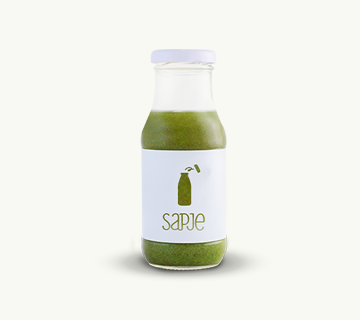
At Sapje, we make 100% organic juices that are packed with healthy nutrients. Our wheatgrass juice is a great example. Wheatgrass may look like a simple plant, but don’t underestimate it: wheatgrass has a lot going for it. It makes a healthy impression, but what exactly is behind these grass leaves? Here we explain to you in detail what makes wheatgrass so special.

What is wheatgrass anyway?

In our assortment you will find wheatgrass juice, a shot that consists of wheatgrass, cucumber and apple. But what exactly is wheatgrass? As the name somewhat gives away, it comes from common wheat. Young shoots of wheat, to be exact. These shoots grow into the little plants with grass leaves, as you know wheatgrass.

Tarwegras

The nutrients in wheatgrass juice

Let’s get right to the point: wheatgrass is a bomb of vitamins, minerals and antioxidants! So a shot of our wheatgrass juice contains high levels of vitamin B1, vitamin E and zinc, among others. As much as 40-57% of the reference intake in a compact 50 milliliters. It doesn’t stop there. Did you know that 100 grams of wheatgrass contains as many nutrients as 2.3 kilograms of vegetables? That proves once again how concentrated wheatgrass actually is. Furthermore, in wheatgrass you will find other healthy substances such as potassium, vitamin C, vitamin B2, iron, folic acid and magnesium. There seems to be no end to it!

”Scientifically supported benefits of wheatgrass juice

If you’re thinking that all those nutrients almost have to lead to health benefits, you guessed right. Like the benefits of red beet juice, wheatgrass has many promoting effects that are even scientifically substantiated. Thanks for the info Paarshuis!

Good for your blood pressure

Good blood pressure is an important part of a healthy body. You don’t want your blood pressure, or the force with which your blood presses against your vessel walls, to be too low or too high. A healthy lifestyle helps keep your blood pressure healthy. The mineral potassium, in particular, plays an important role here. Thus, since wheatgrass juice is a good source of potassium, it makes an ideal juice to provide additional support for your blood pressure.

Tarwegrassap

A contribution to your brain functions

In addition to potassium for blood pressure, wheatgrass juice also contains plenty of other good nutrients. For example, it is rich in the mineral magnesium and contains plenty of vitamin B1. Magnesium and vitamin B1 are involved in several brain and nerve functions and are good for your learning performance, ability to concentrate and memory, among other things. In addition, magnesium and vitamin B1 are good for your state of mind, contributing to a good mental balance. In the hectic society we live in, extra support for these functions is usually not an unnecessary luxury.

The antioxidant function of wheatgrass juice

Vitamin E, vitamin B2 and zinc are also richly represented in wheatgrass juice. These nutrients all have an antioxidant function in your body. This means that they help protect your cells from harmful external influences. In fact, antioxidants help to trap away the harmful free radicals that can be generated as a result of, for example, UV radiation and air pollution. Vitamin E, vitamin B2 and zinc are therefore also called “cell-protecting nutrients. So our wheatgrass shot Purify is a real winner for protecting your cells and tissues.

Good for your digestion

Finally, wheatgrass juice is also a good source of calcium. This mineral, of course, is known for its role in making your bones. But calcium has other important functions, including supporting your muscle function, energy metabolism and cell division. A lesser-known, but certainly no less important, function of calcium is to support digestion. In fact, calcium plays a role in the activity of certain enzymes involved in your energy metabolism. So regularly drinking a wheatgrass juice is a perfect way to give your digestion extra support.

Want to try wheatgrass juice yourself?

When you look at all these health benefits, you can immediately see why wheatgrass juice can be a great addition to your diet! Are you curious about our wheatgrass juice slowjuice squeezed in a shot? You can order it here . Our juice cures also include additional wheatgrass shots.

Vegan Forever

July 20, 2017

Now I have ordered through SAP.JE a 5 day detox juice cure over the internet, which will then be delivered on Friday evening. ( why don’t I make it myself at home myself? because a) I don’t have a juicer and b) also don’t feel like buying and lugging around kilos of fruits and vegetables….dus, this is it ) I already made a good experience with them ( Joel and Rosalynn ) last winter. Here you get several juices in a day inclusive little shots for in between and evening a soup, which is consumed hot. Read the full article here

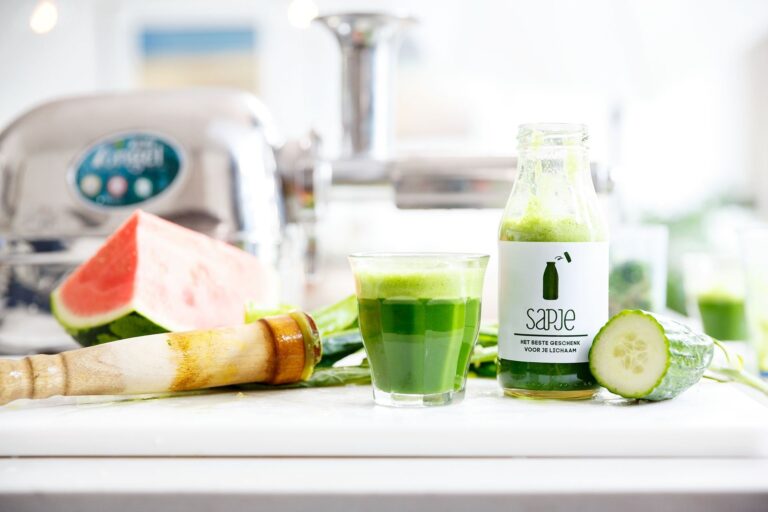
Sapje or Smoothie, which is healthier?

When the hype of juicing came over from America and Australia a few years ago, we were not yet part of the juicing craze. On the contrary, we had many questions about making vegetable juice and we wondered why on earth you would drink fruits and vegetables instead of eating them. You barely get any fiber and you drink calories without feeling satisfied. So we can imagine you’re sitting with the same questions. We decided to dive deeper into it to learn as much as we could about juices. We’ve read our asses off, watched countless movies and attended various seminars. How many health benefits a juice drink brings about is shocking! So of course better late than never we too became hooked on juicing daily.

Why drink a juice?

According to the Nutrition Center, we should eat about 450 grams of fruits and vegetables a day, but the average Dutch person (about 95 percent) falls far short of this. In addition, vegetables are almost always cooked, so many vital nutrients can be lost. Also, the farmland on which we grow food is much poorer in minerals, trace elements and other essential nutrients, which can cause you to run into deficiencies faster. So we actually need to eat far more fruits and vegetables than the recommended daily allowance to get enough micro nutrients.

Various vegetables

But have you ever considered eating 1 kilo of lettuce daily…? Well, neither have we. That’s why we juice: a juice you drink in no time and often has more nutritional value than a regular salad or cooked vegetable.

Equal nutritional value

For example, a fresh juice of about 250 milliliters has about as much nutritional value as about 400 to 500 grams of fruits and vegetables. This is because you are incorporating much more vegetables into a juice than you would normally eat. In addition, the vegetables in the juice are uncooked and therefore contain much more nutrients, enzymes, minerals and vitamins than, say, a stir-fry, microwave meal or steamed vegetables. Ideally, the juice should contain proportionally more vegetables than fruit.
In fact, drinking a lot of fruit juice is not good for your blood sugar levels because almost all the fiber has been taken out.

Good absorption by the body

Another advantage of a juice is that the nutrients are absorbed into your body mega-fast. Because a juice contains less fiber, your body can absorb it super efficiently within minutes. Normally, fruits and vegetables take three to four hours to digest and nutrients are released a lot slower.

Replenish nutrients easily

In short, a juice is an easy way to replenish lost and depleted nutrients without feeling too full. Think of it as replenishing your bank account. You need to replenish so you can get back into the plus and that’s done a lot faster and more efficiently by drinking a vegetable juice. This is not to say that you should stop eating fruits and vegetables altogether, but by cleverly combining them, you will be able to give your health the ideal support.

And the fiber in a vegetable juice?

There is very little fiber in a juice; about 10 to 20 percent remains, depending on the type of juicer you use. Fortunately, you can easily get fiber through other healthy foods. Our bodies need living food to build living cells. Animals, as well as fruits, vegetables, nuts and seeds, are called living foods. The sun and the earth convert all their life energy into the growth of trees, animals and plants. This forms the life energy, which we then take in. Our digestive system ensures that the fiber is separated from the juice so that the cells in our body can extract what they need to perform their work optimally. Separating the fiber from the juice in your body is broadly similar to making juice with the slow juicer. When you drink juice, your body no longer has to separate the fiber and juice and the nutrients can be absorbed in a unique and efficient way.

Juice slowjuicing

Nevertheless, many people still question juicing. You can throw fruit or vegetables into the blender, right? The answer is simple: the blender purees the food into a liquid version. The amount of fiber makes you satiated faster. Green smoothies are part of a healthy lifestyle, but you can think of a smoothie as a pre-chewed meal. The juicer actually extracts the most important thing from your fruits and vegetables – the juice. In other words, the life energy of the plants. When you drink this, it immediately nourishes your body through your bloodstream. In summary, drinking vegetable juice combined with eating healthy foods provides your body with enough fiber for a super healthy lifestyle.

And so is a multivitamin healthy?

A synthetic vitamin or mineral is replicated in a laboratory and does not remotely resemble the natural variety. Your body does not recognize it as well and will try to excrete it. Some unnatural vitamins can even be toxic to your body. When something comes from nature, your body recognizes the food and will absorb it naturally.

Scientific studies have shown that drinking juices has many benefits. It can help you get enough vegetables and give you more energy. It supports your metabolism, helps protect your body from oxidative damage, supports your immune system and bones and is good for your skin, hair and nails. Drinking juices can also help raise awareness about your diet and help you toward a healthier lifestyle. In addition, juices are great for people who are not so into fruits and vegetables, but who actually need the very important nutrients from fruits and vegetables extra, such as children and older people.

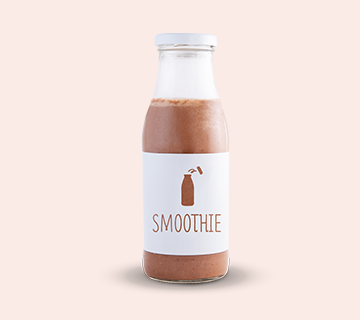
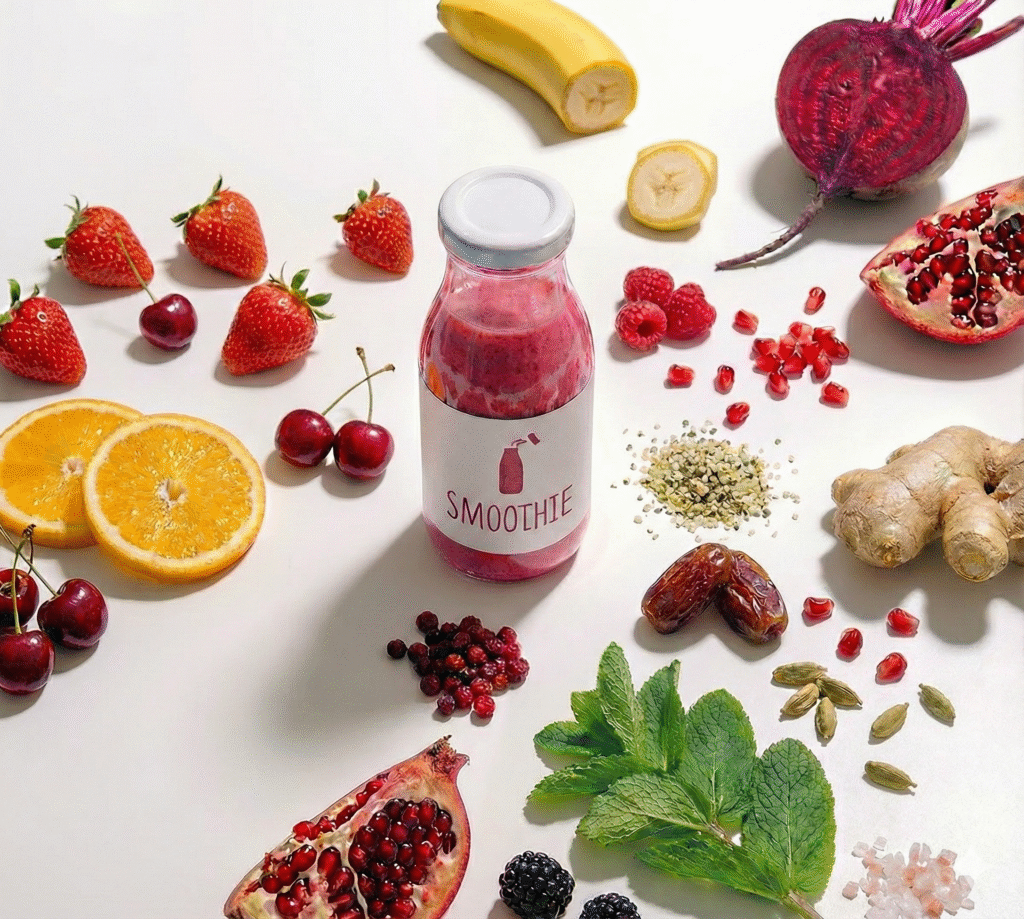
Smoothie

Sapje versus smoothie comparison

Both a smoothie and a vegetable juice are super healthy, however, they are also different. The smoothie has more plant and fruit fiber, but is therefore more of a liquid meal. With a slowjuice vegetable juice, on the other hand, you are extracting all the nutrients and micronutrients from the plants, fruits, herbs and spices and making them many times easier for your digestive system to absorb. Anyway, the more vegetables you consume whether it’s through a juice, soup, salad, smoothie or any other meal the healthier you are.

recipe example: smoothie of 250 ml
In a smoothie of 250 ml you put 150 ml water, coconut milk, almond milk or another liquid variety. Then add, for example, 1 handful of spinach, 1 banana, some turmeric powder and maybe some nuts. Otherwise the smoothie will be too thick to drink.

recipe example: vegetable juice of 250 ml
So you already put in 3-4 handfuls of spinach, 3 broccoli florets, 3 celery stalks, 1 fresh turmeric bulb, 1/2 lime, 1/4 apple, some parsley stalks and another 1/4 head of endive. So in a juice, you don’t add water as a base.

Do you see the difference?

With a smoothie you do get the complete nutrition with the fiber from a to z but you might as well eat a meal. With the vegetable juice you get many times more nutrients, enzymes, flavonoids, micronutrients, vitamins and minerals and all kinds of nutrients for which we don’t even know the name in the same content. To look only at the fiber intake then we don’t think is justified. Because the juice again contains many other nutrients that the smoothie again does not. Both a smoothie and a juice are healthy, but very different if you look at how many nutrients you get. We recommend for both a smoothie and a juice to use at least 70-80% vegetables, otherwise you can consume too many fruit sugars. We recommend if you want to support your health and your immune system and replenish your nutrient bank account substantially to rather choose a vegetable juice. We see a vegetable juice as a liquid health boost and drinking it daily is the best gift for your body.

What is the difference between a smoothie and (vegetable) juice?
The big difference between a smoothie and a vegetable juice from Sapje, is that our juices contain less fiber. This is because our juices are made with a slow juicer. This squeezes all the healthy juice (with vitamins and minerals) from the vegetables. The pulp is separated from the juice. So there can be more juice in a bottle, with more vitamins and minerals in it.
In a smoothie, this pulp is still in there. This makes you feel full faster from a smoothie and also reduces your intake of vitamins and minerals.
So, in short, you get more vitamins and minerals from a glass of vegetable juice than one smoothie.
Which is healthier: a smoothie or vegetable juice?
A vegetable juice is healthier than a smoothie. Why this is? Because there are more vitamins and minerals in a glass of vegetable juice than in a smoothie. This is because a vegetable juice contains only juice because the pulp is separated by the slow juicer. The juice from fruits and vegetables contains the vitamins and minerals. Pulp is actually unnecessary. It only makes you full. Also, your body is less able to absorb the vitamins and minerals from the vegetables when you also eat the pulp. Curious about the other reasons why a vegetable juice is healthier than a smoothie? We explain it to you in detail at the top of this page.
Are there more nutrients in a vegetable juice than in a smoothie?
Yes, there are more nutrients in a vegetable juice than in a smoothie from the blender or hand blender. The nutritional value of vegetables is in the juice. This is where you find the important vitamins and minerals. Because the slow juicer separates the juice from the unnecessary pulp, you will find more vitamins, minerals and other important nutritional value in a vegetable juice than in a smoothie. So do you want to get more nutrients in one glass? Then opt for a vegetable juice from the slow juicer!
Is there also fiber in vegetable juice?
Yes, fiber remains in the vegetable juice. However, these are very few. About 10 to 20 percent of the fiber from fruits and vegetables remains, depending on the type of juicer you use. These fibers are very easy for your body to absorb and you notice very little. You don’t get a full feeling or stomach ache (which is sometimes the case when drinking or eating a lot of fiber). So no worries!
Elle Food Elle Food