


Cart

No products in the cart.

Healthy Snacks: Tips and Recipes for a Responsible Snack

Written by: Barend Den Heijer expert in healthy snacks

Healthy snacks are essential for maintaining a balanced diet and promoting your overall well-being. In this article, we offer comprehensive information and helpful tips for making your snacks healthy and nutritious. We focus on several categories, from fruits and vegetables to breads and beverages, all in line with the Five-Style.

Disc of five

Why Healthy Snacks Are Important

Healthy snacks not only help satisfy hunger between meals, but they also provide important nutrients that contribute to a balanced diet. They can prevent you from reaching for unhealthy snacks, which are often high in sugar, salt and saturated fat.

Vegetables and Legumes as Snacks

Nutritious Vegetable Snacks

Vegetables are an excellent choice for snacks because of their low calorie content and high nutritional value. Here are some suggestions:

Groenten met dip van plattekaas 2
  • Carrot and Cucumber sticks: These are easy to prepare and perfect for dipping in hummus.
  • Cherry tomatoes: Small, juicy and full of vitamins.
  • Sweet bell pepper strips: Colorful and rich in vitamin C.
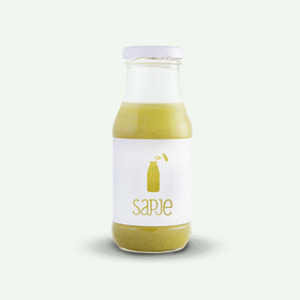
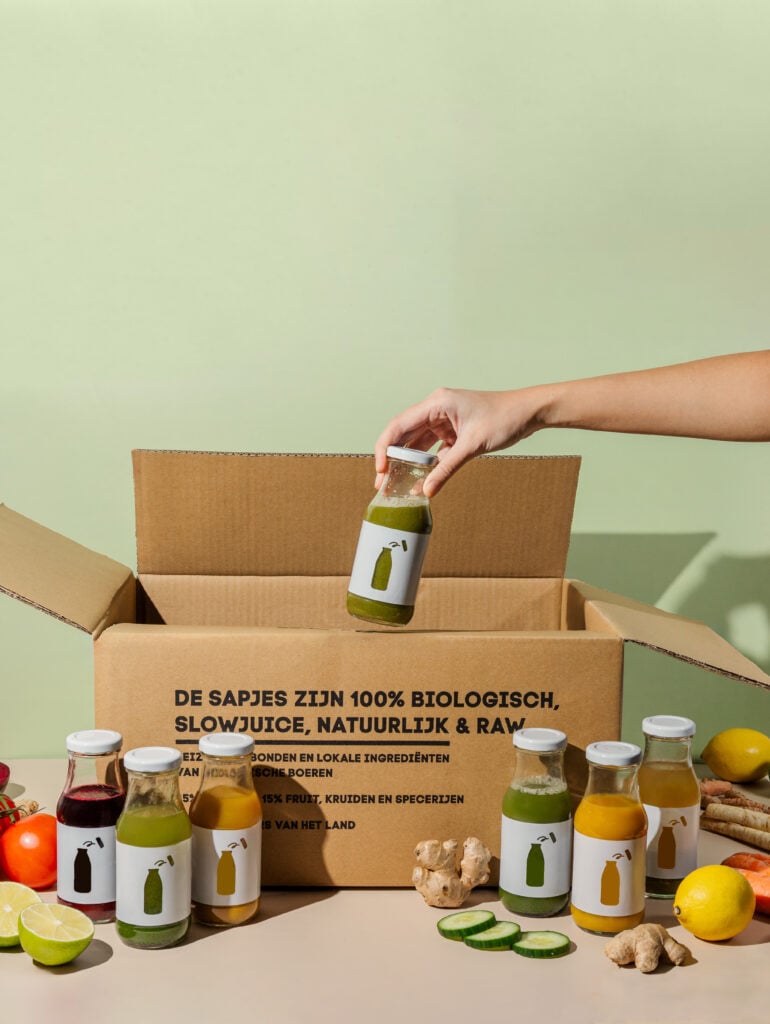
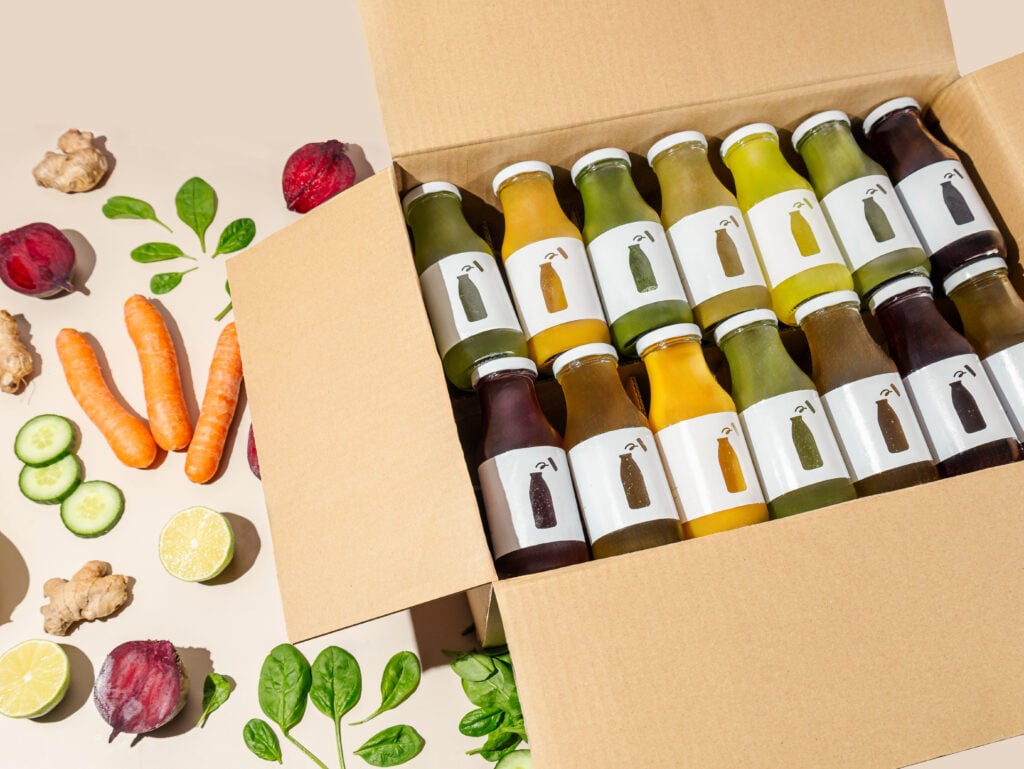
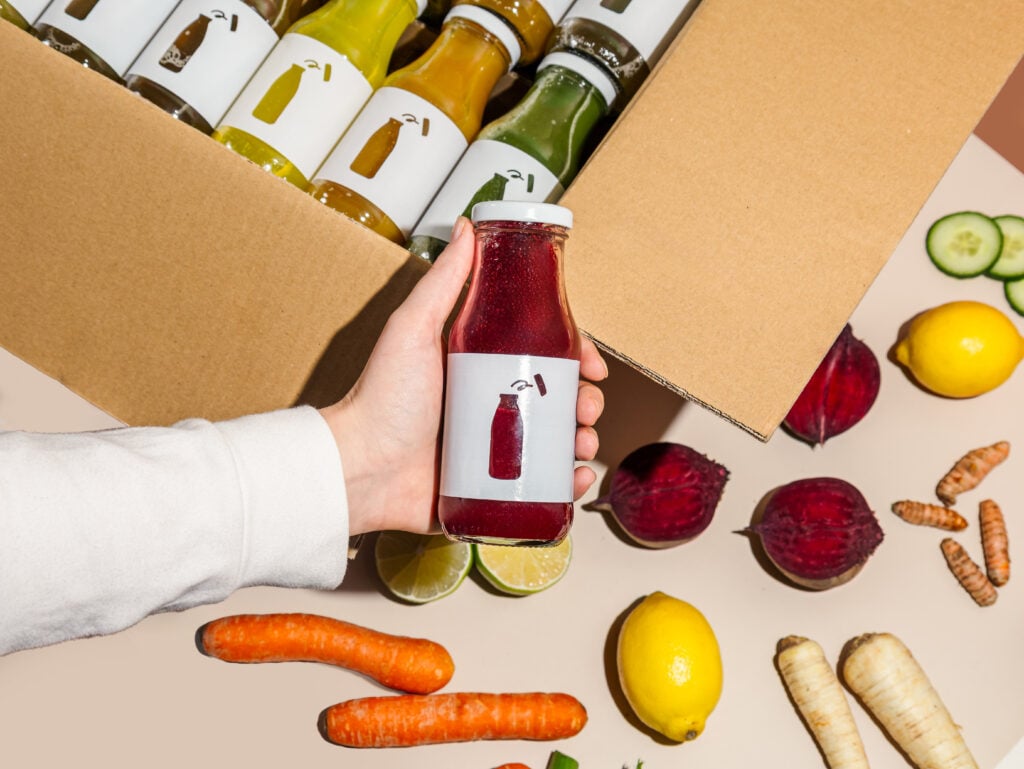
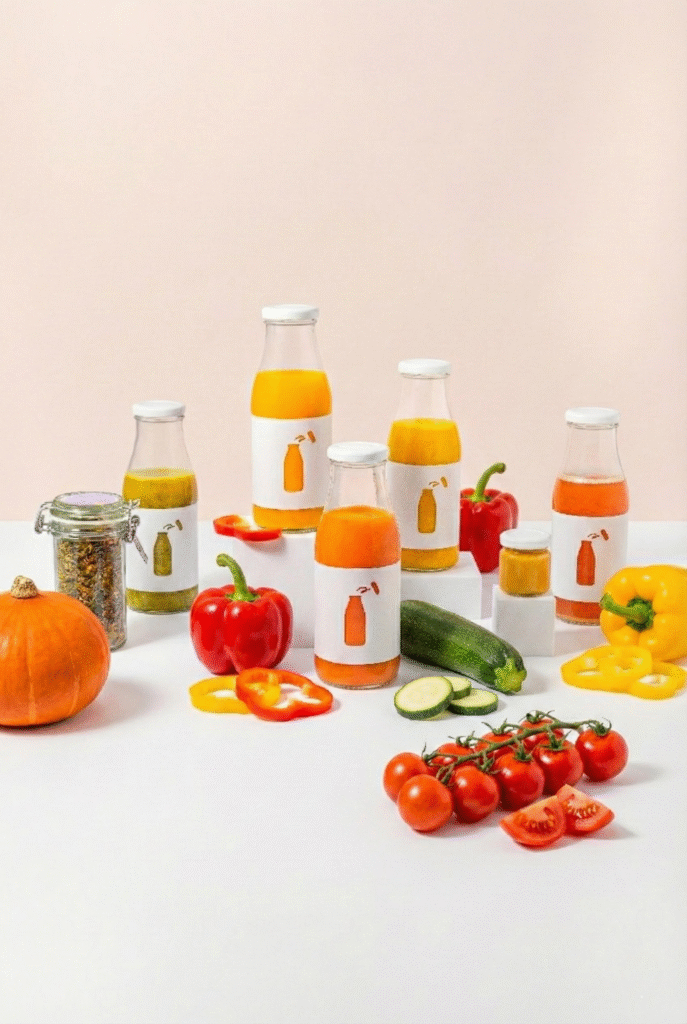
  • Sapje: Easily get 300 grams of organic vegetables packed with vitamins and minerals

Legumes: The Forgotten Snack

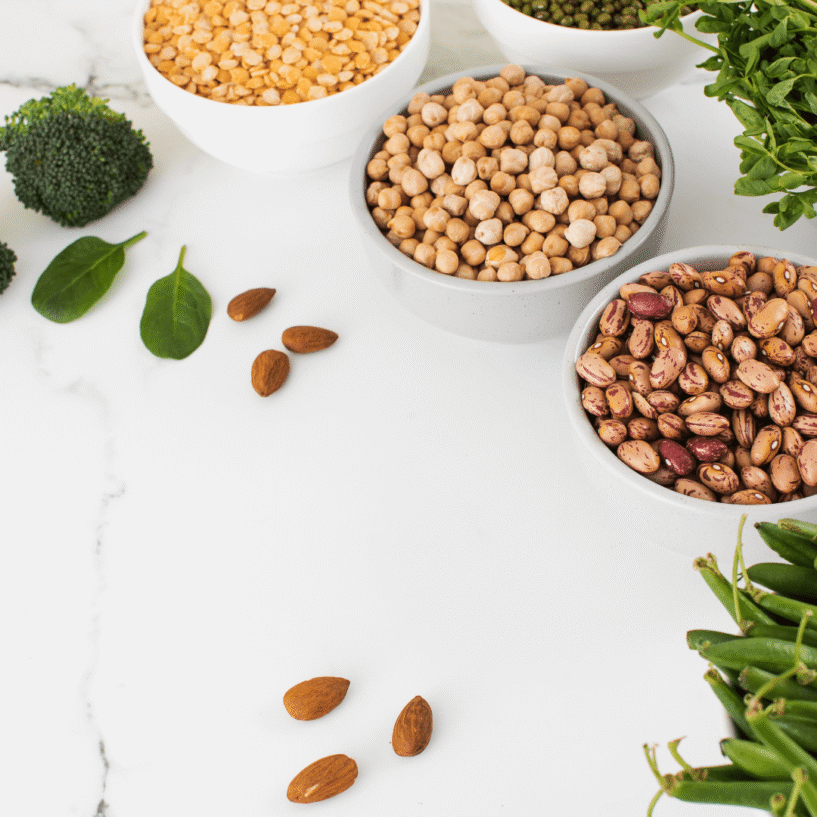
Legumes such as chickpeas and lentils are nutritious and filling. Try:

  • Roasted Chickpeas: Crunchy and full of protein.
  • Lentil salad: A fresh salad with lentils, feta and tomato.

Fruits and Nuts: The Sweet and Crunchy Options

Fresh Fruit: The Natural Sweetness

Csm appel banaanit 89de3e5803

Fruit is an excellent source of vitamins, minerals and fiber. Some healthy choices include:

  • Apples and Bananas: Easy to carry and rich in nutrients.
  • Berries: Blueberries, raspberries and strawberries are low in calories and high in antioxidants.

Nuts: Nutritious and Filling

Nuts are rich in healthy fats, protein and fiber. For example, try:

  • Unsalted Almonds: A handful is enough to keep your energy levels up.
  • Walnuts: Good for the brain due to their high content of omega-3 fatty acids.

Bread and Wraps: Filling and Varied Snacks

Healthy Bread Options

Bread can also be a healthy snack if properly chosen and prepared. Consider:

  • Whole Wheat Bread with Avocado: Rich in fiber and healthy fats.
  • Rye Bread with Hummus: A high-fiber alternative with a creamy topping.

Wraps: Versatile and Delicious

Wraps met hummus en gegrilde groenten 04 1000x640 1

Wraps can be filled in a variety of ways. Some ideas include:

  • Whole Wheat Wrap with Chicken and Vegetables: Rich in protein and vitamins.
  • Wrap with Hummus and Vegetables: A vegetarian option full of flavor.

Healthy Drinks: Hydrating Without Sugars

Water: The Best Choice

Water remains the best beverage for hydration. Add a slice of lemon or mint for extra flavor.

Tea and Coffee

  • Tea: Herbal teas such as chamomile or green tea offer flavor without calories.
  • Black Coffee: Without sugar and milk a low-calorie pick-me-up.

Vegetable juices

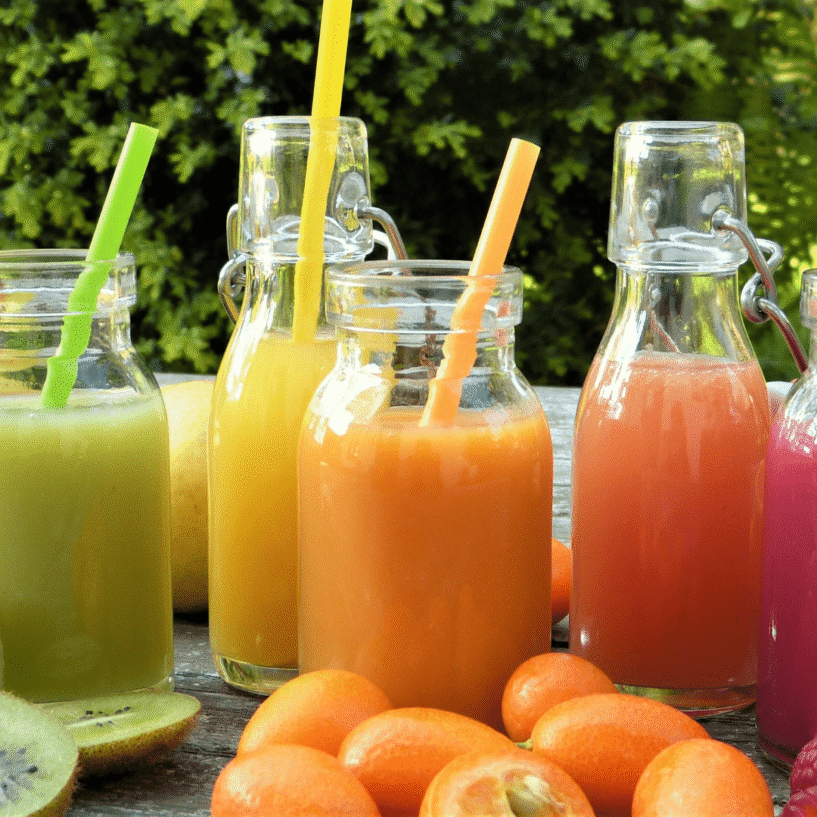
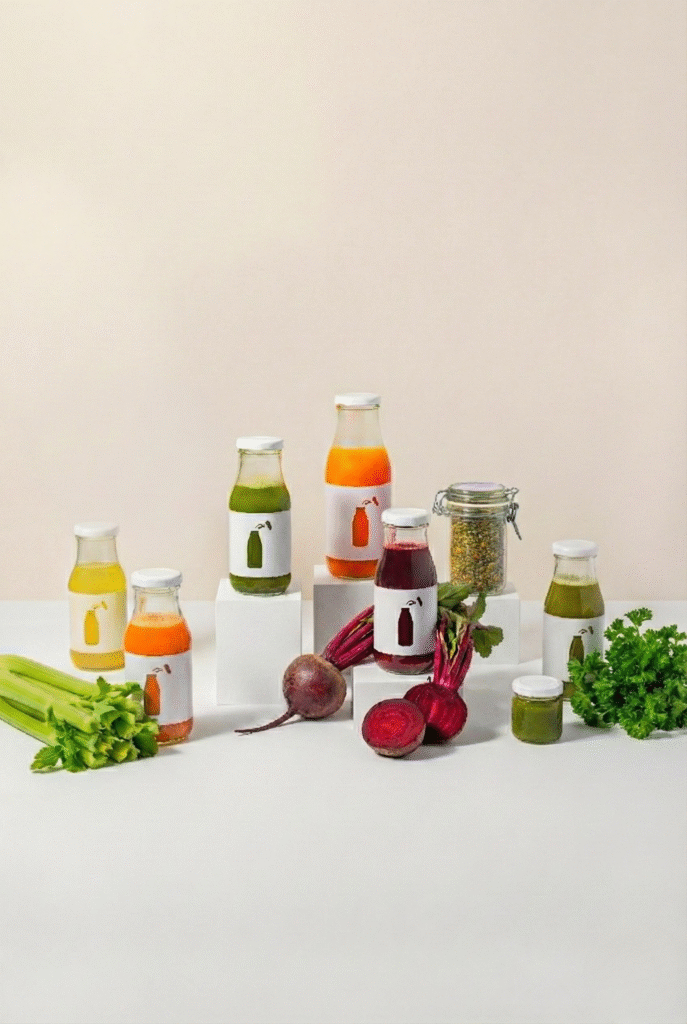
Normally, we often choose the delicious fruit juices in the store. However, these contain a lot of natural sugars, which is best avoided. Therefore, it is better to choose vegetable juices, preferably those made with a slow juicer. This is because slow juicers retain more nutrients and enzymes because they press the vegetables at a low speed, which makes for a healthier and more nutritious juice.

Inschenken0

Benefits of Healthy Snacks

Choosing healthy snacks can have several benefits:

  • Prevents Overeating: By satisfying hunger, you avoid overeating later in the day.
  • Supports Dental Health: Healthy choices are better for your teeth than sugary and acidic snacks.
  • Enhanced Energy: Nutritious snacks keep your energy levels steady throughout the day.

FAQ

What can you snack on when you lose weight?

  • Vegetables and hummus: Vegetables such as carrots, cucumbers, and peppers are low in calories and high in fiber. Combine them with hummus for extra flavor and protein.
  • Fruit: Fresh fruits such as apples, berries, and oranges contain natural sugars and fiber that keep you feeling full longer.
  • Nuts and seeds: A handful of unsalted nuts or seeds can be a nutritious and filling snack. They are rich in healthy fats, protein and fiber.
  • Greek yogurt: Choose low-fat Greek yogurt with no added sugars. You can combine it with fresh fruit or a little honey for extra flavor.
  • Popcorn: Air-popped popcorn without added butter or sugar is a high-fiber snack that can make you feel satisfied without adding a lot of calories.
  • Hard-boiled eggs: Eggs are an excellent source of protein and can help you feel full longer.
  • Smoothies: A smoothie made from leafy vegetables, fruit and a protein source such as Greek yogurt or a protein powder can be a nutritious snack.
  • Cottage cheese: This cheese is rich in protein and can be combined with fruits or vegetables for a healthy snack.
  • Edamame: Steamed edamame beans are a high-protein and high-fiber snack that you can easily prepare and take away.
  • Dark chocolate: If you crave something sweet, choose a small piece of dark chocolate (at least 70% cocoa) to enjoy without ingesting too many calories.

What is a healthy snack for evening?

  • Greek yogurt with berries: Greek yogurt is rich in protein and helps you stay satiated longer. Add some fresh berries for a sweet, fiber-rich snack.
  • Handful of nuts: Unsalted almonds, walnuts or pistachios are a good source of healthy fats, protein and fiber.
  • Cottage cheese with cucumber: Cottage cheese is a high-protein snack that is low in calories. Combine it with slices of cucumber for extra crunch and hydration.
  • Avocado on whole-grain toast: Half an avocado on a slice of whole-grain toast offers healthy fats, fiber and a bit of protein, which helps satisfy your hunger.
  • Hard-boiled egg: A simple hard-boiled egg is an excellent source of protein and is low in calories.
  • Popcorn: Air-popped popcorn without butter or sugar is a high-fiber snack that leaves you feeling satisfied with few calories.

Conclusion

By making conscious choices and choosing snacks from the Disk of Five, you are contributing to your own health and well-being. Experiment with the options listed and discover which healthy snacks suit you best. Remember that consistency is key to a healthy diet.

Nightshade, what is it?

Potato, tomato and eggplant, what do they have in common? At first glance, not that much. Yet they are all part of the nightshade family. In this blog, we will discuss which vegetables are nightshades, why they belong to this family and what they are good for.

Background

The nightshade family (Solanaceae) is a family of more than 2,300 different plant species, most members of the family are shrubby plants. A smaller part of the family is herbs or small trees.

Name

The name “nightshade” seems to be possibly derived from the word “damage,” which has its origin in the word “shade.” The family gets its name from one plant, the black nightshade. It is conceivable that the first part of the name refers to the dark color of the berries, reminiscent of the darkness of the night.

Most well-known members of the nightshade family

Potato

Probably potato is the most important and well-known member of the nightshade family. Potato is a plant that grows tubers underground, which are edible, and it grows a small deciduous plant above ground. The potato stores a store of energy in its tubers in the form of starch. It is generally not recommended to eat potato raw because of the harmful substance solanine, which is broken down when you cook it.

Eaten in Holland for centuries, the boiled tuber was brought over from America in the 16th century. At the time of the industrial revolution, a large part of the average worker’s diet consisted of potatoes because they are cheap and nutritious. The potato contains fiber and many koohlydrates, but at the same time very little sugar. The potato contains almost no fats, and is rich in vitamins C, B6 and potassium, among others.

Remarkably, sweet potato is not a relative of the “regular” potato, the sweet potato belongs to the wine family (Convolvulaceae). Sweet potato contains inulin, unlike regular potato which contains starch. Inulin is more suitable for patients with diabetes because it digests more slowly than starch. Also try sweet potato soup.

Tomato

Tomato is also a well-known member. Tomato plants grow as a kind of bush above the ground, from which tomatoes grow like berries. It is impossible to imagine Italian cuisine without the tomato, yet this plant is not native to Europe either. This plant has its roots in South America, where it was grown particularly in the areas around the Andes Mountains.

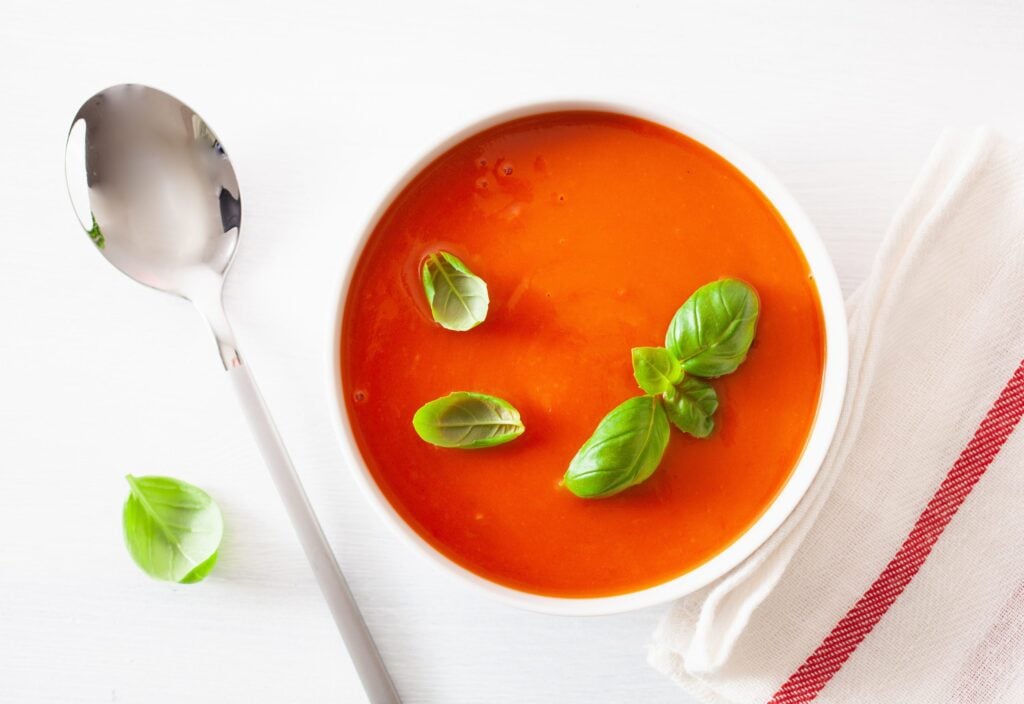
Among other things, the tomato is known for the presence of the compound: lycopene, which is the natural dye to which the tomato owes its red color. This antioxidant has received much attention in science over the years, there is convincing evidence that it would support in the prevention of chronic diseases[1]. Read more about the benefits of tomatoes in the benefits of tomato soup.

Tobacco

Even tobacco is part of the nightshade family. The tobacco plant, native to the Americas, is a crop that has been grown and used for centuries by Native American peoples for ritual and medicinal purposes. The main ingredient in cigarettes and cigars is controversial due to the harmful effect on the body that smoking tobacco has. Tobacco leaves are used for this purpose because of the presence of nicotine, an addictive and stimulant substance, which is linked to several health problems, including cancer and heart disease.

Other members

Other well-known (edible) members of the family are:

  • Eggplant
  • Bell pepper
  • Cayenne pepper
  • Goji berries

Features

Now that you know some prominent members of the family, you have a certain picture, but how can you identify the next member of the family? There are a number of characteristics by which you can identify a member of the nightshade family. First of all the fruit type, in the nightshade family they are often berries, in the case of tomato very large berries, but also in the case of the potato plant you can see above the ground some kind of berries.

In addition, nightshade can be identified by its flower. Very often nightshade flowers have five petals that are all about the same, looking a bit like a star. The flowers can be white, yellow, purple or blue.

The image below shows both the berries and the typical flower shape of a nightshade.

Example of a typical nightshade

Phytoftora

Every potato farmer’s nightmare. Phytophthora is a plant disease best known for infecting potatoes; it is also called the “potato disease. Literally translated from Greek, phytophthora means “the plant destroyer. Phytophthora is a genus of fungal öomycetes, symptoms include leaf discoloration, wilting, root rot and eventually a dead plant. Bad news, then. Nightshade-like plants are known to be susceptible to phytophthora.

What is nightshade good for?

First of all, let’s mention that not all vegetables and plants belonging to this family are necessarily good. In fact, many of them are even harmful. All the vegetables that you can safely eat, either raw or after cooking, have their own health benefits. Vitamins and minerals you can find in some members are vitamin C, B6, potassium and so on. All of these vegetables (and spices) can contribute to a healthy diet in which you vary enough and get to your daily serving of fruits and vegetables each day.

What does nightshade do to your body?
Nightshade plants contain a substance called solanine (and related alkaloids), which can be mildly toxic in large quantities. In normal amounts, they are both safe and nutritious for most people. But in people with sensitive digestion or autoimmune disorders, they can sometimes trigger inflammatory reactions, joint pain or intestinal discomfort. This varies greatly from person to person.
What is covered by nightshade?
Nightshade is a plant family that includes several well-known vegetables. The best known edible nightshades are:

– Tomatoes
– Potatoes
– Peppers
– Chilies
– Eggplants

These vegetables contain natural substances that can cause symptoms in some people, especially if they are sensitive to them.
Which plants fall under nightshade?
In addition to the edible varieties, the nightshade family also includes non-edible or poisonous plants, such as:

– Bittersweet
– Thorn apple
– Black nightshade
– Tobacco
– Wolfberry (belladonna)

These species contain much higher concentrations of alkaloids and are not suitable for consumption.

Resources

Rao, A. V., Ray, M. R., & Rao, L. G. (2006). Lycopene. Advances in food and nutrition research, 51, 99-164. https://www.sciencedirect.com/science/article/abs/pii/S1043452606510022

A Lifestyle Change: 7 Practical Tips for a Healthier Life

In the hectic pace of modern life, it is often challenging to make healthy choices and maintain a balanced lifestyle. Fortunately, there are simple and achievable steps you can take to improve your well-being and live a healthier life. In this blog post, we will discuss seven practical tips that can help you on your way to a healthier and more fulfilling lifestyle.

1. Balanced Nutrition:

A healthy diet is the key to a healthier life. Make sure your meals are balanced and contain all the nutrients your body needs. Increase your intake of fresh vegetables, fruits, whole grains and lean proteins. Limit consumption of processed foods, added sugars and saturated fats.

2. Regular Physical Activity:

Exercise is essential for a healthy body and mind. Make exercise an integral part of your routine. This can range from daily walks to regular strength training. Choose an activity you enjoy and that fits your lifestyle to keep you motivated to stay active.

3. Sufficient Sleep:

Sleep is vital to your overall health. Make sure you get enough rest, ideally between 7 and 9 hours per night. A good night’s sleep not only promotes your physical health but also has positive effects on your mood and cognitive functions.

4. Stress management:

Prolonged stress can be detrimental to both your physical and mental health. Develop healthy ways to manage stress, such as meditation, yoga or relaxation techniques. Finding an outlet for stress contributes to a more balanced and healthy life.

5. Hydration Priority Giving:

Drinking enough water is crucial for good health. Water supports several body functions, including digestion, temperature regulation and skin health. Aim for at least 8 glasses of water a day and avoid excessive consumption of sugary drinks.

6. Mental Health Prioritization:

Health includes not only the body, but also the mind. Take care of your mental well-being by incorporating regular moments of relaxation and fun. Talk openly about your emotions, seek professional help if needed and surround yourself with positive influences.

7. Routine Health Checks:

Prevention is better than cure. Schedule regular health checks and screenings to detect any health problems early. Keep your vaccinations up-to-date and work with your health care provider to create a personal health plan.

Embracing these seven practical tips can have a significant impact on your overall health and well-being. Change takes time, so take one step at a time and be kind to yourself. You may also want to try a detox . Striving for a healthier life is an ongoing process, and every positive choice contributes to a better version of yourself. Start this journey to a healthier and happier life today!

The impact of healthy eating on your body

That healthy eating is important is, of course, something you have long known. Yet for many people this is still very difficult. But what are the benefits of eating healthy? And what is the impact of healthy eating on your body? You will be surprised how many ways food can contribute to your health. In this blog we will tell you more about the positive effects of healthy food and how you can notice that you are eating healthy.

More energy

By eating healthy, you can support your energy levels. When you eat or drink something, your body goes to work to get usable energy from it. To feel energetic, not only do you need to get enough energy, but the quality of your food is also important. This is because you also need vitamins and minerals to release the energy from your food. These include the B vitamins and the minerals iron, calcium, copper and magnesium. These nutrients all contribute to the release of energy from your food.

For example, iron plays a role in the activity of certain enzymes involved in your energy metabolism (1). You can find a lot of iron in meat, fish, beans, nuts, spinach, turnip greens and kale. B vitamins are found in many different foods, such as (whole grain) cereals, meat, fish, dairy, vegetables and fruits (2).

By eating healthy, especially unprocessed and varied foods, you ensure that you get enough of all the important vitamins and minerals. In this way, you can support your energy levels.

Healthy skin

You probably don’t give it much thought, but your skin is a complex organ with many different functions. It acts as a barrier against outside influences, helps regulate your body temperature, functions as a shock absorber and so on (3). It is also important to eat well to keep your skin healthy. For example, vitamin C is important for the formation of collagen. This is a structural protein that helps strengthen the skin from the inside out. Vitamin C is especially abundant in fruits and vegetables, such as red peppers, red beets, Brussels sprouts red cabbage, broccoli, mango and lemon.

Other vitamins and minerals that help keep your skin healthy are vitamin A, vitamin B2, vitamin B3, copper, iodine and zinc.

Supporting your immune system

A good immune system helps protect your body from outside invaders. Healthy eating can also lend a hand here. There are an awful lot of vitamins and minerals that play a role in the functioning of your immune system. Vitamin C, zinc and vitamin D are perhaps the best known. But vitamin A, B6, B12, folate and the minerals iron, copper and selenium also have a positive influence on the functioning of your immune system.

Feel good

If you eat healthy, you will also find that you are more comfortable in your own skin. There are several reasons for this, including all the points we mentioned above. But healthy eating can even have a direct positive effect on how you feel. Here again, vitamins and minerals play a role. Biotin, folate, magnesium and vitamins B1, B3, B5, B6, B12 and vitamin C are all good for your mood, concentration and memory. Folate also contributes to your resistance to stress. To get all these nutrients, it is of course important to eat a healthy and varied diet. For example, folate is found in spinach, romaine lettuce and oranges, while magnesium is found in cocoa, samphire and almonds.

Are you curious what fruits and vegetables are the best snack for in between meals? Read that here in our blog on healthy snacks.

Enjoying sports

Good nutrition is also super important in combination with sports. If you don’t have enough energy available, you can’t put on your best performance. Moreover, eating well after exercise helps your body recover properly. For this purpose, among other things, it is important to eat enough protein. Proteins help recover and build your muscles after exercise. Proteins are found mainly in meat, fish, dairy, egg, legumes, tofu and nuts. We also have a high-protein protein smoothie in our assortment. This is ideal to take after exercise.

Learn more about what’s best for you to eat and drink before, during and after exercise. Healthy smoothies can also help you recover after a hard workout.

Image 18

Also try our healthy juices

Vegetables are an incredibly important part of a healthy diet. They are bursting with vitamins and minerals that your body needs to stay healthy and fit. Yet few people eat enough vegetables daily. On average, the Dutch eat only 131 grams of vegetables per day (4). So there is a lot to be gained here!

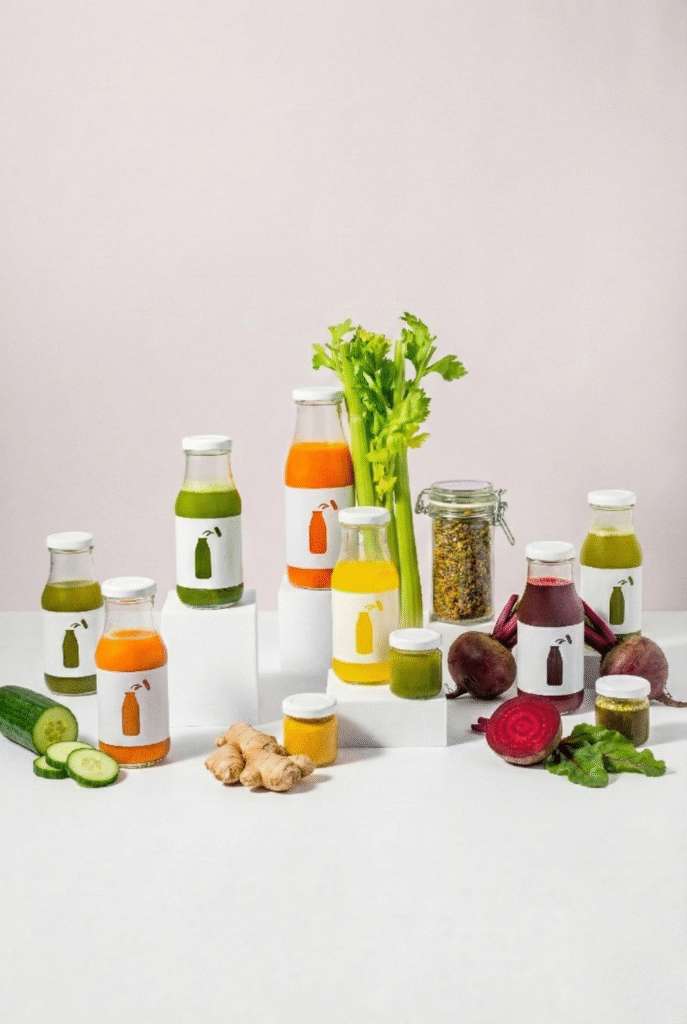
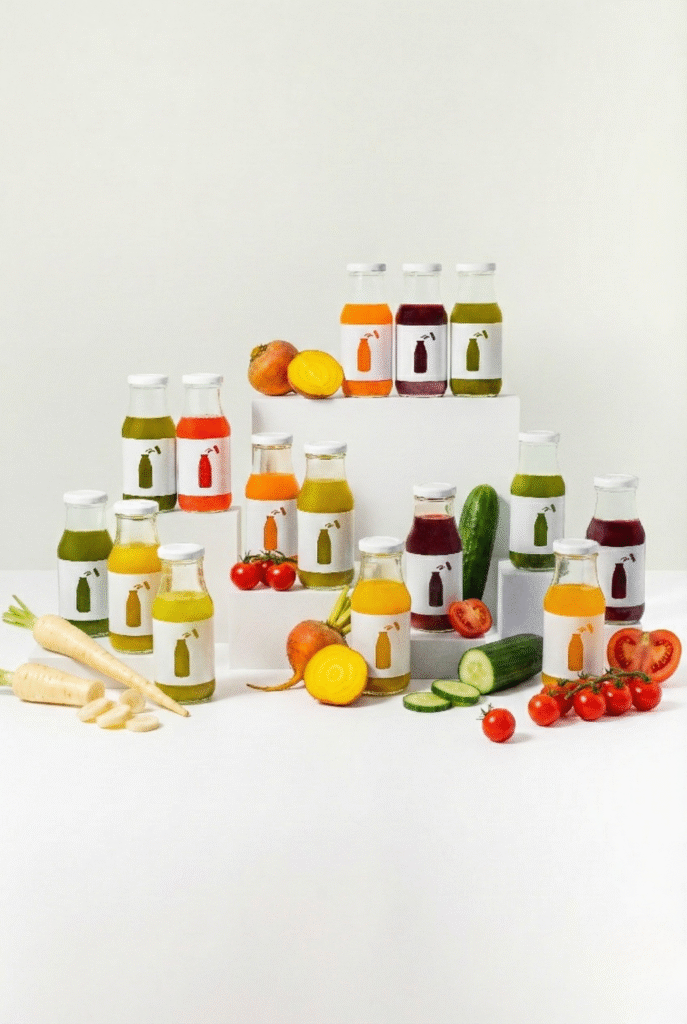
To give you a hand, at Sapje we carry a variety of vegetable juices packed with vitamins and minerals. In addition to juices, we also have shots, detox cures, soups and smoothies. All full of fresh and organic vegetables! Perfect for increasing your daily vegetable intake in an easy way.

Image 17 scaled

Resources

  1. Abbaspour, N., Hurrell, R., & Kelishadi, R. (2014). Review on iron and its importance for human health. Journal of research in medical sciences: the official journal of Isfahan University of Medical Sciences, 19(2), 164.
  2. NEVO-online version 2021/7.0, RIVM, Bilthoven.
  3. Venus, M., Waterman, J., & McNab, I. (2010). Basic physiology of the skin. Surgery (Oxford), 28(10), 469-472.
  4. RIVM (2017), Food Consumption Survey 2012-2016. Vegetables. Accessed December 24, 2022.

How can you use turmeric?

Turmeric has a long history and many different uses. Especially in Asia, the orange roots of turmeric have been used for centuries as part of a healthy lifestyle. Read on and find out what you can do with turmeric!

What is turmeric?

Turmeric is made from the roots of Curcuma longa, a plant in the Zingiberaceae family, which also includes ginger. Turmeric root is very similar to ginger root, familiar from our Ginger Shot, but is often slightly smaller than ginger and orange rather than yellow inside. Traditionally, turmeric root is first boiled or steamed before use. You also often encounter turmeric in powder form, in which case it is dried and ground. The taste of dried and ground turmeric is a bit bitter yet also sweet, with a warming effect. Thanks to the compound curcumin, turmeric powder is bright yellow; much more yellow than ground ginger.

Where does turmeric come from?

The natural origin of the Curcuma longa plant is in the tropical regions of South Asia. There are more than 130 known species of turmeric. In general, this plant needs warm temperatures, between 20 and 30 degrees Celsius, and good amounts of rain. Turmeric plants can grow about one meter tall. They have oblong leaves, but mainly the roots are used for consumption and other uses. Turmeric is associated above all with India, where people have used this spice for many centuries. Vedic texts nearly 4,000 years old already describe various uses of turmeric as an important spice in dishes. People also used turmeric as part of religious rituals and as part of an Ayurvedic lifestyle. Later, the use of turmeric spread throughout the rest of the world. Today, India is still the largest producer and consumer of turmeric. Almost all turmeric used worldwide comes from India.

What other names does turmeric have?

The name ‘turmeric’ comes from Sanskrit and is still used in many countries, including the Netherlands. However, we also use the name “turmeric,” and in supermarkets you will also come across turmeric in packages with the names “turmeric” and “turmeric,” which are derived from the Indonesian names. More information about turmeric in English can be found if you search for ‘turmeric’.

What is curcumin?

Turmeric contains several curcuminoids; dyes that make turmeric so yellow. Turmeric powder generally consists of just over 3% curcumin.

How are turmeric and curcumin used?

Curcumin as a dye

Curcumin is a very strong dye. It is widely used to color other foods, including butter and cheese, as well as desserts, cakes and sauces. You almost always find turmeric in curries, and in dishes with yellow rice. As a food additive, you can recognize curcumin under the E number E100. Soap and other cosmetics can also be colored with curcumin. You can recognize curcumin on a label under the INCI code CI75300. This dye is also used to dye fabrics. So watch your clothes when working with turmeric. The stains it makes in fabric you can hardly get out, if at all.

How to use turmeric in dishes

Turmeric is a very versatile ingredient for the tastiest dishes. For example, this warming spice shines in Asian dishes, such as this green curry masala with bottle pumpkin, or this sparkling chutney with apple and mango. Also try this delicious Moroccan harira! For lovers of nutritious and healthy soups, this spicy parsnip soup with turmeric is highly recommended. Golden milk or Turmeric Latte has been a popular drink among turmeric lovers in recent years. You make this comforting and healthy latte with warm, (vegetable) milk and turmeric, ginger and other warming spices. A great alternative to tea, coffee or hot chocolate!

Image 12 scaled

How much turmeric can you eat per day?

No reference intake has been established for turmeric to date. If you use it as a kitchen herb, you will not easily eat too much turmeric, but do not overdo it. If you use turmeric as a supplement, stick to the prescribed dosage and if in doubt, consult your doctor; for example, if you are taking medication or suffering from health conditions. The use of turmeric is not recommended for children and women who are pregnant, as its safety for them has not been established with certainty. If you are considering taking supplements containing curcumin, keep in mind WHO (World Health Organization) guidelines. These recommend a daily intake of up to 3mg of curcuminoids per kilogram of body weight.

Try a turmeric juice

At Sapje, we also like to use turmeric. It is the main ingredient in our Kick juice, which also contains black pepper and lemon, among other ingredients. Its intense flavor is a fresh start to your day. Moreover, it is rich in vitamin C. Turmeric can also be found in the juices Seasons, Sunny, Power, Recover, our Protect shot. We also use fresh turmeric in our Pumpkin Soup and Cauliflower Soup and additionally in our Breakfast smoothie.

Image 13

All our juices, soups, detox cures, shots and smoothies are made with the best organic ingredients and without unnatural additives such as sugar and preservatives. Because we freeze them immediately after preparation in the shock freezer, the color, smell, taste and nutrients are preserved naturally. So also discover our ginger shots. Order them online and experience it for yourself!

Resources

1. National Library of Medicine, Herbal Medicine: Biomolecular and Clinical Aspects. 2nd edition.

2. National Library of Medicine, Multitargeting by turmeric, the golden spice: From kitchen to clinic.

3. National Library of Medicine, Biological activities of curcuminoids, other biomolecules from turmeric and their derivatives – A review.

4. BBC Good Food

5 juice recipes packed with antioxidants

Want an easy and natural way to make sure you get a variety of antioxidants? Then try a juice or smoothie with fruits rich in antioxidants, such as berries, pomegranate and avocado. Need inspiration? Here are 5 delicious recipes!

Why drink juices with antioxidants?

In the past, we have devoted several blogs to the benefits of antioxidants for your health. The main reason for making sure you get enough antioxidants is that they trap free radicals in your body. If too many free radicals are present in certain places, they can cause damage to your cells and tissues. There are lots of different types of substances that can act as antioxidants and thus clean up free radicals.

Some well-known antioxidants include vitamins C and E, as well as trace minerals such as copper, manganese, selenium and zinc. With the juice recipes below, you will get several types of antioxidants, such as vitamin C from berries, copper from pomegranate and vitamin E from avocado. In general, it is recommended to take in a wide variety of nutrients, so enjoy trying them all!

Antioxidant juice with berries

At first glance, the average berry may not look that impressive; in the wild, you often easily overlook them. But anyone who has studied a little about antioxidants, vitamins and bioactive compounds knows that berries are actually a source of antioxidants that can provide excellent support for your health. Not for nothing are several types of berries well represented in our overview of the healthiest fruits. Most berries are rich in the antioxidant vitamin C. In addition, they contain many different bioactive compounds, such as flavonoids.

Blackberries, blueberries and raspberries

Sapje with blueberries and blackberries

The blueberry is widely praised for its high concentration of antioxidants. It contains vitamins C and E, among others, and is also a good source of fiber. Blueberry has a mild, sweet taste that is easy to combine. Therefore, blueberry should not be missing from this list of antioxidant-rich juice recipes. Add to that the antioxidants from blackberries and you have a juice rich in antioxidants!

Supplies for a 1-person juice

  • 2 handfuls of purple pointed cabbage
  • 2 handfuls (wild) blackberries
  • 1 handful (wild) blueberries
  • 1 fresh sweet apple
  • 1/2 purple beet
  • 1 (wild) dandelion

Preparation

  1. Remove the outer leaves from the pointed cabbage. Cut the rest of the pointed cabbage and juice two handfuls in the juicer.
  2. Wash the blackberries and juice them in the juicer.
  3. Wash the blueberries and juice them in the juicer.
  4. Remove the stem from the apple and juice the apple, including the core with seeds.
  5. Scrub and wash the beet thoroughly and cut into wedges. juice the beet, including stems, in the juicer.
  6. Juice the dandelion in the juicer

Cranberry orange juice

Like many berries, cranberries are an excellent source of vitamin C. This recipe also includes orange, for another extra dose of this well-known antioxidant. The flavor of these two sour fruits is softened by carrot and sweet potato, which also immediately add beta-carotene to this healthy juice. Fresh ginger and cinnamon add a delicious twist, and immediately add even more beneficial nutrients.

Supplies for a 1-person juice

  • 15 cranberries
  • 1 carrot
  • 1/2 orange sweet potato
  • 1 orange
  • 1 piece of orange peel
  • 1 scoop of fresh ginger
  • 1/4 tsp cinnamon powder

Preparation

  1. Juice the cranberries in the juicer.
  2. Remove the ends of the carrot, cut the carrot into small pieces and juice them in the juicer.
  3. Scrub and wash the sweet potato thoroughly, cut it into smaller pieces and juice it in the juicer.
  4. Juice the orange without the peel but with the white rim in the juicer.
  5. Juice the orange peel segment in the juicer.
  6. Sapje the ginger with peel and all in the juicer.
  7. Add the cinnamon powder and stir the juice well.

Antioxidant juice with pomegranate

Pomegranate can also be found in our list of the 10 healthiest fruits. Pomegranate is known for its wide variety of antioxidants and phytonutrients. This tasty fruit is a source of copper, among other things.

Image 1 2 scaled

Pomegranate juice with red cabbage and pineapple

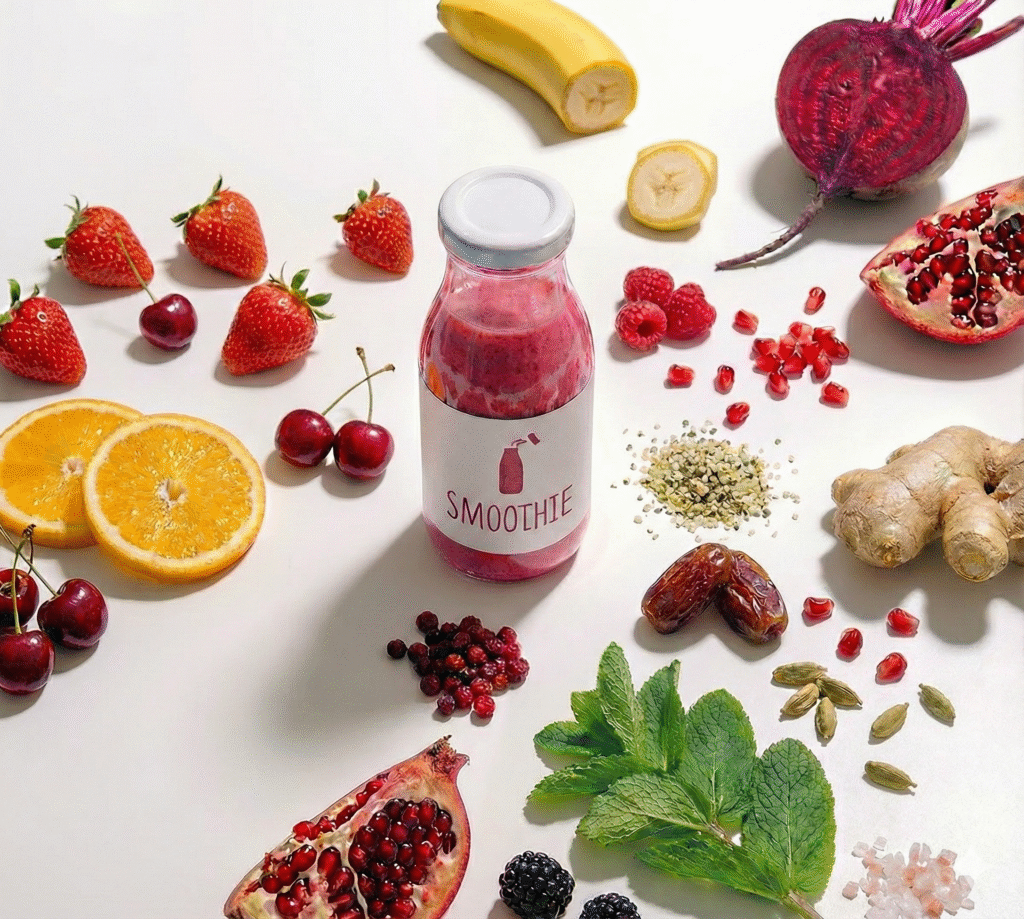
In the juice below, we combine pomegranate with red cabbage and pineapple, which together provide a dose of vitamin C. The beet juice provides an earthy undertone and contributes to the beautiful purple-pink color.

Supplies for a 1-person juice

  • 3 handfuls of red cabbage
  • 1 red beet
  • 2 slices of pineapple
  • 1/2 pomegranate

Preparation

  1. Remove the outer leaves of the red cabbage. Cut the rest of the red cabbage and juice in the juicer.
  2. Scrub and wash the beet thoroughly, cut into wedges and juice in the juicer.
  3. Sapje the pineapple slices with peel and all in the juicer.
  4. Juice the pomegranate without the hard skin but with the white rim in the juicer.

Pomegranate juice with white cabbage and grapes

In this pomegranate juice recipe, we combine this healthy fruit with white cabbage for a hearty dose of vitamin C. The carrot makes this juice nice and creamy, while the white grapes soften the flavor. The ginger provides a spicy twist and you can also benefit from the health benefits of ginger!

  • 1 handful of white cabbage
  • 1 carrot
  • 1/2 pomegranate
  • 10 white grapes
  • 1 scoop of fresh ginger

Preparation

  1. Remove the outer leaves of the white cabbage. Cut the rest of the white cabbage and juice in the juicer.
  2. Remove the ends of the carrot, cut the carrot into small pieces and juice them in the juicer.
  3. Juice the pomegranate without the hard skin but with the white rim in the juicer.
  4. Sapje the grapes with stone and all in the juicer.
  5. Sapje the ginger with peel and all in the juicer.

Avocado smoothie full of antioxidants

When you think of antioxidants, you probably think of avocado. Rich in vitamin E, it also contains many other healthy nutrients, including antioxidants such as copper and vitamin B2. Avocado is 30% unsaturated fat, which makes it more suitable for a smoothie than a juice. In the smoothie recipe below, we add spinach and sunflower seeds, among others, to boost its vitamin E content a bit more.

Sunflower seeds also contain copper, selenium and zinc, giving you a nice variety of antioxidants. To liquefy the smoothie, we use almond milk. You can buy that or make your own, depending on how much time you have. Almonds are also rich in antioxidants such as vitamin E and copper. With lime, we make this smoothie nice and fresh and also add vitamin C. The banana provides a sweet undertone and extra creamy texture. You can also use this smoothie for breakfast if necessary.

Supplies

  • ½ avocado
  • ½ banana
  • juice of half a lime
  • 100 grams of washed spinach
  • handful of sunflower seeds
  • 200 ml almond milk
  • 1 teaspoon (manuka) honey

Preparation

  1. Cut the avocado into two halves and remove one half by turning it a quarter turn. Scoop the flesh loose from the skin and put it in your blender.
  2. Peel the banana, cut it in half and put one part in your blender.
  3. Squeeze half a lime and add the juice to the mixture.
  4. Add the spinach, sunflower seeds and honey.
  5. Pour in the almond milk and blend until evenly smooth. If necessary, add more almond milk if the smoothie has become too thick. Add more honey if necessary for a sweeter taste.

Discover our top 10 healthy smoothie recipes here

Prefer to order juices?

Want to enjoy the health benefits of juices with antioxidants, but don’t have time to make them yourself? Then order them easily and quickly at Sapje. A wide variety of berries can be found, for example, in our Antioxidant shot. This also contains pomegranate and cranberry, among others. Antioxidant bombs can also be found in our ginger shot and Ron’s juice.

Pomegranate is also in the Hydrate and Recover juices, among others. Our Protein Smoothie has avocado in its base. With these juices, shots and smoothies, you still get a whole range of antioxidants. Because we freeze them immediately after preparation, they are preserved naturally. All you have to do is thaw them and drink them. Try it now!

Resources

Dutch Nutrient Database (NEVO) | RIVM. (s.d.). https://nevo-online.rivm.nl/

7 tips to sleep better

Do you ever lie tossing and turning in your bed? Or wake up tired in the morning? Then you’re not the only one. Many people experience problems sleeping. But did you know that there are several things you can do to improve your sleep? In this blog we give you practical tips that you can apply to sleep better and wake up rested in the morning.

Why is sleep important?

You probably recognize it. After a night of poor sleep, you feel less energetic, are more irritable and concentrate a lot harder. Good sleep is crucial for your body to function optimally. Sleep not only helps you get through the day full of energy, but is also important for such things as your immune system, memory function, regulation of emotions and recovery of your tissues and muscles. An adult person needs about 7-9 hours of sleep per night(1). But not only is the amount of sleep important, so is the quality. The tips below can help you boost your sleep.

Tip 1: Provide a pleasant sleeping environment

A good night’s sleep starts with a nice sleeping environment. By making your bedroom as comfortable as possible, you ensure that external factors cannot affect your sleep. This starts with a good bed, with a comfortable mattress and nice pillow that suits your body and sleeping position. Also make sure your room is cool and dark enough, for example by using blackout curtains or a sleeping mask. Noise pollution can also hinder your sleep. If you sleep in a noisy environment, consider using earplugs. In summary, then, you can pay attention to the following points:

  • Comfortable bed
  • Pleasant temperature (between 16 and 20 degrees Celsius)
  • Dark Room
  • Avoid noise
  • Soothing decor

Tip 2: Create a sleep routine

Make sure you go to bed around the same time every night and get up around the same time in the morning, including weekends. This helps your body develop a regular sleep-wake rhythm. An irregular sleep pattern has been associated with reduced sleep quality in several studies(2,3).

Tip 3: Relax before sleeping

In the hour before you go to sleep, try to prepare for the night. For example, take a warm bath, read a book or do a meditation exercise(4,5,6). This way, your body and brain can settle down before you go to sleep. Especially during busy and stressful periods, this can potentially improve the quality of your sleep and ensure that you wake up more rested.

Image 2 2 scaled

Tip 4: No screens before sleeping

When your eyes are exposed to a lot of light at night, it can negatively affect your sleep. This is because light can reset your internal biological (circadian) clock and inhibit the release of the sleep hormone melatonin(7, 8). This makes you less likely to fall asleep and the quality of your sleep is lower. In particular, blue light with a wavelength between 450 and 480 nm has this effect. The screens of our phones, laptops, tablets and TVs, for example, emit relatively large amounts of this blue light. Therefore, try to use as few screens as possible in the hours before you go to sleep.

There is evidence that using special blue-light-blocking glasses with orange lenses can reduce blue light exposure(9). Also, devices often have a night mode that you can turn on so that the screen emits less blue light. Still, the best advice remains not to use screens at all before sleeping. Other light intensities may have less impact than blue light, but they still affect your sleep. In addition, using screens often causes a lot of brain activity, which doesn’t help your sleep either.

Tip 5: Eat healthy and varied meals

What you eat also affects your sleep. In short, those who eat healthy sleep better. In addition, there are a number of specific things you can pay attention to in order to support your sleep:

Provide a good structure. An irregular eating pattern is linked to decreased sleep quality. Nutrition plays an important role in the regulation of your biological clock(10). A good structure helps your body determine when it is time to go to sleep.

Eat enough. Eating too much, as well as too little, can negatively affect your sleep quality. Make sure you listen to your body and eat when you are hungry.

Eat plenty of carbohydrates. A diet high in carbohydrates seems to help you fall asleep faster(11). However, it is important to make sure you choose enough carbohydrate sources throughout the day that are high in healthy nutrients, such as whole grain pasta, brown rice and potatoes.

Eat plenty of protein. A high protein intake can possibly also contribute to your sleep quality(12). Protein can be found, for example, in fish, meat, egg, legumes, tofu and nuts.

Eat plenty of fruits and vegetables. Fruits and vegetables are full of important vitamins and minerals that help your body stay healthy and fit. Vitamins C and B11 and the minerals iron and magnesium also help reduce fatigue.

Tip: Do you struggle to eat enough fruits and vegetables daily? Then our vegetable juices, including our red beet juice, are really for you. Also check out our ginger shots, such as our ginger shot, or our smoothies and soups. In fact, these are packed with fresh organic fruits and vegetables. After preparation, they are immediately frozen in the shock freezer to ensure optimal preservation of the healthy nutrients.

Image 3 2 scaled

Tip 6: No caffeine before sleeping

Caffeine can make you less likely to fall asleep and lower the quality of your sleep(13). Coffee is the main source of caffeine, but other drinks such as cola and energy drinks also contain caffeine. And did you know that chocolate, for example, also contains some caffeine? On average, it takes about 5 hours for your body to process half the amount of caffeine. But this varies a lot from person to person. Do you notice that you feel a lot of effects from caffeine? Try not to take any more caffeine after 12:00 noon. This way you make sure your body has processed all the caffeine before you go to sleep.

Tip 7: Enjoy exercise and getting outside

Exercise and time spent outside daily also seem to influence our sleep. Several studies show a positive relationship between regular exercise and physical activity and the quality of your sleep(14). Being outside during the day may be beneficial to your biological clock(15). Exposure to daylight contributes to your sleep-wake rhythm. So go for a walk on your lunch break or meet up with a friend on the tennis court.

Image 4 1 scaled

Resources

  1. Mukherjee, S., Patel, S. R., Kales, S. N., Ayas, N. T., Strohl, K. P., Gozal, D., & Malhotra, A. (2015). An official American Thoracic Society statement: the importance of healthy sleep. Recommendations and future priorities. American journal of respiratory and critical care medicine, 191(12), 1450-1458. https://www.ncbi.nlm.nih.gov/pmc/articles/PMC5442970/
  2. Taub, J. M. (1978). Behavioral and psychophysiological correlates of irregularity in chronic sleep routines. Biological psychology, 7(1-2), 37-53. https://www.sciencedirect.com/science/article/abs/pii/0301051178900418?via%3Dihub
  3. Phillips, A. J., Clerx, W. M., O’Brien, C. S., Sano, A., Barger, L. K., Picard, R. W., … & Czeisler, C. A. (2017). Irregular sleep/wake patterns are associated with poorer academic performance and delayed circadian and sleep/wake timing. Scientific reports, 7(1), 3216. https://www.nature.com/articles/s41598-017-03171-4
  4. Haghayegh, S., Khoshnevis, S., Smolensky, M. H., Diller, K. R., & Castriotta, R. J. (2019). Before-bedtime passive body heating by warm shower or bath to improve sleep: A systematic review and meta-analysis. Sleep medicine reviews, 46, 124-135. https://www.sciencedirect.com/science/article/abs/pii/S1087079218301552?via%3Dihub
  5. Finucane, E., O’Brien, A., Treweek, S., Newell, J., Das, K., Chapman, S., … & Devane, D. (2021). Does reading a book in bed make a difference to sleep in comparison to not reading a book in bed? The People’s Trial-an online, pragmatic, randomized trial. Trials, 22, 1-13. https://trialsjournal.biomedcentral.com/articles/10.1186/s13063-021-05831-3
  6. Rusch, H. L., Rosario, M., Levison, L. M., Olivera, A., Livingston, W. S., Wu, T., & Gill, J. M. (2019). The effect of mindfulness meditation on sleep quality: a systematic review and meta-analysis of randomized controlled trials. Annals of the New York Academy of Sciences, 1445(1), 5-16. https://nyaspubs.onlinelibrary.wiley.com/doi/10.1111/nyas.13996
  7. Caddick, Z. A., Gregory, K., Arsintescu, L., & Flynn-Evans, E. E. (2018). A review of the environmental parameters necessary for an optimal sleep environment. Building and Environment, 132, 11-20 . https://www.sciencedirect.com/science/article/abs/pii/S0360132318300325#:~:text=Complete%20darkness%20is%20optimal%20for,improving%20sleep%20quality%20at%20altitude.
  8. Tähkämö, L., Partonen, T., & Pesonen, A. K. (2019). Systematic review of light exposure impact on human circadian rhythm. Chronobiology international, 36(2), 151-170. https://www.tandfonline.com/doi/full/10.1080/07420528.2018.1527773
  9. Van der Lely, S., Frey, S., Garbazza, C., Wirz-Justice, A., Jenni, O. G., Steiner, R., … & Schmidt, C. (2015). Blue blocker glasses as a countermeasure for alerting effects of evening light-emitting diode screen exposure in male teenagers. Journal of Adolescent Health, 56(1), 113-119. https://www.jahonline.org/article/S1054-139X(14)00324-3/fulltext
  10. Tahara, Y., & Shibata, S. (2014). Chrono-biology, chrono-pharmacology, and chrono-nutrition. Journal of pharmacological sciences, 124(3), 320-335.
  11. St-Onge, M. P., Mikic, A., & Pietrolungo, C. E. (2016). Effects of diet on sleep quality. Advances in nutrition, 7(5), 938-949. https://www.jstage.jst.go.jp/article/jphs/124/3/124_13R06CR/_article
  12. Halson, S. L. (2014). Sleep in elite athletes and nutritional interventions to enhance sleep. Sports Medicine, 44(Suppl 1), 13-23. https://link.springer.com/article/10.1007/s40279-014-0147-0
  13. Clark, I., & Landolt, H. P. (2017). Coffee, caffeine, and sleep: A systematic review of epidemiological studies and randomized controlled trials. Sleep medicine reviews, 31, 70-78. https://www.sciencedirect.com/science/article/abs/pii/S1087079216000150?via%3Dihub
  14. Kredlow, M. A., Capozzoli, M. C., Hearon, B. A., Calkins, A. W., & Otto, M. W. (2015). The effects of physical activity on sleep: a meta-analytic review. Journal of behavioral medicine, 38, 427-449. https://pubmed.ncbi.nlm.nih.gov/25596964/
  15. Murray, K., Godbole, S., Natarajan, L., Full, K., Hipp, J. A., Glanz, K., … & Kerr, J. (2017). The relations between sleep, time of physical activity, and time outdoors among adult women. PloS one, 12(9), e0182013. https://journals.plos.org/plosone/article?id=10.1371/journal.pone.0182013

The tastiest and healthiest summer vegetables

Now that spring is in full swing, it’s time to look forward to summer vegetables from Dutch soil. Discover the 5 tastiest and healthiest summer vegetables; how they do it in your garden, on your plate and in your body.

Cauliflower is a great summer vegetable full of vitamins

Cauliflower belongs to the cruciferous family, just like broccoli, radish and arugula, for example. Its botanical name is Brassica oleracea convar. Botrytis var. botrytis. The white “florets” we usually eat from cauliflower are actually flower buds that have not yet fully developed into a flower. The classic cauliflower has whitish flower buds, but there is also orange, purple and green cauliflower.

Image 11 1 scaled

Cauliflower in your garden

Cauliflower is a vegetable that can be grown in various ways and harvested at various times. If you want to grow your own cauliflower in your garden, summer growing is a good option. With a little luck and skill, you can then harvest cauliflower between June and August. Cauliflower does not seem to be the easiest summer vegetable to grow yourself, so you can also buy them; fresh or frozen. Cauliflower does not last very long, but in the freezer it does, and even in this form you can still benefit from the healthy nutrients cauliflower contains.

Cauliflower on your plate

Cauliflower did not have such a good image for a long time; perhaps because we used to eat it cooked into mush too often, whether or not cloaked in a cloud of nutmeg. Lately, cauliflower has become somewhat hip again, and rightly so. Thanks to its firm texture and neutral flavor, cauliflower is suitable for many different dishes. Eat it boiled or steamed Dutch style with potatoes, or turn it into a delicious curry with coconut milk and cardamom, for example. Do you want to eat few carbohydrates? Then grate the firm stalk into ‘cauliflower rice’. Cauliflower is also popular these days as a gluten-free alternative to pizza crust. You can also deliciously roast sliced cauliflower in the oven with a little oil and possibly some seasonings, such as herbs and spices. Finally, cauliflower is also a wonderful base for a creamy soup.

Cauliflower for your health

Cauliflower contains a nice variety of vitamins and minerals, but is most rich in vitamin C. In addition, cauliflower is a source of vitamin K and vitamin B11, broken down into folate and folic acid. Vitamin C supports your health in many different ways, including being important for your blood vessels, your skeleton and building cartilage. Vitamin C is also important for maintaining healthy skin. As an antioxidant, vitamin C also helps protect your cells from oxidative damage. Vitamin K helps maintain strong bones and supports blood clotting. Among other things, folate supports your immune system, contributes extra energy to fatigue and is good for mood.

Tomato is a summer vegetable full of antioxidants

Tomato is a summer vegetable par excellence, which botanically is actually counted among the fruits. This is because it contains seeds and grows on a plant (Solanum lycopersicum) that flowers. This plant belongs to the nightshade genus, just like potatoes and eggplants, for example. The plant itself is quite poisonous, but the fruits are actually very healthy, although some people are hypersensitive to it.

Image 12 1 scaled

Tomatoes in your garden

Tomatoes are initially often seen in greenhouses and conservatories, but with a little help they can also grow in your garden. You often have to sow the seeds first (around March) in pots, let them germinate inside and only later (from mid-May approximately) put the plants outside in larger pots, or plant them in the open ground. Tomatoes need plenty of light and fertile soil. In addition, they can be susceptible to diseases. Not the easiest plant to grow yourself, but a very nice one, with tasty fruits!

Tomatoes on your plate

We probably don’t have to tell you much about the tomato. This beautiful red fruit/summer vegetable has countless uses and is found in all sorts of different cuisines. In summer, for example, it shines in a delicious gazpacho, or in a colorful salad. As a sauce or sliced, it is perfect for pizza, pasta and curries, as well as, for example, in moussaka or shakshuka. Finally, tomato juice is a great healthy drink on a summer day.

Tomato for your health

Tomato is a good source of the antioxidant vitamin C and also rich in the antioxidant copper. Both of these nutrients help protect your cells from oxidative damage. In addition, they have a positive impact on the immune system in general and support energy levels. Both antioxidants are also important for healthy skin. Copper helps keep the skin’s connective tissue supple, while vitamin C contributes to the formation of collagen, which helps to strengthen your skin (from the inside out). Copper also contributes to normal hair pigmentation.

Fennel is healthy and low in calories

Fennel (Foeniculum vulgare) belongs to the umbellifer family and exists as leaf fennel and tuberous fennel. Originally, fennel is native to the Mediterranean region. We eat the tuber of celeriac (Foeniculum vulgare Azoricum group) as a vegetable, and of leaf fennel we use the foliage as a herb and the seeds as a spice. The different parts of fennel have a sweet, anise-like flavor. Fennel seeds are used for various medicinal purposes as part of alternative medicine.

Fennel in your garden

Fennel does well in Dutch gardens. You can sow fennel in the spring and harvest it in the summer, or sow it in the summer and harvest it in the fall. You can sow fennel in the garden or in pots or containers (on a balcony). These should be large enough to allow the fennel to grow in height. Usually you can harvest the tubers when they are about 10 centimeters. You then cut them off a little above the tuber. They only stay good for a few days, so eat them quickly! By the way, the foliage is also edible.

Fennel on your plate

Fennel is a delicious aromatic vegetable that can be prepared in a variety of ways. The tubers do great in an oven dish with goat cheese, for example. Fennel is also great for roasting. But also raw fennel is very tasty and healthy. Soften it by soaking it in olive oil and lemon, for example. Slice or grate it finely to use in a salad, for example, together with carrots. The foliage can be mixed with it, or is delicious in a jug of water or tea.

Fennel for your health

Fennel contains several nutrients that support your health. For example, fennel is a source of iron and vitamin B1 (thiamine). Both of these substances play a role in your energy metabolism. They help release energy from fat, carbohydrates and protein. Iron is therefore good for fatigue and helps maintain a clear mind. Vitamin B1 is beneficial for good mental balance and helps ensure proper functioning of the nervous system. The beauty of fennel is that it is low in calories. With 100 grams of fennel you get only 40 kilocalories. Reason enough, then, to put fennel on the menu more often!

Carrots are healthy summer vegetables full of vitamin A

The carrot is a versatile vegetable that you can harvest in different seasons, depending on the variety. The thinner, orange carrot that you can harvest in the summer is a descendant of the white, wild carrot (Daucus carota) and belongs to the umbellifer family. By the way, white carrots are still common. You also increasingly see carrots in colors such as yellow and purple.

Image 13 1 scaled

Roots in your garden

In the Netherlands, people grow carrots on a large scale, both in the agricultural sector and in private vegetable gardens. You can grow carrots in the ground, but also in containers in your garden or even on your balcony. If you sow them early in the year, say in January, it is possible that they will flower in the same year. If you take good care of them and make sure your plants have enough space, then with a little luck you can eat your homegrown carrots that same year! Fun fact: the green foliage of your carrots is also edible! It is a good source of vitamins and minerals, such as vitamin K, and delicious in soup or pesto, for example.

Carrots on your plate

There are, of course, countless ways to eat carrots. Raw on the go, sliced as a healthy snack with a yogurt sauce, cooked whole and short, or chopped in soups and sauces, for example. Due to their sweet undertone, carrots can also be used very well to make cookies and cake, for example. Who wouldn’t fall for a delicious carrot cake with nuts? Finally, let’s not forget carrot juice, which is also an excellent way to enjoy the health benefits of carrots!

Carrots for your health

Since the colors of fruits and vegetables are also related to the nutrients they contain, we will focus for now on orange carrots and carrots. The orange color of carrots is caused by so-called carotenoids, especially beta-carotene. Beta-carotene can be converted to vitamin A in your body, supporting your health in a variety of ways. Vitamin A is good for your eyesight. This vitamin helps you continue to see normally in the dark. Vitamin A also supports the condition of your eyes. In addition, vitamin A helps keep your skin healthy by supporting your skin’s repairing ability. In addition, vitamin A helps maintain good iron levels in the blood.

Zucchini is a source of vitamin C and iron

Zucchini graces many a vegetable garden in the summer. The zucchini is therefore very easy to grow. In the Dutch open ground it is best grown in June, July, August and September. This summer vegetable belongs to the Cucurbitaceae and is actually considered in botanical circles to be a fruit, just like tomatoes and cucumbers. That the zucchini is related to the cucumber may not surprise you, but did you know that melons and squashes are also related to zucchini? In the bulbous zucchini, which has become increasingly popular in recent years, you can see that kinship a little better.

Zucchini in your garden

A mature zucchini plant has large, green leaves and striking yellow flowers. These are also edible, by the way, and ideal for brightening up your salad, for example! If you have ever had zucchini in your vegetable garden, you know that they can grow quite large; much larger than you usually find them in the supermarket. But if you have ever sunk your teeth into one of those zucchini the size of a baseball bat, you know that it has very little flavor. Therefore, the zucchini is usually harvested before it is fully grown.

Zucchini on your plate

Even with a smaller zucchini, the flavor is quite neutral and subtle, which makes this summer vegetable very easy to combine. You see it in all kinds of dishes, from Italian to Middle Eastern or Asian. Often brief stir-frying is a good way to prepare zucchini. People who like raw food also use the versatile zucchini as an alternative to pasta. Chop or grate it, add some lemon juice, salt and olive oil, and discover how delicious it can be. Thinly sliced zucchini also do very well as a substitute for lasagna sheets. Give it a try!

Zucchini for your health

If the taste and versatility of zucchini are not already a reason to regularly put this summer vegetable on the table, perhaps its nutritional value is the decisive argument. This is because zucchini is rich in iron, and also a source of vitamin C. Per 100 grams of zucchini, you get more than 30% of the recommended daily allowance of iron and 20% of your RDA of vitamin C. The nice thing is that vitamin C promotes the absorption of iron from food.

Try these tasty summer vegetables in a juice or soup!

Is the weather nice outside and you don’t feel like spending a long time in the kitchen? Still want to take advantage of the delicious flavors and health benefits of these 5 summer vegetables? Then try them in the form of a juice or soup. Cauliflower is not so suitable for juicing, but it does an excellent job as a base for a creamy soup! You can enrich the neutral taste with fresh herbs and spices. No time to make your own cauliflower soup? Then order our delicious homemade cauliflower soup! Tomato features in our Power juice, as well as in our tomato soup and bell pepper soup. Fennel shines in the juices Fuel, Hydrate and Boost, among others. Carrot can be found in our Fresh and Sunny juices, as well as in our healthy pumpkin soup. Zucchini does not juice very well, but it is a perfect basic ingredient for a soft green juice! Try our homemade zucchini soup! Both our juices and soups are frozen immediately after preparation. All you have to do is thaw them to enjoy a super healthy juice or soup that tastes deliciously fresh. Keep that summer coming!

Resources

Dutch Nutrient Database (NEVO).

Inspection Council

Wikipedia

5 reasons why it’s healthy to walk in spring

The dark winter is almost over and spring is just around the corner. That means warmer weather and more hours of daylight each day. Time to go for a nice walk! Here are 5 reasons why it’s healthy to walk in spring.

The benefits of a spring walk

Many people eagerly await the first signs of spring in winter. They count the minutes of daylight that increase each day and scour the barren winter ground for the first green sprigs of snowdrops and crocuses. Especially if you have (suffered) from a winter dip, you can embrace the first signs of spring with a sigh of relief. Most people feel themselves coming back to life a bit in spring, as does much of nature. But spring also has its own challenges: for example, some people experience sleep problems due to the shift in rhythm. Others, on the contrary, suffer from spring fatigue, which makes them sleepy and low on energy and motivation. Some people also suffer from concentration problems in spring. In this article, we cover 5 reasons why going for regular walks in spring can ensure that you get through spring fit and healthy!

1. Walking in spring stimulates blood flow

Good blood flow is essential for a healthy body and a well-functioning mind. If your blood flow is not optimal, your body cells receive less oxygen and nutrients than they need to function properly. If you suffer from poor blood flow, you may experience cold and tingly limbs, sometimes turning a little blue. Poor circulation can also be a cause of dry skin, brittle nails and hair loss. Your heart, muscles and blood vessels together are responsible for your blood circulation. Walking is one activity that supports all these parts of your body. According to the Heart Foundation, for example, sufficient exercise can reduce your risk of cardiovascular disease by 20-30%(1). Walking is a low-threshold form of exercise; you can do it almost anytime, anywhere and it costs nothing. Often, walking for half an hour a day is already a very good start to boost your blood flow. Try walking briskly so that your heart rate speeds up a bit and more oxygen can get to your muscles, cells and tissues. This will also give you more energy and benefit your brain as well. Research shows that regular walking also increases blood flow to your brain(2). So you’ll soon feel fitter and clearer when you walk in the spring, especially if you suffer from springtime fatigue. So quickly step over that threshold and get out into the fresh air!

2. A spring walk gets you vitamin D

Because sunlight is important in the production of vitamin D in our bodies, some people suffer from vitamin D deficiency during or just after a dark winter. Among other things, this can cause you to feel somewhat lethargic and tired. So with the sun shining longer and longer in the spring, it is wise to take a walk in the daylight. Even on cloudy spring days, you can get a big boost from this. Your vitamin D levels may increase a bit again and your body will slowly come out of winter mode.

Image 19 scaled

3. A spring walk is good for your mood

Feeling a bit gloomy and not feeling like doing anything? Then get over your reluctance and go for a half-hour walk outside! Several studies show that walking can have a positive effect on depression, bad mood and anxiety problems(3). Walking could even counteract your tendency to withdraw and boost your self-confidence. For example, walking helps distract you from your negative thoughts and focus your attention on your surroundings, thus counteracting brooding. It also provides a sense of space and clarity in your mind. Moreover, walking can promote the production of endorphins in your body, which is also beneficial to your mood. Can’t manage to walk for half an hour at a time? Then try walking for 10 minutes three times a day. One study suggests that even ten minutes of brisk walking does wonders for your mood(4).

4. Walking in the spring helps you sleep better

In spring, the days get longer and the nights get shorter. All of nature also seems to wake up, which makes some people restless and have trouble sleeping. Walking is a good remedy for sleep problems, according to research(5). Participants in studies experienced improvements in the quality of their sleep, and sometimes they also slept longer. The researchers do not know exactly what causes the positive effects of daily walking on sleep. They may be due to the influence that walking in daylight has on your biological clock, which also affects your sleep-wake rhythm. It may also be due to the positive impact of walking on your mood: being less bothered by stress and negative thoughts is often conducive to sleep as well.

Image 20 scaled

5. A spring walk supports your resistance

Most people associate the winter months with being sick, and that’s not surprising. Because we spend a lot of time indoors in winter, we can also more easily infect each other with all kinds of viruses. But even in spring there are still plenty of flu and colds going around. A study suggests that walking may be able to support your immunity and make you less susceptible. A study that followed 1,000 participants during flu season(6) showed that those who walked 30 to 45 minutes a day had more than 40 percent fewer sick days compared with people who exercised physically less than 1 day a week, and overall the walkers also had fewer respiratory infections. When they did get sick, their symptoms tended to be less severe.

Will you also go hiking more often in spring?

After reading this article, did you get motivated to walk at least 30 minutes every day to support your health? Then the following tips will help you better maintain this good habit, even if spring has already passed. Because let’s face it: walking is actually always a gift to your body and mind, no matter what season it is!

  • Invest in good shoes with proper support for your heels and a good footbed so that you walk comfortably and avoid blisters and other foot problems.
  • Wear flexible clothing in which you feel comfortable and have adequate freedom of movement.
  • Walk preferably in a natural environment, or else on quiet footpaths, so that you can actually relax during your walk.
  • Choose the right sun protection for your skin. The spring sun can already be quite bright for your white winter skin.
  • If necessary, make walking a social activity so that you can more easily keep it up and let others enjoy the benefits of walking as well. For example, make walking appointments with friends, family members or colleagues, or walk your children to school.
  • Make sure you replenish fluids, minerals and other nutrients in time. You can do this, of course, with our delicious red beet juice, celery juice or pineapple juice.

That way you can easily make walking part of your daily routine and enjoy that beautiful spring to the fullest!

Resources

  1. Moving. (s.d.). Heart Foundation. https://www.hartstichting.nl/gezond-leven/bewegen
  2. How walking benefits the brain: Researchers show that foot’s impact helps control, increase the amount of blood sent to the brain. (2017, April 17). ScienceDaily. https://www.sciencedaily.com/releases/2017/04/170424141340.htm
  3. Sharma, A., Madaan, V., & Petty, F. (2006). Exercise for Mental Health. Primary care companion to the Journal of clinical psychiatry, 08(02), 106. https://doi.org/10.4088/pcc.v08n0208a
  4. Edwards, M. K., & Loprinzi, P. D. (2018). Experimental effects of brief, single bouts of walking and meditation on mood profile in young adults. Health promotion perspectives, 8(3), 171-178. https://doi.org/10.15171/hpp.2018.23
  5. Gillihan, S. J. (2019, Oct. 19). Want to Sleep Better? Go for a Walk. https://www.psychologytoday.com/intl/blog/think-act-be/201910/want-sleep-better-go-walk
  6. Nieman, D. C., Henson, D. A., Austin, M. D., & Sha, W. (2011). Upper respiratory tract infection is reduced in physically fit and active adults. British Journal of Sports Medicine, 45(12), 987-992. https://doi.org/10.1136/bjsm.2010.077875

Support your metabolism

Metabolism, you’ve probably heard of it. But what is it really? And is it important? In this blog we tell you everything you need to know about your metabolism and explain how you can optimally support your metabolism.

What is your metabolism anyway?

Your metabolism or metabolism, in short, is the process by which your body converts nutrients into building materials and energy. These building materials and energy are then used for all the important biological processes in your body, such as your breathing, blood circulation, tissue growth and exercise. Proper metabolism is essential for the optimal functioning of your body and the maintenance of good health.

There are many factors that play a role in how your metabolism works, including predisposition, age and gender, as well as your lifestyle. By living healthy, you can support your metabolism. The tips below can help you do this.

Tip 1: Drink enough

Fluid is important in the absorption of nutrients in your gut and the transport of nutrients and waste products through your body(1). Therefore, to provide proper support for your metabolism, it is important that you get enough water daily. The general recommendation is to drink 1.5 to 2 liters per day(1). However, this can vary depending on factors such as age, body temperature and activity level. A useful way to check if you are drinking enough is to monitor the color of your urine. Normally, it is light yellow to translucent. Is your urine dark yellow or orange? If so, this may be a sign that you have not been drinking enough.

Image 9 scaled

Tip 2: Eat regularly

There is evidence that an irregular eating pattern is unfavorable for your cardio-metabolic health(2). Among other things, an irregular eating pattern is associated with higher BMI and blood pressure (2). One possible explanation is that irregular eating disrupts the functioning of your internal biological clock (also called circadian clock). This biological clock is involved in the course of many different important processes in your body, including your energy metabolism. So by keeping the same eating times every day, you may be able to give your metabolism a helping hand.

It is not yet clear whether it also matters how often and when you eat in a day. More research is needed to give sound advice on this.

Tip 3: Get enough sleep

The amount and quality of your sleep are also likely to affect your metabolism(3,4). Poor sleep is associated with impaired glucose metabolism and reduced insulin sensitivity, which can contribute to weight gain, obesity and type 2 diabetes(4). Adults need 7-9 hours of sleep per night. Do you have trouble sleeping? If so, the following tips may help you:

  • Try to go to bed and get up around the same time every day
  • Ensure good sleep hygiene (nice bed, pleasant temperature, no noise, etc.)
  • Do not drink coffee or other beverages containing caffeine in the evening
  • From at least one hour before you go to sleep, do not use screens (phone, laptop, etc.)
  • Don’t take naps during the day
  • Do something relaxing before going to sleep, such as reading a book or taking a bath
  • Try to limit the use of alcohol
Image 10 scaled

Tip 4: Play sports and exercise

Regular exercise can support your metabolism in several ways. For example, it can improve sensitivity to insulin, allowing your body to handle carbohydrates and sugars in your blood more efficiently(5). In addition, strength sports can cause you to build more muscle mass. Because muscle tissue requires more energy than fat mass, muscle mass causes you to consume more energy throughout the day, making your metabolism work harder. This can help prevent metabolic diseases, such as obesity and type 2 diabetes.

It is also important for your muscles to get enough protein. Our healthy Protein smoothie contains a whopping 19 grams of protein per bottle and is ideal to take around exercise.

Tip 5: Eat plenty of fruits and vegetables

That a healthy diet is important for a healthy metabolism probably comes as no surprise. By providing your body with the right nutrients and sufficient energy, you can support your metabolism. Several vitamins and minerals are also important for your metabolism, including vitamins B1, B2, B3, B6 and C and the minerals iron, magnesium and copper. They help release energy from your food and play a role in the activity of certain enzymes involved in your energy metabolism.

Also if you are going to snack make sure you snack healthy! Read all our tips & tricks on healthy snacking here.

Fruits and vegetables contain many of these vitamins and minerals. Yet many people still fail to eat the daily recommended intake of 250 grams of vegetables and 2 servings of fruit(6,7). At Sapje, we have a wide range of healthy products that can help you! Consider our vegetable juices, such as red beet juice, tomato juice, celery juice and carrot juice. We also have shots, such as our ginger shot. We also have smoothies and soups, which can help you get lots of vitamins and minerals from fruits and vegetables in an easy way to support your metabolism. Take a quick look at our assortment!

Image 11

Tip #6: Chew well!

Proper chewing helps your digestive system release nutrients from your food. This way, more nutrients can be extracted from your food, which can then be converted by your metabolism into building materials and energy.

Conclusion

The tips listed above are all important parts of a healthy lifestyle. Miracle drugs to “speed up” or “boost” your metabolism do not exist. By eating healthy, getting enough exercise and sleeping well, you ensure that you give your metabolism the best support!

Resources

  1. Nutrition Center (year unknown), Moisture and drinking. Accessed April 11, 2023. https://www.voedingscentrum.nl/encyclopedie/vocht.aspx
  2. Pot, G. K., Almoosawi, S., & Stephen, A. M. (2016). Meal irregularity and cardiometabolic consequences: results from observational and intervention studies. Proceedings of the Nutrition Society, 75(4), 475-486. https://pubmed.ncbi.nlm.nih.gov/27327128/
  3. Leproult, R., & Van Cauter, E. (2010). Role of sleep and sleep loss in hormonal release and metabolism. Pediatric Neuroendocrinology, 17, 11-21. https://pubmed.ncbi.nlm.nih.gov/19955752/
  4. Depner, C. M., Stothard, E. R., & Wright, K. P. (2014). Metabolic consequences of sleep and circadian disorders. Current diabetes reports, 14(7), 1-9. https://pubmed.ncbi.nlm.nih.gov/24816752/
  5. Bird, S. R., & Hawley, J. A. (2017). Update on the effects of physical activity on insulin sensitivity in humans. BMJ open sport & exercise medicine, 2(1), e000143. https://pubmed.ncbi.nlm.nih.gov/28879026/
  6. Nutrition Center (year unknown), Vegetables. Accessed April 11, 2023. https://www.voedingscentrum.nl/encyclopedie/groente
  7. Nutrition Center (year unknown), Fruit. Accessed April 11, 2023. https://www.voedingscentrum.nl/encyclopedie/fruit

Support your metabolism Support your metabolism