In the seventh century BC, green cabbage was brought to Europe by itinerant Celts. In ancient Greece and ancient Rome, cabbage was already valued as a vegetable. Here it was considered a highly valued universal food source. From the Roman expansion, green cabbage probably spread throughout Europe. This vegetable was incorporated into their menu by other peoples. The green cabbage has been known for its healthy properties for several centuries. We explain to you the healthy workings of the green cabbage.
Nutritional value in green cabbage
What healthy vitamins and minerals are in green cabbage? Cabbage contains quite a lot of vitamins; almost all of them, in fact! Only in large numbers does cabbage contain vitamin K (as much as 346% of the recommended daily allowance per 100 grams), vitamin C, vitamin B11 (folic acid) and thiamine or vitamin B1. The other vitamins are present to a much lesser extent in green cabbage. But all in all, green cabbage thus contains a lot of substances to give your health extra support!
The health benefits
The green cabbage contains (very) many antioxidants. Even more than related cabbages such as red cabbage and Chinese cabbage, for example. Due to its high content of vitamin C, green cabbage can target free radicals, helping to protect your body from damage. Vitamin C and folic acid from green cabbage also have a positive impact on your immune system, helping to ensure good immunity. In addition, vitamin B1 is good for your heart and supports your energy metabolism.
Cabbage also contains the substance sinigrin. This is one of the glucosinolates that can also provide a slightly bitter taste.
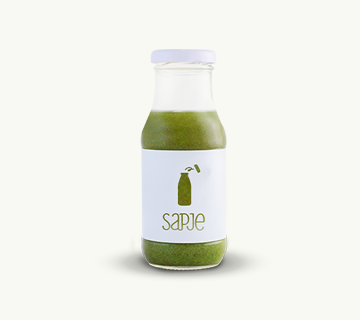
Sapje and the green cabbage
With its high antioxidant content, green cabbage helps protect your body from outside influences and provides additional support to your immune system. This all-encompassing superfood is not only delicious in dishes: it’s also good for you!