The 5 key benefits of using a slow juicer
Freshly squeezed vegetable juice is an outright health craze. That’s for good reason: drinking organic vegetable juices is a great way to get lots of healthy nutrients quickly and easily. Chances are you already knew about this. But what you may not have known is that the way the vegetable juice is squeezed has a lot of influence on the nutritional value of the juice. After extensive testing with different methods, we have determined that you prepare the richest, best and tastiest vegetable juice with a slow juicer. Below we list the 5 main benefits of using a slow juicer
1. Slow juicing produces juice with more nutrients
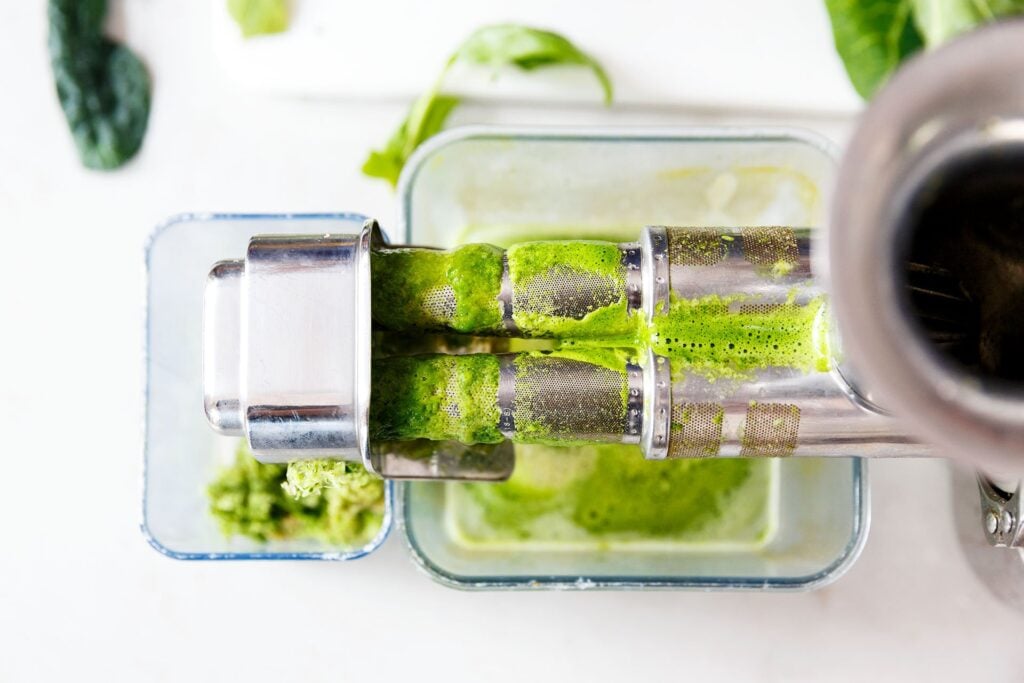
Most people drink fresh-squeezed vegetable juice because of its health benefits. A fresh juice can contain a nice amount of vitamins, minerals, enzymes, fiber and other nutrients. But how do you make sure the nutrients present in your vegetables actually end up in your glass? Slow juicing is the answer. Because the machine grinds everything slowly, few nutrients are lost. Plus, there is no heat involved, which can also come at the expense of nutritional value. So that’s how you get all the goodness from your raw, organic vegetables.
2. Slow juicing makes nutrients more absorbable
It is not always easy for our bodies to actually absorb the valuable nutrients from fruits and vegetables. This is because they are contained in the cells of the plant or fruit, and these usually have solid walls. A good slow juicer can break down these walls and ensure that the nutrients in the vegetable juice can be absorbed more easily. In fact, it is similar to the same process your molars perform when grinding your food. This also means when you do a
3. Slow juicers result in less wasted food than a centrifugal juicer
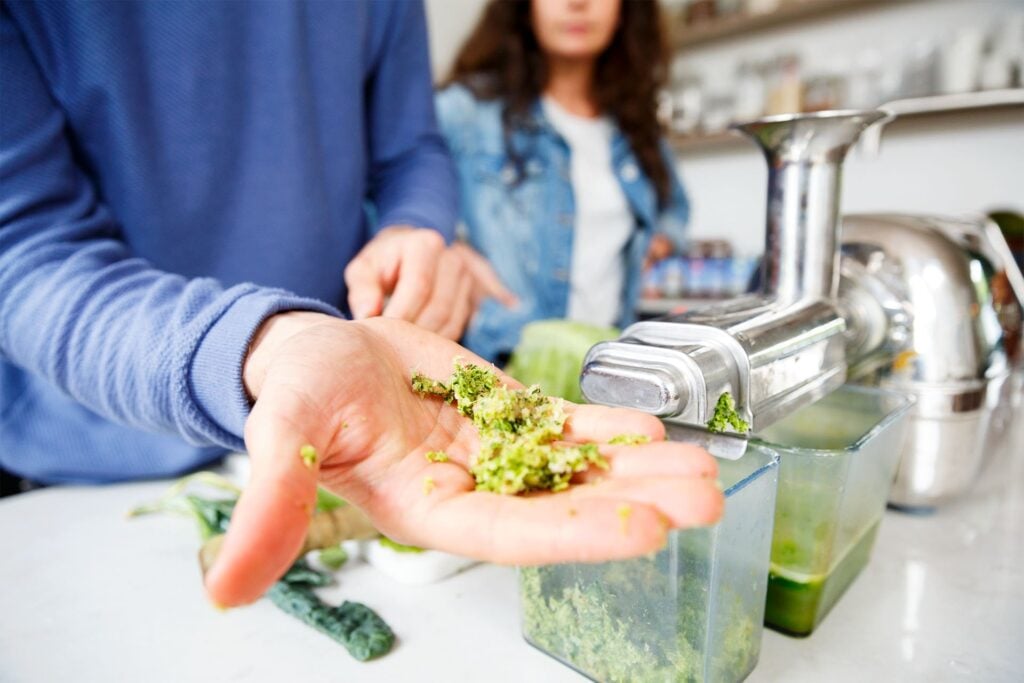
Food waste is unfortunately still widespread. A slow juicer is a great way to do your own part in reducing this. A slow juicer can grind all parts of vegetables, fruits, herbs and spices, so you don’t have to throw anything away. In addition, slow juicing also yields more juice than other pressing methods. According to some sources, about 35 to 50 percent more. So that also saves on the cost of buying your vegetables. Plus, you’re left with less vegetable and fruit waste. At Sap.je, by the way, the leftover pulp after pressing goes to the animals of a local biodynamic farm. You can also turn your own pulp into a delicious vegetable omelet!
4. Slow juicers make for tastier juice
Not only is the nutritional value of slow-juice juices higher, the taste is also great. Thanks to the slow grinding of the ingredients, it is much richer. The color and smell are also usually more intense. Another reason for this is that in a slow juicer almost no oxygen can reach the vegetables and fruits. Therefore, there is no oxidation, the process that causes, for example, a core of a clock to turn brown. As a result, juice from the slow juicer also has a longer shelf life, provided it is kept refrigerated. You also suffer less from sediment with slowjuice juice.
5. The slow juicer preserves the best of nature
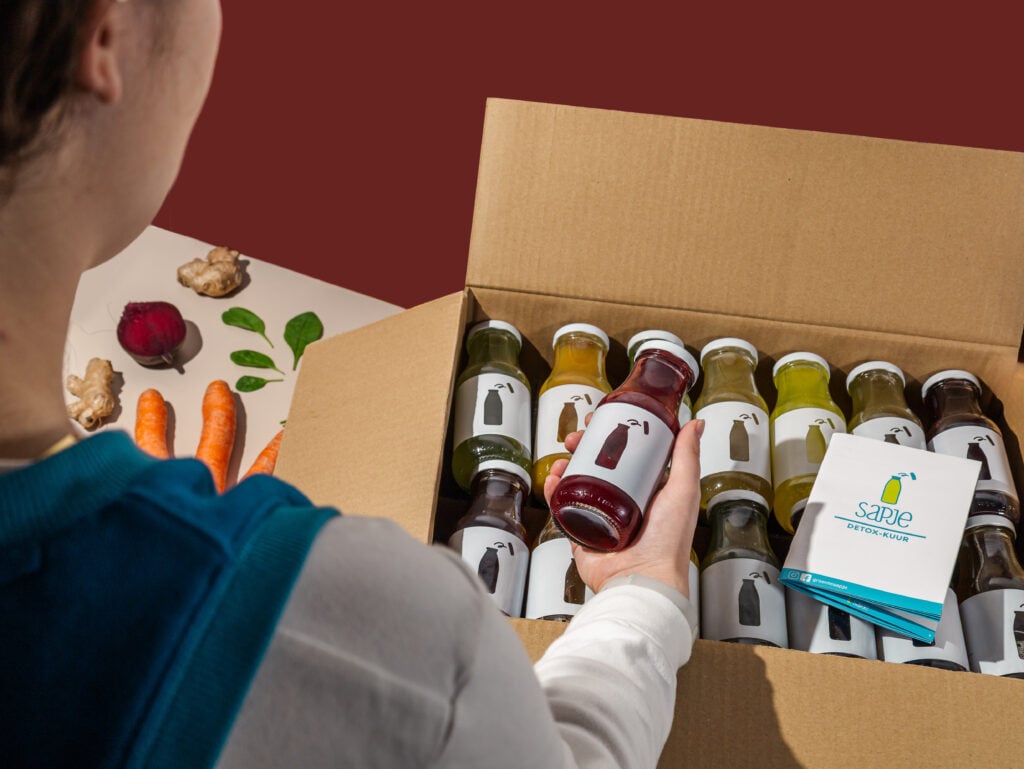
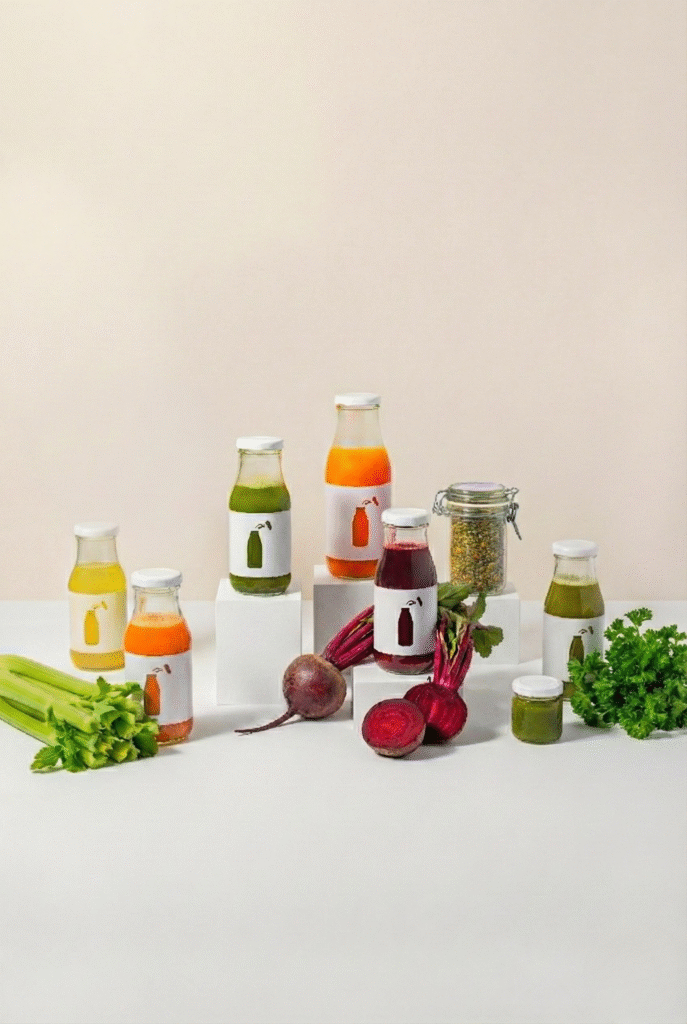
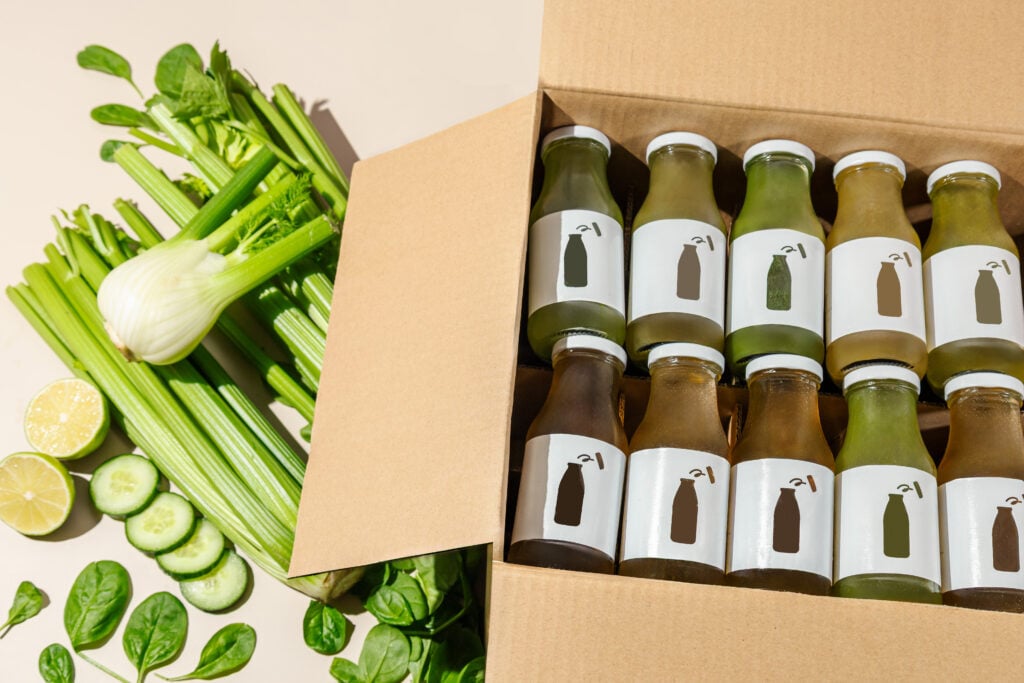
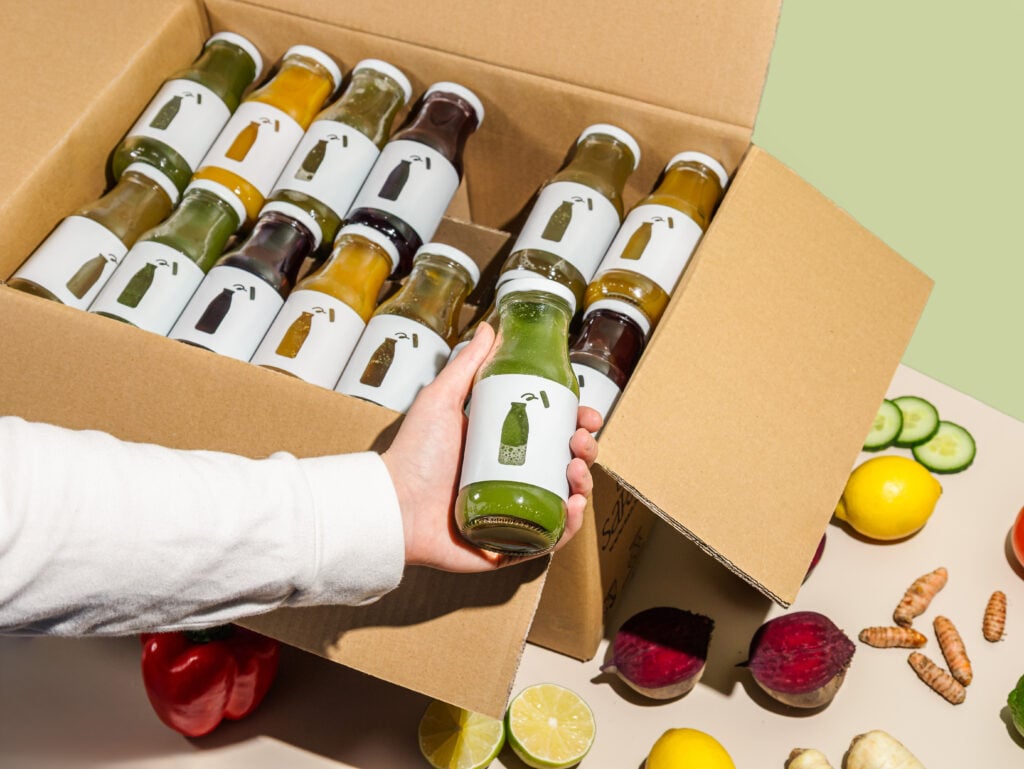
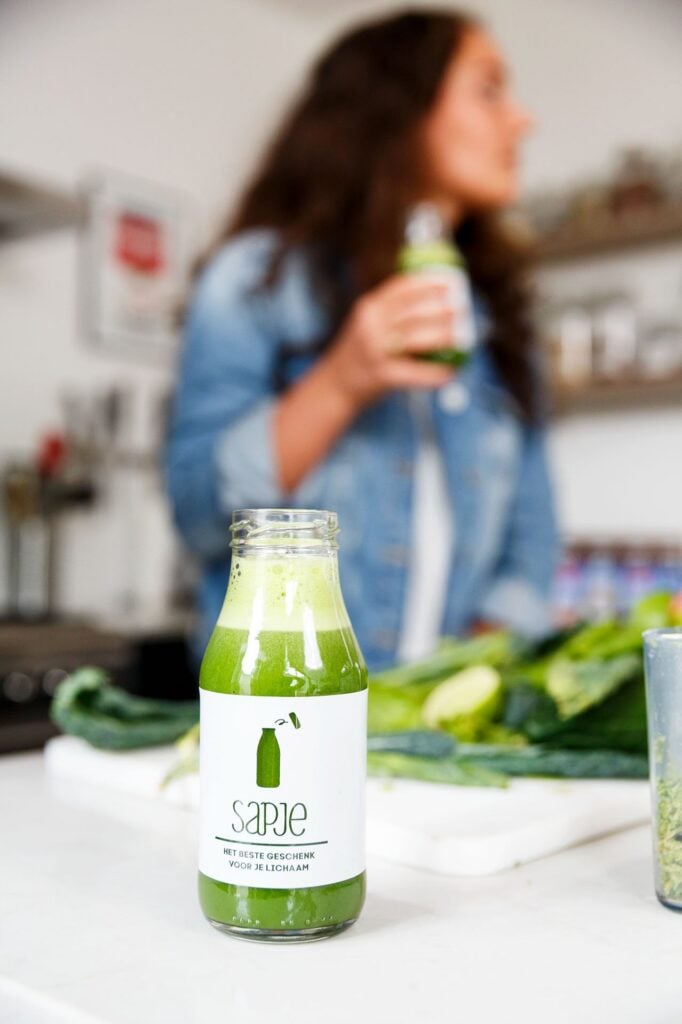
So with slow juicing, you get colorful, fragrant and flavorful juice, and that’s without any unnatural additives, such as dyes, fragrances and flavors! All parts of our slow juicer are made of stainless steel. So you don’t have to worry about plastic particles in your vegetable juice. This way you can be sure that you are getting nothing but goodness with your daily juice. At Sap.je, we deliberately chose a slow juicer that could offer the highest quality and nutritional value. By bottling the juices in glass bottles, we ensure that the nutrients are even better preserved and that nature is spared.
What is all you can do with a slow juicer?
– Making fresh vegetable and fruit juice.
– Squeeze green juices with leafy vegetables such as spinach, kale or wheatgrass.
– Make nut milk from almonds, for example (with pre-soaked nuts).
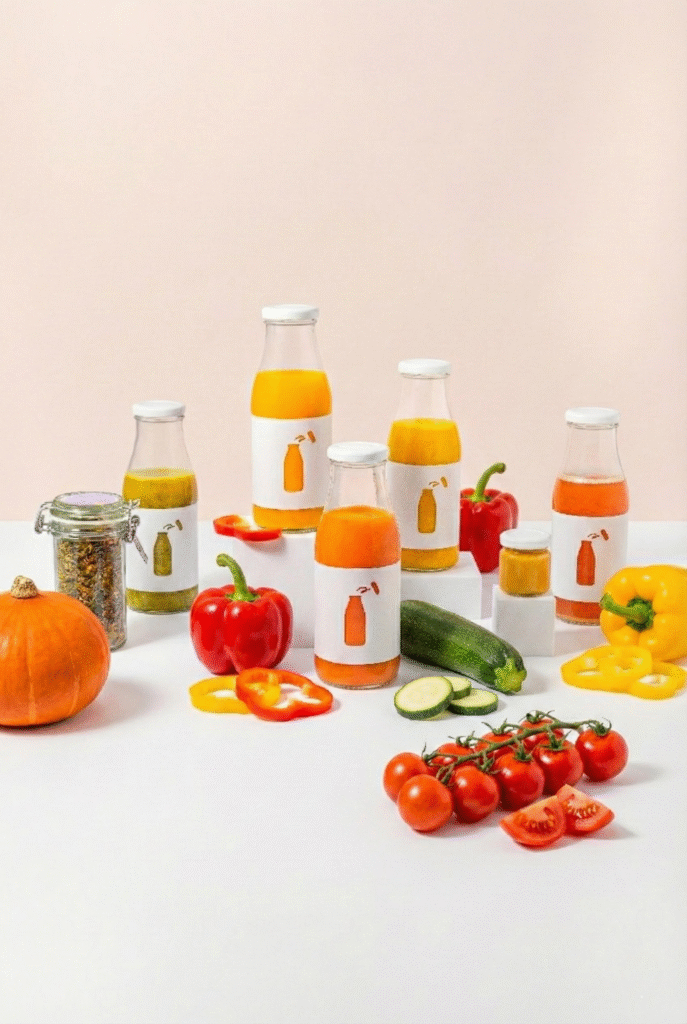
– Make sauces or dressings from tomatoes, peppers or herbs.
– In some models even make sorbet or baby food from soft fruit.
What is the difference between a slow juicer and a blender?
A blender grinds vegetables into a thick, porridge-like juice. The thickness of the juice comes from the amount of fiber left in the blender. A slow juicer, however, ”squeezes out” the vegetables, so to speak. Only the juice of the vegetable ends up in your glass. The juice of the vegetable contains the important vitamins, minerals and antioxidants for your body.
So you get more vitamins and minerals in a glass from the slow juicer than from the blender.
What is the difference between a slow juicer and a juicer?
A juicer (also called a centrifugal juicer) works with high speed and a spinning grater that slings the juice out of fruits and vegetables. This is fast, but more nutrients are lost due to the heat and friction.
A slow juicer squeezes slowly and cold with a mortar or screw mechanism. This retains more enzymes, vitamins and minerals ánd you get more juice from your ingredients. The juice is often richer in flavor and more nutritious.
What are the benefits of a slow juicer?
The slow juicer produces juice with more nutrients.
The slow juicer makes nutrients more absorbable.
The slow juicers provide less waste of food than a centrifugal juicer.
The slow juicers provide tastier juice.
The slow juicer preserves the best of nature.
At the top of the page, we explain to you in detail the benefits of a slow juicer.
Is a slow juicer better to use than a blender or juicer?
What is the best slow juicer to purchase at home?
What shouldn’t go in a slow juicer?
Very hard seeds or peels (such as from peaches, mangoes or avocados)
Large pieces of frozen fruit (unless your juicer is suitable for them)
Overly fibrous or tough parts, such as pineapple peels or large pieces of ginger with a lot of wire – this can clog the machine
Seafood, nuts or oilseeds – these are not juice ingredients and can damage the juicer