





Cart

No products in the cart.

17 October 2025

Watercress

A still somewhat unknown versatile vegetable: watercress. The ancient Greeks already knew it thousands of years ago: watercress is one of the most extraordinary plants with a beneficial effect on health. The famous Greek physician Hippocrates, father of classical medicine, had a clinic built near water springs as early as 400 BC. Watercress was intensively cultivated near these springs. Thus, he always had the special plant within reach. In Roman times, watercress was also considered a rich source of nutrition.
The nutrients

Watercress contains an awful lot of good building blocks for your health. For example, it has a high content of the antioxidant vitamin C. In addition to vitamin C, the vegetable also contains vitamin A in the form of beta-carotene, vitamin K, calcium and potassium. Watercress also contains sulfur-containing substances: the glucosinolates.

What are these substances good for?

Vitamin A is good for vision and supports the immune system. Vitamin C is an antioxidant, which helps protect you from free radical damage. Calcium and vitamin K are important for the composition of your bones. Also, calcium from watercress supports the maintenance of healthy digestion and plays a role in the functioning of your muscles. And finally, potassium from watercress has a beneficial effect on your blood pressure and helps ensure the proper functioning of your nervous system.

Why do we use watercress?

Watercress has so many healthy building blocks that it could not be missing from our juices and dishes. Its slightly bitter and pungent taste is a good change from our ingredients. By using watercress, you are giving a powerful boost to your health!
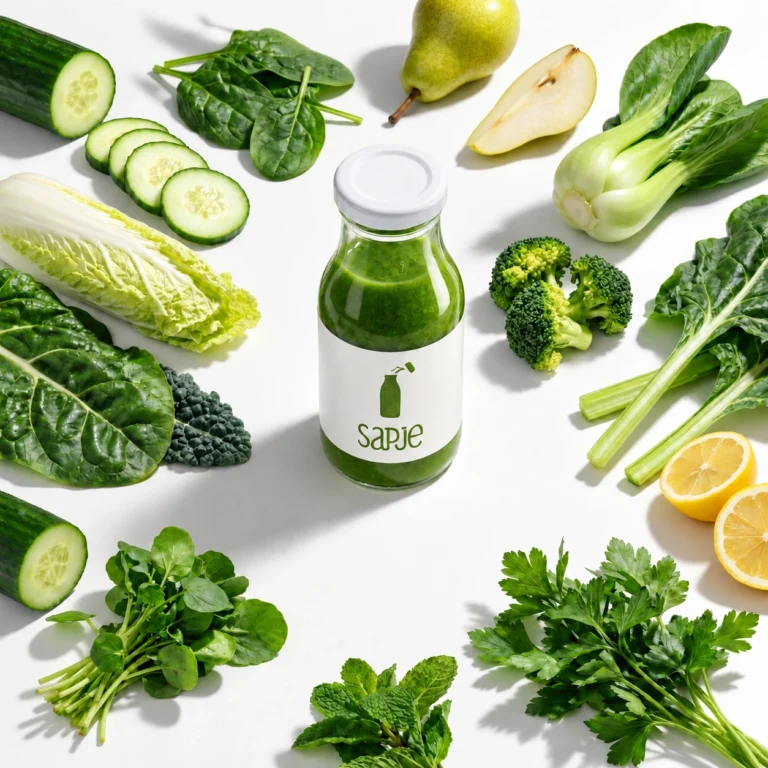
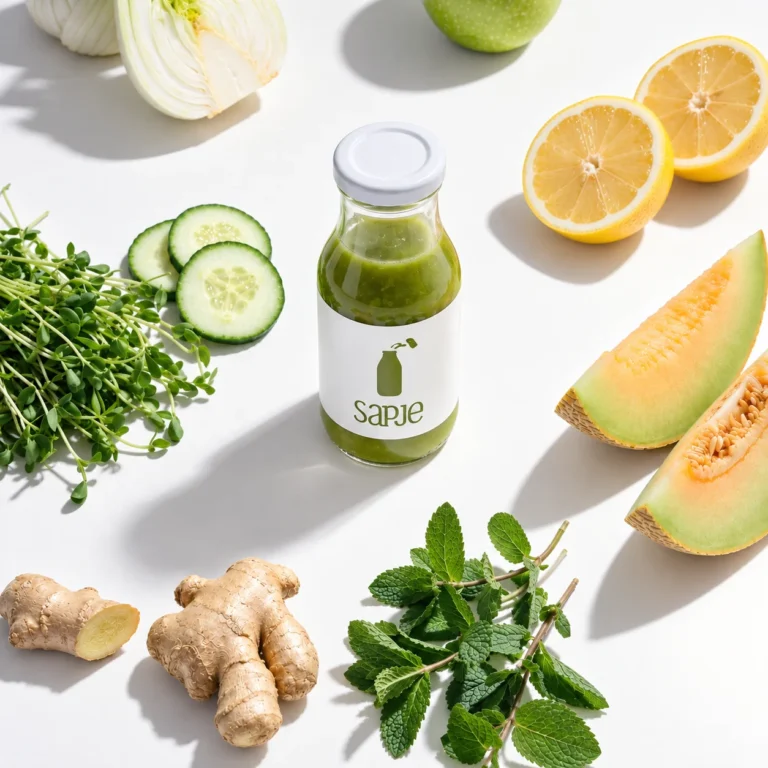
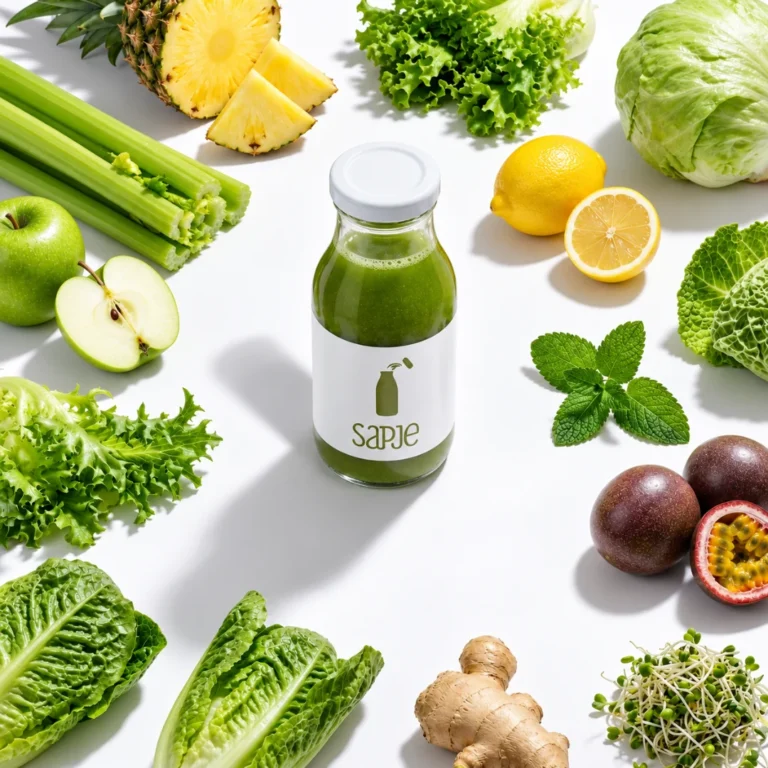
Watercress zit in:
Placeholder

Mix Box 8

Placeholder

Mix Box 7

Placeholder

Mix Box 6

Placeholder

Mix Box 5

Placeholder

Mix box 4

Placeholder

Mix box 3

Placeholder

Mix box 2

Placeholder

Mix box 1

Placeholder

Blood Pressure Box 6

Placeholder

Blood Pressure Box 5

Watercress Watercress