









7 tips to support your immune system
A well-functioning immune system helps keep your body healthy and strong. Miracle cures to “boost” the function of your immune system unfortunately do not exist, even though this is often claimed. Fortunately, there are certainly a number of things you can do yourself to support your immune system. In this article we will tell you more about them.
What is your immune system?
Our body has a special defense system against harmful outside invaders such as bacteria, viruses and parasites: the immune system. This is a complex system made up of many different cells, tissues and organs that work together precisely.
How well your immune system works depends on several factors, such as your predisposition and age, as well as your lifestyle. You can influence the latter. By living a healthy life, you can give your immune system a helping hand. Below are 7 tips to improve your lifestyle and give your immune system optimal support.
Tip 1: Get enough sleep
During your sleep, many strictly regulated processes take place that are important for the balanced functioning of your immune system (1). If you don’t sleep enough for an extended period of time, this can reduce the function of your immune system. So a good night’s sleep is essential for your immune system to function optimally.
Yet sleeping well is a challenge for many people. Especially during busy periods of high stress, it can be difficult. An adult needs about 7-9 hours of sleep per night. The tips below can help you improve your sleep (2,3):
- Go to bed around the same time every day and also get up at the same time
- Do not drink coffee or alcohol in the evening
- Make sure the room is dark, cool and quiet
- Try to get plenty of exercise during the day
- Don’t take naps during the day
- Do not use screens (laptop, phone, etc.) starting an hour before you go to sleep
- Try to do something relaxing in the hour before you go to sleep, for example, read a book or do puzzles
Tip 2: Sports and exercise
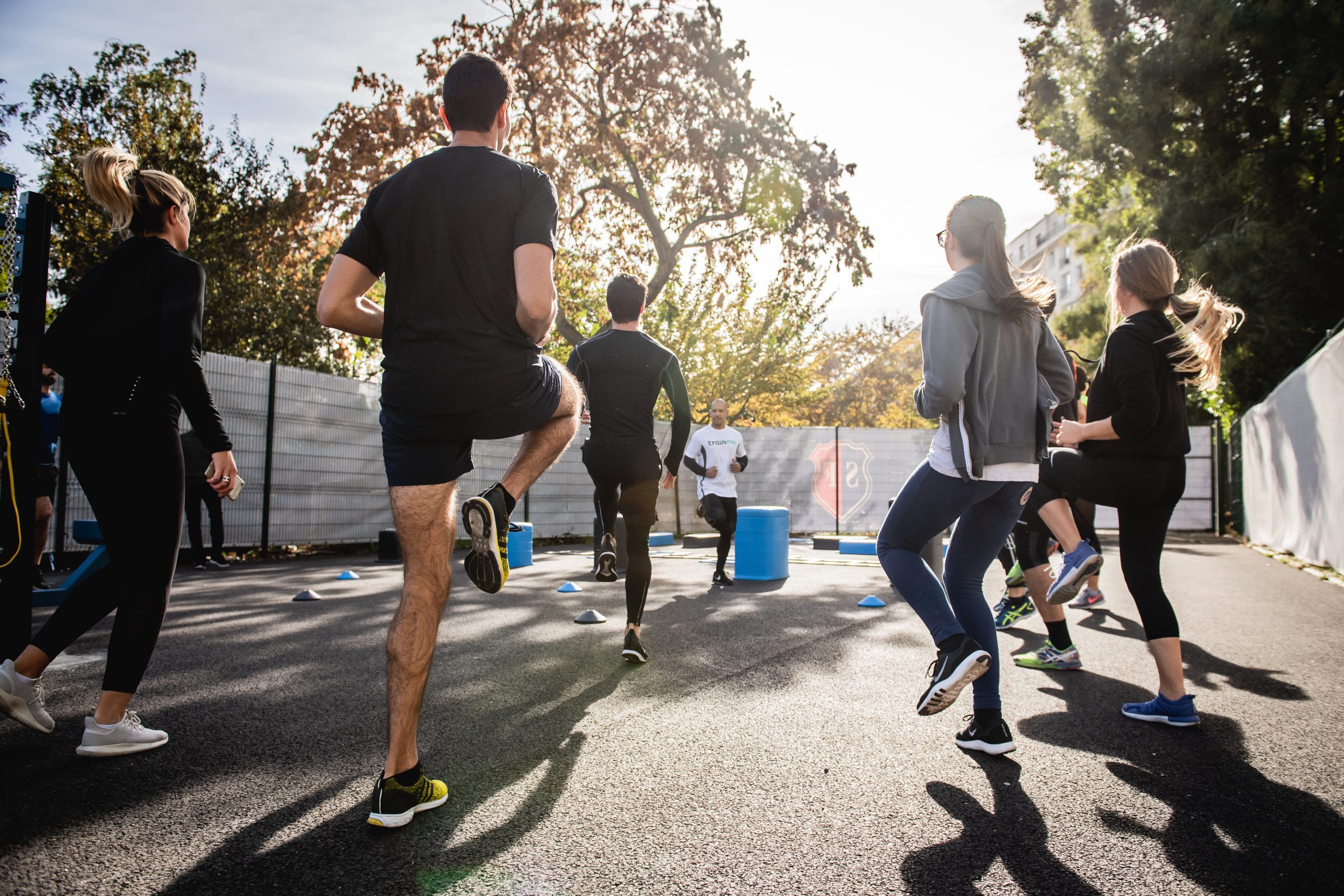
Regular exercise has a positive effect on your immune system (4). Exercise can improve the activity of several important immune cells, as well as contribute to the exchange of immune cells between your bloodstream and tissues. Several studies have actually found a link between moderate-intensity exercise and a reduced risk of disease (5, 6). Don’t overdo it, because excessive exercise and sports can actually negatively affect the function of your immune system (4).
Tip 3: Reduce stress
While acute stress can help you in emergency situations, long-term stress actually has a negative effect on the functioning of your body processes, including your immune system. When you experience a lot of stress for an extended period of time, your immune system can function less well (7). Among other things, the disrupted release of the hormone cortisol is responsible for this.
Unfortunately, reducing stress is often easier said than done. Yet there are certainly things you can do yourself to create more relaxation in your life:
- Maintain a healthy lifestyle (healthy diet, adequate sleep, etc.)
- Create moments of rest in your day
- Maintain social contacts
- Makes time for hobbies
- Make sure you spend some time outside every day
- Meditation
- Keep your home tidy
- Create a structure in your day
Tip 4: Eat healthy and varied meals
Your diet also plays an important role in the functioning of your immune system. This is because to maintain optimal immune function, your body needs sufficient energy and essential nutrients (8). So by eating a healthy and varied diet, you can give your immune system a helping hand.
There are also a number of nutrients extra important for the normal functioning of your immune system. These include vitamin C, folate, copper,
Here we have created 8 healthy recipes that you can make easily and quickly.
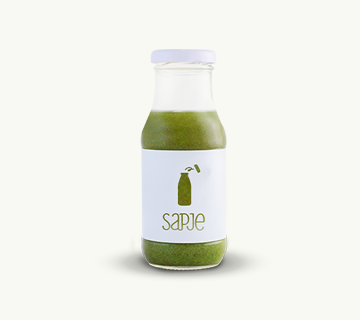
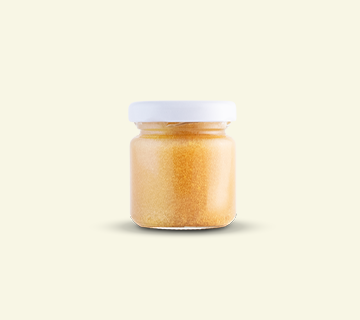
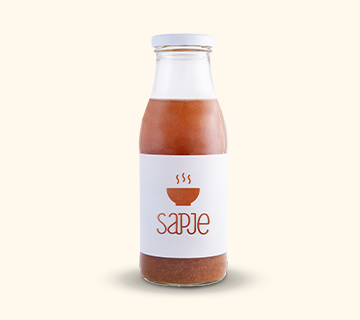
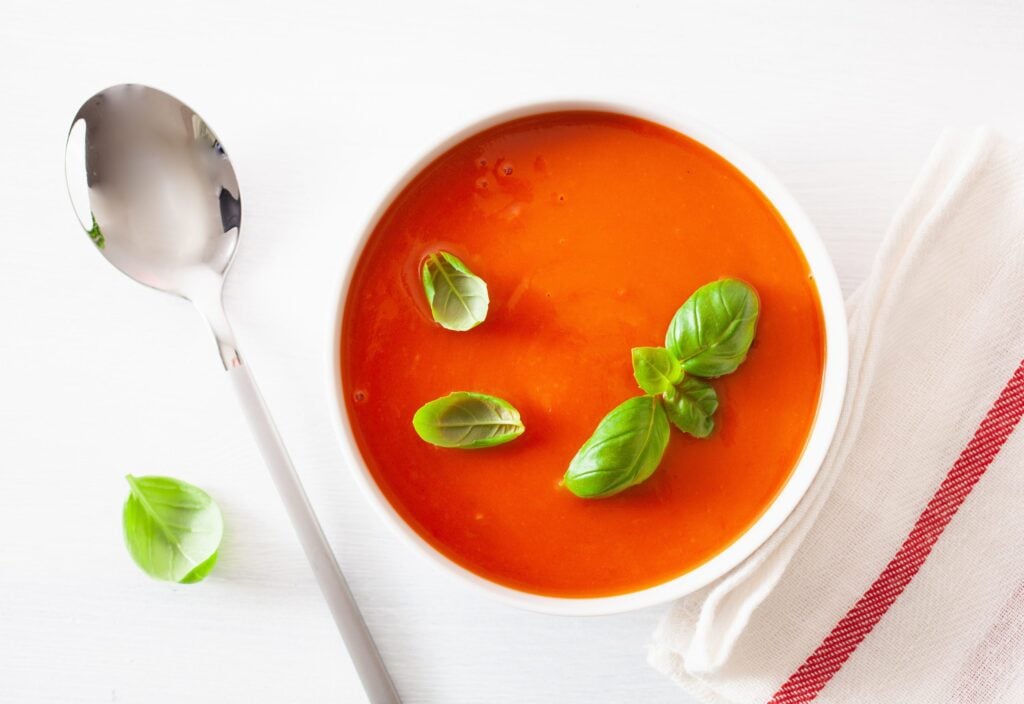
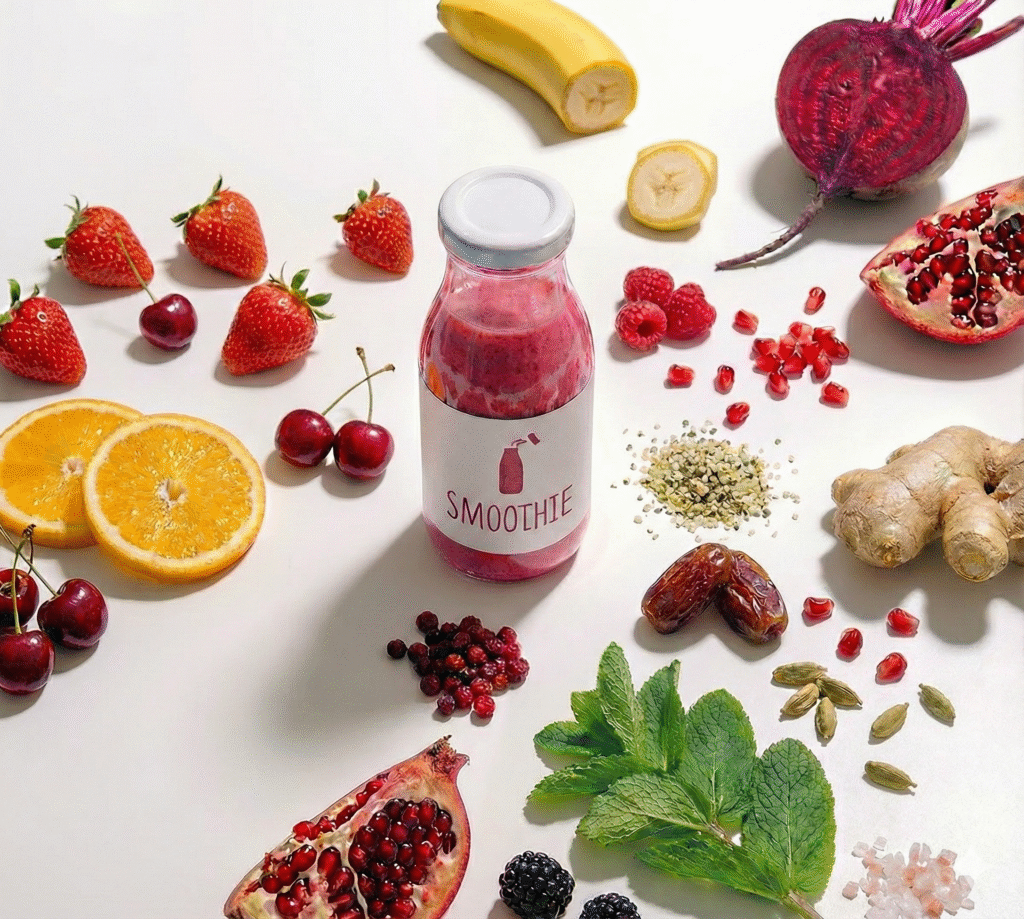
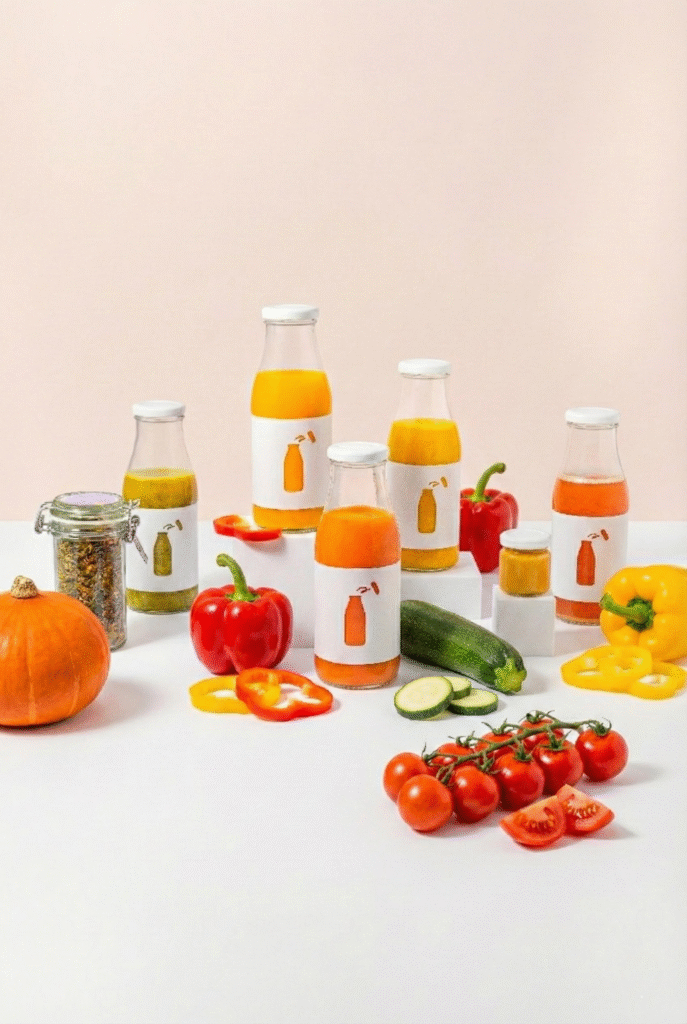
Do you find it difficult to eat enough fruits and vegetables daily? Then Sapje’s vegetable juices, smoothies, ginger shots, soups and detox can come in handy. These are full of fresh organic fruits and vegetables, and therefore contain a lot of vitamins and minerals that support your immune system.

Tip 5: Drink enough
Our body is made up of about 65% water. A good fluid balance is very important for all the processes in your body to work properly, including the functioning of your immune system (9,10). The general recommendation is to get 1.5 to 2 liters of fluid per day through drinking. If you exercise a lot or in high temperatures, you need more. Preferably choose water, tea and coffee without sugar.
Tip: Our juices can also contribute nicely to your daily fluid intake!
Tip 6: Quit smoking and limit alcohol
This probably comes as no surprise, but both smoking and drinking do not benefit your immune system. Both can mess up the functioning of your immune system, putting you at higher risk for various diseases (11,12).
Try to stick to a maximum of one glass of alcohol per day. For example, replace your drink with a 0.0% variety or go for a tasty juice😉
Tip 7: Get outside regularly
Getting outside to exercise daily is a good idea anyway. There is an additional reason: because sunlight is the main source of vitamin D. Your body can produce this vitamin itself when your skin comes in contact with sunlight. Vitamin D has a positive influence on your immune system. So an important vitamin to consider!
Because the sun in the Netherlands is low and shines little during the fall and winter months, it may be beneficial to consider supplemental vitamin D supplements during this period. For young children, the elderly, people with a tinted complexion, pregnant women and people who do not get out much, the recommendation is to take extra vitamin D year-round anyway (13).

Resources
- Besedovsky, L., Lange, T., & Haack, M. (2019). The sleep-immune crosstalk in health and disease. Physiological reviews.
- Irish, L. A., Kline, C. E., Gunn, H. E., Buysse, D. J., & Hall, M. H. (2015). The role of sleep hygiene in promoting public health: A review of empirical evidence. Sleep medicine reviews, 22, 23-36.
- Caddick, Z. A., Gregory, K., Arsintescu, L., & Flynn-Evans, E. E. (2018). A review of the environmental parameters necessary for an optimal sleep environment. Building and environment, 132, 11-20.
- Nieman, D. C., & Wentz, L. M. (2019). The compelling link between physical activity and the body’s defense system. Journal of sport and health science, 8(3), 201-217.
- Nieman, D. C., Nehlsen-Cannarella, S. L., Markoff, P. A., Balk-Lamberton, A. J., Yang, H., Chritton, D. B. W., … & Arabatzis, K. (1990). The effects of moderate exercise training on natural killer cells and acute upper respiratory tract infections. International journal of sports medicine, 11(06), 467-473.
- Nieman, D. C., Henson, D. A., Gusewitch, G. A. R. Y., Warren, B. J., Dotson, R. C., Butterworth, D. E., & Nehlsen-Cannarella, S. L. (1993). Physical activity and immune function in elderly women. Medicine and science in sports and exercise, 25(7), 823-831.
- Dhabhar, F. S. (2014). Effects of stress on immune function: the good, the bad, and the beautiful. Immunologic research, 58, 193-210.
- Childs, C. E., Calder, P. C., & Miles, E. A. (2019). Diet and immune function. Nutrients, 11(8), 1933.
- Popkin, B. M., D’Anci, K. E., & Rosenberg, I. H. (2010). Water, hydration, and health. Nutrition Reviews, 68(8), 439-458.
- Chishaki, T., Umeda, T., Takahashi, I., Matsuzaka, M., Iwane, K., Matsumoto, H., … & Nakaji, S. (2013). Effects of dehydration on immune functions after a judo practice session. Luminescence, 28(2), 114-120.
- Qiu, F., Liang, C. L., Liu, H., Zeng, Y. Q., Hou, S., Huang, S., … & Dai, Z. (2017). Impacts of cigarette smoking on immune responsiveness: up and down or upside down? Oncotarget, 8(1), 268.
- Szabo, G., & Mandrekar, P. (2009). A recent perspective on alcohol, immunity, and host defense. Alcoholism: Clinical and Experimental Research, 33(2), 220-232.
- Nutrition Center (year unknown), Vitamin D. Accessed February 22, 2023. https://www.voedingscentrum.nl/encyclopedie/vitamine-d.aspx