What is best to eat and drink before, during and after exercise?
When you are enjoying sports, of course you want to feel fit and energetic. Nutrition provides you with the energy you need during exercise. But what is best to eat and drink before and after exercising? Is it necessary to eat something while exercising? And are supplements necessary? In this blog, we’ll tell you about it and give you some practical tips so you can get the best out of your sports performance!
A healthy foundation
Whatever your level or sport, a good foundation is always the most important thing. By eating healthy on a daily basis, you ensure that your body gets enough of all the important nutrients. Good guidelines for this are (1):
- At least 250g of vegetables daily
- Daily 2 servings of fruit (200g)
- Choose mostly whole grain cereal products
- Choose legumes, nuts and fish regularly
- Eat less processed or red meat
- Choose mostly unprocessed foods
- Watch your salt intake
- Preferably drink water, tea or coffee without sugar
When you exercise 2 or more times a week it is good to take this into account in your diet. You will need more energy and fluids. It is also good to watch your carbohydrate and protein intake. The best way to do this is explained below.
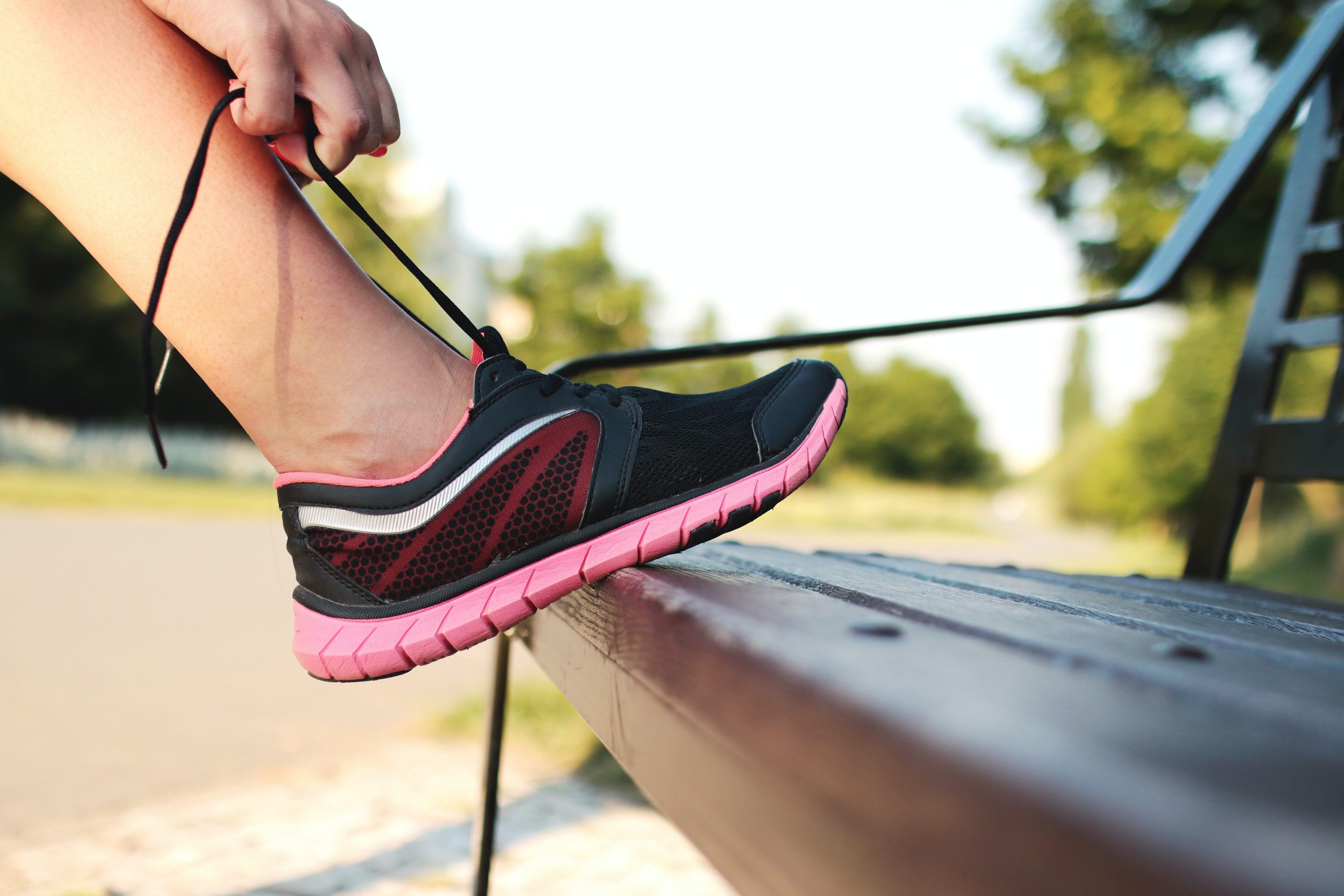
Eating before exercise
Before you exercise, you want to replenish your energy stores as far as possible. You do this by eating a good meal 2-3 hours before exercise. This will give your body enough time to absorb the energy.
Carbohydrates
Carbohydrates are the main fuel for your body during exercise (2). Your body can convert the carbohydrates you get through your diet into glycogen and then store them in your muscles and liver.
By eating enough carbohydrates before exercising, you ensure that the carbohydrate stores in your body are filled to the maximum.
Meal 2-3 hours before exercise
So make sure the base of the meal you eat 2-3 hours before exercise is carbohydrates, supplemented with protein and healthy fats. Below are some examples of good meals to eat 2-3 hours before exercise:
- Sandwiches with egg, peanut butter or hummus
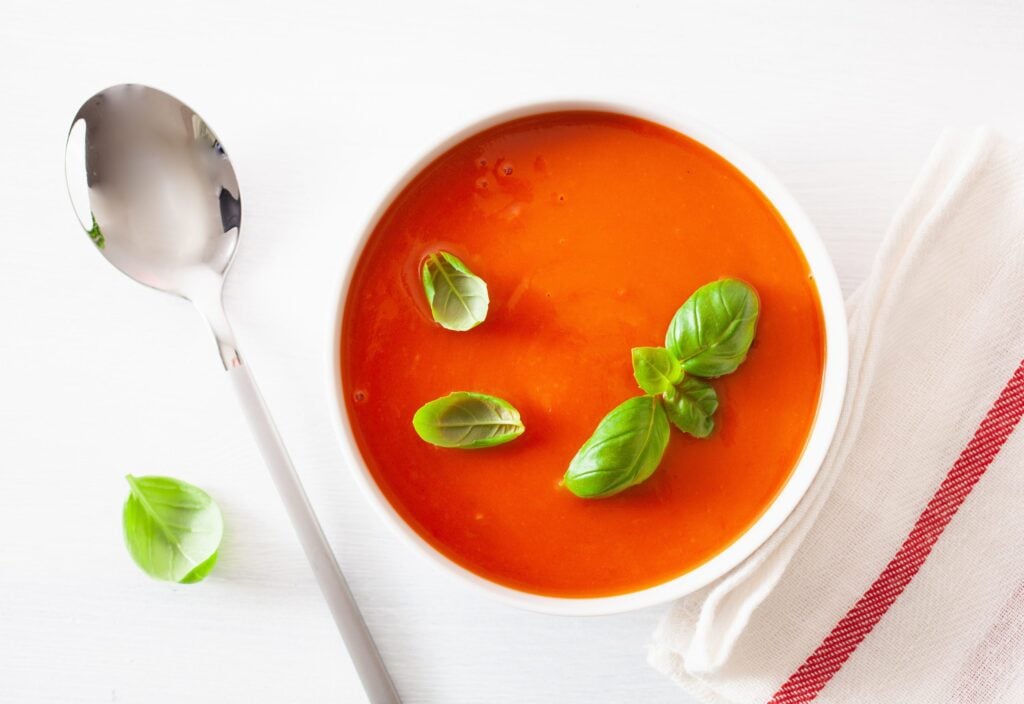
- Pasta with tomato sauce
- Oatmeal with fruit
- Rice with chicken or tofu
It is also important to drink enough before exercise. Try to get about half a liter (500 ml) of fluid at meals(3).
Snack just before exercise
Just before exercising, it’s best not to eat a large meal. Exercising on a full stomach can cause gastrointestinal problems. No one wants that. If you are still hungry just before exercising, you can choose a small easily digestible snack with mainly carbohydrates, such as:
- Banana
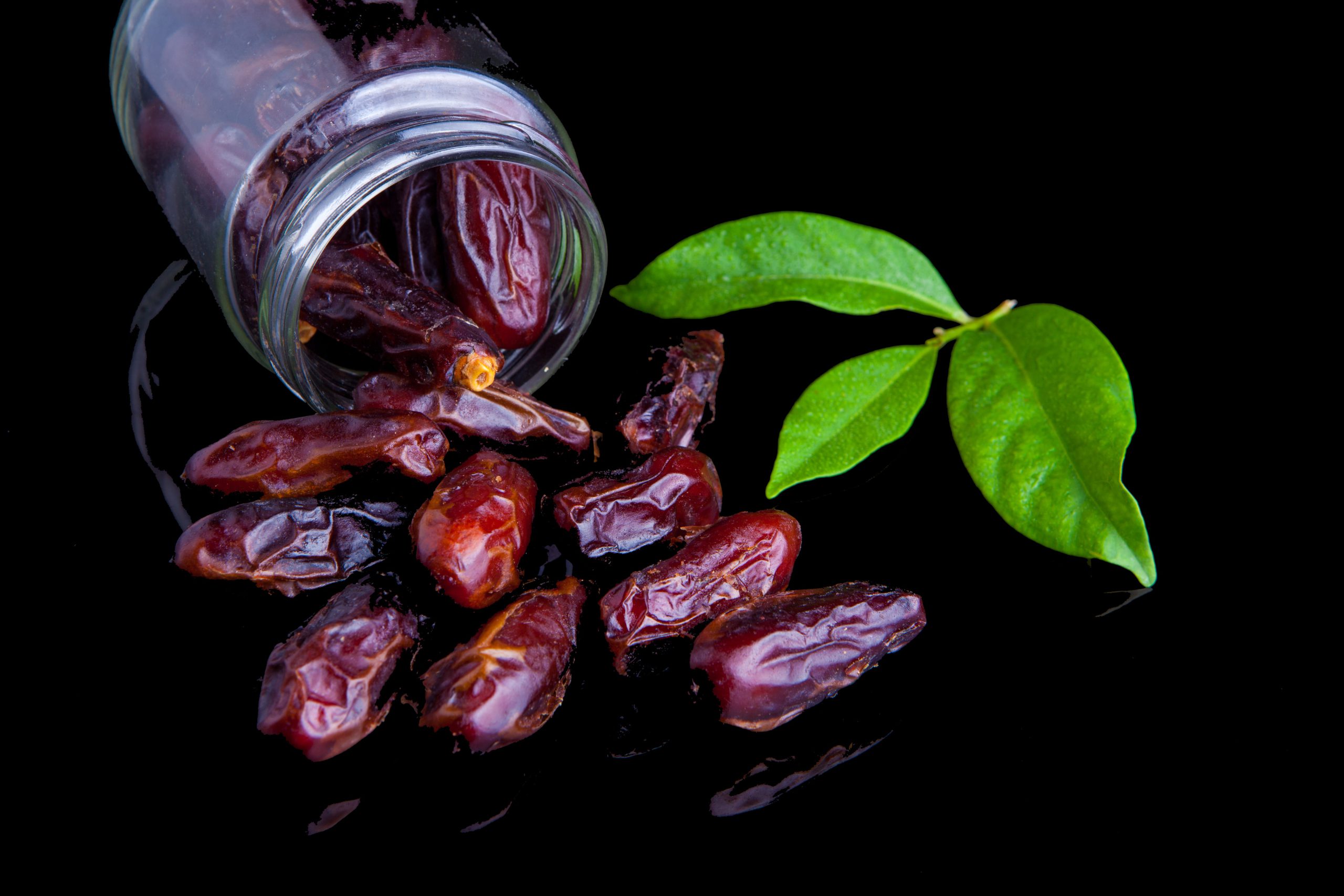
- Dried fruit, such as dates or raisins
- Sandwich with fruit spread
- Rice or corn wafers
Exercising on an empty stomach
Exercising on an empty stomach is a popular topic these days. Yet we advise against it. When you don’t eat prior to exercising, you have less energy available during exercise. Your carbohydrate stores are not maximized. This can cause you to be able to give less during exercise and also not last as long. When exercising more intensively, you will definitely notice this. If you like to exercise sober, this is also fine. Just keep in mind that you might be tired a little faster and make sure you eat enough afterwards.
Eating while exercising
If you exercise for less than 1.5 hours, it is usually not necessary to eat anything else during exercise (4). Drinking only water is then sufficient.
Do you exercise for longer than 1.5 hours? Then it is recommended to take extra carbohydrates during exercise (4). Choose something easily digestible, low in fiber and fat, so your body can absorb the carbohydrates quickly. Good options include:
- Banana
- Dates
- Isotonic sports drink
- Energy gel
- (Homemade) rice cake
Drink
During exercise, you lose extra fluids by sweating. It is therefore important to keep drinking well during exercise, especially when you exercise for longer than 1 hour. After exercise, you can check whether you have drunk enough via the color of your urine. Is it very dark? Then this is a sign that you should drink more next time.
Eating after exercise
Try to eat a good meal within a few hours of exercising. This could be your lunch or dinner, for example. In doing so, make sure the meal contains a combination of:
- Carbohydrates (e.g., pasta, rice, potato)
- Protein (e.g., chicken, egg, tofu, legumes)
- Healthy fats (e.g. olive oil, nuts, avocado)
- Vegetables (important for vitamins and minerals)
Carbohydrates
By eating carbohydrates after exercise, you ensure that the glycogen stores in your muscles and liver are replenished (2). This way, your body will also have enough energy available for the next workout.
Protein
Protein is important for recovering and building your muscles after exercise. Try to get about 20-40g of protein after a workout (2). Also during the rest of the day, it is good to make sure to eat something protein every 3-4 hours.
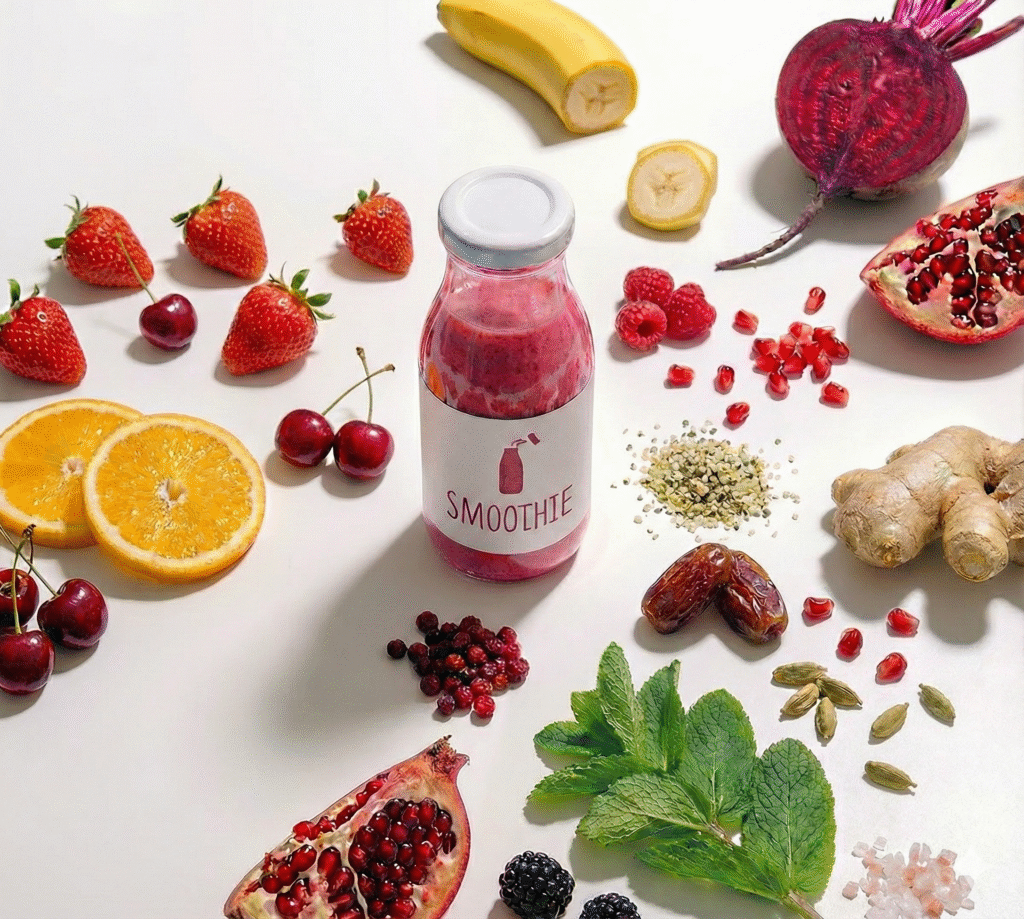
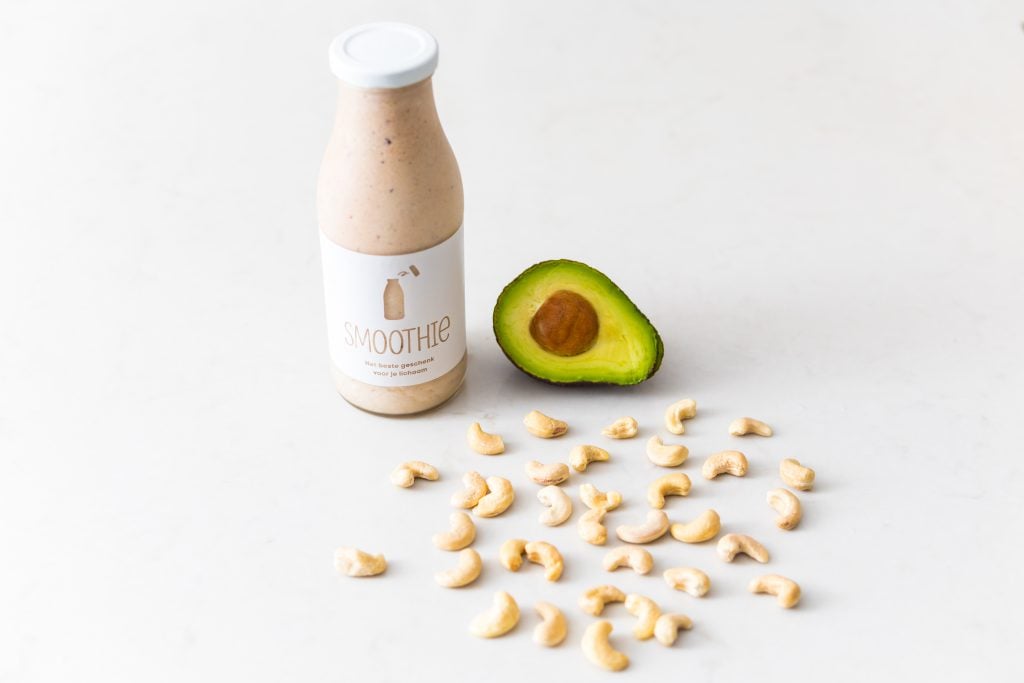
Tip: For example, have our delicious Protein smoothie with 19g of protein per bottle with your breakfast or lunch!
Protein before sleeping
Before sleeping, you can choose to eat another bowl of cottage cheese (250g) to support your muscle recovery during the night. Quark contains specific proteins (casein proteins) that your body absorbs slowly.
Do you need supplements?
In principle, a healthy basic diet is sufficient and you do not need extra food supplements(3). When you eat a healthy and varied diet you get enough of all vitamins and minerals. Tip: Sapje’s juices and shots can make a nice contribution to your daily intake of healthy nutrients!
However, you may want to consider taking a vitamin D supplement during the dark fall and winter months. In addition, the recommendation is to take a vitamin B12 supplement if you eat vegan(5).
Conclusion
At the end of the day, a healthy base is always the most important thing for a good sports performance. In addition, if you exercise several times a week, you can pay attention to the amount of carbohydrates and protein you consume to provide additional support for your energy levels and muscle recovery. But also remember: everyone is different. The above are only guidelines. Test what works and feels right for you. After all, that’s the most important thing!
Sources:
- Health Council. (2015). Guidelines for good nutrition 2015.
- Kerksick, C. M., Arent, S., Schoenfeld, B. J., Stout, J. R., Campbell, B., Wilborn, C. D., … & Antonio, J. (2017). International Society of Sports Nutrition position stand: nutrient timing. Journal of the international society of sports nutrition, 14(1), 33.
- Nutrition Center (year unknown), Planning: eating and drinking around exercise. Accessed December 12, 2022. https://www.voedingscentrum.nl/nl/thema/eten-bij-sport-en-beweging/planning-eten-en-drinken-rond-sportmomenten.aspx
- Burke, L. M., Hawley, J. A., Wong, S. H., & Jeukendrup, A. E. (2011). Carbohydrates for training and competition. Journal of sports sciences, 29(sup1), S17-S27.
- Nutrition Center (year unknown), Vitamin B12 (cobalamin). Accessed December 15, 2022. https://www.voedingscentrum.nl/encyclopedie/vitamine-b12.aspx