
Juice fasting
Have you ever imagined eating or drinking nothing but vegetable juice for a few days? Maybe you can’t wait to pamper your body with tasty vegetable juices for a few days. Or maybe you already get nightmares at the idea of a week without coffee and solid food. Whichever category you belong to, juice fasting is a health trend that captures the imagination and raises questions for many people.
In the world of health and lifestyle, juice fasting is mostly praised and embraced as an ideal way to unwind your body and mind and provide overall vitality* support. But what exactly are the ins and outs of juice fasting? What are the benefits and are there any drawbacks: perhaps even dangers? Is it really as healthy as claimed? And is it for everyone? In this article, we take a closer look at juice fasting. We will do our best to answer the above questions and others and to bring you the latest scientific insights.
Effects of juice fasting on the body
The disadvantages of juice fasting
Juice fasting at home: How do you do it?
Order cleanses
Juice fasting: Healthy or unhealthy?
Frequently asked questions about juice fasting
What is Juice Fasting?
So, what exactly is such a juice fast or detox cleanse? How does it work?
There are all kinds of ways to juice fast. Juice fasting can be as simple as replacing your daily breakfast with a hefty glass of celery juice in the morning. In an intensive juice fast, you temporarily replace all of your food with juice. A juice fasting cleanse is a form of fasting in which you ingest nothing but squeezed juice from vegetables, fruits, spices and herbs for one or several days.
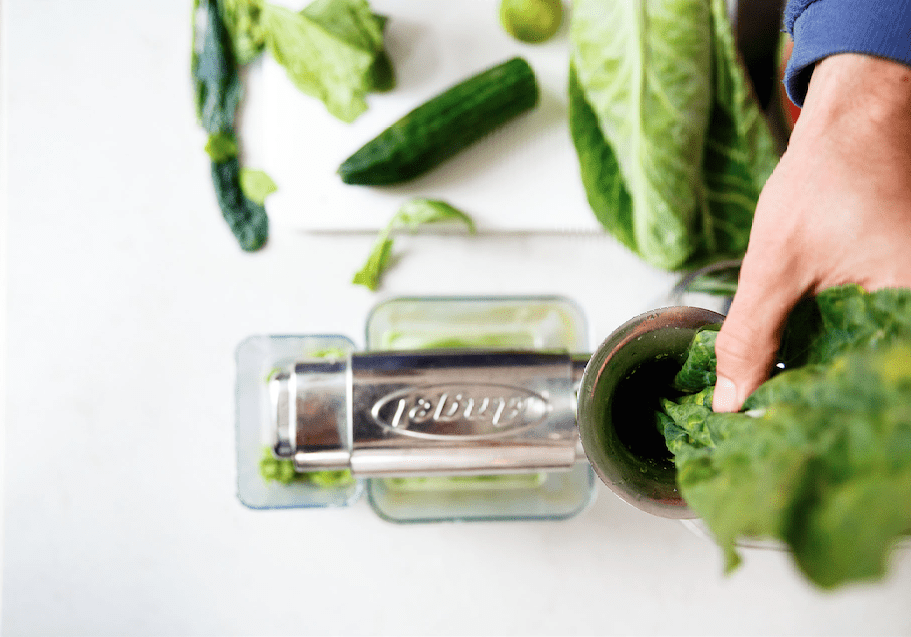
If you make the decision to go juice fasting with a cleanse, there are still many paths you can take. You could go for a ready-made juice fast cure in the form of a juice pack. For the do-it-yourselfer who owns a slow juicer, there is also the option of juicing yourself. However, it is important to research proper preparation (pretox) and winding down (aftertox). You can find more info on home juice fasting later in this article. If you are wondering how best to juice at home, or if you are looking for recipes or information on choosing the right (slow) juicer, read on!
A one-day juice fast can already provide your body with a lot of vitamins and minerals. Many people choose a juice fast of three, five or, for those with a little more experience, seven days.
What is detox?
Detoxification is a normal process within your body. On a daily basis, your body neutralizes and eliminates harmful toxins through the colon, liver, kidneys, lungs, lymph nodes and skin. When your body is in optimal health, it can continue to perform daily body processes properly.
According to this research, the large amounts of vitamins and minerals you ingest during juice fasting can help support your immune system1 and your overall vitality. Our contemporary diet contains too much animal protein, carbohydrates, E numbers, pesticides, sugar, salt, saturated fats, caffeine and alcohol. This can disrupt our bodies.
The juice cure
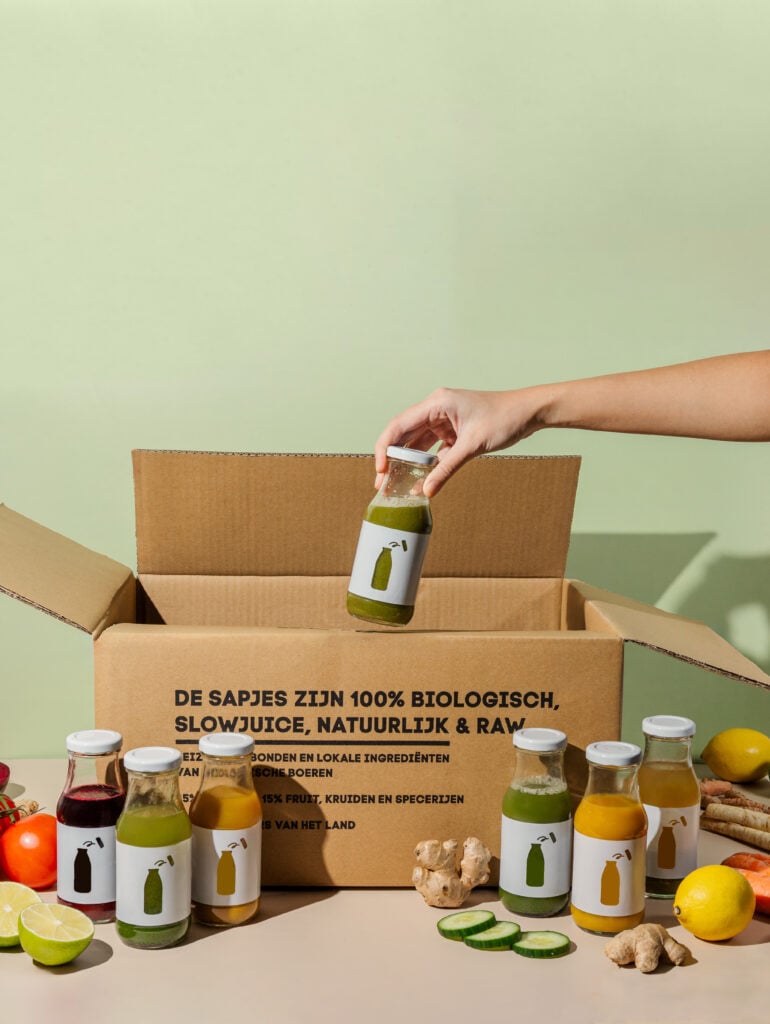
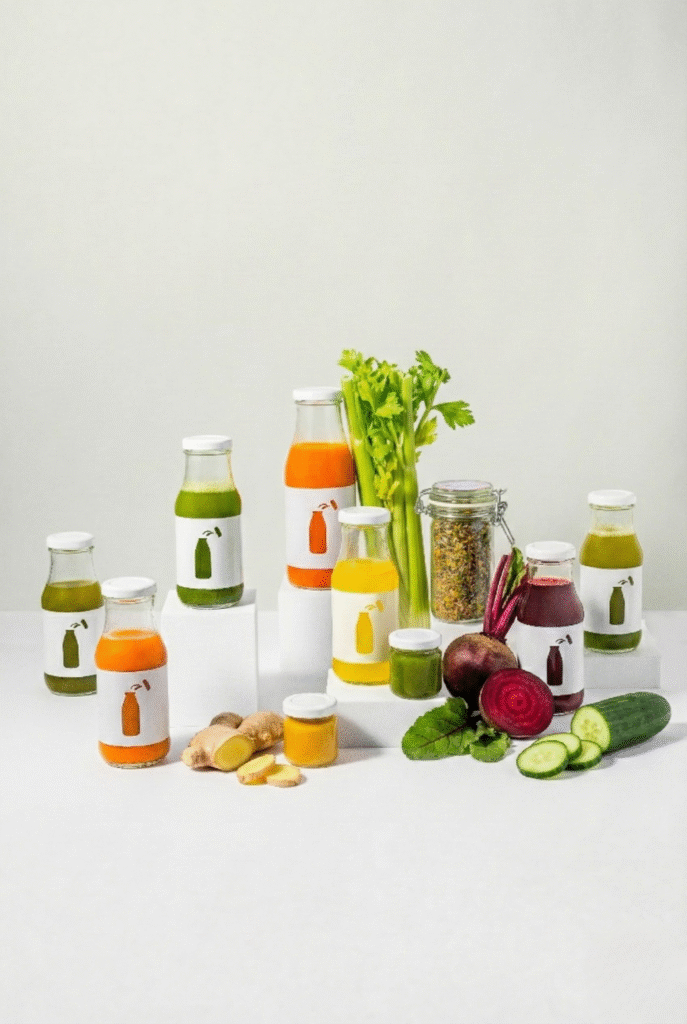
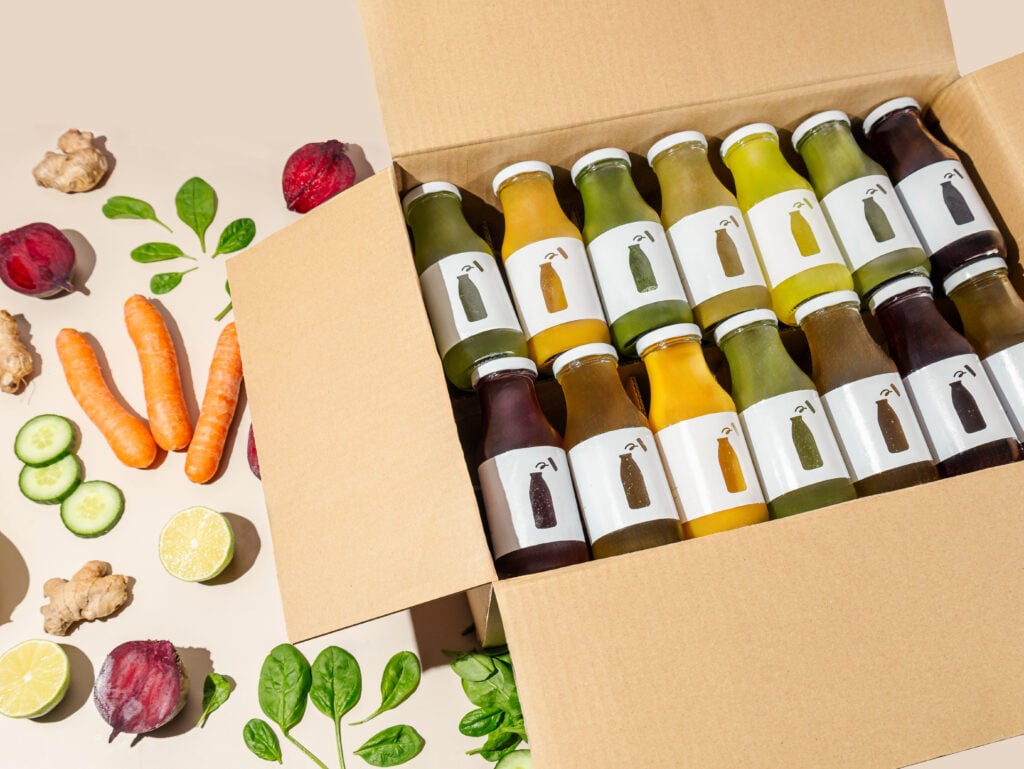
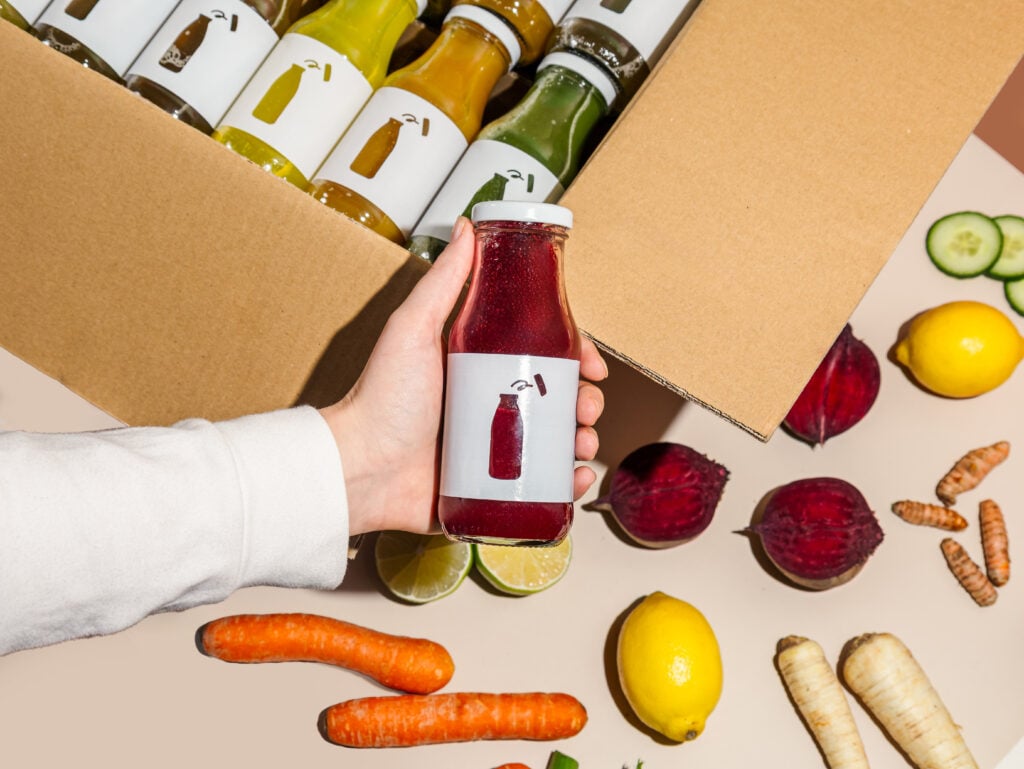
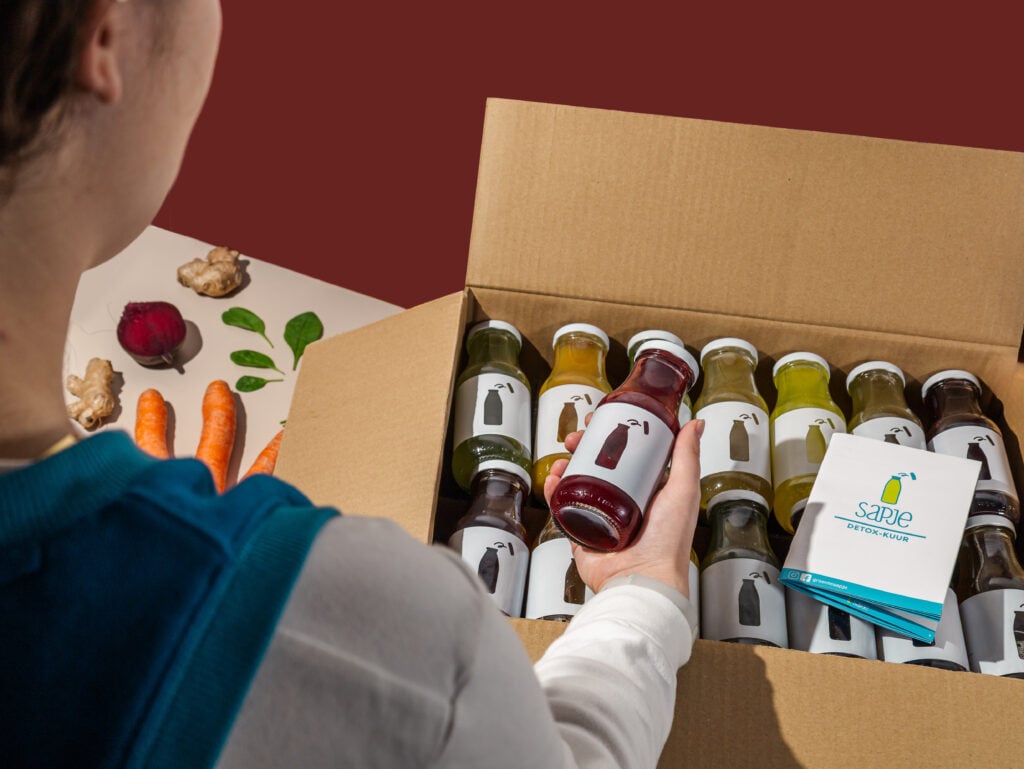
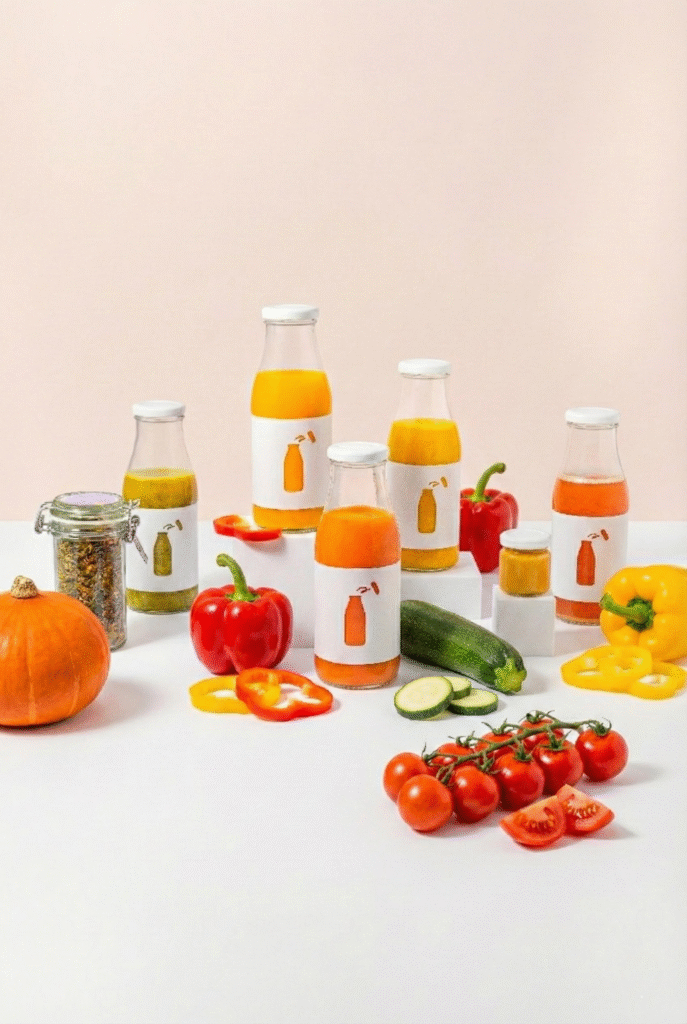
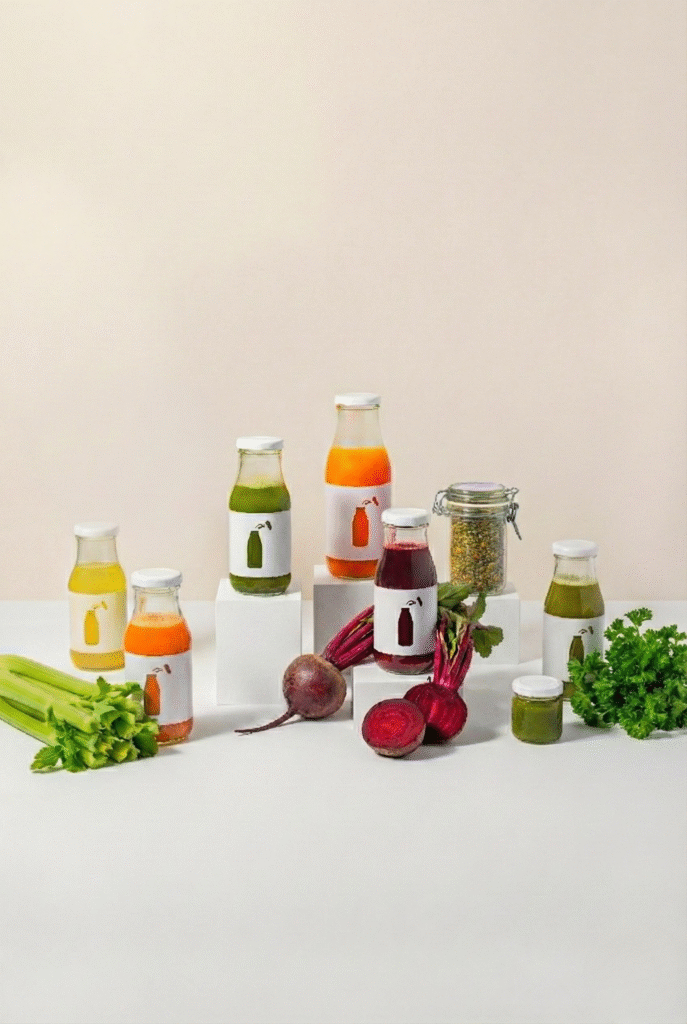
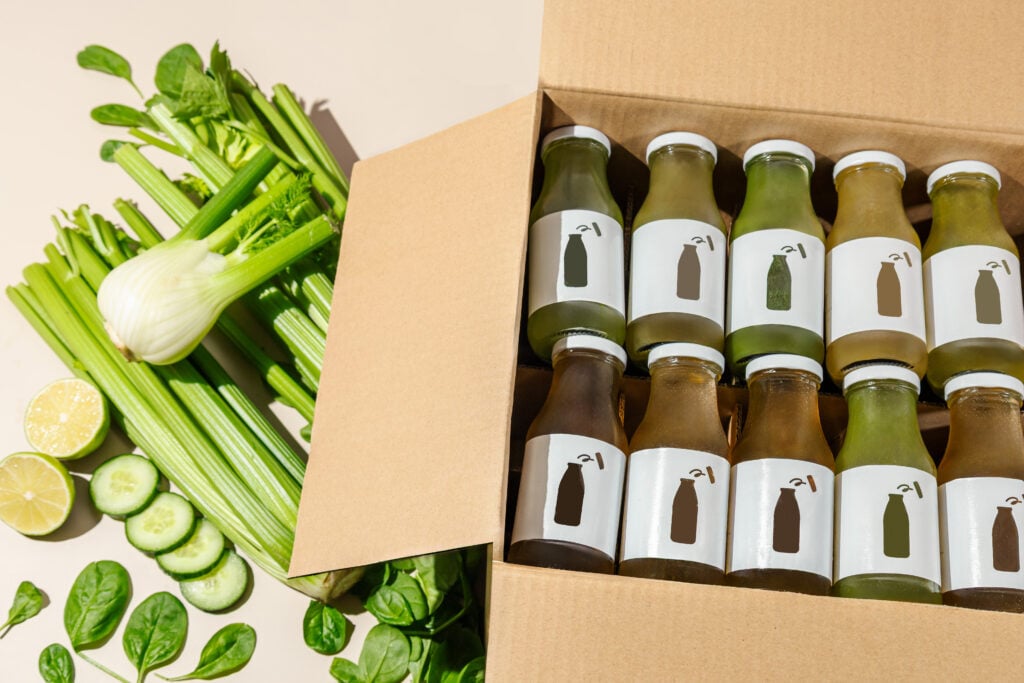
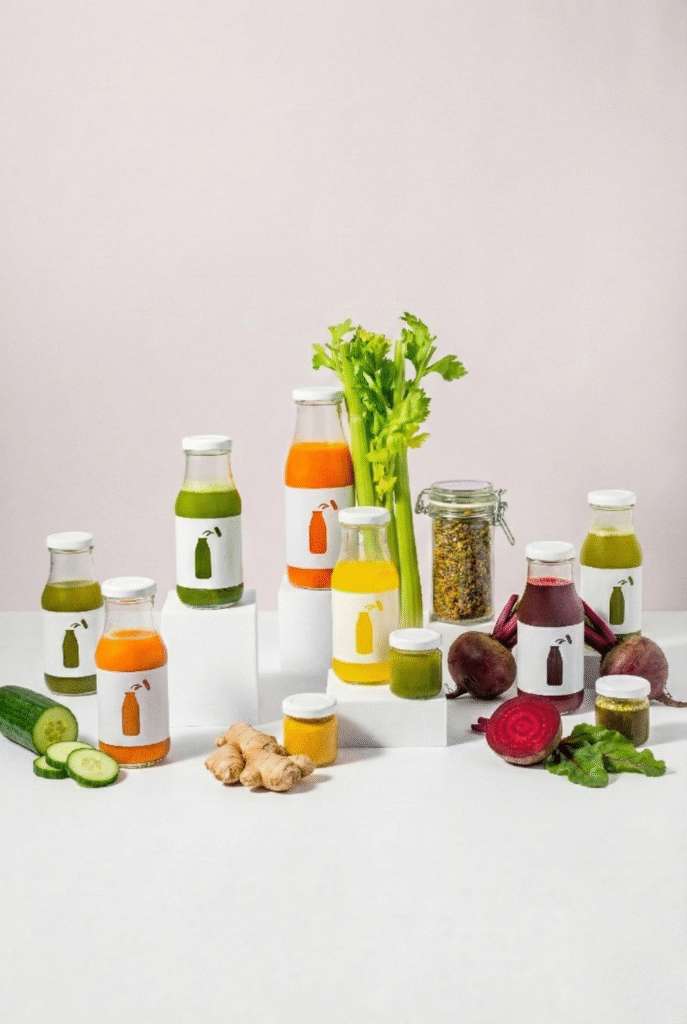
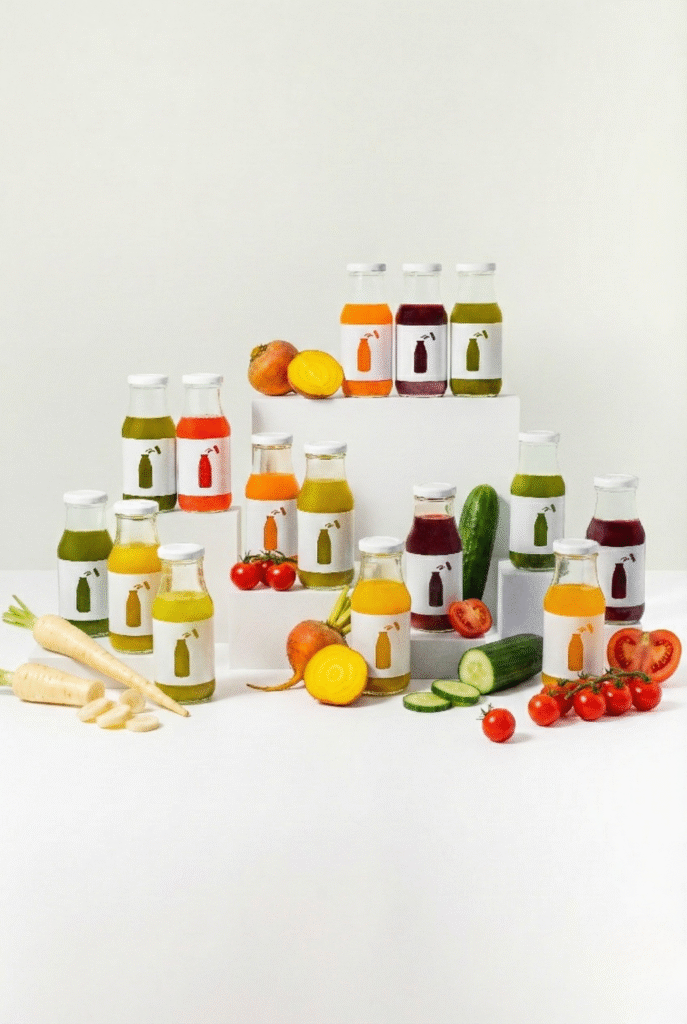
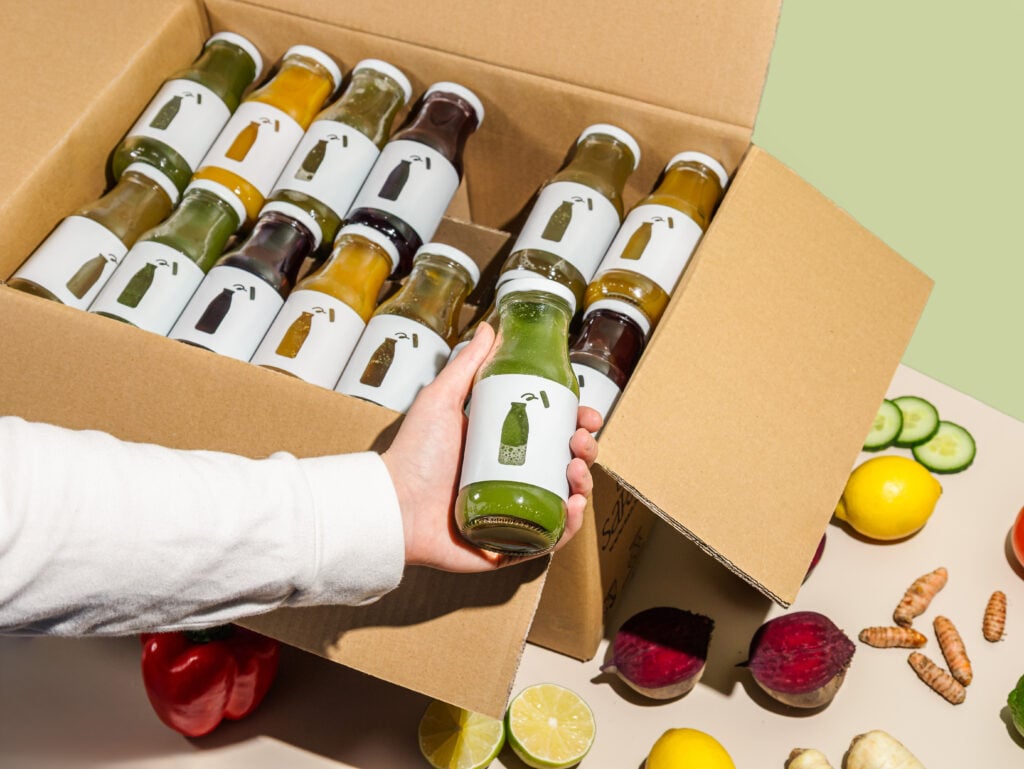
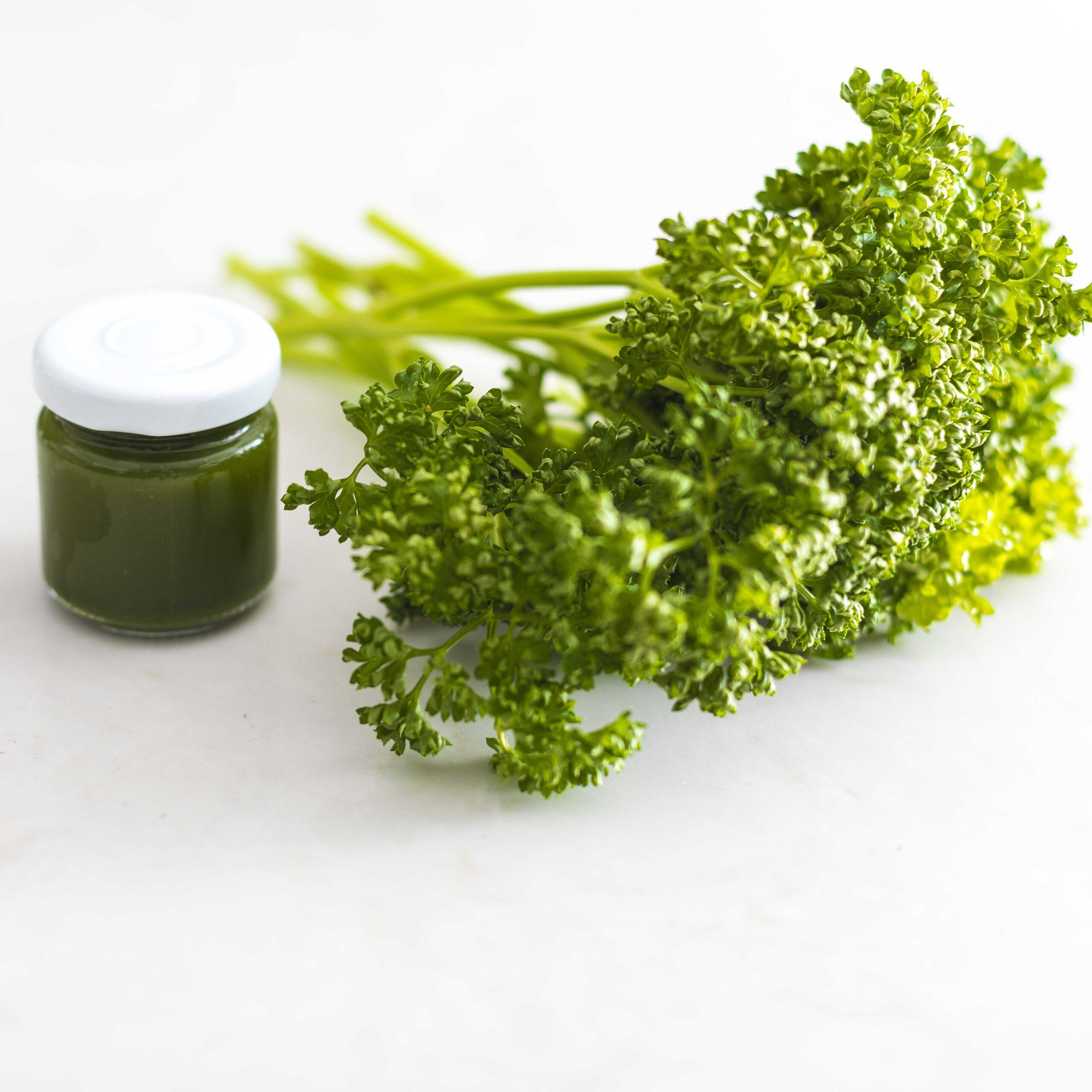
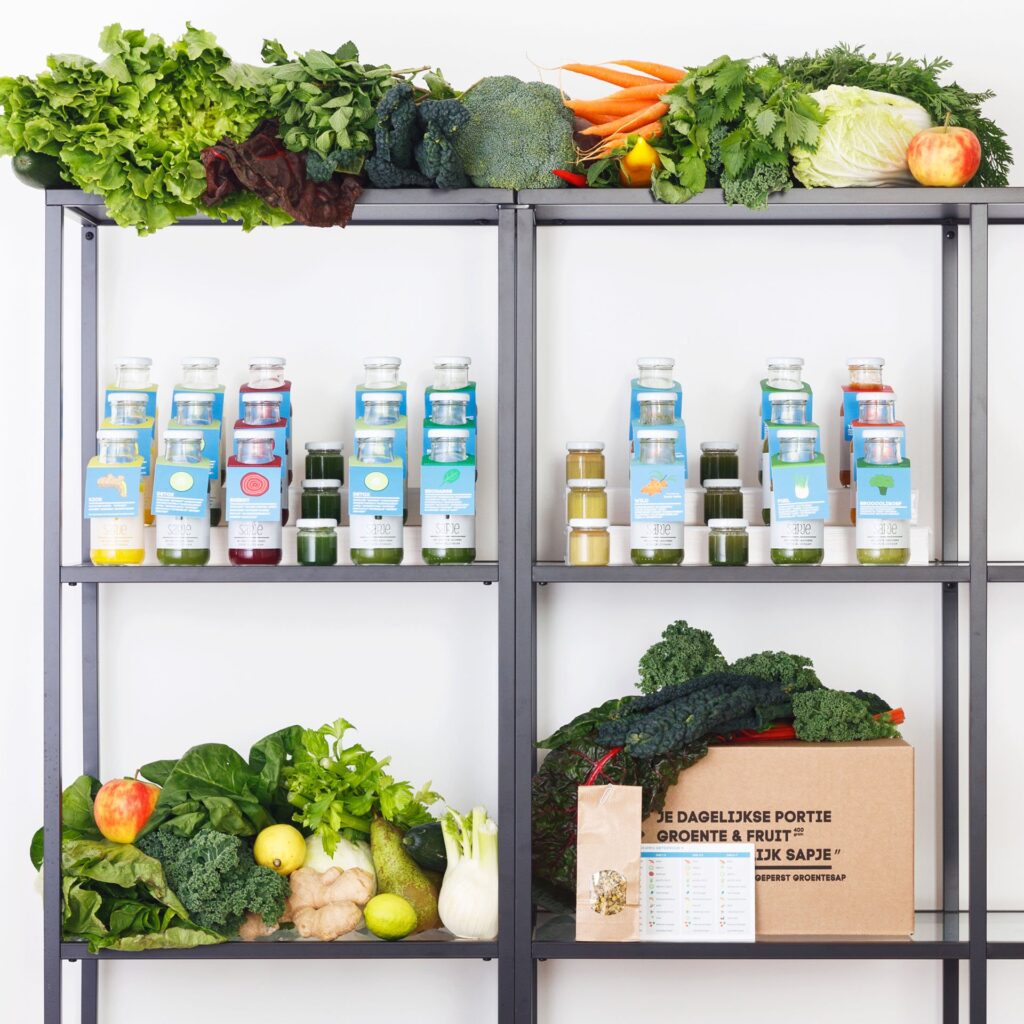
At Sapje, we work with a juice fast. This juice fast cleanse includes 100% freshly squeezed, organically certified juices, soup, tea and complementary natural shots with ginger, turmeric, ginseng, coriander, parsley and wheatgrass. In the 1, 3, 5 or 7 day juice fast you get the nutrients from many pounds of organic fruits and vegetables. A juice detox is a short, liquid cleanse designed to unwind the mind and body. The juice detox provides the body with sufficient fuel, natural vitamins, vegetable fats, proteins, amino acids, minerals and lots of micronutrients. The main reason for following a juice detox is to give the digestive system a break by not offering it heavy proteins, fats and sugars for a few days. This gives the body the opportunity to unwind.
Why juice fasting? Surely my body cleanses and detoxifies itself?
Yes indeed, the body is a self-cleaning system and it does eliminate toxins and other harmful substances on its own. But to keep your body’s self-cleansing function as effective as possible, it is important to minimize delaying factors. The main goal of juice fasting is to ensure that your body can continue to perform its natural functions as well as possible. Juices are not miracle drugs. They can never take over a body’s immensely complicated functions. However, the healthy micronutrients contained in the vegetable juices do help support your body’s natural functions.
Even if you’ve been eating super healthy for years, it can’t hurt to give your body a break and extra support from time to time. We unfortunately live in a world where everyone ingests toxins, no matter how hard you try.
History
Fasting was a very normal process long ago. It seems that in prehistoric times all people “fasted” from time to time. Often by necessity people ate little or nothing during part of the day or part of the year, in some cultures this is still true today. Almost all religions around the world use fasting as part of annual rituals. Contemporary fasting cures such as a vegetable juice cleanse mimic those ancient diets. Temporarily reducing the intake of highly digestible nutrients such as sugars, fat, alcohol, and protein is said to have a positive effect on health and quality of life. The nutrients in a juice cleanse support overall vitality1 and balance between body, mind, and spirit. You can think of a detox as a key to a healthy and balanced life.
There are several ways to fast. Stopping sugar, alcohol, medication, caffeine and smoking for a long(er), continuous period of time is also a way to give your body rest and support. Regular meditation or exercise also helps keep your body healthy, as these activities also provide more balance and contribute to normal organ function.
Customer experiences
Let’s see what juice fasting can do for your body. And most importantly, what does it feel like? What are the experiences of people doing a juice fast cleanse?
Overall, the 100 participants in Sapje’s test group felt very tired with a little headache after the first day and reborn on the third day.
Almost everyone experiences a feeling of (sometimes severe) fatigue during the first one or two days of juice fasting. It is therefore important to build in sufficient rest during the period you choose for your juice fast. The effects of the juice fast are not always easy to predict. Other side effects that occur include headaches, diarrhea, congestion, muscle aches and restless sleep. If these symptoms occur, it probably means your body is settling down. Also, these symptoms may occur because you are stopping harmful foods and drinks. So the juice cleanse is doing its job!
Therefore, these symptoms should go away on their own after a few days. You will feel energetic again and experience an overall “clean” and healthy feeling.
Side effects and effects of juice fasting listed
The possible negative side effects of juice fasting, which are far from common to everyone, are (from most to least common):
- Headache
- Sweating
- Restless sleep (weird dreams and nightmares)
- Extreme cravings for (unhealthy) food
- Muscle pain
- Fatigue
- Low energy level
- Irritations
- Bloating
- Nausea/vomiting
Possible positive experiences during and after juice fasting are:
- More energy for fatigue (including through vitamin C and folate)
- Normal concentration (due in part to iron and zinc)
- Euphoria
- Soft, shiny skin
- Deeper breathing
- More intense taste sensation
Effects of juice fasting on the body
Sometimes during a juice fast cleanse, it seems like you can literally feel your body come to rest. But what exactly happens in the various systems of the body during juice fasting? The main effects at a glance.
- Contributes to the process of cell renewal (by folic acid, among others)
- Supports the immune system (through vitamin C and zinc, among others)
- Helps keep skin healthy from the inside out (through vitamin A, among others)
- Supports normal muscle function (due to potassium, among other factors)
- Helps maintain smooth and strong blood vessels (due to vitamin C)
- Beneficial for good mental balance (due to vitamin B1, among others)
- Good for blood pressure (due to potassium)
- Protection against oxidative damage (by vitamin E, among others)
- Promotes energy metabolism (by including B vitamins)
- Helps normal oxygen transport in the body (due to iron)
- Supports digestion (due to calcium)
- Good for eyesight (due to vitamin A, among others)
The Benefits of Juice Fasting:
Despite the many positive stories about juice fasting, you may still have your doubts about whether juice fasting is really such a wise idea. Is juice fasting really healthy? Some sources advocate a diet with more variety and more fiber than what juices can offer. And there are certainly conceivable health situations in which juice fasting is not such a good idea. Let’s list some of the benefits of juice fasting.
1. Juice fasting can support your immune system
A juice fast detox cleanse can support your immune system and therefore help maintain a healthy and vital body. This is because the wide variety of organic ingredients in vegetable juices are packed with micronutrients known to have a positive impact on your immune system. Examples include vitamins C and A, folic acid, iron and zinc. In vegetable juice, these nutrients are present in their completely natural form.
2. Juice fasting against oxidative damage
The vegetable juices you drink while juice fasting contain many antioxidants. These are active substances in your body that help trap free radicals. These free radicals can cause damage to your body cells, so you don’t want too many of them in your body. The antioxidants from vegetable juices can help protect your body from damage in this way. The vitamins B2, C and E and the minerals copper, manganese and zinc, among others, that are commonly found in vegetable juices have antioxidant functions.
Find and order a juice fasting package with a content of at least 80% vegetable juice and less than 20% fruit juice. Preferably also packaged in glasses and not plastic bottles. At Sapje you can order a cleanse of juice order based on organic vegetable juice of the highest quality delivered throughout the Netherlands and Belgium. Always consult a qualified physician if you are considering a juice fasting cure to support your health or to change your lifestyle in a positive way.
3. Juice fasting is a good way to replenish your micronutrients
With a juice, you treat your body to a bomb of nutrients. Vegetable juice contains an alphabet of vitamins, minerals, amino acids and antioxidants.
Read more benefits of drinking vegetable juice for your health here.
4. Juice fasting can lead to healthier habits
Especially for people with unhealthy eating habits and a penchant for alcohol, coffee and tobacco, juice fasting can take a lot of getting used to at first. The pronounced “green” taste of some juices can cause some discomfort at first. Fortunately, our body is a sensible and flexible system. It is happy to be moved to healthier habits!
The taste buds, for example, are very changeable. The body can reset itself to find exactly the things that are healthy for you. Often we find exactly the things we do not like healthy. The good news is that it is possible to change this. Once the body is in a healthy flow and experiences how delicious it is, it will naturally start to adapt more and more in the right direction. So beware: juice fasting can change your whole life!
The disadvantages of juice fasting
1. Little fiber
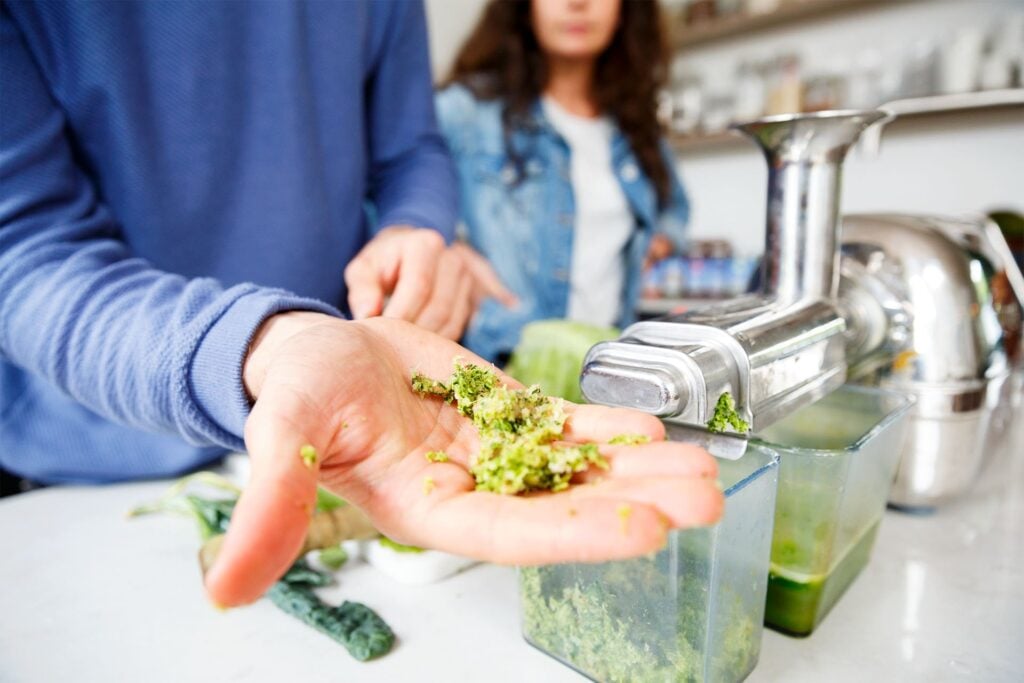
The main difference between juice and smoothie is that during the pressing process of juice, most of the fiber is removed. The advantage of this is that fiber does not interfere with nutrient absorption. A disadvantage is that fiber itself is important and healthy substances. At Sapje we screw press the juice with a special slow juicer where you still get 20% of the fiber and also 100% of the insoluble fiber.
2. Juice fasting can be intense and challenging
A juice fast cleanse of 3, 5 or 7 days is a profound event for the body and mind. All kinds of things can get stirred up physically and emotionally. It is important to handle fasting wisely. It is smart to pick a week when not too many other drastic things are happening in your life. In addition, it is very important to follow a proper preparation and winding down, the pretox and aftertox. This helps make the juice fasting period an enjoyable time. With proper preparation, the body and mind will maintain their balance better.
For some people or in some periods of life, it is not so wise to follow a juice fast cleanse. During pregnancy and menstruation, juice fasting is not recommended. For people with mental illnesses such as psychosis, it may also be unwise. Also persons with an eating disorder usually better not to juice fast. In case of serious psychological and physical complaints, it is always important to consult a doctor before starting a juice fast cleanse.
3. Juice fasting can be expensive
If you want to support your body through a juice fasting cleanse, it is wise to use only organic produce for your juices. The chemicals used on non-organic vegetables and fruits are exactly those heavy toxins we want to avoid during juice fasting.
Unfortunately, fresh organic fruits and vegetables are not cheap. And a juice often requires considerably more vegetables than you would use for a regular meal. So the price of a week of juice fasting can quickly add up. If you order a juice fast orders, you can be assured that you are ingesting high-quality juice with a wide variety of nutrients, and what’s more, you don’t have to purchase a slow juicer. Often the organic cleanses are pricey, though. You might consider, however, that following a detox cleanse might still be a good investment in the long run. As your body builds healthier habits, you will spend less money on alcohol and cigarettes, for example, and hopefully end up saving on any medical expenses!
Juice fasting at home, how do you do it?
Welcome to the wonderful world of juice fasting! Are you curious about how to do a juice fast yourself at home? We are happy to offer you Sapje’s knowledge and experience as support on this adventure.
Juice fasting cleanse recipes
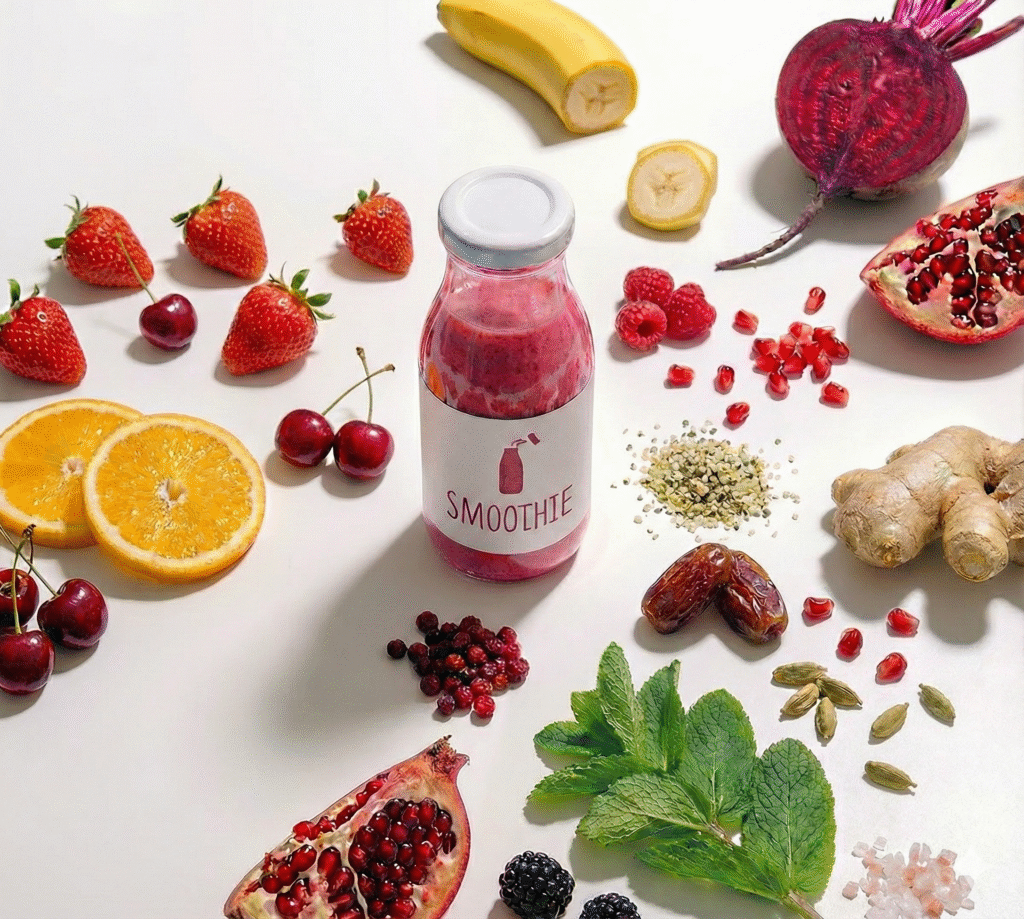
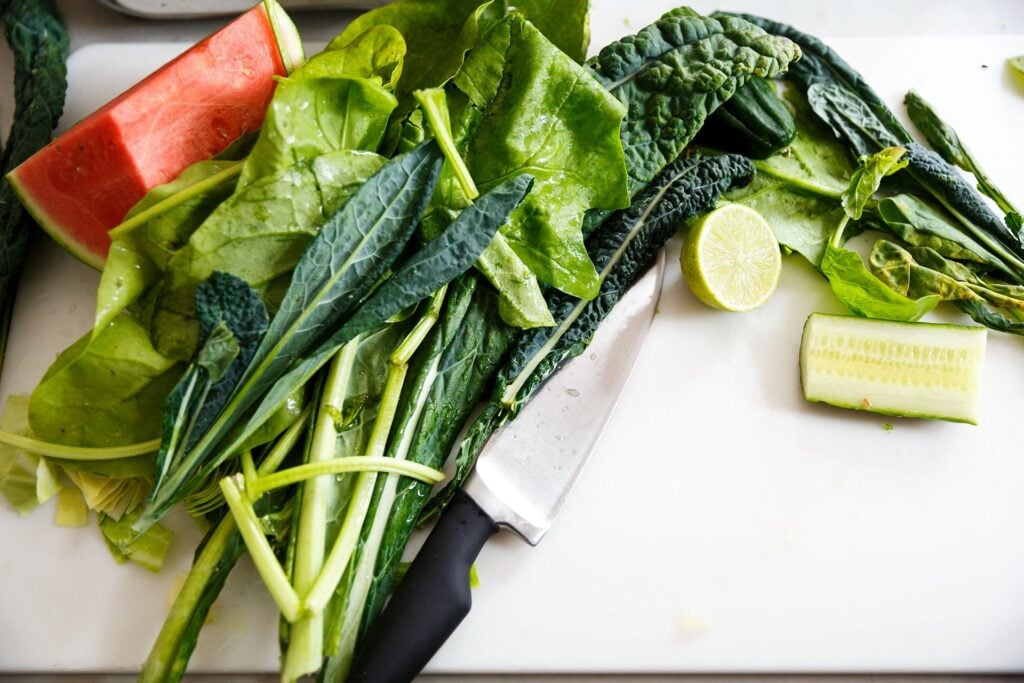
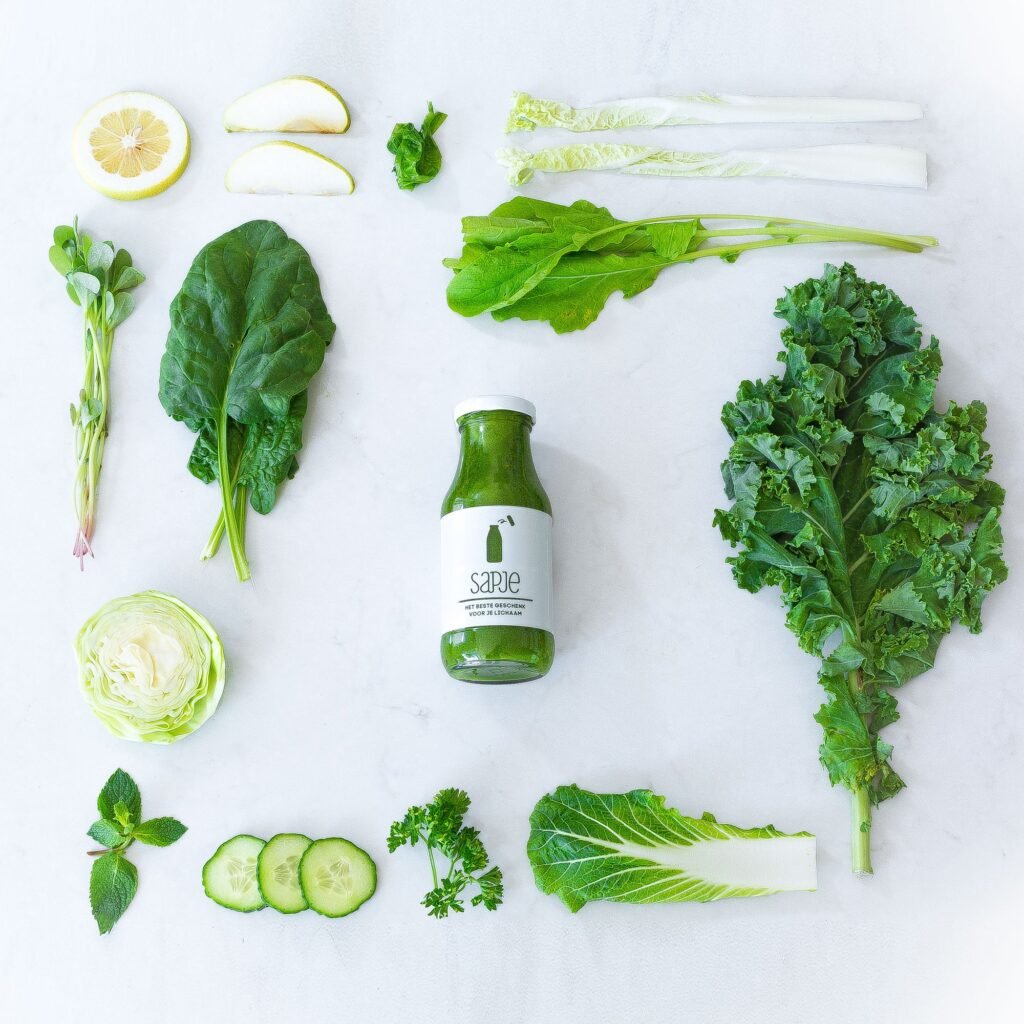
Making the most delicious and beautiful vegetable juices is quite an art! If you are wondering how best to combine ingredients to make the healthiest and tastiest juices possible, we have a few pages of juice recipes here. In general, it often works well to combine ingredients of the same color. We also recommend using as many vegetables and tubers as possible for your juice, and up to 30% of fruit. This is to avoid a high intake of fruit sugars.
For delicious, unusual flavors, you can also work with herbs and spices, and don’t forget the super-healthy zest of the lemon, for example! Have fun and experiment. Creative juicing can lead to great joy! Create a good balance by using as wide a variety of ingredients as possible. Use only raw and as many organic vegetables as possible for the most healthy and pure juicing experience!
Juice fasting: how long and how many days?
Ultimately, how long you keep up the juice fast is entirely up to you. There are people who juice fast for weeks, but for the beginner, we recommend a 1, 3 or 5 day juice fast cleanse. Juice fasting for 1 day can be a wonderful gift to you. A 3- or 5-day juice fast is a bit more intense and requires good planning.
It helps to make clear agreements with yourself in advance about how long your juice fast cleanse is going to take. This prevents confusion along the way. It is smart to work with eating schedules. This way you know in advance when you will drink which juice. In this way, you can plan a healthy and balanced day in which you can be sure to get a varied amount of nutrients from vegetable juice, at regular times. A clear structure can help our minds relax during the adventure of a juice fast!
Juice fasting preparation
Juice fasting requires proper preparation. Do research on healthy and balanced recipes. Do your shopping in advance and make a juice schedule so you know when you will drink which juice. You may need a good slow juicer purchase.
Perhaps the most important preparation is for your body to gradually prepare itself for the juice cleanse by what is known as a pretox. We have found that taking the pretox and aftertox seriously usually leads to a much more pleasant and effortless experience during the juice fast. Start adjusting your eating habits at least three days in advance. It is wise to stop coffee, alcohol and cigarettes three days before the juice fast. We also recommend not consuming meat and as little sugar as possible during the pretox. You could already start by drinking juices a few times a day, for example instead of a snack. Build off animal protein during the pretox and also eat less fat.
For the aftertox, you can maintain similar habits as for the pretox. It is really advisable not to immediately start back with heavy meals and toxins such as alcohol and caffeine. Give your body a gift by rebuilding slowly. You then have a greater chance that the healthier habits of juice fasting will permanently change something in your lifestyle patterns.
Ordering juice fasting cleanses

Juice fasting: healthy or unhealthy?
With all this info listed, we can ask ourselves what the final conclusion is: is juice fasting healthy or unhealthy?
We believe juice fasting is a healthy option for almost all people. It gives your body and mind a reset that can provide more balanced and healthier living habits. You support your immune system1 support and your digestion gets a rest. By temporarily eating less, you mimic scarcity for your body. During juice fasting, you will ingest several pounds of vegetables per day and thus a large amount of micronutrients.
Do you take medication or want to juice fast for more than 7 days? If so, always consult with a specialist or physician. There are people who have fasted on juices for 30 to 60 days and feel excellent.
Many people in the Netherlands could change their lifestyle by fasting. But always fast wisely: don’t make it a competition and only do it out of love and care for yourself.