
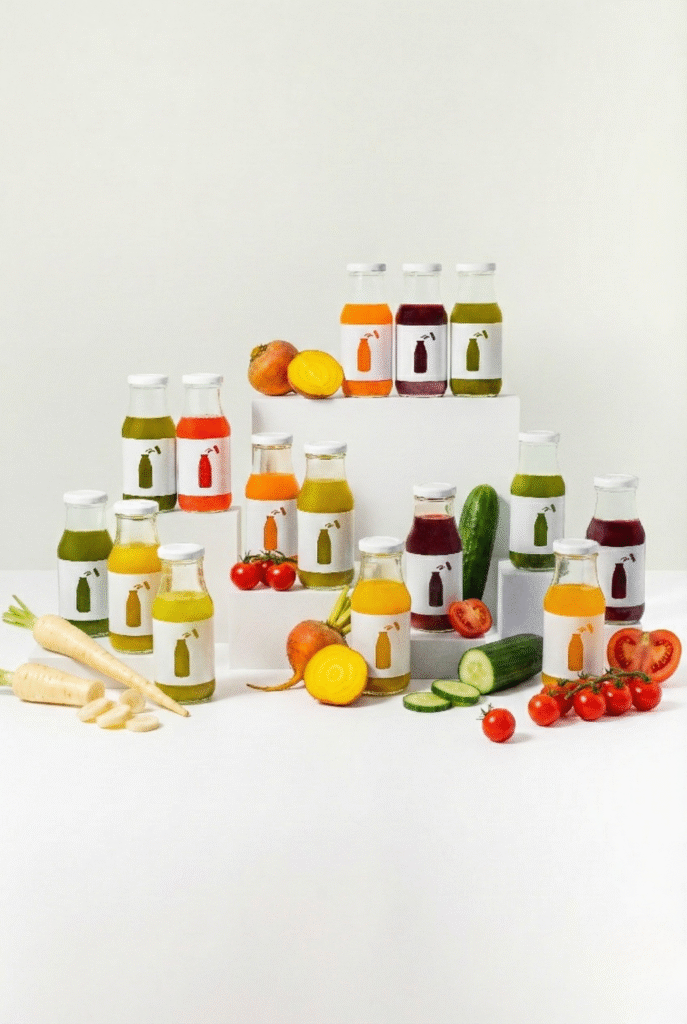

Difference between Vegetables & Fruits
The eternal debate, is tomato a fruit or vegetable? Does rhubarb belong to fruit or does it fall under veggies? Bell peppers, zucchini, and there are many more doubtful cases. Does a greengrocer also sell fruit? Or does the fruit grower also grow vegetables? Of course, without a clear separation, it becomes difficult to meet the recommended 250 grams of vegetables and 2 pieces of fruit per day. Just what is the difference between vegetables and fruit? Let’s get the facts straight, and try to bring clarity to the chaos.
In this blog, we begin by defining a number of different definitions. Unfortunately, there is no single definition, so we will have to make do with a number of different ones. First we take a look at the dictionary, then we check the scientific definition. We look at the U.S. court ruling, and finally a conclusion.
Dictionary
The Dictionary of Dale defines vegetables as ‘Plants serving man as food’. Fruit is explained as “edible fruit,” and fruit in turn is defined as “part of a plant, arising from the fruiting principle: Legume” and “Edible product of a plant. With this explanation, one could argue that if you can eat the whole plant, then it is vegetable, and if you can only eat a part, or the product of the plant, then it is a fruit. This is an easy rule of thumb to remember, and for lettuce, spinach and leeks, this will also confirm what most people consider vegetables. With lemon, berries and apples, most people will also be satisfied with the definition fruit. As for zucchini, peppers and tomatoes, they will fall under fruits by this definition, which not everyone will agree with.
Horticultural
According to the horticultural definition, anything that grows on an herbaceous plant is vegetable, and anything that grows on a woody plant is fruit. Again, this is a clear rule that certainly captures the imagination. Pears and apples, of course, grow on trees, a woody plant. Herbaceous does not directly mean chives or parsley, but a “vascular plant,” that is, a plant that is not woody or very little woody. It’s getting very scientific now, but these terms have everything to do with growth and water transport, woody plants are characterized by secondary thickness growth, so they contain a lot of wood. Vascular plants contain vascular bundles, bundles of transport tissue, mainly xylem and phloem, a good example of vascular bundles is the transverse section of a celery, here you can see the vascular bundles running.
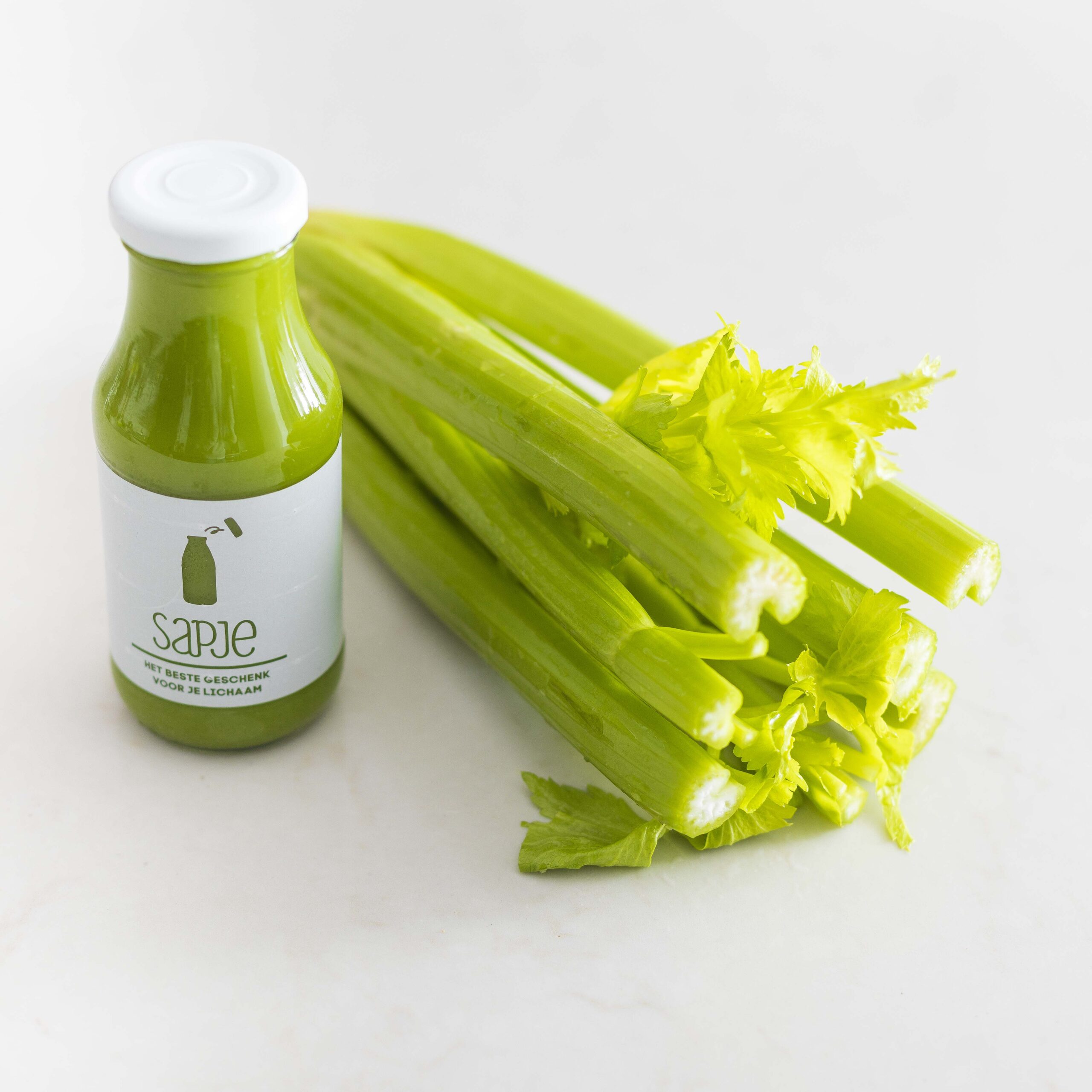
With this definition for the difference between vegetables and fruits, however, we again run into some problem cases. How about strawberries, they grow on an herbaceous plant and would therefore be vegetables. Bananas, which may grow on a tree but to what extent is this tree woody? Melon, in this case is also a vegetable.
American court
One of the most famous references to the classification of foods as fruits or vegetables comes from the United States, specifically the case of Nix v. Hedden in 1893. This case revolved around the question of whether tomatoes, used for tariff classifications on imports, should be considered fruits or vegetables.
The botanical definition indicates that tomatoes are fruits because of their seeds and development from the flower of the plant. However, the court case decided that tomatoes were considered vegetables for tax purposes based on their culinary uses and how they were used in commerce. This was purely a legal classification, contrary to botanical reality.
Linguistic
‘Daar plukt u de vruchten van’, in the Dutch language it is quite clear that we find that you can pick fruit. Then the apple, pear and tangerine come out as fruit, so far so good. But cucumbers, zucchini and pumpkins can also be picked. Then again, that doesn’t quite match the collective opinion.
Edible plant?
If you can eat the whole plant it is vegetable? Then lettuce, broccoli, beets and onion fall under vegetables, but peppers, tomatoes and corn again do not.
Nutritional value
So is it still possible to distinguish between fruits and vegetables in nutritional value? Apples contain 11.8 grams of sugar per 100 grams, lemons 3 grams and watermelon 7.5 grams. Onion contains 6.1 grams of sugar per 100 grams (raw), broccoli 1.5 grams and celeriac 0 grams! Vegetables generally have less (natural) sugars, but it is not possible to draw a line when they are or are not vegetables anymore.
What about vitamins, let’s take vitamin C. In 100 grams of raw broccoli 114 mg, in onion 6.5 mg, apples 10 mg and lemon 45 mg. So again, it’s going to be difficult to draw a line for the difference between vegetables and fruits.
Usage and preparation
Most people have a certain feeling, about what fruit and vegetables are. First of all, vegetables are mostly used in the hot preparation, in the Netherlands mainly consumed at dinner, as a main course. Fruit is eaten as a snack, side dish or with dessert. It is often sweet and tasty like a strawberry, but also the sour lemon, which is less popular as a loose snack is often on the fruit bowl.
You often eat fruit raw and cold, and vegetables often cooked and hot. If you think that, then you have a lot to learn from us! Did you know that you can eat a lot of vegetables just raw, and that raw vegetables have a different vitamin composition! For example, some vitamins degrade with heat. For example, you can eat cauliflower, spinach and beets very well raw, but even easier: drink one of our juices! Eating raw potatoes and green beans is not recommended.
At Sapje
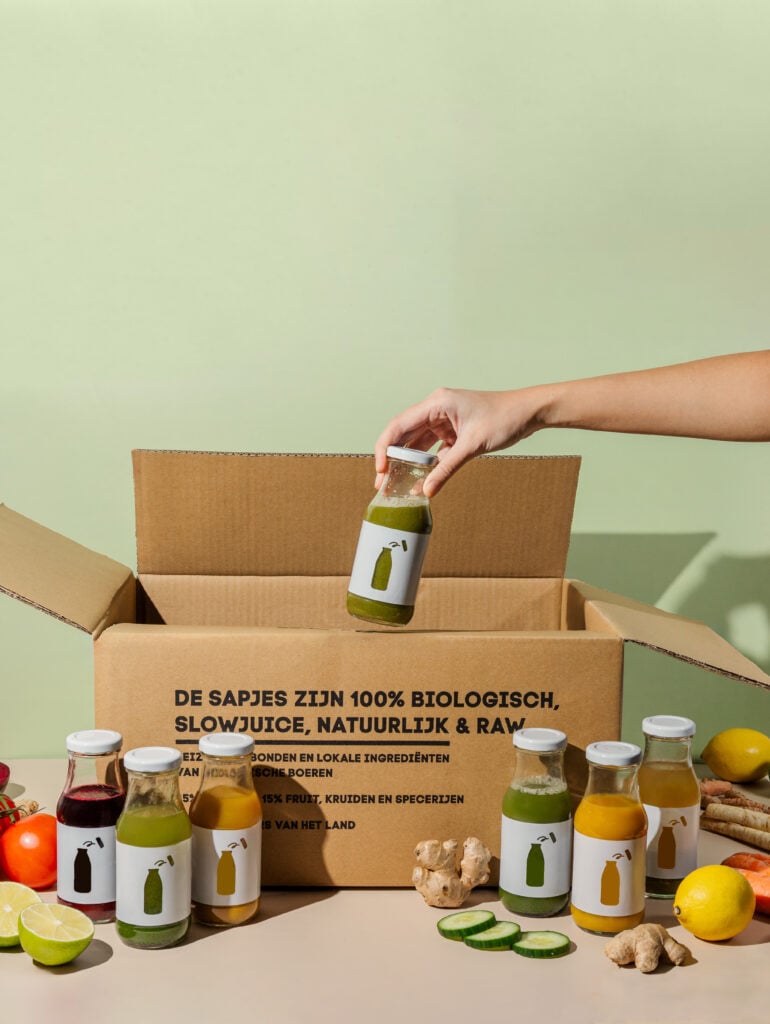
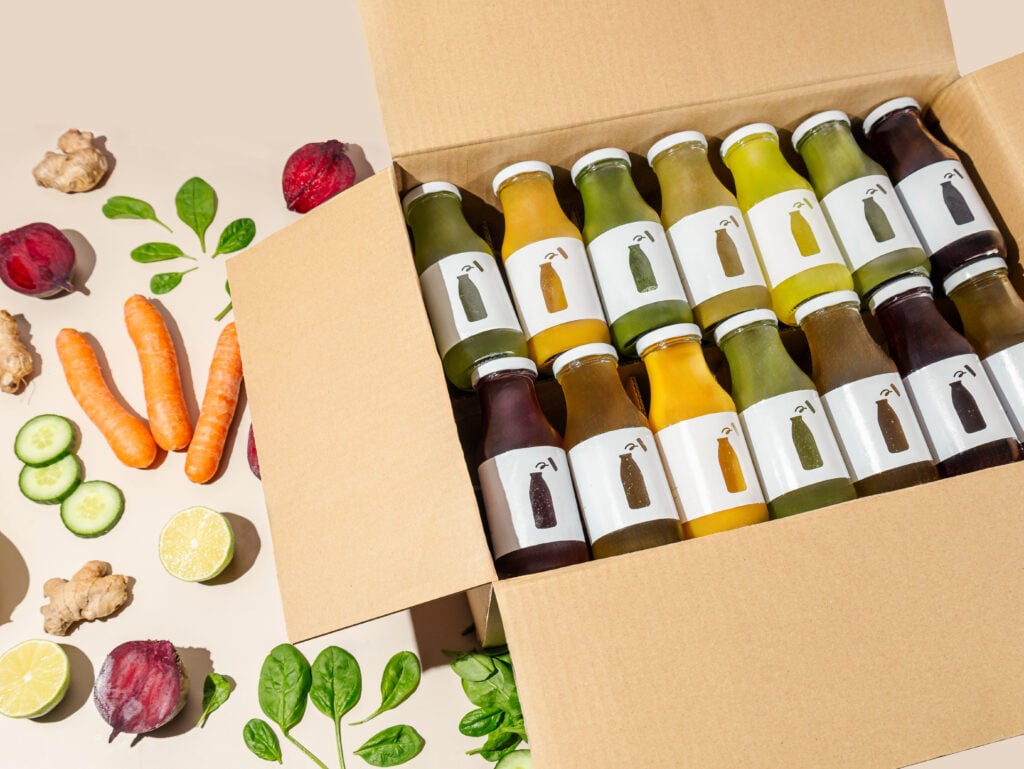
One of our promises is that we make juices from an average of 85% vegetables, the philosophy behind this is that we mainly want to preserve the goodness of vegetables, all the vitamins, minerals and other substances that contribute to your health. Fruit often has more fruit sugars and needs more of the dietary fiber, which is of course not a shame, but because of this we keep a bit more moderation, but sometimes it still provides that fresh and sour taste.
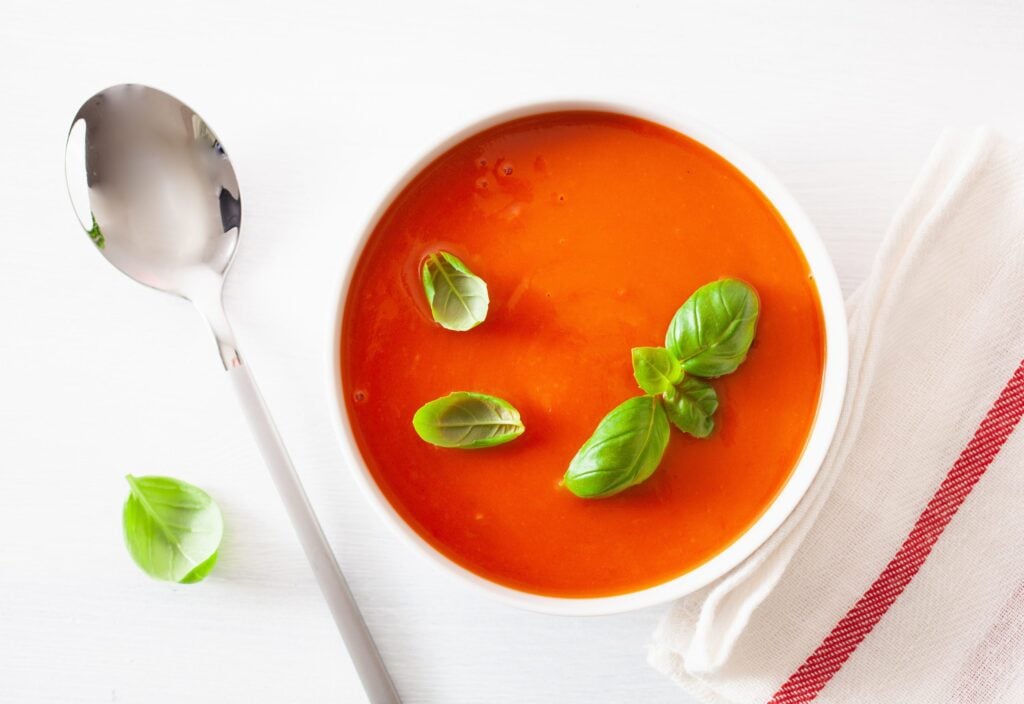
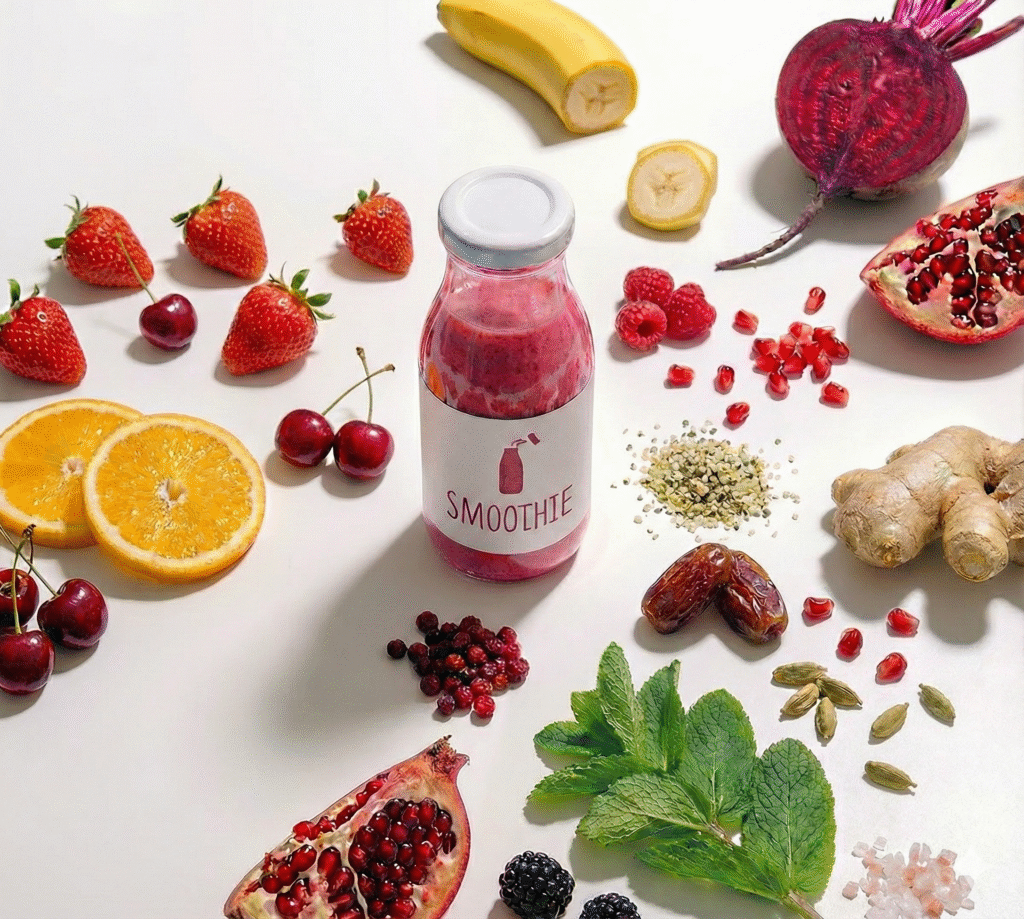
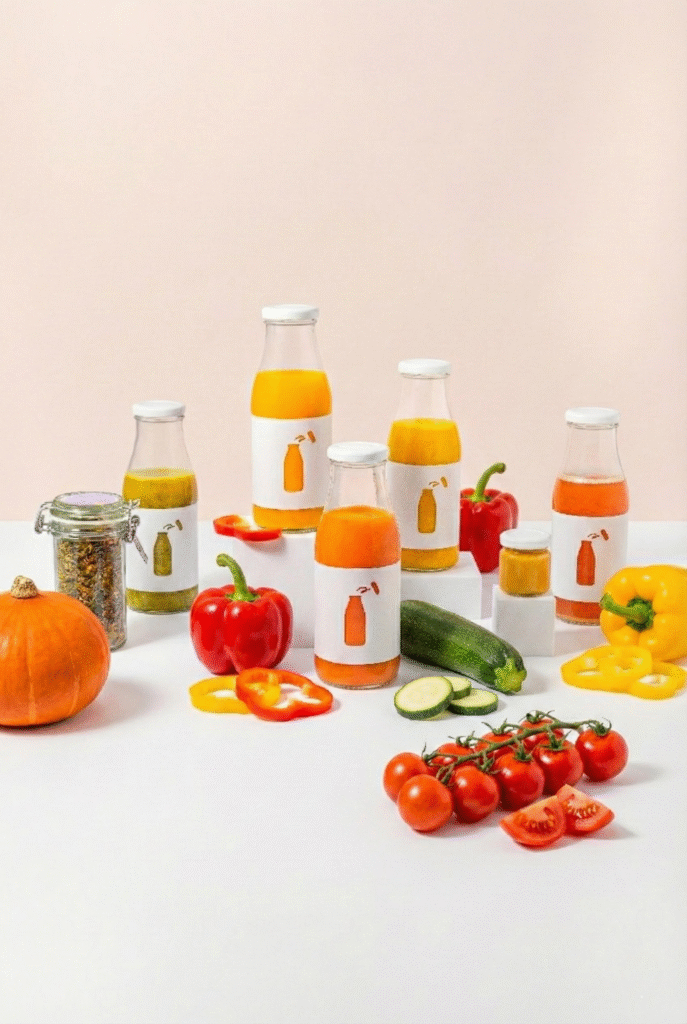
At Sapje, we try to keep it transparent, and so when it comes to fruits and vegetables, we assume the collective opinion. What most people consider a vegetable, we consider a vegetable, and so too with fruit. In that, tomato is a vegetable, as are cucumber, peppers and zucchini. Rhubarb belongs to fruit, as do bananas, strawberries and lemons.
Do you have a completely different opinion? Then we would love to hear it because the customer is king!
Contact