



Good intentions for a healthy lifestyle
The beginning of a new year is the time for many people to make a fresh, healthy start. Have you made good resolutions for a healthy lifestyle? Then you are not the only one. As many as 80% of the Dutch have one or more resolutions at the beginning of the year (1). Living healthier is one of the most important goals. However, it is often difficult to keep these resolutions. In this blog we tell you what you can do to make your life healthier and how you can make sure you keep your resolutions.
Make a plan
Changing your behavior is difficult, especially when it comes to healthier living. therefore, in order to keep up your good resolutions for a healthy lifestyle, it is important to get it right. By setting achievable goals and making a concrete plan, the chances of success are much greater. In addition, it is important that you really want it. A useful tool is to make an if-then plan (2). This is a concrete plan in which you describe when, where and what/how you are going to achieve your goal. If situation X occurs, I will do Y.
For example, “If I sit on the couch in the evening and get hungry, I eat a piece of fruit.”
- When: In the evening when I get a craving
- Where: On the couch
- What/how: I eat a piece of fruit
Because your plan is already laid out, you don’t have to think about what you’re going to do at the moment. This allows you to execute your plan on autopilot and increases your chances of success. Start with a small change each time and work toward a healthier lifestyle step by step.
Healthy resolutions
Now you know how to make sure your healthy lifestyle resolutions don’t fail before January ends. Many people try a detox or start yet another diet. But what resolutions can you actually make to make your lifestyle healthier? A healthy lifestyle is a collection of many different factors. Nutrition and exercise, but also sleep and relaxation, for example. Below we give you 6 tips to make your life (even) healthier.
1. Nice exercise
Getting enough exercise is an essential part of a healthy lifestyle. Not only is it important to keep your body healthy, but the substances released during exercise also contribute to your mental health. This does not mean that you have to hit the gym every day. Taking a nice walk with the dog, cleaning the house or working in the garden, for example, also count as exercise. Any form of exercise already has a positive effect (3).
Do you resolve to do more exercise or sports? Then choose something you really like, so that it is easier to keep up. Make a concrete plan. For example, agree with yourself that from now on you will always do your (small) shopping by bike or ask a friend to go to the gym together every Saturday morning at 10:00 am.
2. Eat consciously
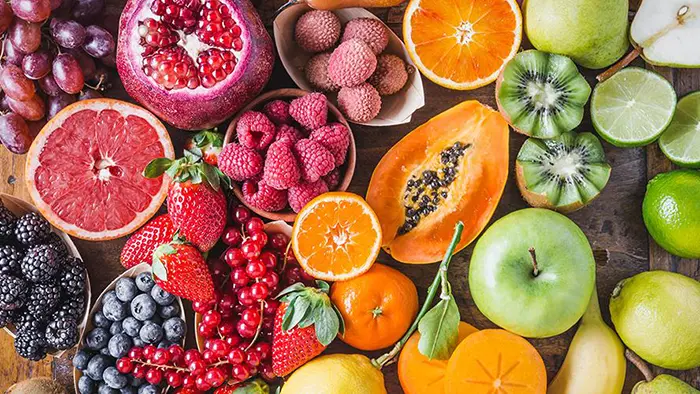
Healthy eating helps you stay fit and healthy. By consciously thinking about what you eat and drink, you ensure that you are getting all the important nutrients. The basis of a healthy diet consists of (4):
- At least 250g of vegetables daily
- Daily 2 servings of fruit (200g)
- Choose mostly whole grain cereal products
- Choose legumes, nuts and fish regularly
- Eat less processed or red meat
- Choose mostly unprocessed foods
- Watch your salt intake
- Preferably drink water, tea or coffee without sugar
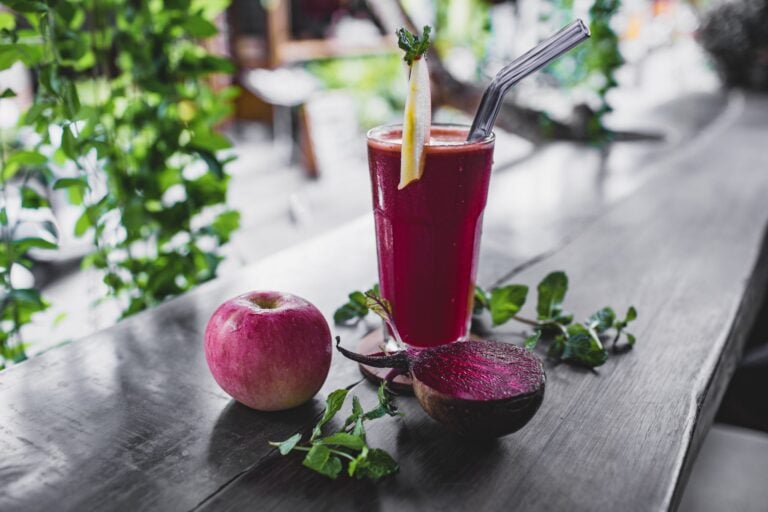
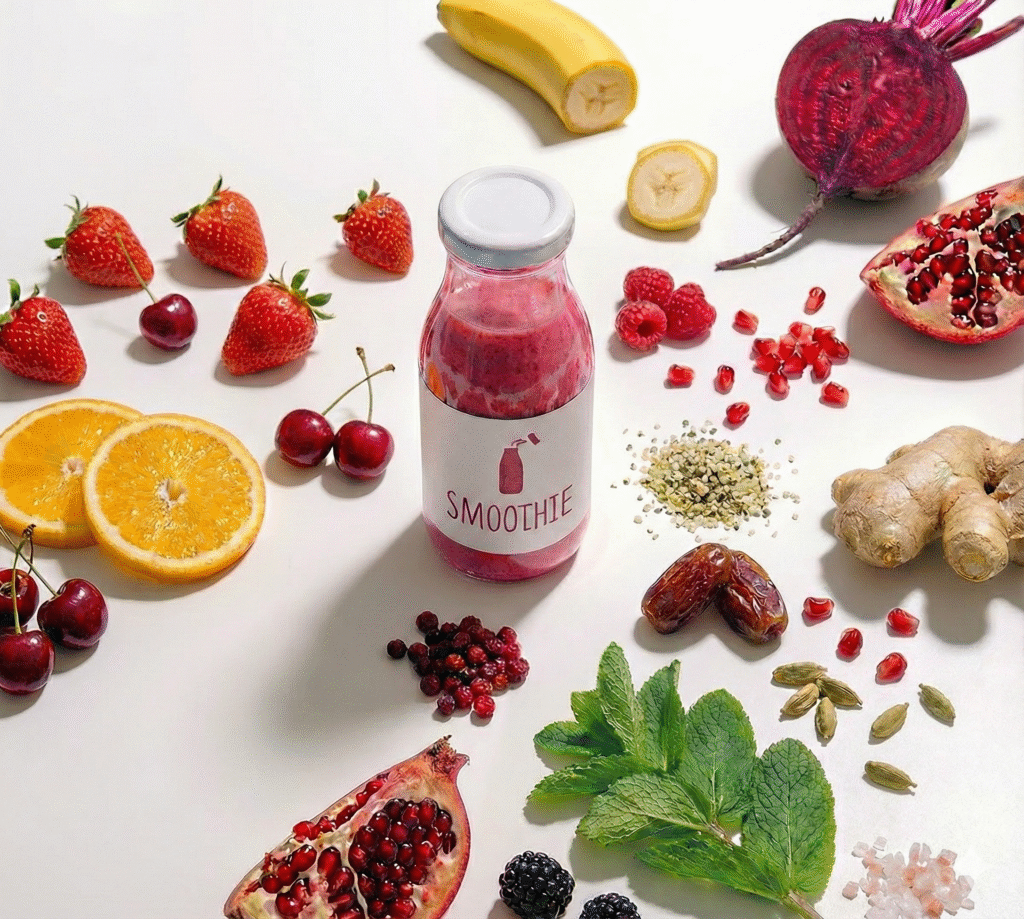
The occasional cookie or piece of cake is, of course, fine. The most important thing about a healthy diet is that you can stick with it. Do you want to eat healthier? Then make a clear plan of action with achievable small steps. For example, if your goal is to eat more vegetables, you could agree with yourself to drink a green smoothie with your breakfast every morning. Your if-then plan is then as follows: If I have breakfast in the morning, I will drink a green smoothie with it. Of course, you can continue to snack as long as you do so with healthy snacks.

3. Less stress
You probably know that too much stress is not good for your health. Yet with our current busy lives, reducing stress is often easier said than done. A healthier lifestyle is a good first step to reducing stress symptoms. Furthermore, you can use the following tips to create more relaxation in your life:
- Make time for things you enjoy more often
- (Re)discover new hobbies
- Get out into nature
- Read a book
- Ensure regularity in your day
- Try meditation. There are several good (free) apps you can use for this.
- Maintain social contacts, for example, meet with friends more often or join an association or club
- Go to bed on time
- Make sure your home is tidy
When stress symptoms interfere with your daily life, do not hesitate to seek help. This can be done through your primary care physician.
4. Get enough sleep
You probably recognize it: after a night with little sleep it is harder to concentrate, you feel lethargic and your mood is not at its best either. Sleeping well is an important part of a healthy lifestyle. It not only makes you feel energetic, but sleep is also essential for many important processes in your body, such as your memory function, the functioning of your immune system and the processing of emotions (5).
Sleeping well starts with good sleep hygiene. The following tips can help you sleep better (6,7):
- Go to bed around the same time every day and also get up around the same time
- Get 7-9 hours of sleep per night
- Don’t take naps during the day
- Do not drink coffee or other substances containing caffeine in the evening
- Exercise regularly
- Do not drink alcohol before sleeping
- Try to relax an hour before you go to sleep, such as by reading a book or taking a bath
- Provide a dark room with a comfortable temperature
- Avoid noise, use earplugs if necessary
- Do not use screens starting one hour before bedtime (phone, laptop, etc.)
5. Handle alcohol consciously
Try to moderate your alcohol consumption and stick to a maximum of one glass of alcohol per day. Drinking alcohol is not good for your health. It increases the risk of illness and also reduces your sleep quality (4,8).
An if-then plan can also help when cutting down on alcohol. For example, agree with yourself: When I arrive at the party, I will have a glass of soda or water.
6. Less meat
Meat can certainly fit into a healthy diet. It provides several beneficial nutrients, such as protein, B vitamins and iron. However, eating too much processed and red meat can be detrimental to your health (4). In addition, meat production has a major impact on the environment. So by eating meat less often and choosing substitutes like legumes and nuts more often, you are doing both yourself and the earth a favor! We created 8 healthy and quick recipes including a few without meat.
Resources
- Healthy good intentions are popular.(2016, Dec. 30). ING newsroom. https://nieuws.ing.nl/nl-NL/189746-gezonde-goede-voornemens-zijn-populair
- Gollwitzer, P. M., & Sheeran, P. (2006). Implementation intentions and goal achievement: A meta-analysis of effects and processes. Advances in experimental social psychology, 38, 69-119.
- Health Council. Exercise Guidelines 2017. The Hague: Health Council of the Netherlands, 2017; publication no. 2017/08.
- Health Council. (2015). Good nutrition guidelines 2015.
- Mukherjee, S., Patel, S. R., Kales, S. N., Ayas, N. T., Strohl, K. P., Gozal, D., & Malhotra, A. (2015). An official American Thoracic Society statement: the importance of healthy sleep. Recommendations and future priorities. American journal of respiratory and critical care medicine, 191(12), 1450-1458.
- Irish, L. A., Kline, C. E., Gunn, H. E., Buysse, D. J., & Hall, M. H. (2015). The role of sleep hygiene in promoting public health: A review of empirical evidence. Sleep medicine reviews, 22, 23-36.
- Caddick, Z. A., Gregory, K., Arsintescu, L., & Flynn-Evans, E. E. (2018). A review of the environmental parameters necessary for an optimal sleep environment. Building and environment, 132, 11-20.
- Koob, G. F., & Colrain, I. M. (2020). Alcohol use disorder and sleep disturbances: a feed-forward allostatic framework. Neuropsychopharmacology, 45(1), 141-165.