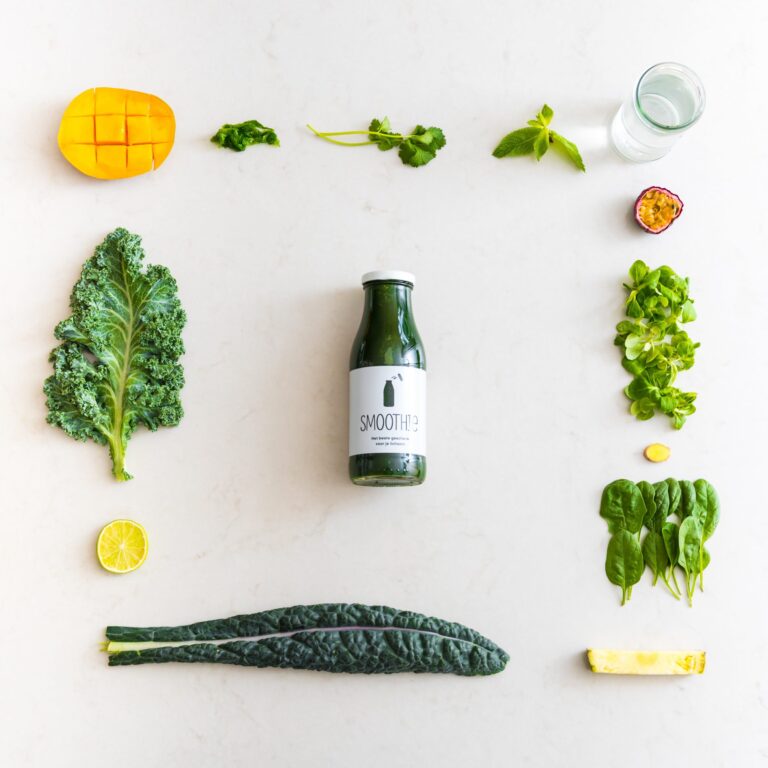
In recent years, the spices ginger and turmeric have been all the rage. This is mainly because of the health benefits attributed to them. Among other things, both roots contain a lot of potassium, making them beneficial for your blood pressure and partly responsible for the proper functioning of your muscles and nerves. Want to take advantage of these properties naturally? Then making turmeric juice or ginger juice is a good idea. Below you can read how! We give you two tasty recipes, helpful tips and more information about these spicy wonder roots.
Why is ginger healthy?
Why is ginger and ginger shots so healthy? Actually, we could devote an entire blog to that, because ginger has many different health benefits. These include the vitamins and minerals that ginger contains. For example, ginger is a natural source of copper. This mineral is involved in a large number of processes in your body. For example, copper helps your immune system and is important for your energy metabolism. In addition, copper has a function as an antioxidant, helping to protect your healthy body cells from free radicals. Ginger also contains gingerol. This is the substance that gives ginger its distinctive sharp taste. Want to read more about the health benefits of ginger? You’ll find much more information on our ginger juice page.
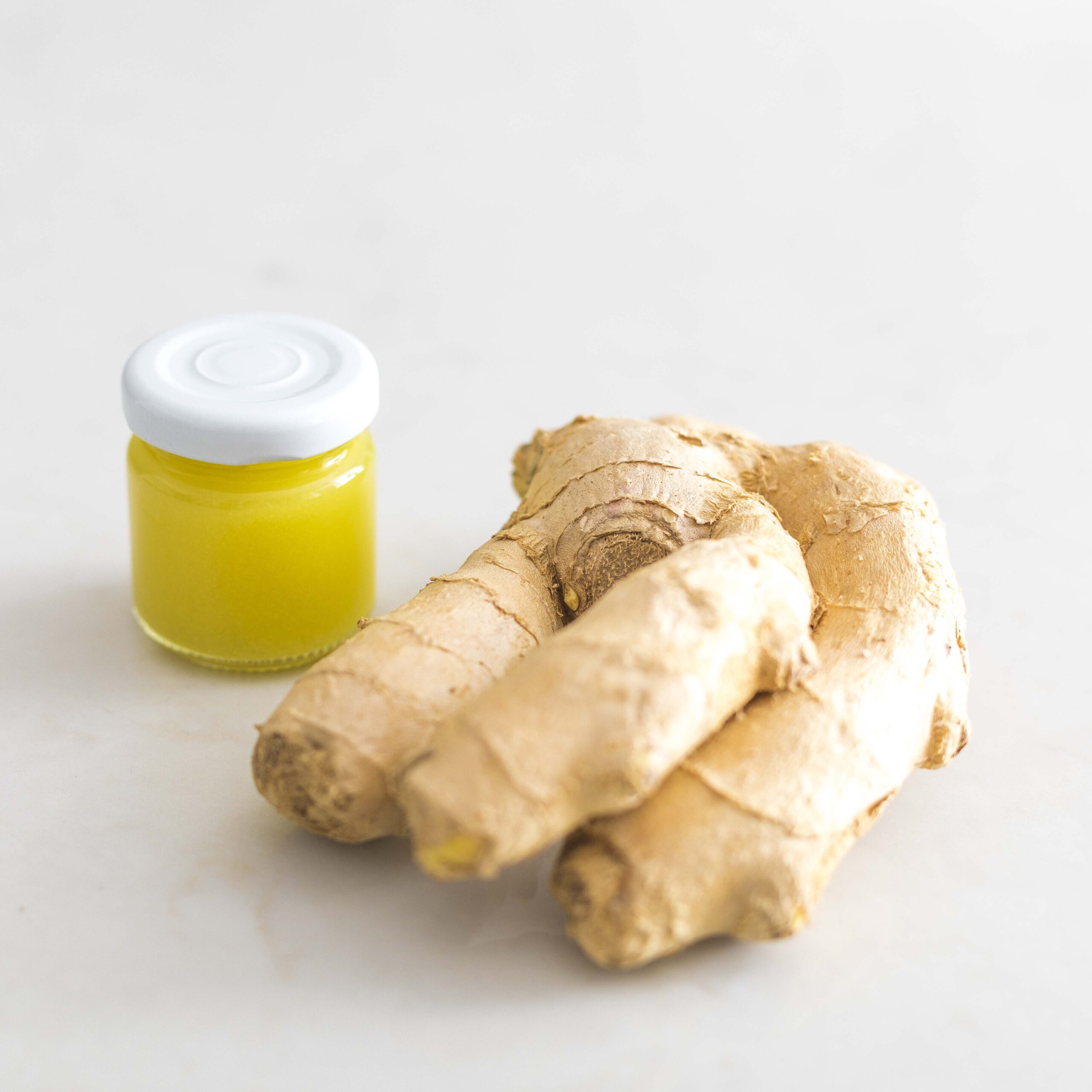
Would you like to enjoy the health benefits of ginger root? Then making ginger juice is an excellent idea. It allows you to ingest large amounts of raw ginger. Make ginger juice preferably with a slow juicer. Then the nutrients are preserved best. If you choose organic ginger, you can easily squeeze the peel as well. Pure ginger juice has a strong taste, which most of us find difficult to appreciate. That’s why it’s best to add some other ingredients, as in the recipe below. For that, you need:
– a piece of fresh, organic ginger the size of your thumb – half an organic Granny Smith apple – a quarter lemon – a quarter cucumber
What comes out of your slow juicer is a fresh-sour juice with a tangy kick. Don’t have a slow juicer or no time to make your own ginger juice? At Sap.je, you can also buy ginger juice in the form of our Immunity ginger shot.
Why is turmeric healthy?
Turmeric is also known as turmeric or turmeric. Turmeric and ginger are related to each other. They share some of the same properties. For example, they are both an excellent source of potassium. Because of this, they help maintain good blood pressure and help ensure the proper functioning of your muscles and nerves. Where the two roots differ is in the substance curcumin. This particular substance is what makes turmeric unique and what also provides the characteristic color of this orange-yellow root.
Making turmeric juice is a piece of cake. However, pure turmeric juice is not so easy to drink away because of the root’s intense, bitter taste. Moreover, the addition of other ingredients, especially black pepper, can enhance the absorption of curcumin. Be aware that curcumin is a very strong dye. Watch your clothes and clean your utensils quickly and thoroughly after working with them. For a spicy pick-me-up based on turmeric juice, you will need:
– a piece of organic turmeric the size of half a pinky finger – half an organic beet – half an organic apple – 1 organic carrot – a pinch of black pepper
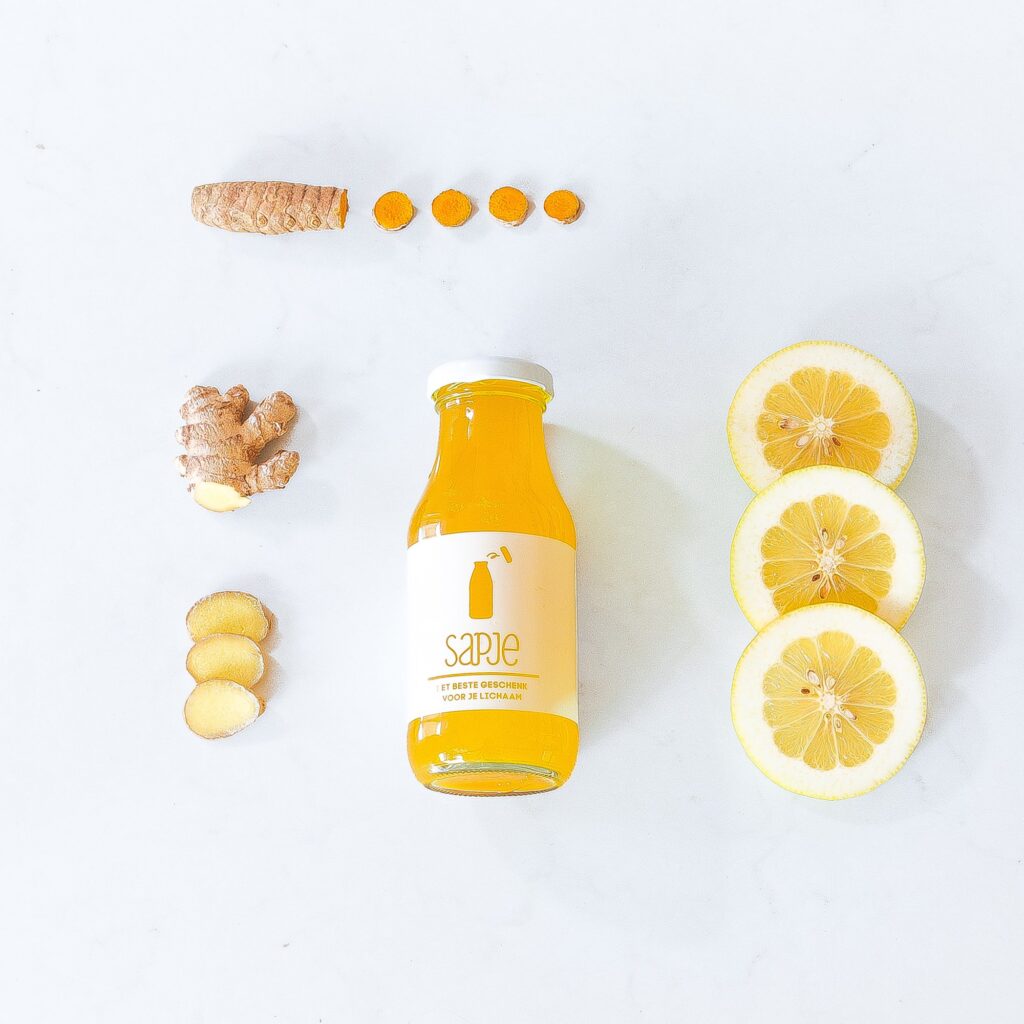
You prefer to drink this turmeric juice right away. The taste is earthy, invigorating and warming. Would you rather buy turmeric juice? Then try our turmeric juice, which consists mostly of fresh turmeric juice. Because it also contains ginger, you’ll instantly benefit from both of these natural powerhouses. Which turmeric juice or ginger juice recipes are you going to try?
Read frequently asked questions about ginger and turmeric below:
How do you make a ginger shot?
You make a ginger shot by squeezing or blending ginger. Because ginger juice by itself is very bitter and spicy, it is easier to drink in combination with other vegetables or fruits. For example, you can choose a fresh apple, a quarter of a cucumber and half a lemon. Take a piece of ginger the size of your thumb and squeeze it in combination with the other ingredients in a slow juicer. If using a blender, strain the juice through a cheesecloth afterward. Drink your ginger shot as soon as possible for optimal nutrient retention.
How do you make a turmeric shot?
Turmeric can be juiced well in a slow juicer, but because of its bitter taste, the shot is easier to drink with the addition of some other ingredients. For example, choose a carrot, half a beet and half an apple. Add a piece of fresh turmeric the size of half a pinky finger. Important is some black pepper to improve the absorption of the curcumin. Run everything through the slow juicer, paying close attention to your clothes or wooden furniture or countertop, as turmeric can stain. You can also use a blender and then strain the juice through a cheesecloth. Preferably drink the turmeric shot as soon as possible.
Why is ginger healthy?
Ginger contains many different nutrients that benefit your health. Among other things, ginger root is a good source of copper. This mineral has a positive effect on your immune system and also helps protect your body from free radicals through its function as an antioxidant. In addition, ginger contains an ample amount of potassium, which helps maintain good blood pressure. So by adding ginger to your diet, you are definitely doing your health a favor!
What is ginger?
What we call ginger is the root of the plant Zingiber officinale. This plant is native to the East Asian islands and is related to turmeric, cardamom and galangal. The root has been used for thousands of years in traditional herbalism and as a flavoring spice in dishes. In food, it can be used fresh, dried and as a powder and gives food a spicy, hot flavor. Ginger is also consumed in the form of tea or as a ginger shot.
What is turmeric?
Turmeric is a spice also known by the names turmeric and turmeric. Turmeric is used fresh, dried or in powder form as a flavoring for meals or as an ingredient in dietary supplements or skin care products. Turmeric root is the rhizome of the plant Curcuma Longa, a relative of ginger, cardamom and galangal. Turmeric is characterized by its deep yellow-orange color; it is a main ingredient in curry powder. The plant is also used as a dye. Turmeric is considered a superfood because it contains many healthy nutrients.
Why is turmeric healthy?
Turmeric is full of healthy nutrients. One of the substances that turmeric owes its positive properties to is the mineral potassium. Due to its high potassium content, turmeric helps keep your blood pressure good and contributes to the functioning of your muscles and nerves. In addition, turmeric contains the substance curcumin. To this, the orange-yellow root also owes its striking color. Curcumin is best absorbed in the body in combination with the substance piperine, which is found in black pepper.
Is ginger a vegetable or an herb?
Ginger is considered an herb because it lacks the nutrients typically found in vegetables, such as Vitamins A and C and Potassium. On the contrary, ginger does have the “spicy” heating and strong flavoring qualities typical of herbs and spices. Ginger, especially from Asian cuisine, is used in many dishes as a seasoning. Also because of the healthy properties of ginger, the plant fits better in the category of herbs and spices than in that of vegetables.
How can you use turmeric?
Turmeric can be taken fresh, dried or powdered. It is also possible to swallow turmeric capsules. The substance curcumin in turmeric is better absorbed in the blood in the presence of the substance piperine. Piperine is found in black pepper, so to improve the absorbability of curcumin it is advisable to eat or drink it in combination with black pepper. You can make tea from fresh turmeric, for example in combination with ginger and black pepper. An old Ayurvedic recipe known today as golden milk combines turmeric with (vegetable) milk and sometimes oil. Curcumin binds well to oil, so adding coconut oil, for example, can improve absorption into the body. Fresh and raw, you can also incorporate turmeric into juices and shots.
How much turmeric a day?
For turmeric juice, 15 to 30 ml per day is common. Because turmeric works more strongly when combined with black pepper and a little fat (such as coconut oil or avocado), it is often consumed in small amounts as a shot or incorporated into juices. Too much turmeric can be laxative or irritating to sensitive intestines.
Is ginger good for your blood pressure?
Ginger is naturally an excellent source of potassium. This mineral is known to have a beneficial effect on your blood pressure and therefore can help keep your blood pressure in good shape. In addition, ginger is packed with other healthy nutrients, so this particular root can offer support to your overall health.
What does ginger do to your body?
Ginger contains a lot of healthy nutrients, so it can provide your body with plenty of support. For example, the mineral potassium helps keep your blood pressure good and copper helps support your immune system. Moreover, ginger has heating properties, making it a great way to bring warmth to a chilled body, such as with a cup of fresh ginger tea.
How much ginger juice can you drink per day?
Ginger juice is highly concentrated, so 30 to 50 ml per day is usually sufficient for a health boost. More than 60 ml per day is not recommended, as it is spicy on the stomach and in larger amounts can cause side effects such as heartburn or irritation.
Is ginger good for your skin and hair?
Ginger is a good source of copper, contributing to the normal pigmentation of your skin and hair. In addition, copper is an important antioxidant, helping to protect your cells and tissues from oxidative damage caused by UV radiation from sunlight, among other things. Ginger can be used either internally or as a skin mask consisting of grated ginger, honey and lemon in equal amounts.
What is the best way to store ginger?
Large quantities of ginger can easily be frozen. Cut the ginger into 2-inch cubes and first freeze them on a plate for a few hours to prevent them from freezing together. Then they can be stored frozen in bags. Frozen ginger is easier to peel. Ginger can also be preserved in sherry, brandy or rice vinegar. If so, peel the ginger first and cut it into one or two-inch pieces. Ginger can also be dried. To do so, cut it into small pieces and dry them in the oven at low temperature for a few hours. Finally, ginger can be preserved as part of chutneys or through fermentation as ginger soda.
How much ginger do you need for ginger juice?
For a small glass (30 ml) of pure ginger juice, you need about 30 to 50 grams of fresh ginger root, depending on the type of juicer and the juiciness of the ginger. When combined with lemon or apple, you need less, as it is naturally diluted.