Making juices, how do you do it?
If you are just starting to drink juice, the pure taste of fruits and vegetables will amaze you. Freshly squeezed apple juice from the slow juicer tastes completely different from “fresh” (pasteurized) apple juice from the store. You will have to get used to the bitter flavors of the vegetables, but fortunately your taste buds have a fantastic ability to adapt. Even to the point that you can increase the vegetable percentage more and more and maybe in a while you’ll be drinking only pure vegetable juice!

FLAVOR AND COLOR
If you only juice fruit, you almost always get a fantastically sweet taste. However, the trick is to create a nice flavor balance with as little fruit as possible, because fruit contains a lot of fruit sugar, which can lead to high insulin spikes. When you eat fruit, the sugars have little impact due to the fiber, but when you squeeze the juice you actually take out the fiber. We believe that with a ratio of at least 70 percent vegetables and about 30 percent fruits, you are doing healthy things. Don’t forget about the herbs and spices, as they add great flavor. Even the peel of a lime, lemon or orange provides mouth-watering flavor, so experiment!

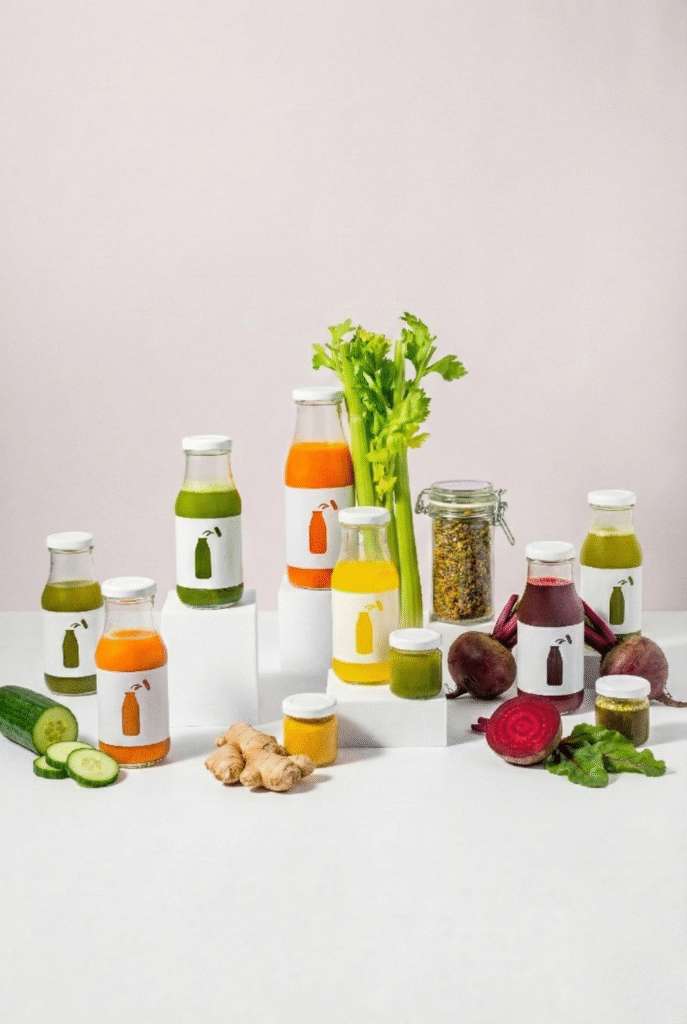
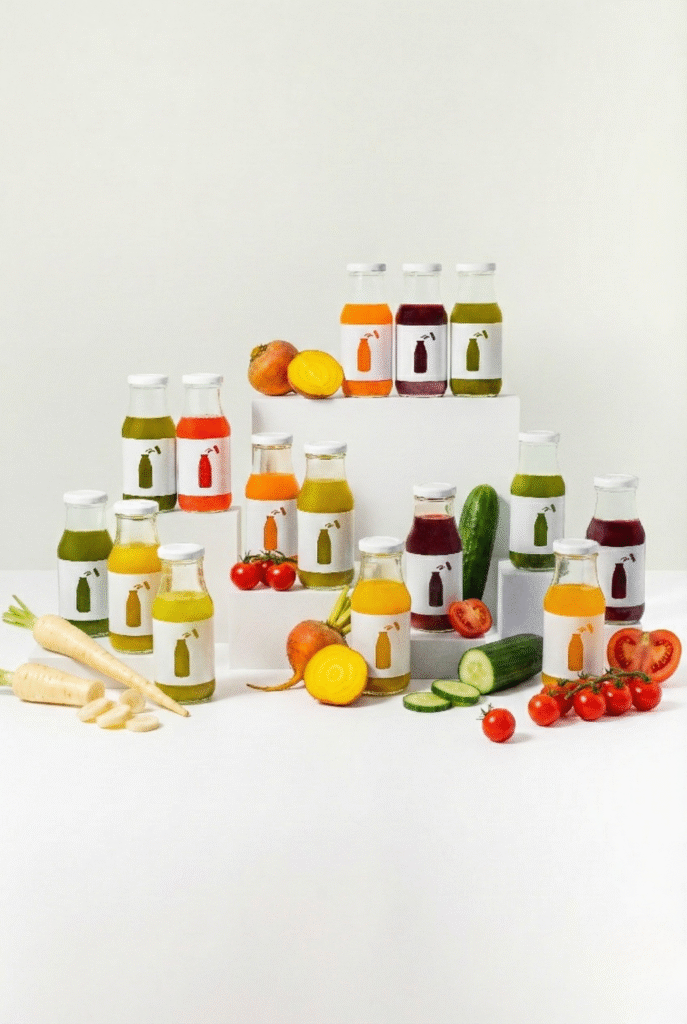
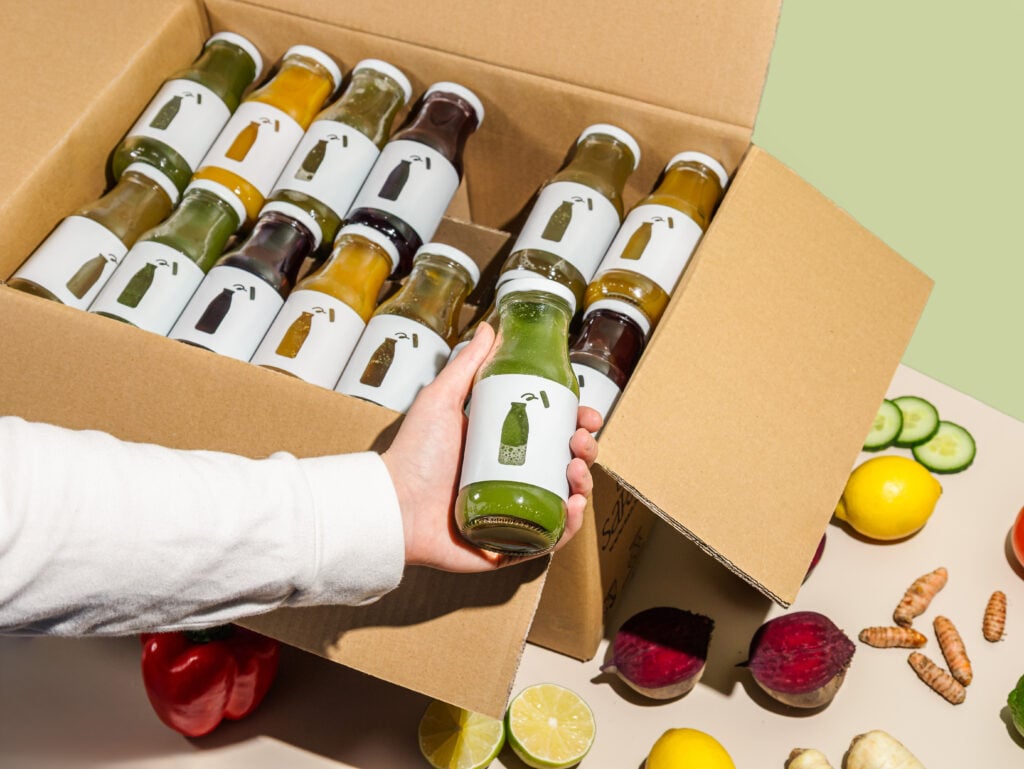
But how do you know if a nice juice has come out of your enthusiastic juicing? Generally speaking, a juice with a nice color and smell will taste good. You can make juices in the craziest colors, but usually what comes out of beginner juicers is a brown juice. That doesn’t look so appetizing…. Making a juice in a certain color is like mixing colors with paints: the more often you practice, the nicer the taste, smell and color.
HEALTHY COMBOS
One juice is not the other. Different combinations of ingredients have completely different effects on your body. If you learn more about how certain fruits, vegetables, herbs, spices and wild plants work, you can put together juices for specific purposes. Some fruits and vegetables go better together and enhance each other in terms of nutritional value and nutrients. Among other things, you can create juices to support your energy levels, to keep your immune system good, or to care for your skin from the inside out. We drink one to two 300-milliliter juices a day and always create different combinations depending on how we are feeling at the time and what is in season or growing in our vegetable garden. Here are a few juices that will give you a nice combination in terms of vitamins and minerals.

PURCHASING TIPS
- Ideally, buy the ingredients as fresh as possible.
- Buy organic fruits and vegetables. Should that be difficult: there are also websites with lists where you can find which fruits and vegetables are the least sprayed with pesticides.
- Try to buy produce in season.
- Buy local products as much as possible. Check the labels to see what the country of origin is.
- If you have experience, you can pick ingredients straight from nature. Consider nettles, dandelions and berries, for example.

COMBINING TIPS
- Try to use as many vegetables and tubers as possible.
- Fruit provides a smooth, sweeter taste, but do not use too much of this in your juice as you will otherwise consume a lot of fruit sugars.
- Use herbs, spices, garlic, superfood powders, sprouts and seaweeds in moderation in your juices, as the flavors are often very overpowering.
- Don’t throw away the edible peel of fruits and vegetables; incorporate them into the juice as well. The skin generally has the most nutritional value and the strongest flavor.
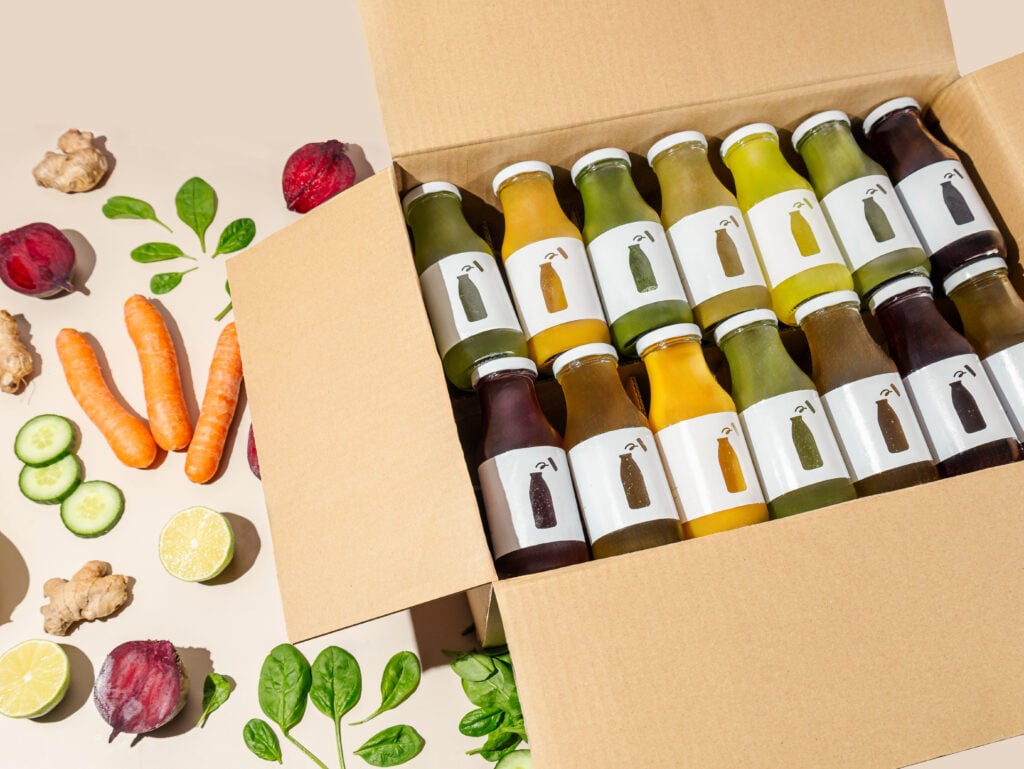
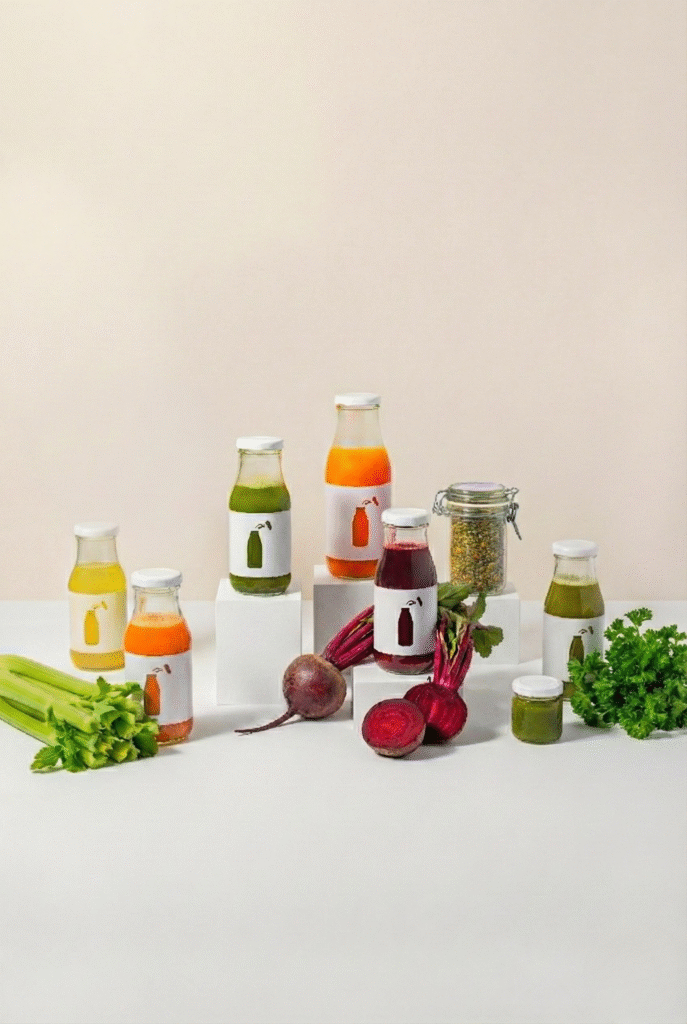
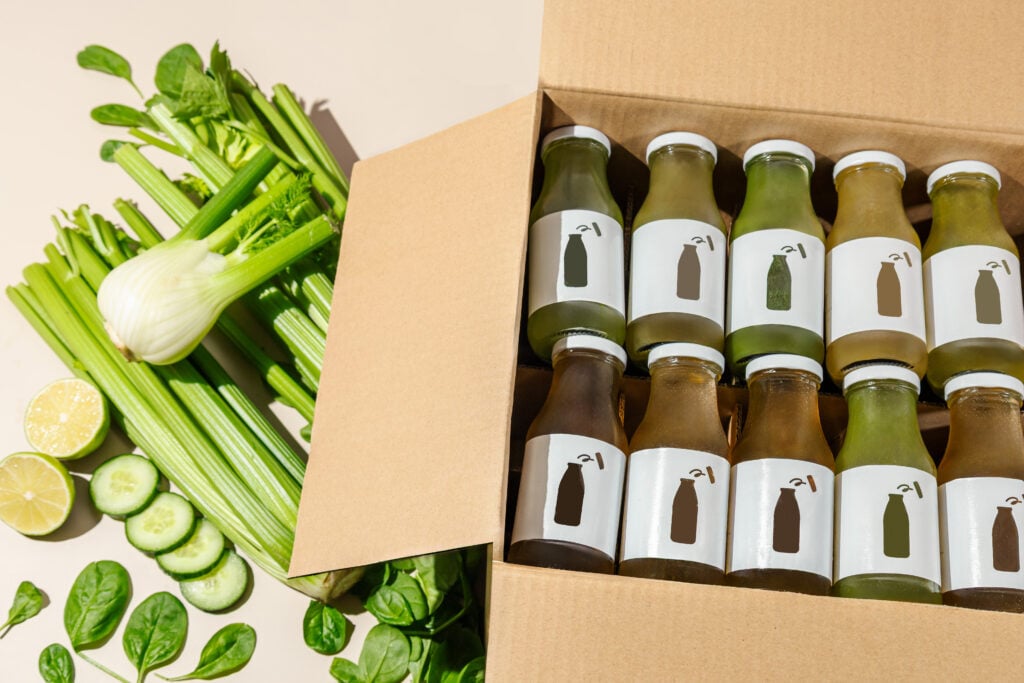
- Combine ingredients that are similar in color. Many green ingredients often make a nice green juice. If you mix green and red, a brown color comes out. If you mix whites with orange, it becomes a nice light shade of orange.
- Try making juices with different colors: experiment with yellow, red, orange, purple, green, blue and white ingredients so that you consume nature’s entire color spectrum. After all, each color has its own unique healthy properties.
- The brighter the color of an ingredient, the more antioxidants and healthy properties it has. A broccoli is supposed to be bright green. If it turns brown or yellowish, it is already quite old and contains less nutritional value.
- Vary ingredients so that you get an optimal variety of nutrients.
SAPTIPS
- Wash fruits and vegetables thoroughly, to wash off any remaining grains of sand and insects. (Insects do give your juice extra healthy protein!)
- We recommend a juicer that squeezes your juice slowly (slowjuice) so that all the nutrients and enzymes get into your juice.
- Squeeze ingredients raw. Raw fruits and vegetables contain much more life, energy, vitamins, minerals and enzymes.
- Drink the juice as a snack, as a meal replacement or with your meal. Listen to your body and drink a juice whenever you feel the need.

NOT SUITABLE FOR MAKING JUICE FROM IT
- Eggplants, raw beans, seeds and grains.
- White potatoes are poisonous raw. Purple, orange and white sweet potato are not toxic and can be juiced.
- You can make juice from non-toxic mushrooms in small amounts; in large amounts they can be mildly toxic.
- Before you start juicing wild berries and mushrooms, consult a wildlife expert. The idea, of course, is not to juice a poisonous variety….
- Soft, starchy fruits like banana, avocado, guava, mango and apricots barely make juice and that can cause the slow juicer to jam. They are more suitable for smoothies or to be eaten on their own.
How can I make the best juices myself?
What ingredients should I have to make my own juices?
Ideally, buy ingredients as fresh as possible.
Buy organic fruits and vegetables. If that is difficult: there are also websites with lists where you can find out which fruits and vegetables have been sprayed the least with pesticides.
Try to buy products in season.
Buy local products as much as possible. Check the labels to see what the country of origin is.
If you have experience, you can pick ingredients right from nature. Consider nettles, dandelions and berries, for example.
Wondering what ingredients you absolutely cannot use to make juice from? On this page we explain.
What do I need to make my own juices?
Do you have any tips for making your own juices?
Wash fruits and vegetables thoroughly, to rinse off any remaining grains of sand and insects. (Insects do give your juice extra healthy protein!)
We recommend a juicer that juices your juice slowly (slowjuice) so that all the nutrients and enzymes get into your juice.
Squeeze the ingredients raw. Raw fruits and vegetables contain much more life, energy, vitamins, minerals and enzymes.
Drink the juice as a snack, meal replacement or with your meal. Listen to your body and drink a juice whenever you feel the need.