Beta-carotene, what is it?
If you are trying to live a healthy life, it is important to take in as many natural nutrients as possible. One of these compounds is beta-carotene, which is a natural pigment found in fruits and vegetables. But what makes beta-carotene so special? What functions does beta-carotene have and what is it in? In this blog we take a dive into the world of beta-carotene, and you will learn all about what exactly beta-carotene is. Find out how beta-carotene can color not only your plate but, also your health!
Background
Beta-carotene belongs to the group of carotenes, which is a family of unsaturated compounds, belonging to the substance class of carotenoids. Carotenoids are completely natural dyes, they range between red and yellow.
Vitamin A
Beta-carotene is often linked to vitamin A, this is true because it is in fact a so-called provitamin for vitamin A, sometimes also called a precursor. This means that the human body is capable of converting beta-carotene into vitamin A, it can be stored in the liver, and when needed it becomes available for the production of vitamin A.
Vitamin A can also be present in the readily available form, this is called “retinol. So in addition to retinol, you have provitamin A carotenoids, such as beta-carotene. Well the conversion of beta-carotene to vitamin A is not 1 to 1, according to recent research it is more close to the ratio of 1 to 12[1]. On a package or website you sometimes see a vitamin A content, this is usually expressed in retinol equivalents, which means that it has already been calculated for you how much direct vitamin A your body can get from this product. So this can be a combination of direct vitamin A and provitamin A carotenoids.
Health benefits
Vitamin A has numerous health benefits, we list them for you:
Eyes
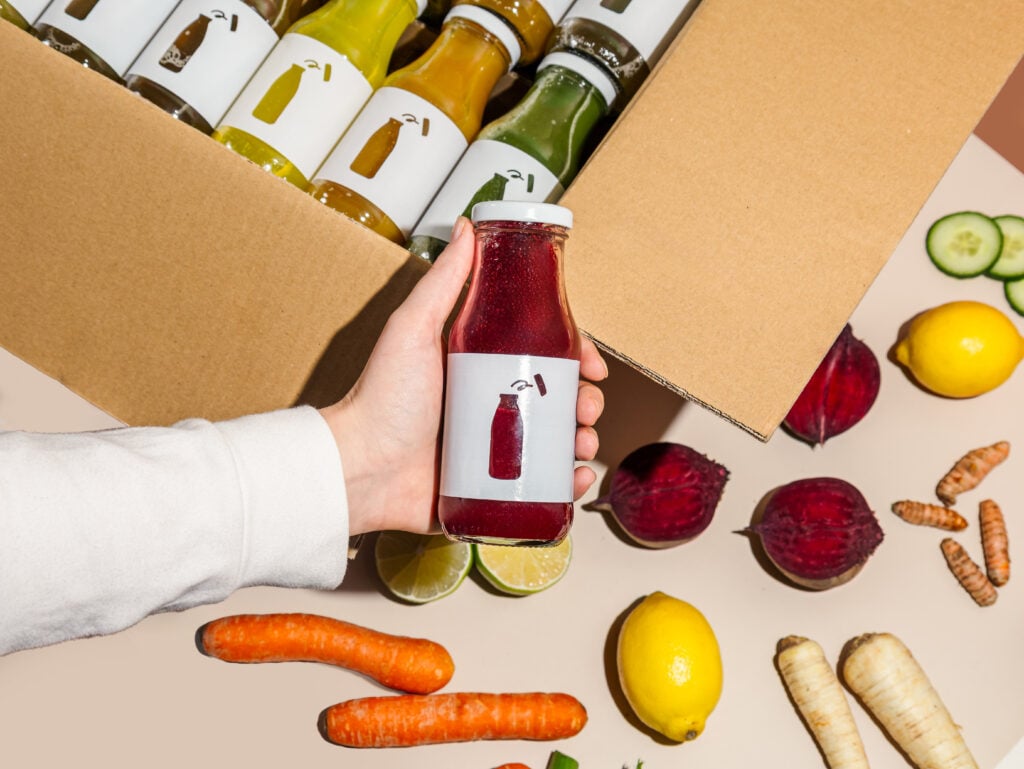
It’s a huge old saying, that carrots are said to be good for your eyes. As it turns out, this is no myth! Vitamin A is good for vision and helps maintain normal vision. Vitamin A helps maintain normal moisture balance of the eyes. An easy way to get enough beta-carotene or available vitamin A is to drink our carrot juice, it contains 2275 µg of vitamin A (-equivalent), which is more than 2 times the recommended daily allowance!
Skin
Vitamin A, which can be produced by beta-carotene, for example, also contributes to various processes for the skin. For example, vitamin A helps care for the skin from the inside out, and supports the skin’s repairing ability. Vitamin A contributes to the maintenance of normal skin and mucous membranes and helps maintain healthy skin.
Mucous membranes
Maintaining normal mucous membranes comes in handy not only for your skin, but also for the mucous membranes in your gut and lungs. Mucous membranes are found throughout your body; they are involved in various hollow organs, such as the oral cavity, nasal cavity and genital organ.
Iron
In your body, iron contributes, among other things, to efficient oxygen transport. Vitamin A, in turn, then promotes the availability of iron from body stores and maintains proper iron levels in the blood.
Resistance
A good immune system and resistance is the basis of a sustainable healthy life. Without good resistance, you are always out of the running due to viruses or diseases. Vitamin A contributes to a good resistance, and it has a positive influence on the immune system.
Where can you find beta-carotene?
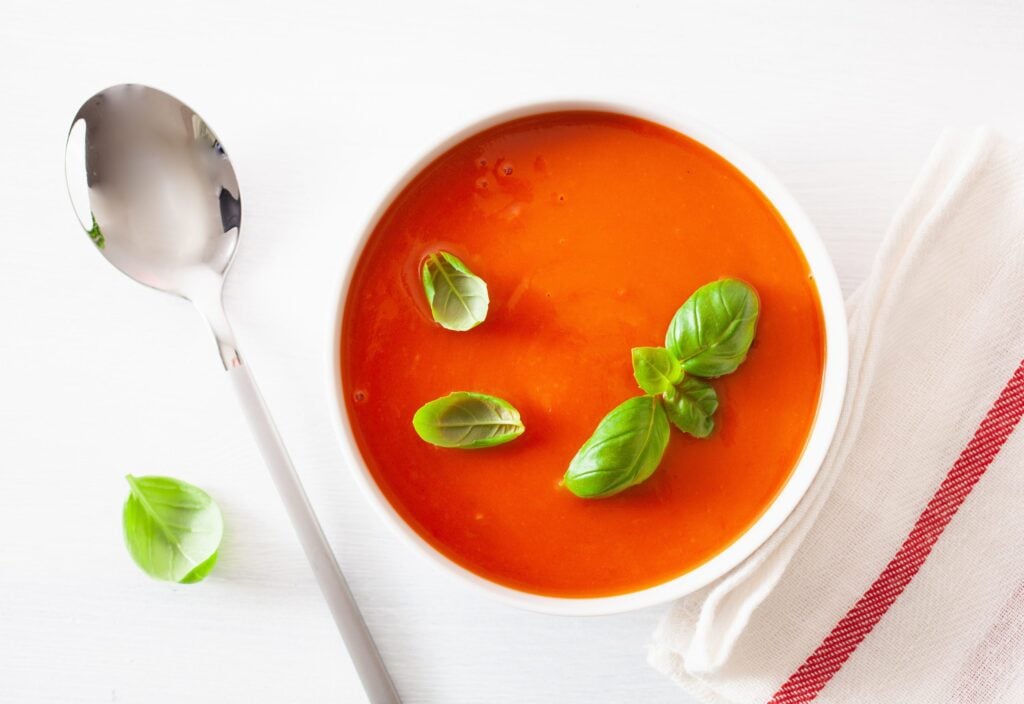
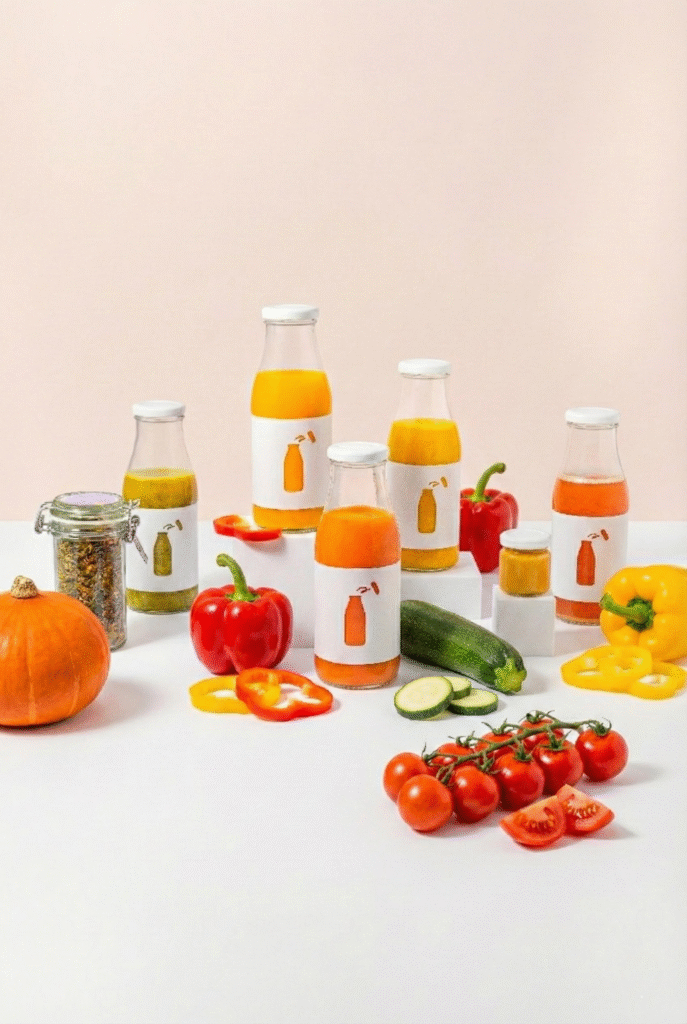
So you find beta-carotene mainly in red, orange or yellow vegetables and fruits, but the other way around, if a vegetable is orange or red it does not necessarily mean it contains beta-carotene. For example, tomatoes are red because of the antioxidant lycopene rather than beta-carotene. Carrots, of course, are the best known source of beta-carotene, and are an excellent way to get your dose of vitamins. Sweet potato is also a great source of beta-carotene. They generally have even higher levels of beta-carotene than carrots, and you can incorporate them into numerous dishes, such as a stew, a curry or a sweet potato soup.
Further down the line of orange vegetables, you come to pumpkin soup, it too contains beta-carotene. Pumpkin is delicious in a salad or make another tasty soup. Orange bell bell pepper also contains beta-carotene. Then there are some leafy green vegetables that also contain a little bit of beta-carotene, but these are better to eat for their other health benefits, among them are, kale, spinach and broccoli.

Resources
[1]: de Pee, S., West, C. E., Permaesih, D., Martuti, S., Muhilal, & Hautvast, J. G. (1998). Orange fruit is more effective than are dark-green, leafy vegetables in increasing serum concentrations of retinol and beta-carotene in schoolchildren in Indonesia. The American journal of clinical nutrition, 68(5), 1058-1067. doi https://doi.org/10.1093/ajcn/68.5.1058