




Why we use seaweed in our juices
All life originated from the sea – including us, human beings. The mineral composition of sea water is the same as the mineral composition of our blood plasma. So we are intimately connected to the sea. That sea, full of easily collected seaweeds and seafood, offered us security of food. Throughout our evolution, therefore, we ate large quantities of sea food, providing essential building blocks for the development of our brains. This made us Homo Sapiens – the thinking man.

Why is seaweed so healthy?
Seaweed is a good source of B vitamins, protein and the omega-3 fatty acid DHA. To a lesser extent, seaweed also contains the omega-3 fatty acid EPA. These are also called fish fatty acids because fish is the main source. Thus, for vegetarians and vegans, seaweed provides a convenient plant source of these fatty acids. In addition to the fatty acids DHA and EPA, there is also vitamin K in seaweeds.
Seaweed is also the perfect thyroid food. This is because it contains a lot of iodine, which is essential for thyroid hormone production. According to the World Health Organization (WHO), about 40% of the world’s population is deficient in this mineral. In the Netherlands, this percentage is probably lower because iodine is added to baker’s salt. But by no means every bread is baked with iodized salt. Organic breads, for example, usually do not contain iodized salt. Many regular non-organic breads also do not always contain iodized salt. People who eat little bread or bread without iodized salt are at risk of iodine deficiency. In that case, make sure you get iodine from other sources, such as sea foods like seaweed, (white) fish and seafood. Our detox juice, power juice and recharge juice also contain fresh seaweed.
Why is iodine so important?
The most well-known function of iodine is that it serves as a builder of thyroid hormones. It is also important for your nervous system, skin and energy metabolism. In addition, iodine is good for your concentration and memory. Furthermore, iodine is important for the normal growth of children.
Approximately 1.88 billion people worldwide are deficient in iodine, and pregnant women in particular are considered a high-risk group.
Which seaweeds should I eat?
It doesn’t matter. What matters is that you eat it. Seaweed is true “forgotten” human food. It fits seamlessly with our genetic material. There are about 160 species of seaweed eaten worldwide. Examples include sea lettuce, kelp and kombu, but also consider the well-known algae chlorella and spirulina, which many people use in supplement form.
Find seaweed unpalatable? Then drink it anyway
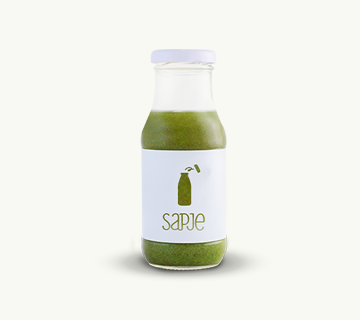
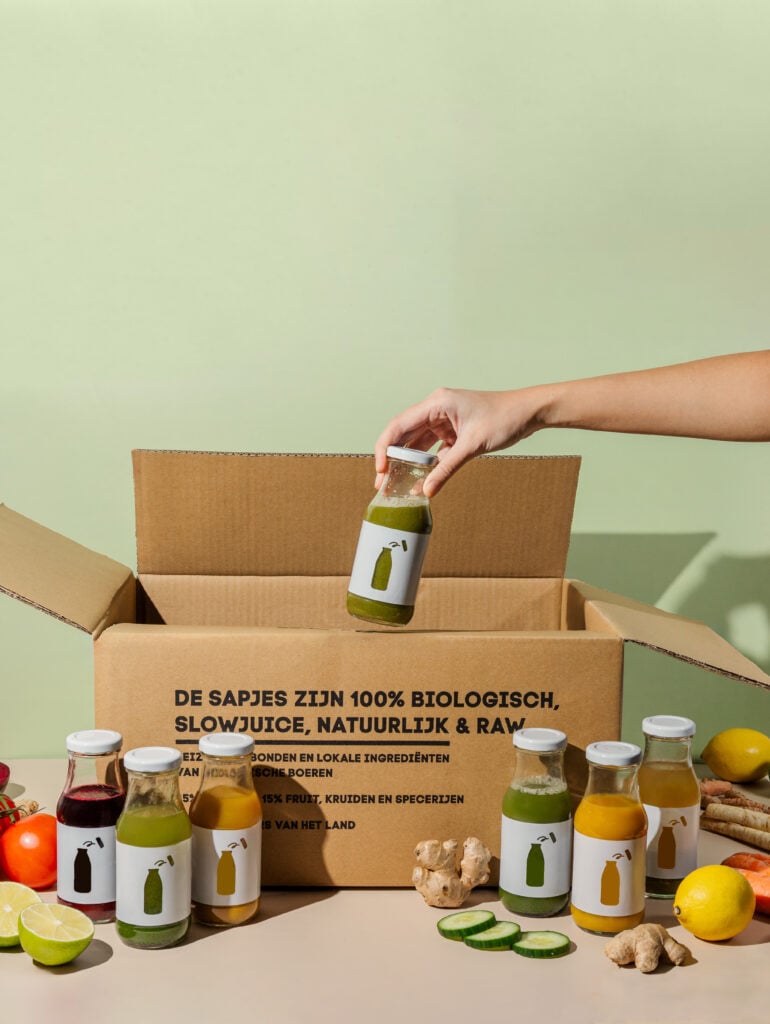
Together with Drs Richard de Leth founder of Oersterk and bestselling author of the books of the same name, we have developed a juice that contains a whopping 22 grams of seaweed. And it’s delicious, too. Ideal if you don’t like seaweed.
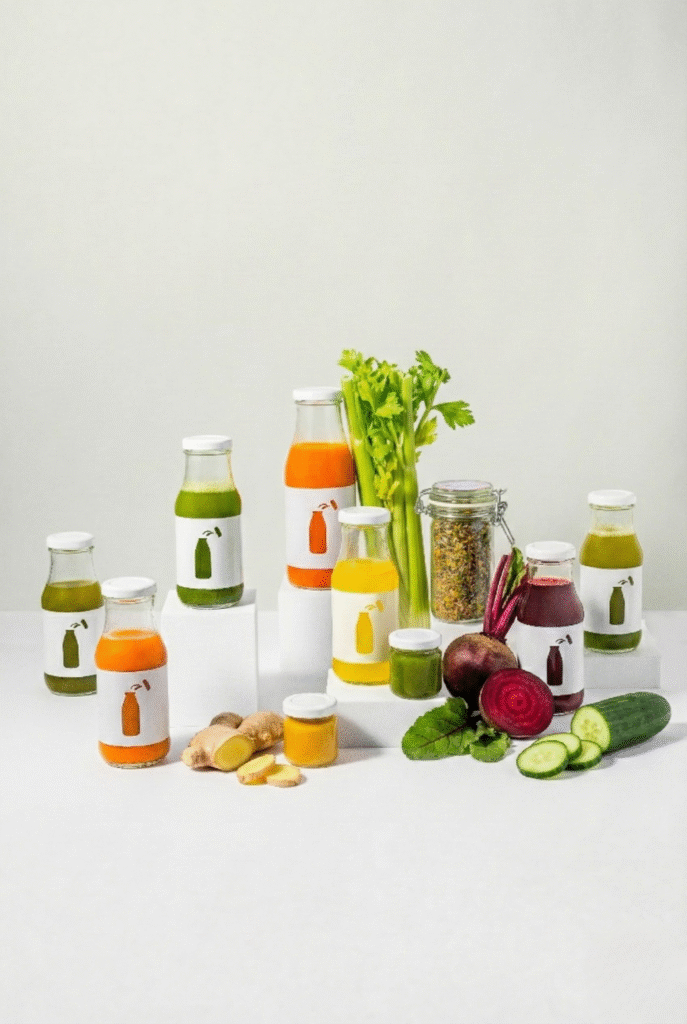
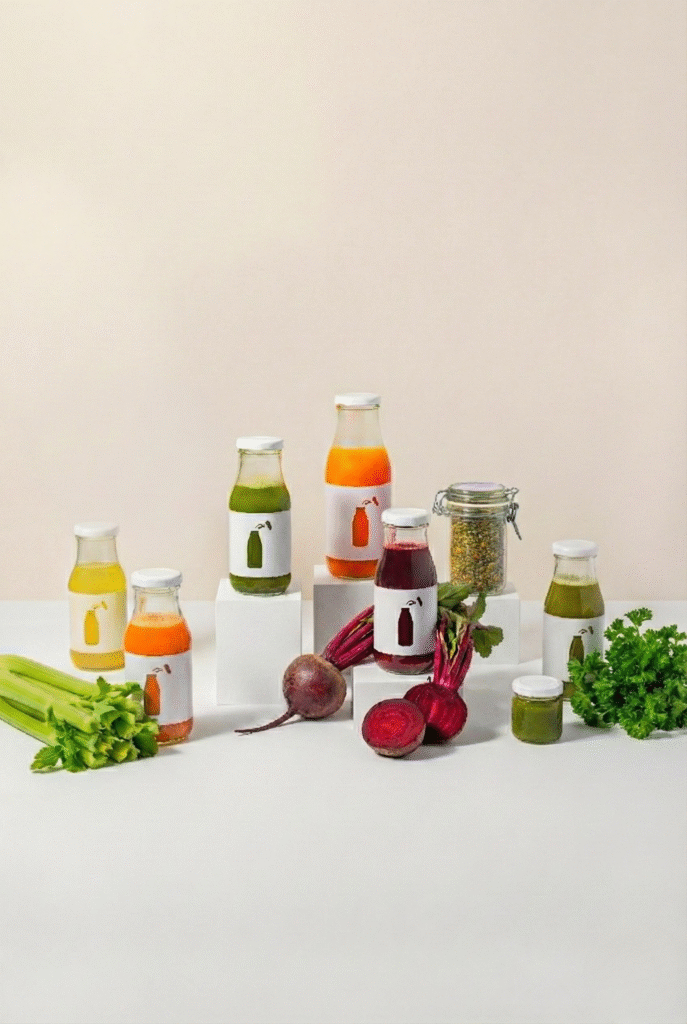
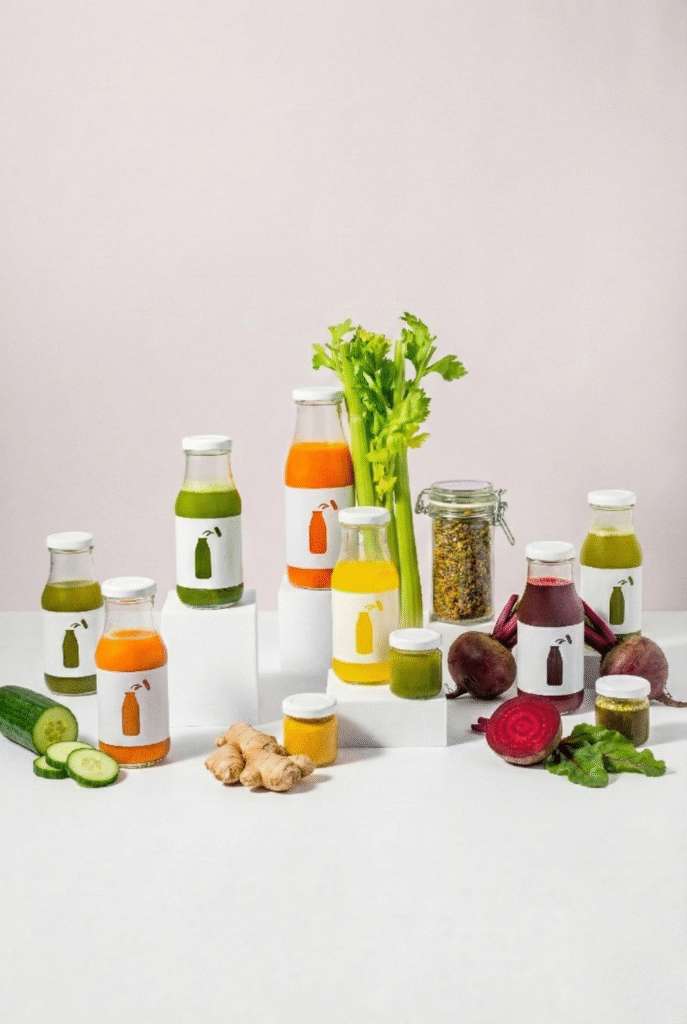
The other (of course also OER healthy) ingredients such as cucumber, celery, yellow carrot, honeydew melon, apple, kumquat, lemon, palm cabbage, broccoli and ginger* keep you from tasting the samphire, sea lavender and sea lettuce.
Fun fact: this is the very first juice that contains seaweed. So it is a unique product. The best combination of the power of the sea with the taste of the land. A healthy juice has never been so appealing. Would you like to experience the juice? Order the new seasons juice here.

*Because this is a seasonal drink, ingredients may vary monthly.