Why you should also eat raw
Raw food has been trendy for several decades. Who does not know the images of sixty-year-old women who look like thirty and declare with bright blue eyes and a radiant white smile that they have been eating only raw for twenty-five years? Or the magical stories of people who followed a months-long cleanse at a Raw Food Clinic?
Yet there are other voices. Herbalist Susun Weed, for example, swears by cooking leafy greens for at least an hour.[1] According to her, our bodies are barely able to break down the cell walls of raw vegetables and we only get a minimal amount of nutrients if we don’t cook them.
The British Dietetic Association has declared the Raw Food diet a fake diet and, according to Wikipedia, it is pseudoscientific and potentially dangerous.[2]
What is the path of wisdom amid all these conflicting views? Read on as we take you through various scholarly sources to help you make an informed choice.
We start with what we believe are ten key benefits of including raw food in your diet, but then look deeper into the research that has been done on raw food and the main pros and cons.
In this blog, you will get answers to the following questions:
- 10 health benefits of raw food
- Is raw food healthy?
- What happens to fruits and vegetables when we cook them?
- Can the human body break down cell walls?
- What is the best way to eat raw?
10 health benefits of raw food
In short, there are all sorts of reasons why raw is a good addition to your diet. We list them for you here:
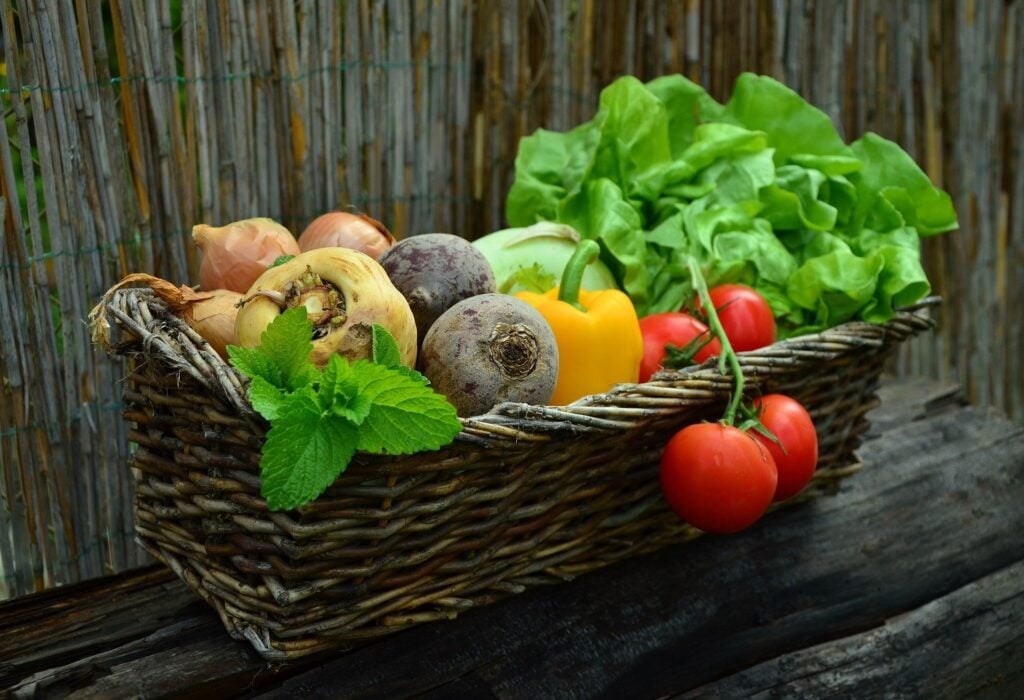
- Raw foods almost always consist of vegetables, fruits, nuts and seeds: all important cornerstones that should form an important foundation of your diet.
- Raw food is easier to prepare (even at the campsite!). Children can also cook along, without fire risk.
- Frying foods in a pan or roasting them in the oven sometimes adds unhealthy fats and carcinogens to our diet.
- Raw ingredients have more flavor than cooked ones, so you will tend to eat less and enjoy more.
- Raw food does not make you feel heavy.
- Eating raw food is good for the environment. Think of the huge amounts of greenhouse gases from the dairy and meat industries. But also all the plastic and paper used for packaging processed food. Raw vegetables and fruits are often easily available locally, or you can grow them yourself in a vegetable garden.
- Raw foods are high in fiber. Heating breaks down many fibers. Fiber is an important nutritional component.
- Raw foods contain all vitamins and antioxidants. Although minerals survive the cooking process, some vitamins and bioactive compounds are lost through heating. When you eat raw, you are guaranteed your full serving of vitamin C.
- Raw food requires creativity in the kitchen. It will give you new inspiration to look for raw recipes and cooking methods.
- Raw foods add color and cheer to your kitchen. Think beautiful salads with pansies and marigolds or spring rolls with three colors of sprouts in them!
Is raw food healthy?
While boiling or baking vegetables, some of the vitamins are lost. There is no escaping this. In particular, vitamin C and folic acid (vitamin B11) are very sensitive to heating. The loss of these vitamins while cooking vegetables can be as high as 50%.[3] Thus, raw vegetables will always contain more vitamins than boiled or baked vegetables. Minerals are more resistant to heat and thus are largely retained during boiling or baking vegetables.
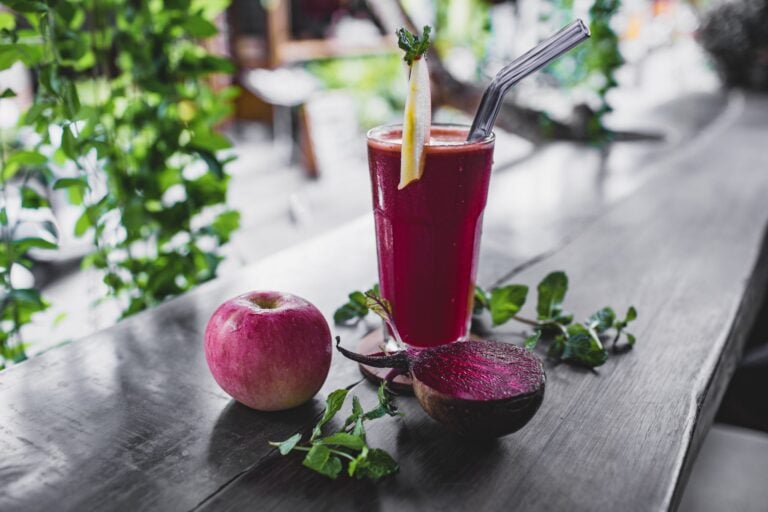
So have fun with those raw broccoli, red cabbage and pak choi! Raw cabbages can be difficult to digest if you eat them, so we heartily recommend incorporating them into a juice so that nutrients can be absorbed quickly and easily.
What about a diet of only raw food? An extensive study in the U.S. found that a large proportion of participants who ate almost exclusively raw for long periods were underweight. Of the women, 30% had stopped menstruating.[5] So, miracle stories notwithstanding, it seems to be the case that a diet consisting only of uncooked plants leads to reduced health. However, a partially raw diet could be very healthy.
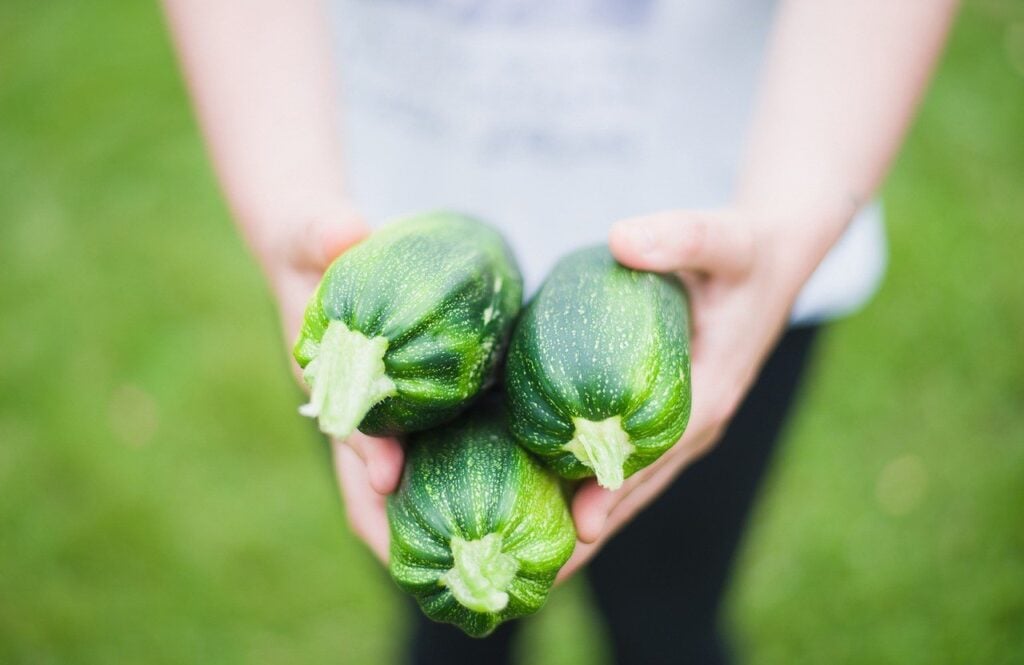
What happens to vegetables when you cook them?
Are nutrients lost during cooking? Or do certain nutrients actually become more available to the body through the cooking process? The most important thing about food, of course, is that our bodies can actually absorb the nutrients. This is called “bioavailability”: to what extent the nutrients in our food and drink are actually available to our cells.
Under this heading you can read about scientific studies that examined differences in bioavailability between raw and cooked vegetables. We mainly looked at the studies that examined blood levels after eating: this is the best way to measure whether the body actually absorbs the substances. The result: raw often wins, but not always!
A small Dutch study on broccoli found that absorption of the substance sulforaphane was much higher when consuming raw than cooked broccoli.[5] Another study also found that another compound (isothiocyanates) was absorbed three times better after eating raw broccoli, than cooked.[6]
A fairly extensive study of the plant substances in 15 different species from the cabbage family(Brassica), did not have such very clear results. The availability of some bioactive compounds went down with cooking, but that of others went up. Also by the process of freezing there were substances that actually became more available.[7]
It could well be that the difference between raw and cooking is slightly different for each type of vegetable and for each nutrient. There are vitamins, such as vitamin C, that are by definition lost at high temperatures. Other vitamins, however, such as beta-carotene (vitamin A), can withstand heat just fine and may even become more available through cooking.
Conclusion: unless you have a slight obsession with nutrients and enjoy long hours of incisive Internet sleuthing, you are probably best off with lots of variety. Try to eat as many different vegetables as possible both raw and cooked. Then you’ll definitely be on the safe side!
Can the human body break down plant cell walls?
Another common criticism of the raw food movement is that the human body is unable to break down vegetable cell walls and thus has limited ability to absorb nutrients from raw foods. Thus, according to these critics, we should give the body a helping hand by cooking, freezing or fermenting vegetables. The following comparison is sometimes given: imagine you are standing in a room with a million marbles and you are going to strike ferociously around yourself with a sharp sword. How many of the marbles will you cut in half?
The answer, of course, is: none. In this equation, the marbles equal plant cells with cell walls and the sword is your teeth, knife or blender. Conclusion: you won’t get through with just cutting, chewing or blending.
The cell wall of plants consists of cellulose, a very strong substance that allows plants to have the strength (think wood or stems) that the cells of mushrooms and animals lack. The human body cannot digest cellulose. It is done only by intestinal bacteria, but that is so low in the gut that most nutrients are already not absorbed there.
So the question is: Can we get enough nutrients from plants if we can’t digest cellulose? Some anti-raw-fooders say that the cell wall of plants is so strong that we can barely absorb nutrients if we don’t cook or ferment vegetables.
Yet the aforementioned research seems to indicate that certain substances from uncooked broccoli, for example, could be absorbed into the blood despite its indigestible cell walls. Another study showed that blood levels of several essential vitamins and nutrients were significantly higher after eating raw salad.[8] Surely this seems to indicate that we can absorb nutrients from raw vegetables as well.
Of course, it is always more complicated than we would like!
Because humans and human bodies are also flexible and changeable. Research was done on the changes in the bacterial composition in our intestines under a raw or cooked diet. This showed that the bacteria in our gut adapted to the diet and also partially compensated for that diet. For example, under a raw diet, microbes were found to digest starch better. Cool!
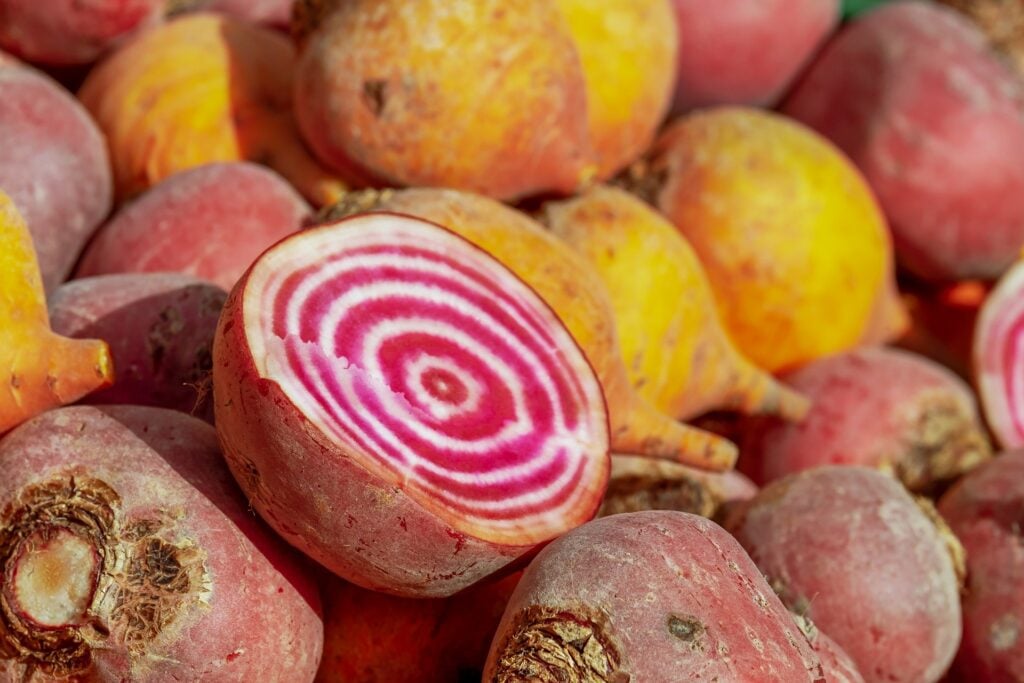
What is the best way to eat raw?
Science seems to indicate that we are best off with a varied diet that includes both raw and cooked fruits and vegetables. How can you best prepare the raw part of your diet?
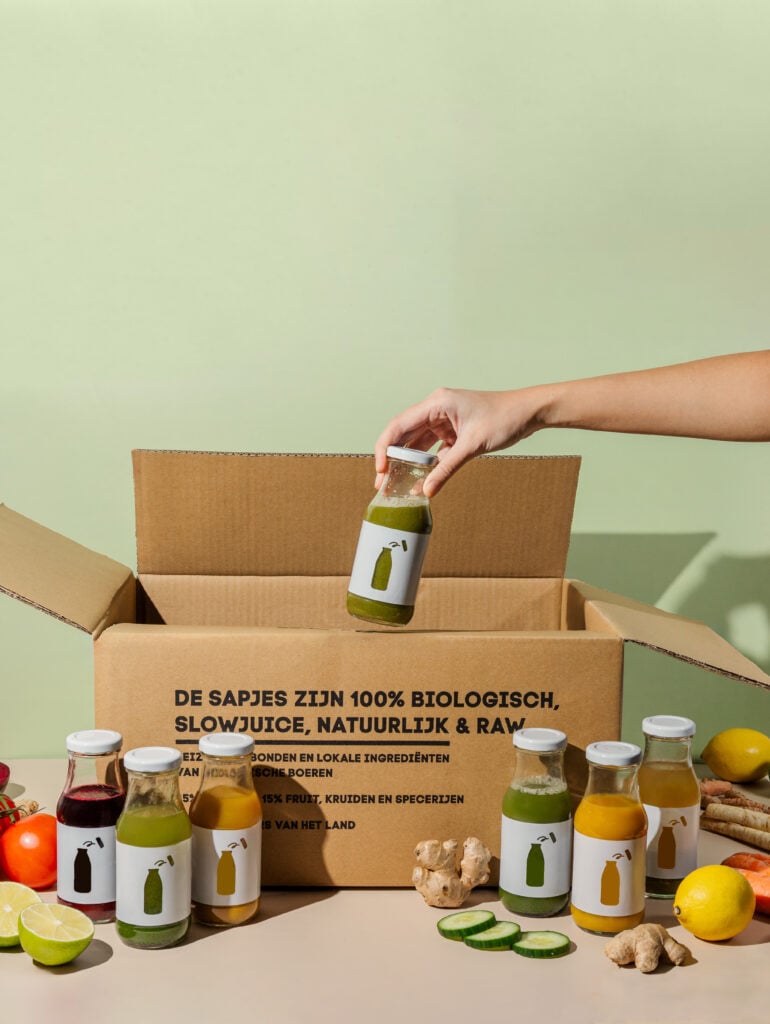
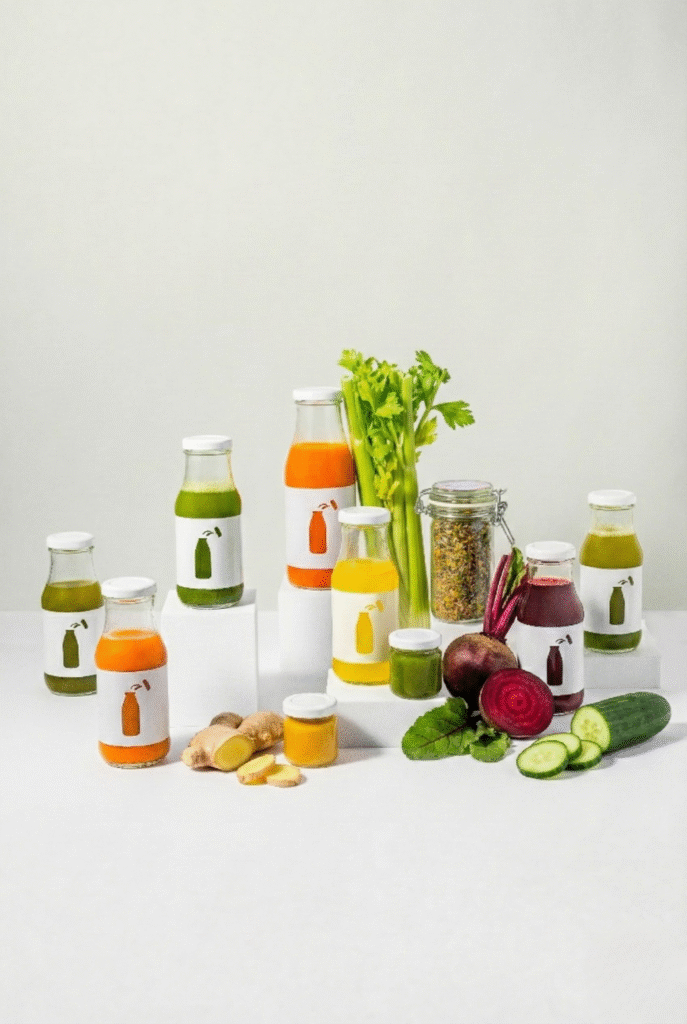
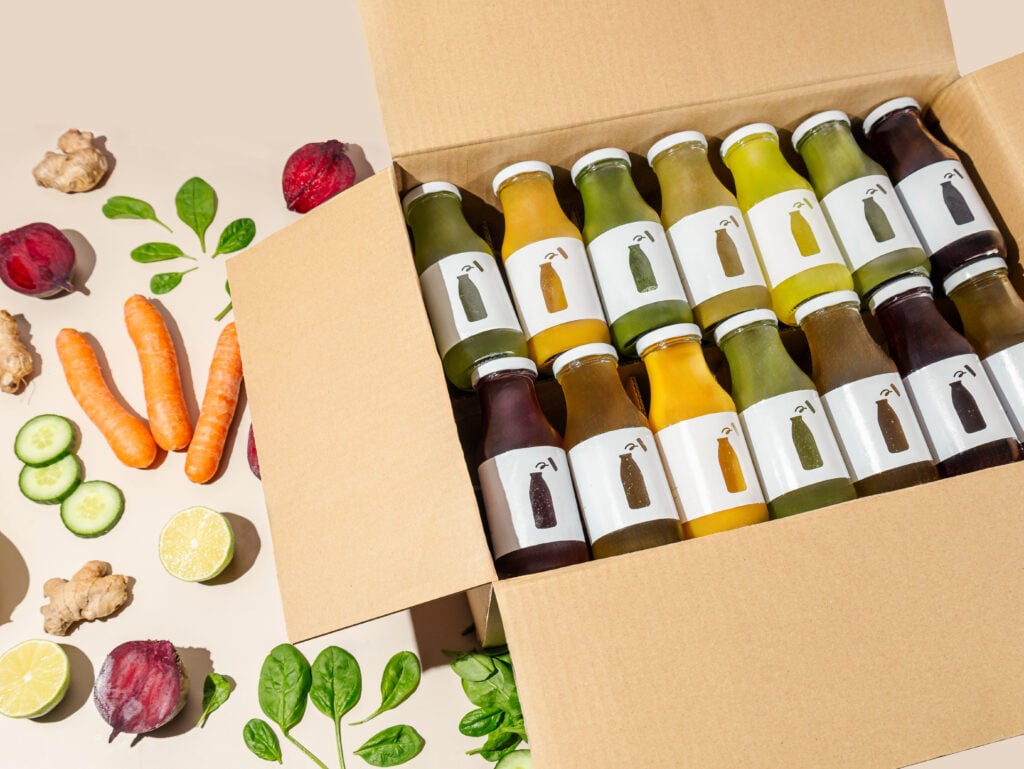
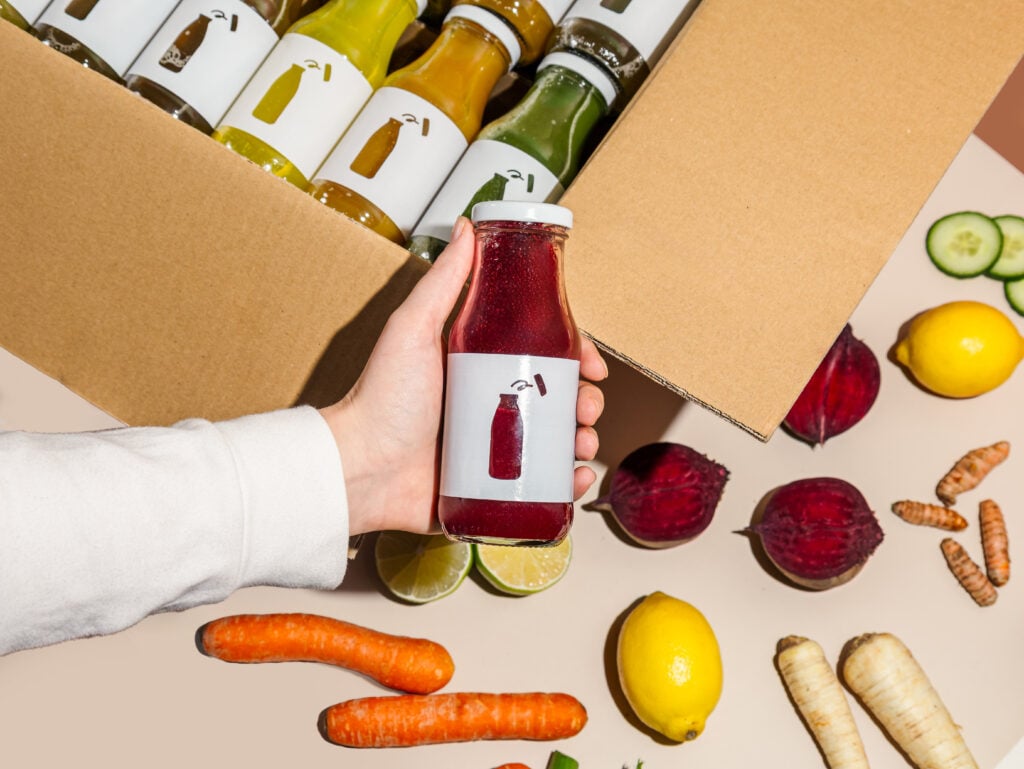
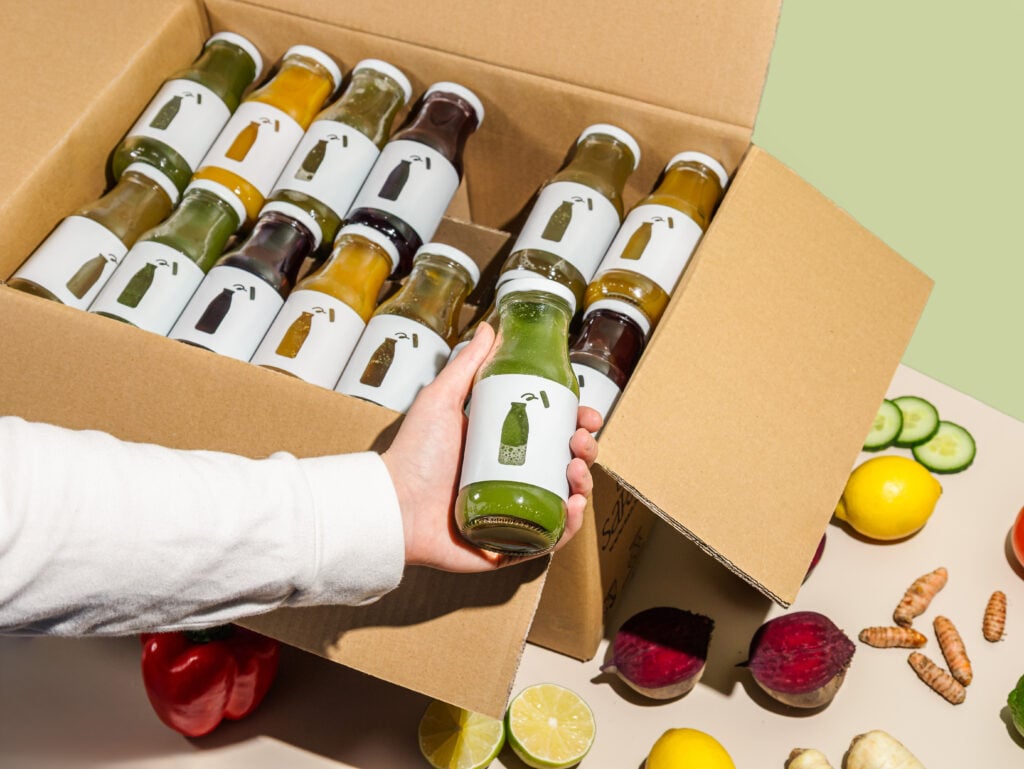
As described above, salads are an excellent way to indulge your body with raw. Of course, we at Sap.je have a penchant for juicing. Our slow juicer slowly grinds vegetables, fruits, herbs and seaweed with screw motions that mimic the chewing motion in your mouth. Because the process is slow, no heat is involved and the ingredients are exposed to as little oxygen as possible. Because the fibers remain in the juicer (you can later incorporate them into cookies or soup), your body can absorb the nutrients quickly and effectively.
Conclusion
Why do you also need to eat raw? Some nutrients seem to be significantly better absorbed by the body if you don’t cook vegetables. Does that mean you should eat only raw? Probably not.
Of course, what we find difficult to capture with all this science is that every person and every body is different. We could imagine that a diet with a lot of raw is very suitable for one person and doesn’t work as well for another. So experiment, and listen to yourself and what works for your body. And above all: don’t take it all too hard, don’t let yourself be pinned down by imaginary rules and Have Fun!