
Spring vegetables and their benefits
Spring has started and that means many delicious and healthy vegetables are back in season. The ideal time to vary with vegetables and maybe even discover new varieties! Below we list our favorite spring vegetables and explain how they support your health.
All vegetables are healthy, but each one contains a different combination of nutrients. By alternating between different types of vegetables, you ensure that you get a good amount of all the vitamins and minerals from vegetables. Choosing seasonal vegetables more often can help with this. Moreover, vegetables that are in season are often a lot more durable and cheaper than other vegetables. And also nice to know: when vegetables are in season, the taste is at its best!
1: Asparagus
Spring is the season of asparagus. The “white gold,” as this special vegetable is also called, has a mild but very distinctive taste. Because white asparagus grows underground, in the dark, it retains its beautiful white color. With the green variety it works the other way around. These grow above ground and owe their color to the sunlight that shines on them. Green asparagus has a slightly stronger taste than white asparagus and, unlike white asparagus, does not need to be peeled.
Both white and green asparagus are full of vitamin C. This vitamin is involved in many different important functions in your body. Among other things, vitamin C has a positive influence on your immune system and contributes to the formation of collagen which is important for your bones and skin. Vitamin C also has a function as an antioxidant, helping to protect your healthy cells and tissues from influences of UV radiation and air pollution. Green asparagus is also another good source of vitamin B1, which is good for your heart and nervous system, among other things.

2: Rhubarb
Rhubarb is also a true spring vegetable. In fact, the rhubarb season runs from late March through July, with May being the peak month. The rhubarb plant is a beautiful sight with its beautiful green-red stems and large dark green leaves. Rhubarb has a fresh-sour taste and is often used in sweet dishes. Because of this, rhubarb is often mistakenly thought of as a fruit.
Rhubarb is a good source of fiber and is packed with vitamin K and the mineral potassium. Among other things, vitamin K is important for maintaining strong bones and aids in the normal clotting of your blood. Potassium is beneficial for your blood pressure and supports the normal functioning of your muscles and nervous system.
Please note that only the stalks of the rhubarb are edible. This is because the leaves contain the substance oxalic acid, which is toxic to us.
3: Spring onion
Of course, the spring onion has its name for a reason. This young, immature onion is harvested early. Spring onion has a mild flavor somewhat reminiscent of leeks. You can cut the green stems of the spring onion into rings and then eat them raw, for example in salads, or incorporate them into hot dishes, such as sauces or soups.
You can also very easily re-grow spring onion yourself. To do this, cut off the butt and roots of a spring onion (about 5 cm) and then place it upright in a container with water. You then leave this in a sunny spot and within a few days a new bunch of crisp spring onions will emerge!
Spring onion is incredibly rich in vitamin K. With 36 grams of this vegetable, you already have the recommended daily allowance of 70 µg of vitamin K.
4: Broccoli
Broccoli is a variety of cabbage available from May. You can recognize it by its green flower buds and thick stems. Broccoli has a nice crunchy texture and mild, slightly sweet and at the same time earthy taste.
Broccoli is full of healthy nutrients. It contains a lot of fiber and is rich in vitamins B11 (folate), C and K. Vitamin B11 contributes, among other things, to extra energy during fatigue and helps in the normal functioning of your immune system. In addition, vitamin B11 is especially important during pregnancy because it supports the growth of the unborn child.

5: Celery
Celery is in season starting in mid-May. The crisp stalks of this popular vegetable have a fresh, spicy flavor. With celery you can go in any direction. It is delicious in stews and sauces, but also a delicious addition to salads, not to mention you can also make delicious celery juice from it!
Among other things, celery provides you with lots of beta-carotene, which can be converted in your body to vitamin A, a nutrient good for your eyesight, immune system and skin. In addition, celery is rich in vitamins C and K and contains a nice amount of the mineral potassium.
Spring vegetables in our juices
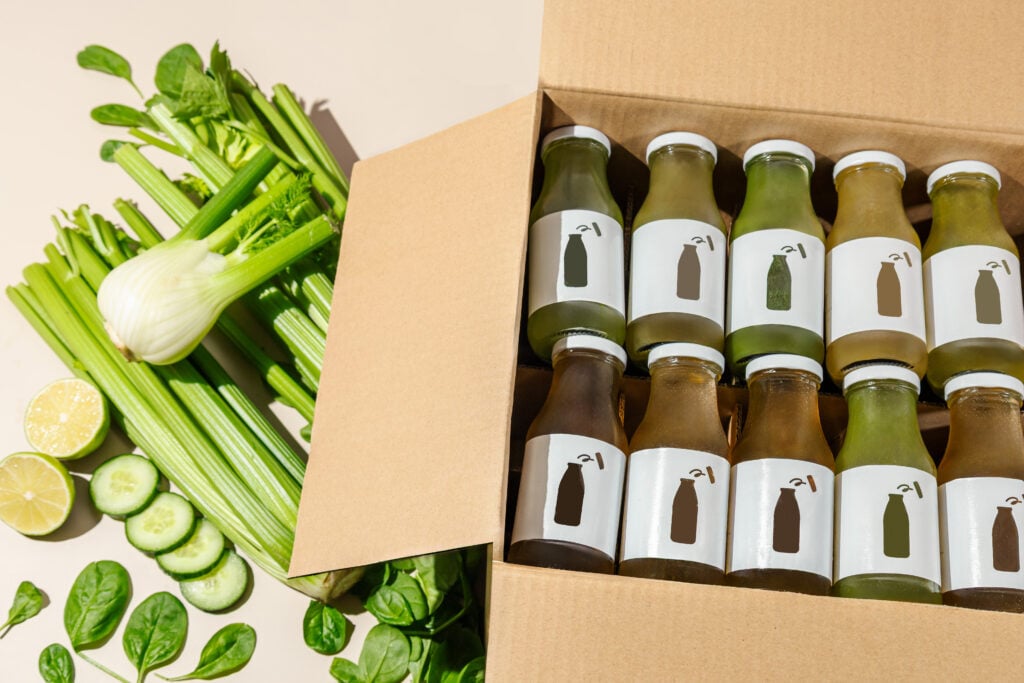
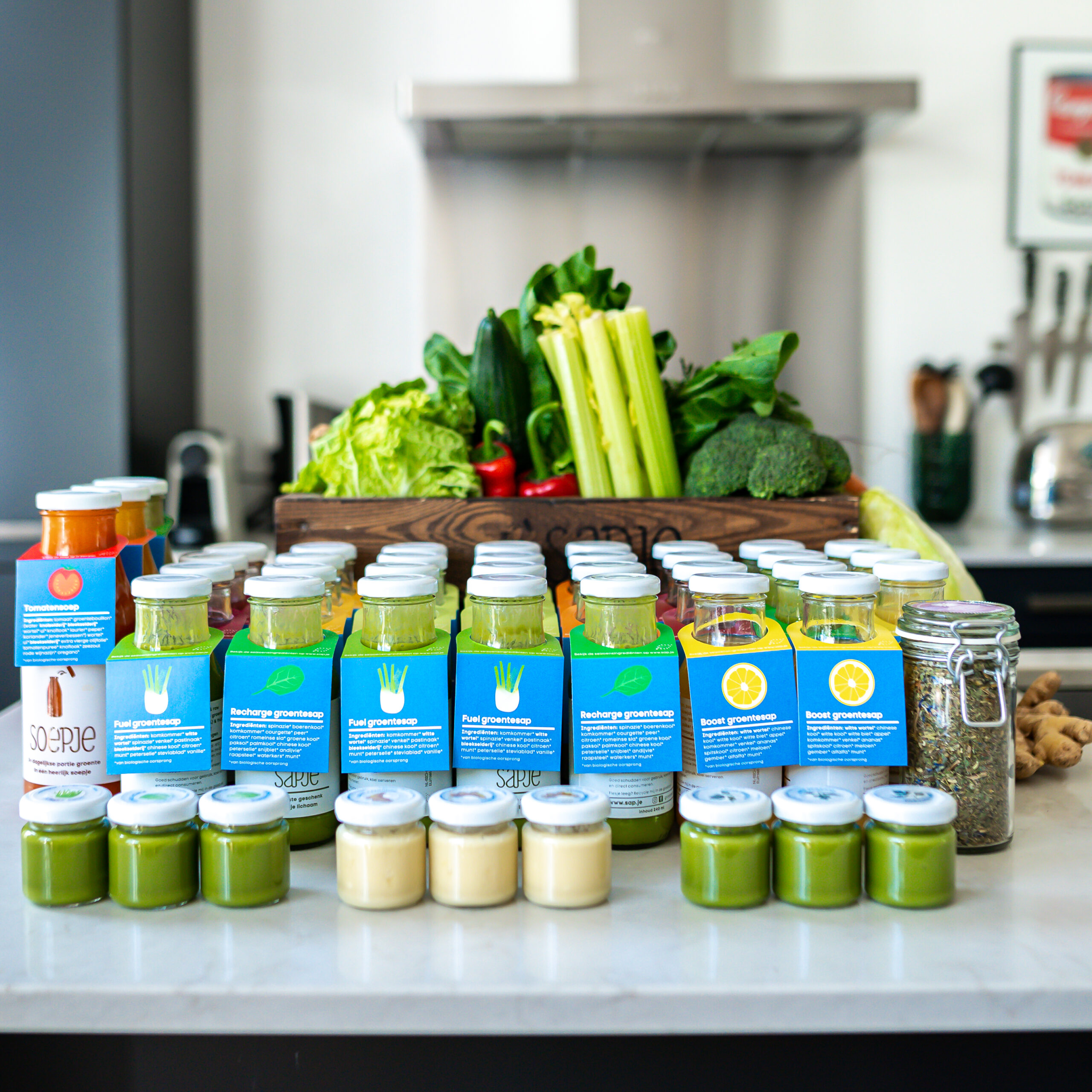
You’ll also find a lot of these spring vegetables in our juices, shots and soups. For example, our refreshing Hydrate juice contains rhubarb and our juices Support and Fuel are packed with celery. Tomatoes, of course, are an indispensable ingredient in our tomato juice and tomato soup! Broccoli, on the other hand, can be found in our Detox juice.
Resources
Nutrition Center (year unknown), Vegetables. Accessed April 5, 2023. https://www.voedingscentrum.nl/encyclopedie/groente.aspx