
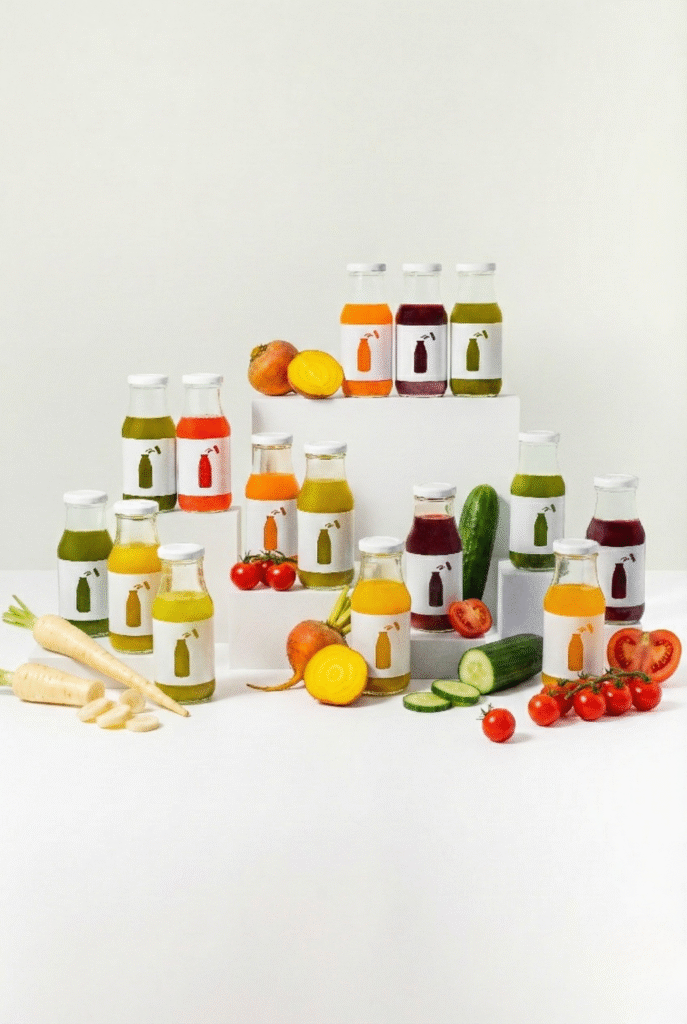

How many vegetables do you need to stay healthy?
That eating enough vegetables is healthy, you probably knew. Most of us are told that from a young age. But how many vegetables should you actually eat per day for good health? In this article you will discover how many grams of vegetables per day are considered “healthy” in the Netherlands and other Western countries. In addition, we discuss:
- the health benefits of eating vegetables
- How many people actually eat enough vegetables
- Which forms of vegetables are called “healthy”
- How to easily eat more vegetables a day yourself
- What else you can consider when choosing your daily serving of vegetables
Vegetables as part of a healthy diet
That proper nutrition is essential for a long and healthy life has long since ceased to be news. Not for nothing has Het Voedingscentrum, the government-backed advisory agency on nutrition, been around for 80 years, since 1941. For example, this center is responsible for creating the famous “Disk of Five,” which you can use to see if your daily menu is made up of the right amounts of the following foods:
- fruits and vegetables
- lubricating and cooking fats
- dairy, nuts, legumes, meat and egg
- bread, cereal products and potatoes
- beverages
So the Disk of Five makes it clear what nutrients you need to take in on a daily basis to have enough energy and to get and/or stay healthy. In this article we focus on the first category: vegetables. How much should you eat, which types of vegetables fall within the Dishes of Five and how do you get that amount?
What is a healthy amount of vegetables per day?
The Nutrition Center considers a minimum of 250 grams of vegetables per day to be a healthy amount for adults. In addition, it emphasizes the importance of varying the types of vegetables you eat. After all, each vegetable has a different composition of nutrients, such as vitamins and minerals. By varying your daily portion of vegetables, you ensure that your body gets all the nutrients it needs to function properly. Do you think 250 grams of vegetables a day is a lot? Then it might be nice to know that other European countries recommend even larger amounts of vegetables. For example, the High Health Council in Belgium recommends that the population eat 300 grams of vegetables a day. Several other countries, such as Great Britain, Germany and France, recommend 5 servings of vegetables and fruits of at least 80 grams per day. They thus follow the WHO (World Health Organization) recommendations, also known as “
What do vegetables do for your health?
Vegetables play an important role in maintaining good health. Most vegetables are low in calories, so even in large quantities they are not likely to cause obesity. At the same time, vegetables contain a variety of healthy nutrients, such as vitamins, minerals and fiber. Vitamins and minerals are necessary for all kinds of physical and mental processes, from thinking and exercise, for example, to supporting your immune system and renewing body cells. According to the Nutrition Center, it is therefore necessary to eat enough vegetables every day to stay healthy.
How many vegetables does the average Dutch person eat per day?
So the Dutch Nutrition Center advises adults to eat 250 grams of vegetables a day. But how many people actually reach that amount? A RIVM study published in 2020 found that 1-79 year olds who participated in the food consumption survey in the period 2012-2016 ate an average of 129 grams of vegetables per day. On its website, the Voedingscentrum talks about an average consumption of 131 grams of vegetables per day. Even in Belgium, the recommended amount of vegetables per day is not met by a large part of the population. According to a 2014 food consumption survey, the average Belgian between the ages of 3 and 65 ate about 145 grams of vegetables per day.
Vegetables from the Disk of Five
So, on average, Dutch people eat less vegetables than they need to live a healthy life. In addition, not all the vegetables eaten fit within the five-slice scale, because they were supplemented with nutrients that do not contribute to good health, such as high salt or sugar. If you look specifically at the consumption of vegetables that do fit within the Five, the daily quantity of vegetables per person was only 114 grams per day. A little further on in this article you can read which vegetables do fit within the five-step scale, so that you can choose them if necessary.
How many people ate enough vegetables?
According to the poll, only 5% of the population between the ages of one and 79 ate a healthy amount of vegetables that fit within the Disk of Five. Young children between the ages of one and three still came closest to the amount recommended for them. 39% of little ones did eat enough vegetables. Among adolescents (14-18 years old) and young adults (19-30 percent), vegetable consumption was lowest. Only 0 to 1% of those in these age groups ate enough vegetables per day.
Which vegetables are labeled “healthy”?
When the Nutrition Center talks about 250 grams of vegetables per day, it is talking about specific forms of vegetables. Of course, you can package, store and prepare vegetables in different ways, and that affects the amount of healthy nutrients you get. According to the Nutrition Center, in some cases so little remains of vegetables’ original nutrients that they do not contribute (enough) to good health. In other cases, they are supplemented with nutrients that can actually be unhealthy. So which forms of vegetables can you count when aiming for 250 grams of vegetables a day? The RIVM report mentions, among others:
- Unprocessed, fresh vegetables
- Frozen vegetables
- Canned vegetables
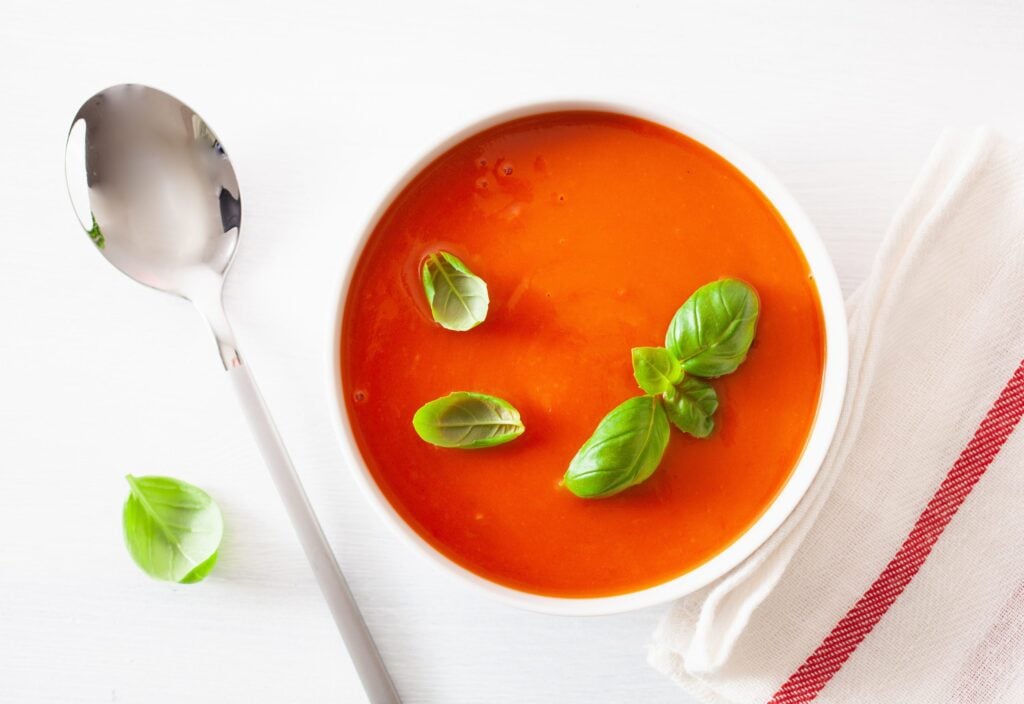
- Pureed vegetables
- Dried vegetables without added salt and sugar
Vegetables with added sugar or salt are not counted as part of The Disk of Five and therefore you cannot count them towards your daily dose of 250 grams of vegetables per day.
How can you easily eat more vegetables?
Would you like to boost your daily vegetable consumption? Then try adding some vegetables at breakfast or lunch as well. Some vegetables, such as carrots, small tomatoes, cucumber or peppers, also do very well as snacks. Need some inspiration? Then take a look here! On Veggipedia you will also find plenty of information about more than 475 kinds of vegetables and fruits, with handy recipes. This makes variation a lot easier. With this tool you can see what your personal vegetable needs are and get suggestions for a daily menu that fits them.
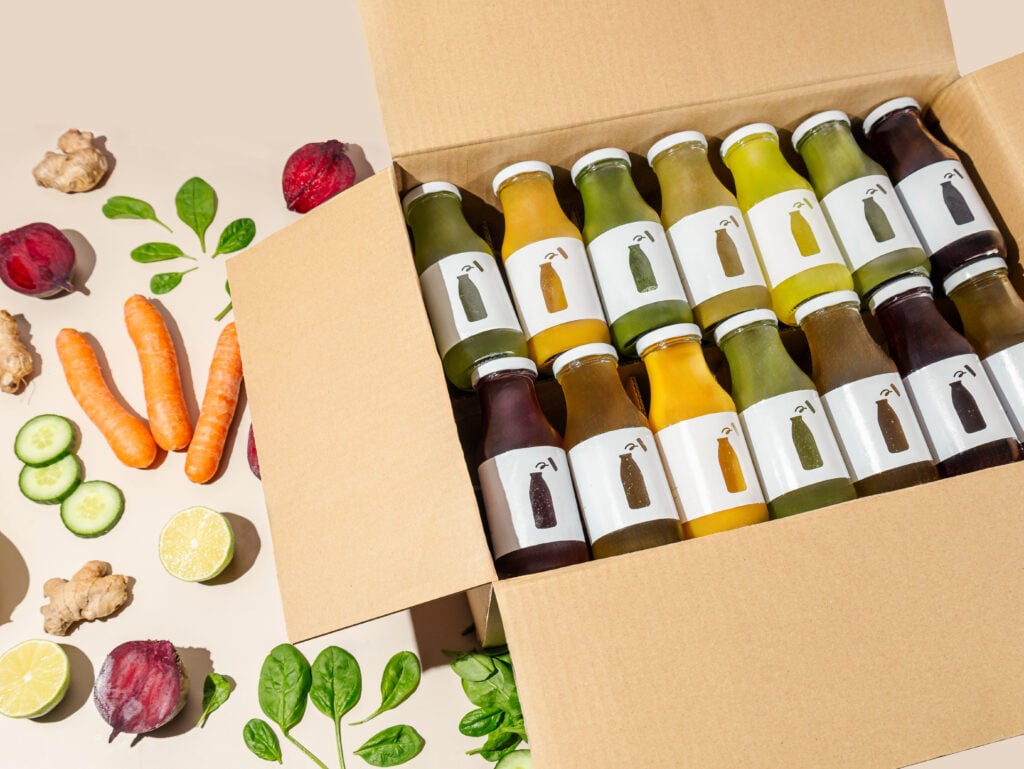
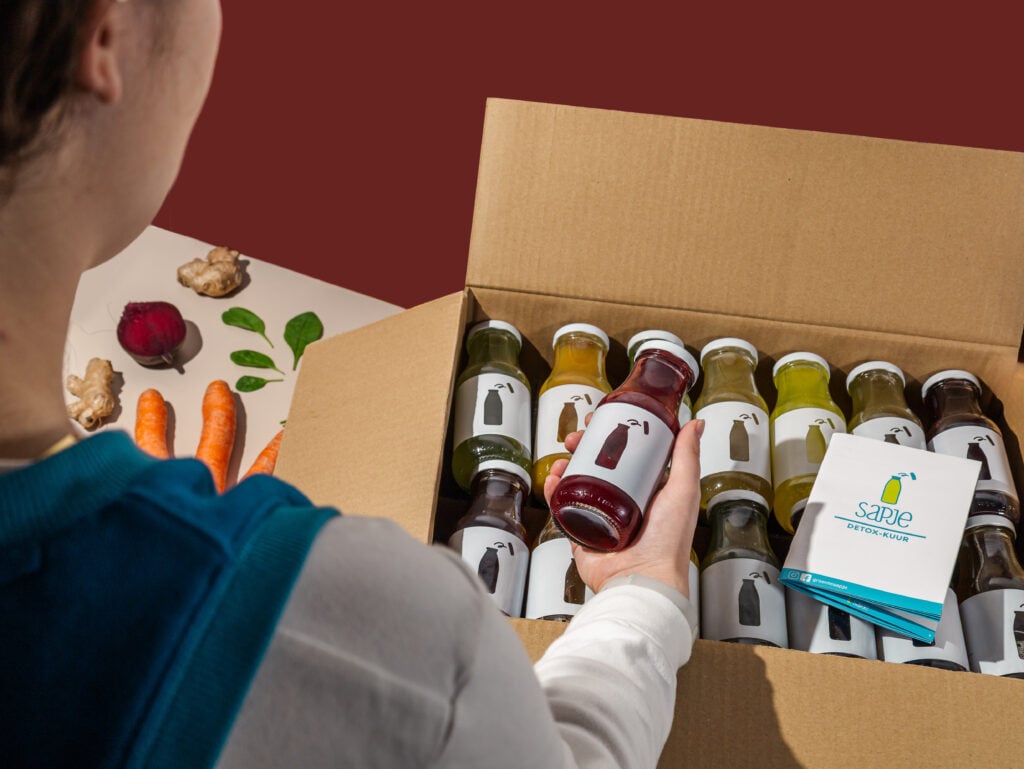
Extra tip: You can also follow a detox , Juice’s juice cure contains more than 9 pounds of organic vegetables.
Tip: Eat vegetables from the season!
At Sapje, in addition to organic vegetables, we also like to choose local vegetables from the season. These are often tastier, fresher, and more sustainable, as less energy is usually required to grow and transport them. Would you like to eat as many seasonal fruits and vegetables as possible, but find it difficult to determine which vegetables to eat and when? Here you can find more information with a handy drop down menu per season!
How do you preserve the healthy nutrients from vegetables? 5 tips
Would you like to benefit from the many healthy properties of vegetables? Then it’s smart to take another look at how you buy, store, prepare and consume vegetables. Here are 5 handy tips to get you started:
- Eat fresh vegetables as soon as possible. Depending on the variety, vegetables lose (some of their) healthy nutrients as early as 2 days.
- Do you buy pre-cut vegetables? Then it’s wise to eat them the day you buy them. Even if you cut your own vegetables, it’s smart not to wait too long before eating them. Once cut, many vegetables lose healthy nutrients.
- Vary with raw and cooked vegetables. Fresh vegetables usually contain more nutrients, but from cooked vegetables your body can sometimes absorb them better.
- Do not cook your vegetables longer than necessary. This is because up to 50% of the vitamins can be lost in the process, which is obviously a waste. Steaming and blanching are ways to prepare vegetables that retain more healthy nutrients. Also, with these preparation methods you often preserve the flavor and color better.
- Do not store cucumber, tomato and bell bell pepper in the refrigerator. Many fresh vegetables keep better in the refrigerator, but these varieties can actually spoil due to cold. Want to know more about how best to store your favorite vegetables? Then this is a helpful resource!
Find more great tips and information about vegetables here!
Can you replace vegetables with vitamin pills?
Do you find it difficult to eat enough vegetables and wonder if vitamin pills can have the same positive effects on your health as vegetables? Then we have to disappoint you: they do not. According to the Nutrition Center, it is clear that eating enough fruits and vegetables can help you stay healthy, but too much knowledge is still lacking as to why. It is suspected that certain combinations of nutrients provide the positive effects, but the exact proportions are too unclear to make vitamin pills whose effects are exactly the same. Moreover, vegetables contain more healthy components, such as bioactive compounds and fiber, that a vitamin pill cannot provide. On top of that, vitamin pills sometimes contain such high doses of certain nutrients that using them can also lead to surpluses of certain vitamins and minerals. This can actually be detrimental to your health.
Can you count vegetable juice toward your daily serving of vegetables?
Vegetable juice is basically not counted by the Nutrition Center with the vegetables that fall within the Disk of Five. An explanation about vegetable juice on the center’s website shows that vegetable juice is considered a sugary drink and is therefore not labeled as healthy. Of course, there is a lot of vegetable juice for sale that contains additives such as sugar, salt or preservatives, but that is certainly not true of all vegetable juices.
Fiber
Also, vegetable juice would “usually contain smaller amounts of fiber” than vegetables in their original form. In many cases, this is indeed true. With vegetable juicing, an amount of the natural dietary fiber is lost, and vegetables are an important source of fiber that the body needs. So you can’t say that drinking vegetable juice can completely replace eating vegetables when it comes to beneficial properties for your health. Do you enjoy drinking vegetable juices? Then make sure you eat enough vegetables in addition to that to get enough fiber. You need about 30-40 grams of this per day, according to The Nutrition Center. Besides vegetables and fruits, whole grain bread, potatoes, cereals, nuts and legumes are also good sources of dietary fiber.
Vitamins and minerals
According to the Nutrition Center, vegetable juice is said to contain fewer vitamins and minerals than fresh vegetables, such as vitamin C and folic acid. It is important to note, however, that one vegetable juice is not the other. Vegetable juice made from concentrate (vegetable puree supplemented with water) is generally not fresh and less rich in healthy nutrients than vegetable juice made from fresh vegetables.
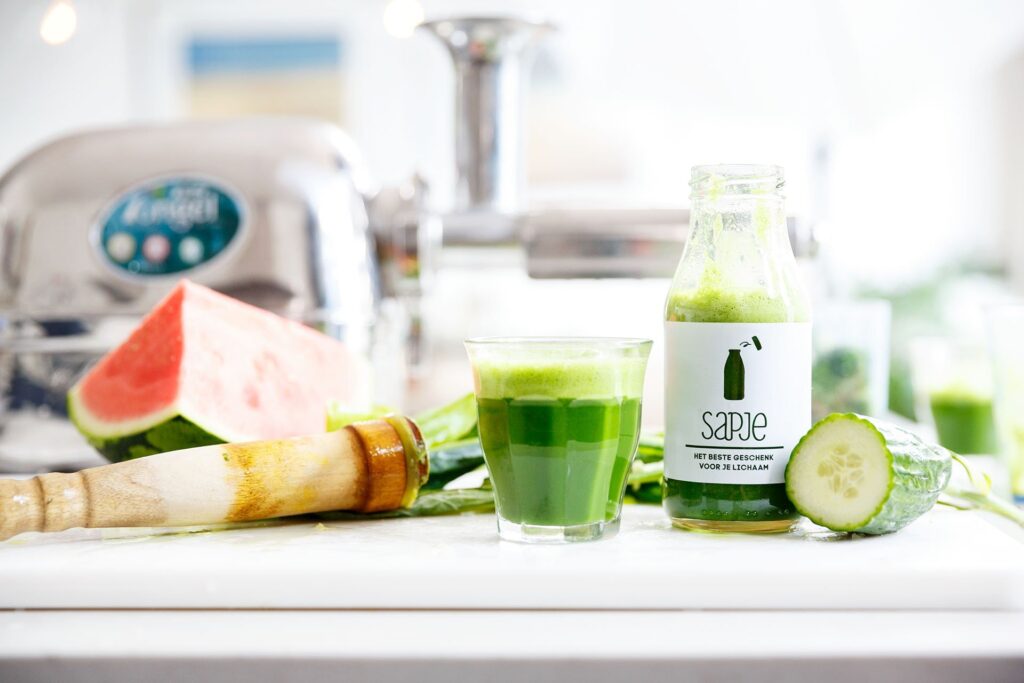
What makes Sapje’s vegetable juices healthy?
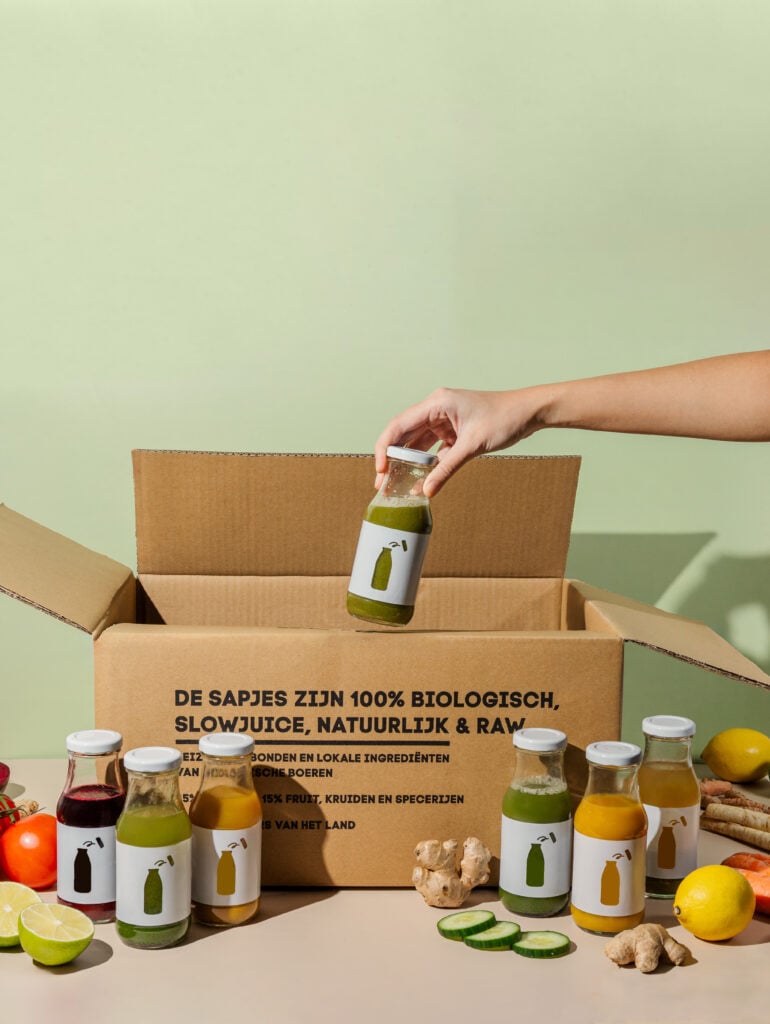
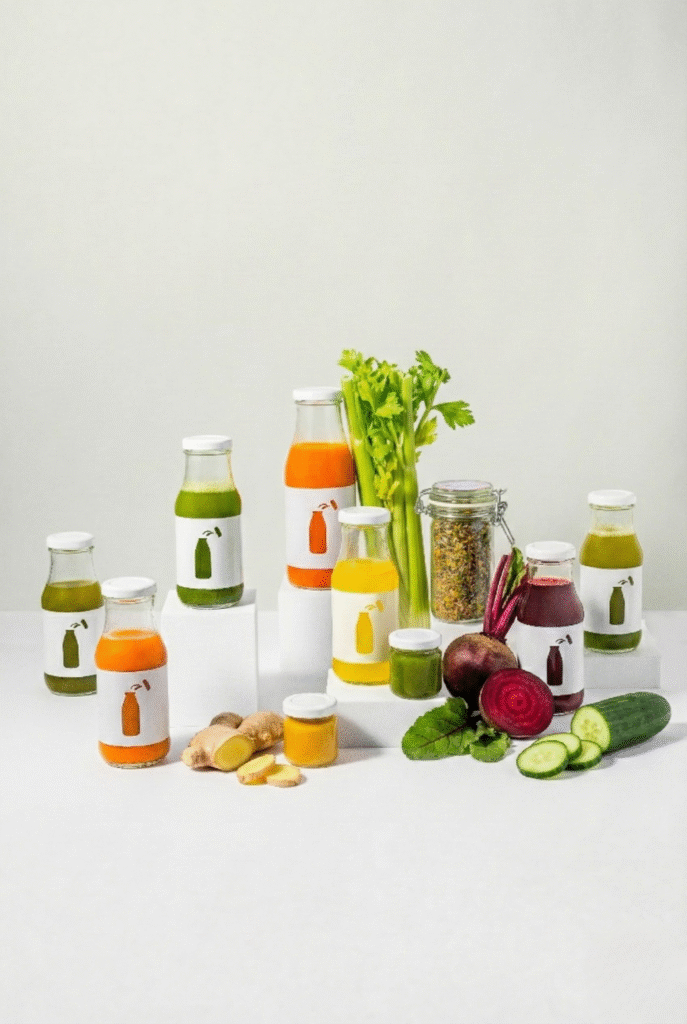
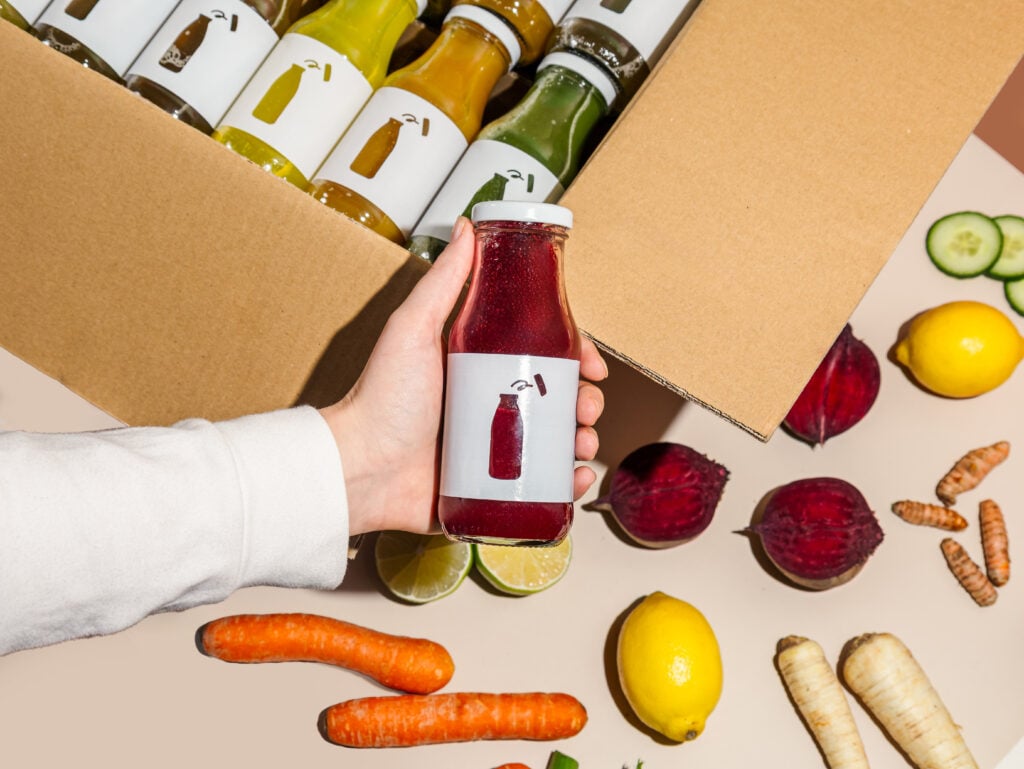
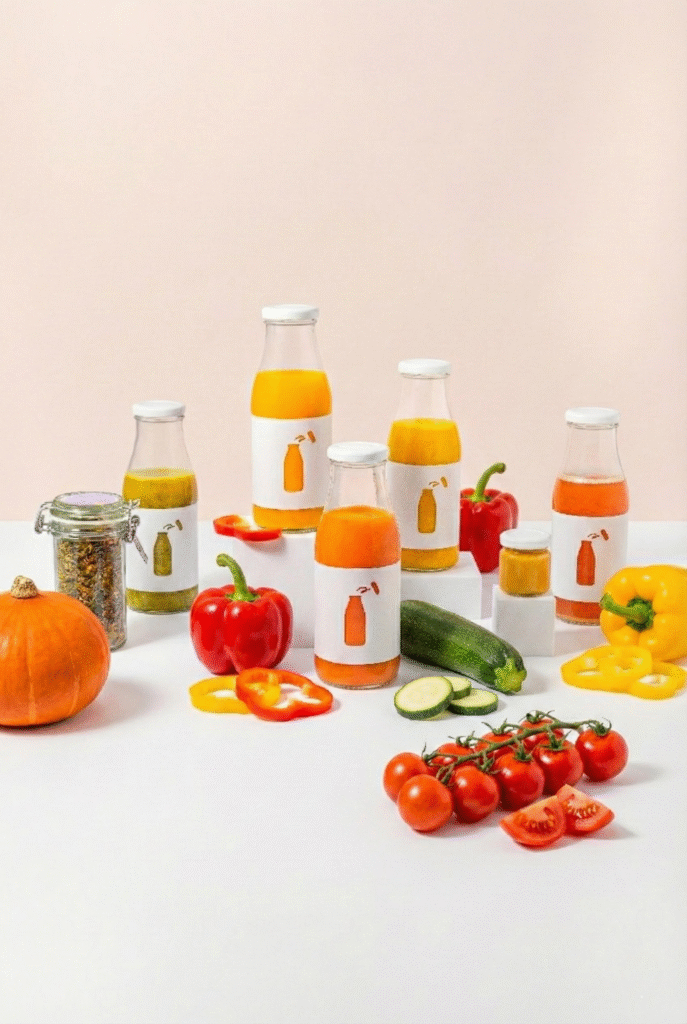
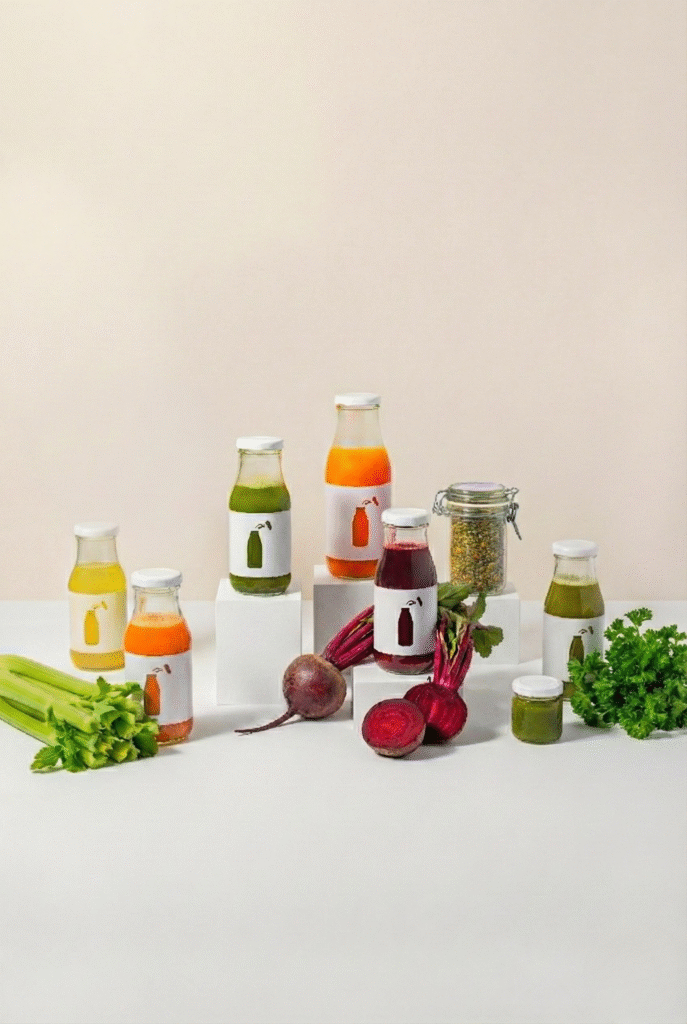
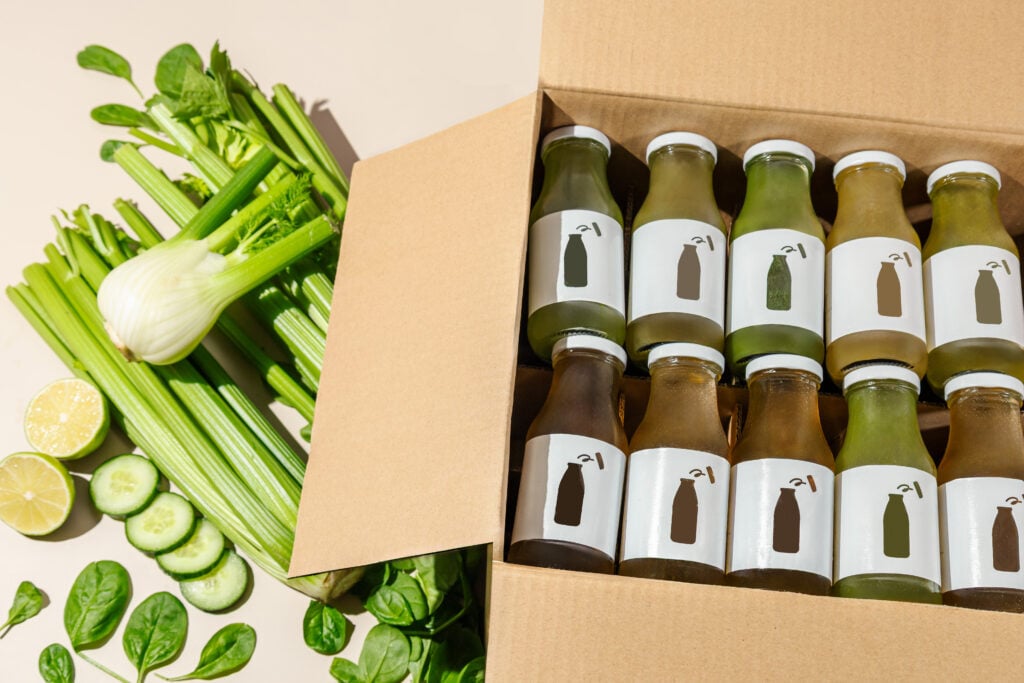
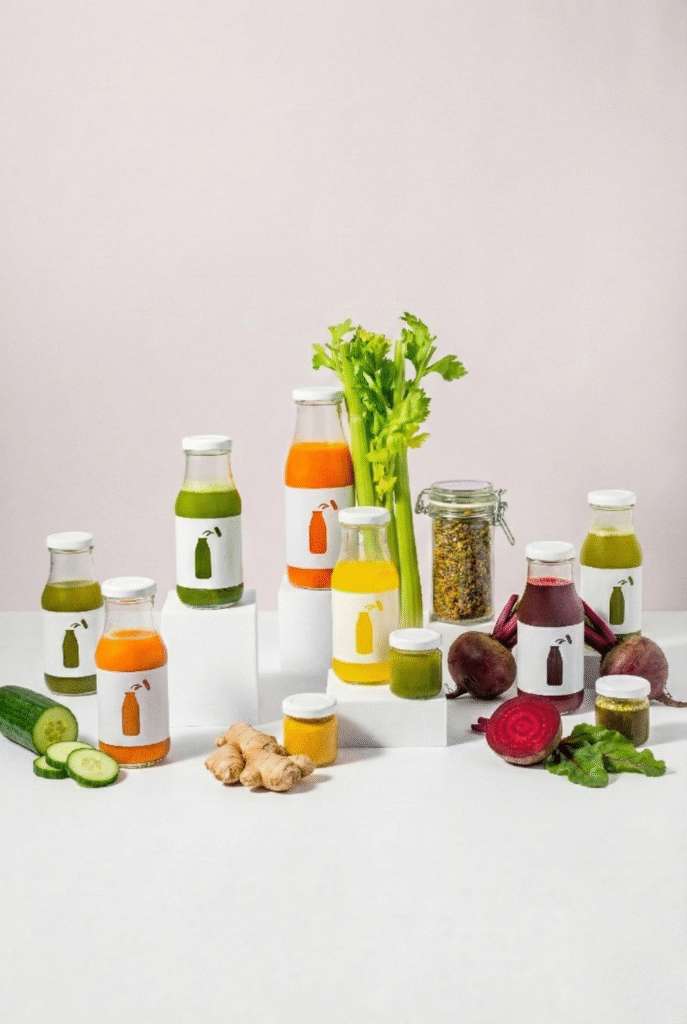
- Lots of fresh vegetables: Sapje’s vegetable juices are always made with 370-420 grams of fresh, raw and organic vegetables per bottle.
- Pressed with the slow juicer: By pressing the vegetables with the slow juicer in a refrigerated environment, many healthy nutrients are retained extremely well. Moreover, this way of pressing vegetables makes the nutrients from raw vegetables more absorbable by your body.
- Frozen: Because the juices are then immediately frozen, few vitamins and minerals are also lost.
- No additives: No preservatives are necessary because the juices are frozen, and no salt or sugar is added to the vegetable juices. The juices consist of at least 85% vegetables, supplemented with nothing but organic fruits, herbs and spices.
- Glass Bottles: By storing our juices in glass bottles, we preserve the nutrients well and prevent unwanted particles from getting into the juice. A glass bottle does not give off anything to its contents.
In short, we work with lots of fresh vegetables to which no salt, sugar or preservatives have been added. We also choose a production method, preservation method and packaging that preserve nutrients well. This means that in many ways Sapje’s vegetable juices do meet the recommendations of the Nutrition Center. Here you can read more about what we do to make healthy vegetable juice!
Vegetable juice as a supplement to a healthy diet
As healthy as our vegetable juices are, they cannot serve as a complete replacement for eating fresh vegetables. Still, you can consider them a very good addition to your diet when it comes to micronutrients, such as vitamins, minerals and bioactive compounds. This is also because they are always made from multiple vegetables. As a result, they contain a nice mix of nutrients. Read more about the benefits of vegetable juice for your health here.
Easily ingest more vegetables per day
Convenience is also a major reason why juice lovers choose to get part of their daily portion of vegetables through vegetable juice. Buying, washing, cutting and preparing fresh vegetables simply takes time. Our juices only need to be thawed in time; the rest is all done. Still, you get a lot of the goodness of fresh vegetables. Moreover, you don’t have to leave the house to buy our vegetable juices. After all, you can do that through the website, where you can choose from many different juices for much-needed variety. Then you indicate when we can deliver them with the freezer truck and we deliver them to you at your convenience.
Hopefully the tips from this article will help you take advantage of the already good in vegetables more easily, too!