Getting folic acid naturally
You may know folic acid as the vitamin that is important for women around pregnancy. This is because this vitamin contributes to the growth and development of the unborn child. But women without a desire to have children and men also need enough folic acid. This is because folic acid is a vitamin, which means that this substance is essential for your health, but that you cannot make it yourself, or not enough of it. Therefore, it is important to get enough through your diet. Find out what folic acid does in your body and how to get enough of it naturally in this blog!
What is folic acid?
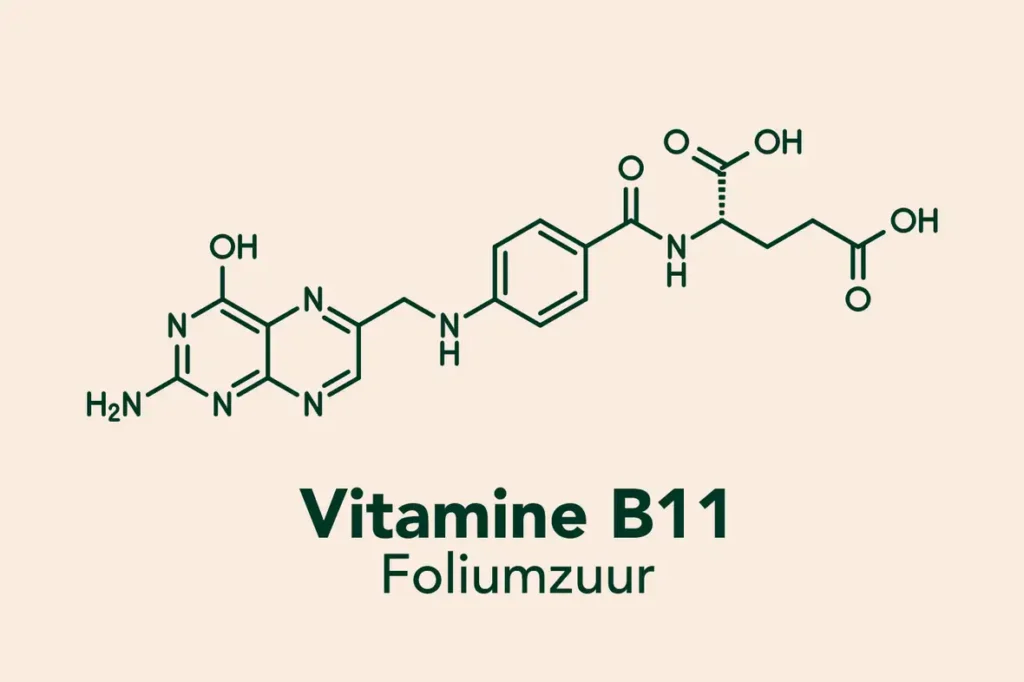
Folic acid is also known as folate or vitamin B11 (and as if that wasn’t confusing enough, in America, Germany and France they call it vitamin B9). Folate and folic acid are actually two different forms of vitamin B11. In your diet, this vitamin occurs only as folate (a group of different polyglutamate compounds). But because natural folates are very unstable, they cannot be used in supplements(1). Hence, supplements always contain a synthetic and more stable form: folic acid.
What does folic acid do in your body?
In addition to the role folate plays during pregnancy, it has numerous other functions in your body. Below are some of folate’s most important functions:
- Helps in the normal functioning of your immune system.
- Contributes to the production of cells and tissues (cell division).
- Is involved in memory, concentration and learning ability.
- Has a role in the production and breakdown of homocysteine.
- Helps to reduce fatigue.
- Supports the production of red and white blood cells.
- Contributes to the growth of the unborn child during pregnancy.
Since folate is a water-soluble vitamin, it cannot be stored properly in your body. So it is important to get enough of it daily.
How much folic acid do you need daily?
The amount of folic acid you should take daily depends on your age and whether you are or want to become pregnant.
Anyone 14 years and older
From the age of 14, the recommended daily allowance (RDA) is 300 µg of folate. In principle, a healthy and varied diet is sufficient to ingest this amount.
Pregnant women
For women planning to become pregnant, the advice is to get 400 µg of folate from food daily from 4 weeks prior to pregnancy until 10 weeks into pregnancy, in addition to taking a daily supplement of 400 µg of folic acid.
Breastfeeding women
For breastfeeding women, the recommendation is to get 400 µg of folate per day through the diet.
Can you also ingest too much folic acid?
Getting too much folic acid through your diet does not seem possible. However, high doses via supplements can lead to an excess(1). It is therefore important to be conscious about taking supplements. A folic acid supplement is a must if you want to have children, but other than that it is good to focus on a good intake through your diet. That way, you can be sure to get all the health benefits without risking taking in too much.
Folic acid in food
Vegetables, fruits, whole grain cereals, legumes, organ meats, eggs and dairy are the main sources of folate in our diet. Green leafy vegetables are especially high in folate. Eating a healthy and varied diet will ensure that you get enough of this important vitamin daily. The table below shows some examples of good sources of folate.
Folic acid in food
| Food | Folate (µg per 100 g)* |
| Pork liver (cooked, meaty) | 542 |
| Asparagus | 175 |
| Chard | 165 |
| Sunflower seeds | 151 |
| romaine lettuce | 136 |
| Spinach | 131 |
| Hazelnuts | 121 |
| Turnip greens | 123 |
| Almonds (with skin) | 93 |
| Broccoli | 77 |
| Strawberries | 65 |
| Oatmeal | 60 |
| Egg (boiled) | 59 |
| Uncooked unpolished rice | 49 |
| Whole wheat bread | 40 |
| Kiwi (green) | 34 |
| Kidney beans (cooked) | 34 |
| Orange | 33 |
| Low-fat cottage cheese | 26 |
| White beans (cooked) | 25 |
| Whole wheat pasta (uncooked) | 24 |
| Low-fat yogurt | 13 |
*Source: NEVO-online version 2021/7.0
Loss of folate during preparation
Folate in food is quite unstable. When this vitamin comes into contact with high temperatures, light or oxygen, some of it is quickly lost. For example, 3.5 minutes of cooking spinach already causes a 51% decrease in folate. In the case of broccoli, after 10 minutes of cooking it is even 56%(2). In contrast, steaming these vegetables does not cause a loss of folate. It also helps to combine folate-rich vegetables with vitamin C, as this vitamin counteracts the breakdown of folate(3).
Folic acid in vegetable juices
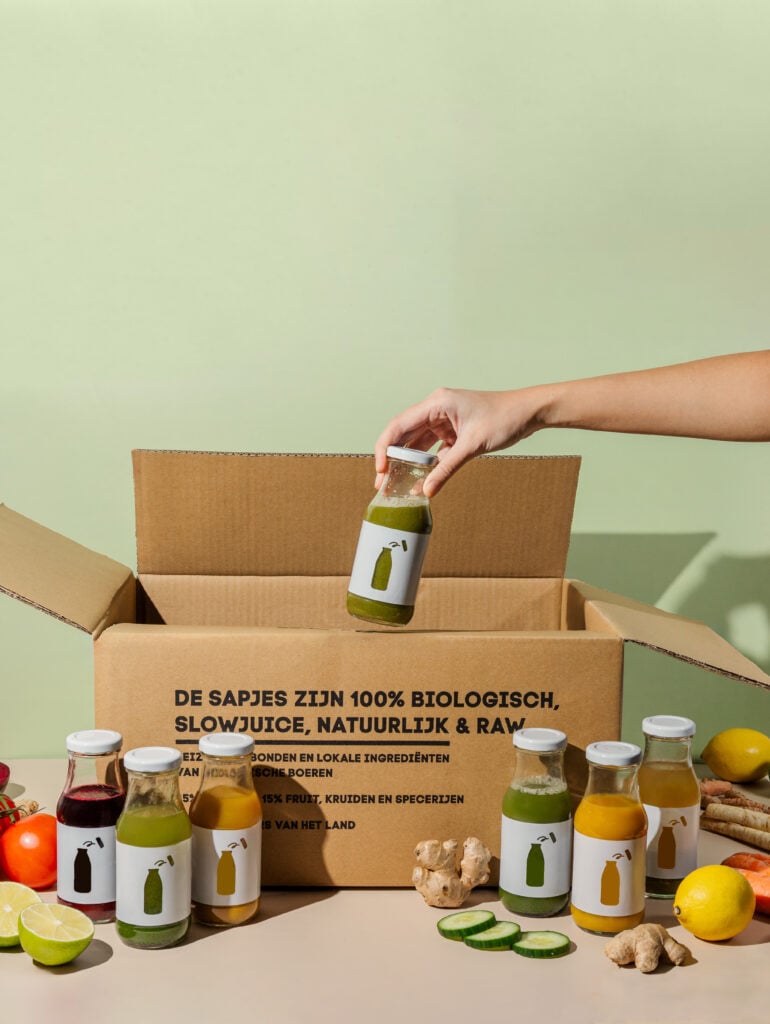
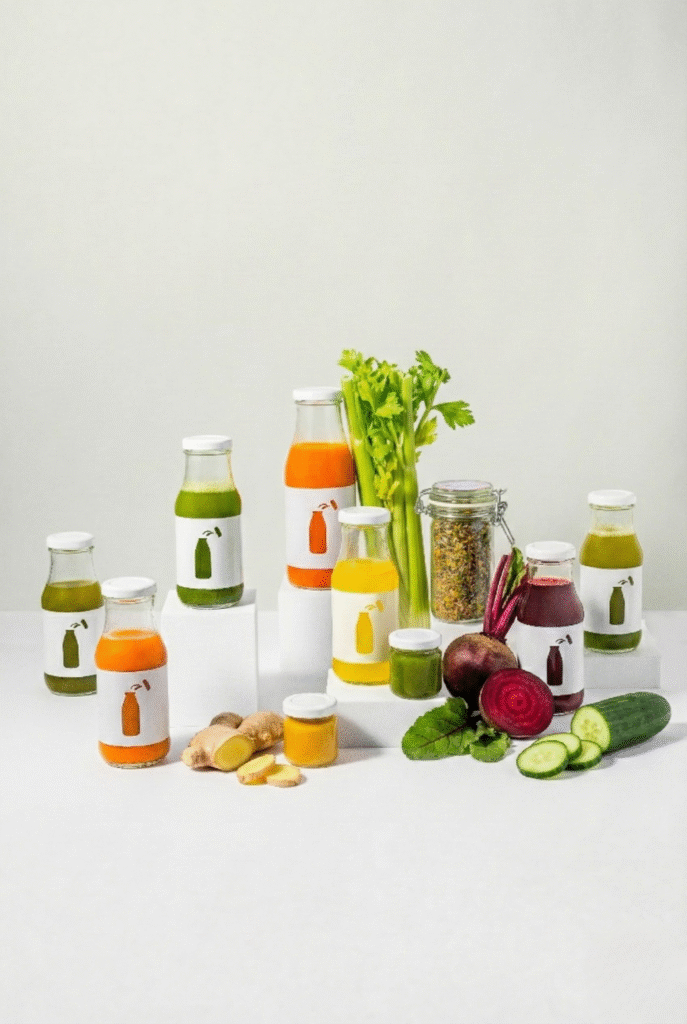
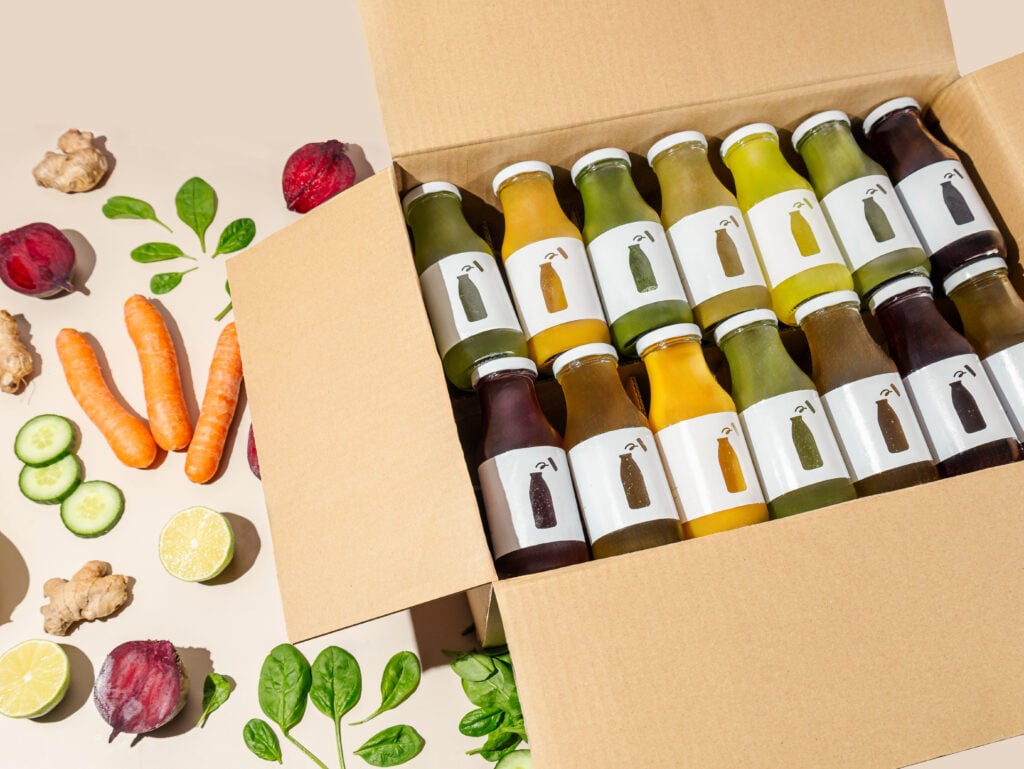
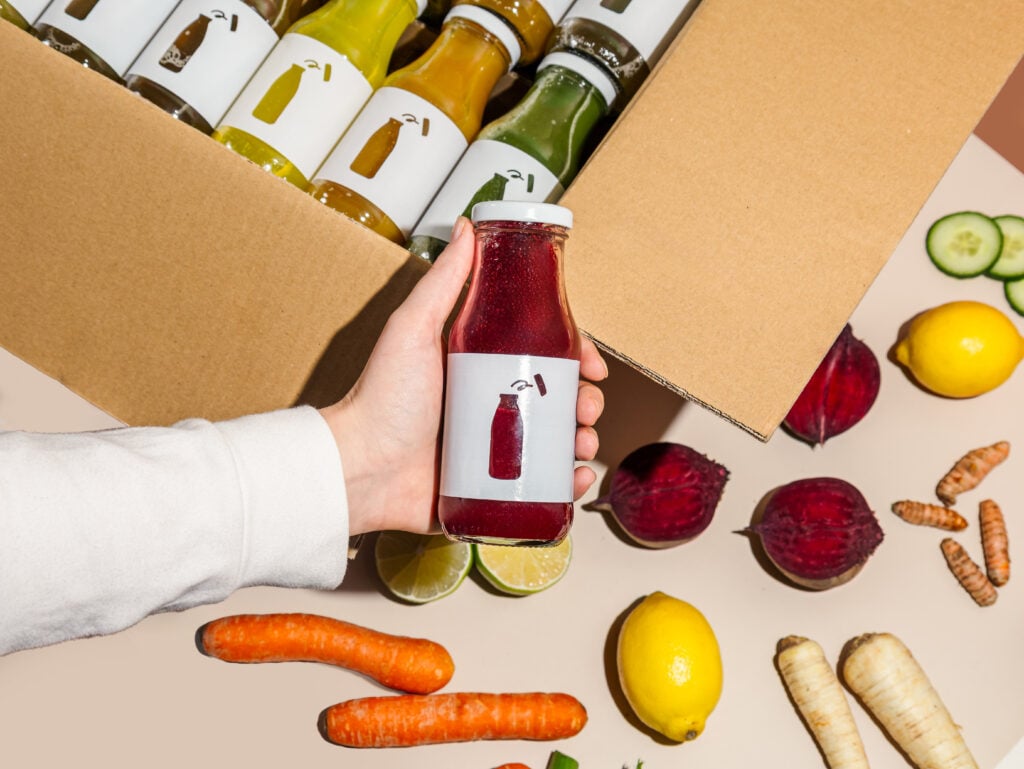
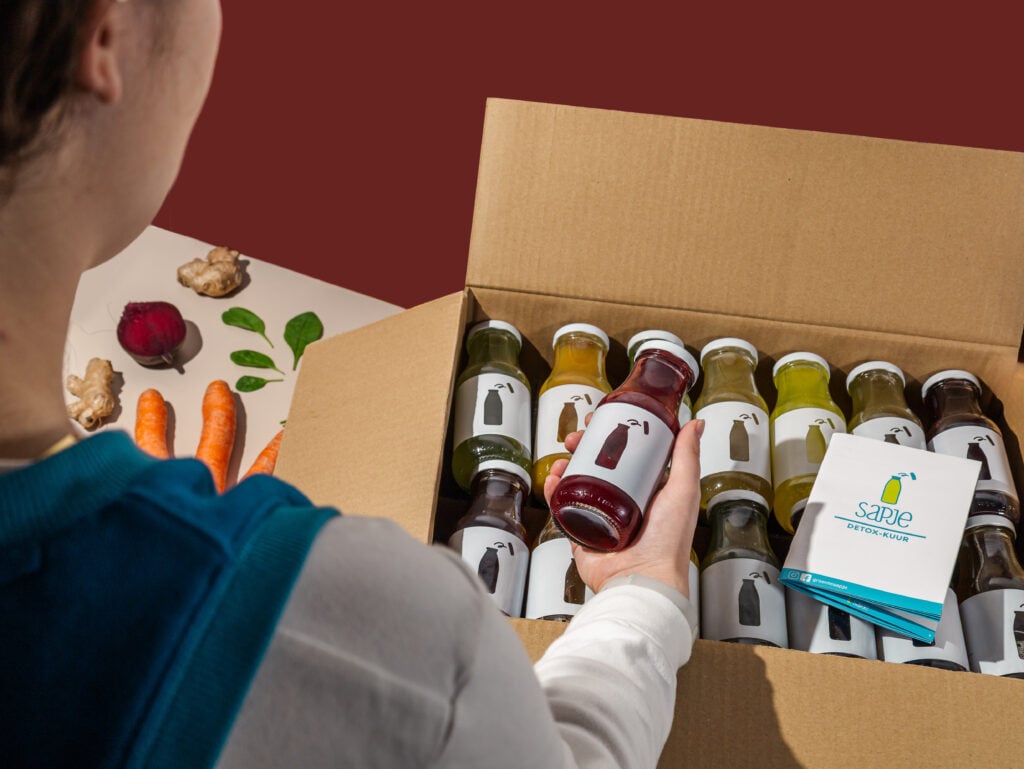
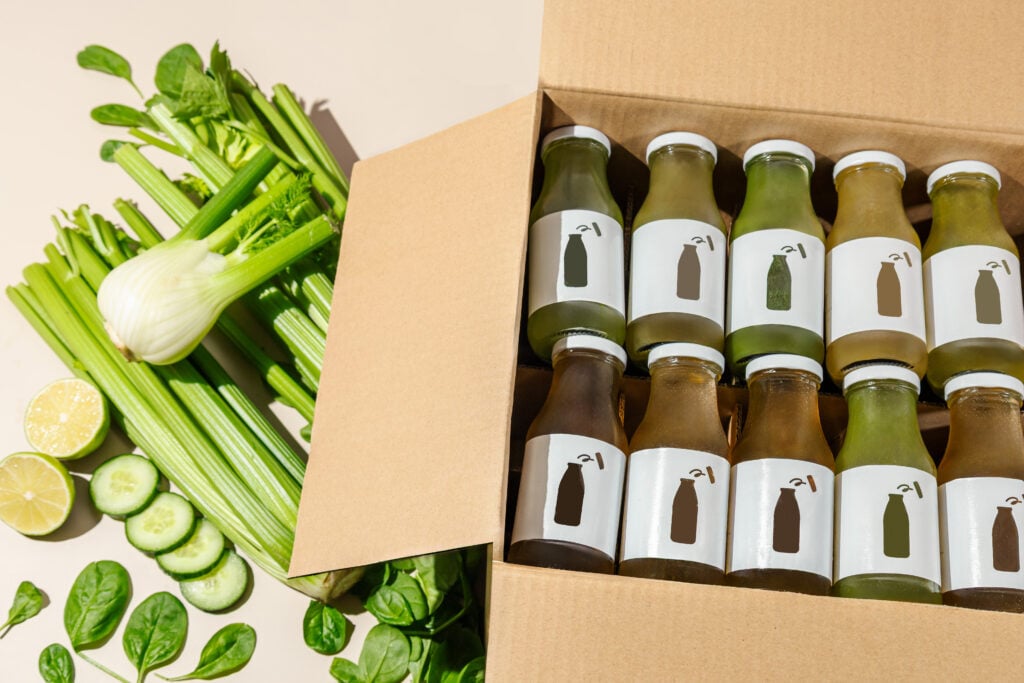
Our vegetable juices are an excellent way to get extra folate. In addition to the fact that the fresh vegetables in our juices are themselves rich in folate, the juices also contain a lot of vitamin C, which helps preserve folate. Also, our juices are frozen immediately after preparation so that all vitamins are extra well preserved. Below you can see which of
| Sapje | Folate per juice (240 ml) | Vitamin C per juice (240 ml) |
| Fuel | 164 μg | 38 mg |
| Recharge | 123 μg | 26 mg |
| Sunny | 98 μg | 93 mg |
| Detox | 98 μg | 96 mg |
| Boost | 84 μg | 39 mg |
| Wild | 81 μg | 31 mg |
| Power | 80 μg | 92 mg |
| Energy | 77 μg | 35 mg |
*RI=Reference intake
What does folic acid do for you?
What do you notice when you are folic acid deficient?
– Fatigue or weakness
– Pale skin or shortness of breath
– Memory problems or loss of concentration
– With prolonged deficiency: anemia
– In pregnant women: increased risk of abnormalities in the unborn child
Symptoms may start out subtle, but over time have a major impact on your energy level and overall health.