
















The importance of calcium in vegetables for your health
When you hear calcium, you may quickly think of milk and other dairy products. But dairy is certainly not the only source of this important mineral. Vegetables are also a valuable provider of calcium for your body. Why you need calcium, how much calcium you should get daily, and which foods are high in calcium are all explained in this blog!
What functions does calcium have in your body?
Calcium is the most abundant mineral in our bodies. As much as 2% of your body weight is made up of calcium, 99% of which is found in your bones and teeth(1,2). Besides being important for keeping your bones and teeth strong, calcium also plays a role in the contraction of your muscles and the transmission of impulses in your nerve cells. But calcium is involved in many more essential processes in our body. Below is an overview of the main functions of calcium in your body:
- Maintain strong bones and teeth
- Involved in muscle function
- Good for nerve function
- Promotes digestion
- Supports energy metabolism
- Contributes to normal blood clotting
- Plays a role in cell division
So to maintain a fit and healthy body, it is definitely important to get enough calcium!
How much calcium do you need daily?
The amount of calcium you need depends on the status of calcium metabolism in your body(2). This is regulated by 3 mechanisms, namely:
- The absorption of calcium through your intestines
- The reabsorption of calcium from your kidneys
- The build-up and breakdown of calcium stores in your bones
In addition to being important for the structure of your bones, your bones also play a role as a store of calcium. Your body can tap into this store when you take in less calcium through diet.
Especially your age plays an important role in the amount of calcium you need daily. Both children and the elderly have an extra high need for calcium. This has to do with the body’s calcium balance.
Children
Children have a positive calcium balance. This means that more calcium is stored in the body than is excreted. This is because calcium is important for building and developing bones during growth. During this period it is especially important to get enough calcium so that the bones can fully develop.
Daily recommendation calcium (children 0-8 years): 450-700mg
Daily recommendation calcium (children 9-17 years): 1100-1200mg
Adults
In healthy adults there is a neutral calcium balance. As much calcium is stored in the bones as is broken down. By getting enough calcium through your diet, you ensure that your bones remain strong.
Daily recommendation calcium (18-60 years): 950-1000mg
Elderly
As you age, calcium absorption in the intestines and kidneys decreases(3). In women over 50 and men over 70, this decreased absorption causes more calcium to be withdrawn from the bones, creating a negative calcium balance. In other words, more calcium is broken down than is built up. Building strong bones at a younger age provides a good starting point for maintaining strong bones later in life. Physical exercise and stress on the bones also helps maintain strong bones, as does a higher dietary calcium intake.
Adequate intake (women >50, men >70): 1100-1200mg
Vitamin D and calcium
Vitamin D also plays an important role in calcium metabolism. In fact, this vitamin helps with the absorption of calcium from your diet and increases calcium absorption in your bones(1). So for optimal calcium metabolism, it is also important to have enough vitamin D available. You make this vitamin yourself when your skin comes in contact with sunlight. By spending 15-30 minutes daily in the sun with your face and hands uncovered, you generally make enough vitamin D. But for several groups, the Health Council also recommends taking a supplement. This applies, for example, to young children, people with dark skin color and women over 50 and men over 70.
What foods are high in calcium?
Milk and milk products are, of course, a well-known source of calcium. For this reason, they are often advised within a healthy diet. But vegetables, grain products, legumes and nuts also contribute to your daily calcium intake. Especially when you have little or no intake of dairy products, these products can be a good source of calcium.
Calcium-rich foods
| Food | Calcium (mg per 100 g)* |
| Cheese (30+) | 1020 |
| Almonds | 283 |
| Arugula | 271 |
| Kale | 180 |
| Hazelnuts | 160 |
| Half-fat yogurt | 139 |
| Purslane | 125 |
| Chinese cabbage | 125 |
| Semi-skimmed milk | 123 |
| Watercress | 120 |
| Spinach | 105 |
| Turnip greens | 100 |
| Kidney beans (cooked) | 61 |
| Chickpeas (cooked) | 59 |
| Whole wheat pasta (raw) | 40 |
*Source: NEVO-online version 2019/6.0
Increase your calcium intake with vegetable juices
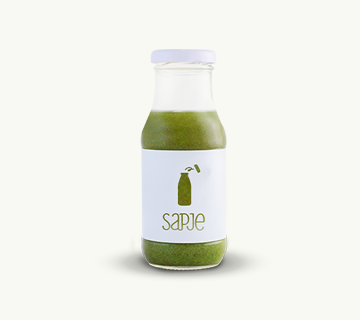
Since calcium is also present in various vegetables, drinking vegetable juices can also be a good way to get extra calcium (and, of course, other vitamins and minerals). We at Sapje have a number of vegetable juices in our range that excel in their calcium content. In particular, our Detox juice is a real winner when it comes to calcium. One bottle already provides you with 100% of the daily reference intake (RI) of this mineral. But fuel, seasons and support are also remarkably rich in calcium. Below is an overview of our juices with the most calcium.
| Sapje | Calcium per juice (240 ml) | RI* |
| Detox | 800 mg | 100% |
| Fuel | 402 mg | 50% |
| Seasons | 320 mg | 40% |
| Support | 282 mg | 35% |
| Power | 127 mg | 21% |
*RI=Reference intake

Conclusion
So getting enough calcium daily is important not only for your bones, but also for many other processes in your body. Besides the better-known sources of calcium, such as milk and cheese, vegetables can also make a good contribution to your calcium intake. Our vegetable juices make it extra easy to get enough calcium daily. In addition, of course, they provide many other good nutrients. So be sure to take a look at the juices order page.
What are the symptoms of calcium deficiency?
– Muscle cramps or tremors
– Brittle or brittle bones (prolonged deficiency → osteoporosis)
– Tingling in fingers or around the mouth
– Brittle nails or dental problems
– Fatigue and lethargy
What is a lot of calcium in?
– Dairy products (milk, yogurt, cheese)
– Green leafy vegetables such as kale, broccoli and pak choi
– Sesame seeds and tahini
– Almonds
– Tofu
– Fortified plant-based milk (such as almond or soy milk)
What should not be combined with calcium?
– Oxalic acid (in spinach and rhubarb, among others) binds calcium and reduces absorption
– Phytic acid (from grains, nuts and legumes) can bind calcium
– Lots of caffeine or cola (phosphoric acid) can pull calcium from your bones
– It is best not to take iron and zinc supplements at the same time as calcium because they can interfere with each other’s absorption
Preferably take calcium along with vitamin D and/or magnesium, which actually improves absorption.