

















Why lentils are so healthy
Lentils are becoming increasingly popular, but are certainly not yet a standard part of most people’s diet. We think that’s a shame! These little legumes are full of healthy nutrients and also very tasty. In this blog we tell you why lentils are so healthy and how you can eat them more often.
What exactly are lentils?
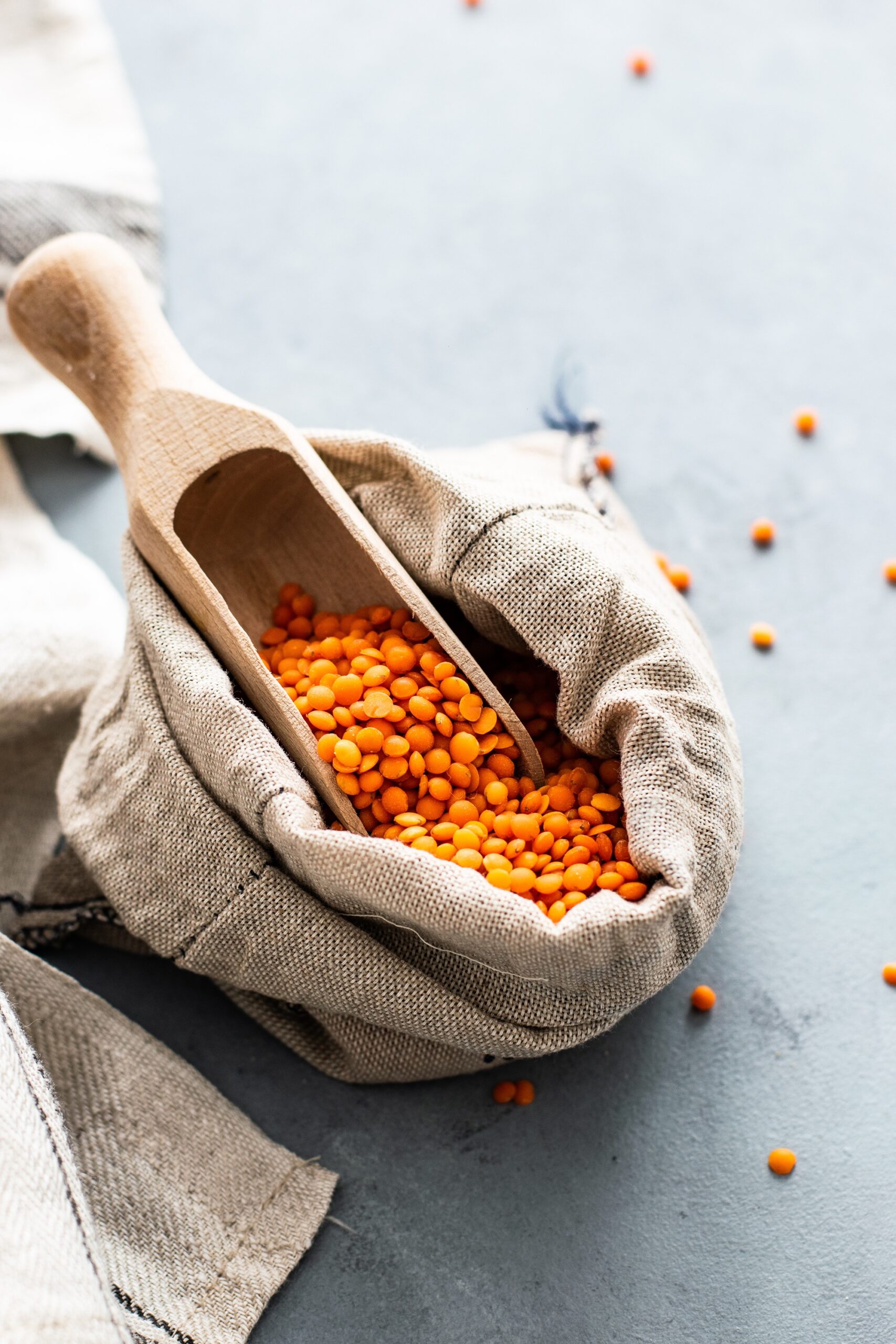
Lentils, like beans, peas and chickpeas, belong to the legumes. They are the edible dried seeds of the lentil plant, a plant in the legume family. Lentils come in many different colors and sizes. For example, you have brown, red, yellow and green varieties. Each variety of lentil is also slightly different in taste and texture. For example, red lentils are the sweetest and have a soft texture after cooking, while brown lentils have a subtle earthy taste and maintain their firmness during cooking. So you can go either way!
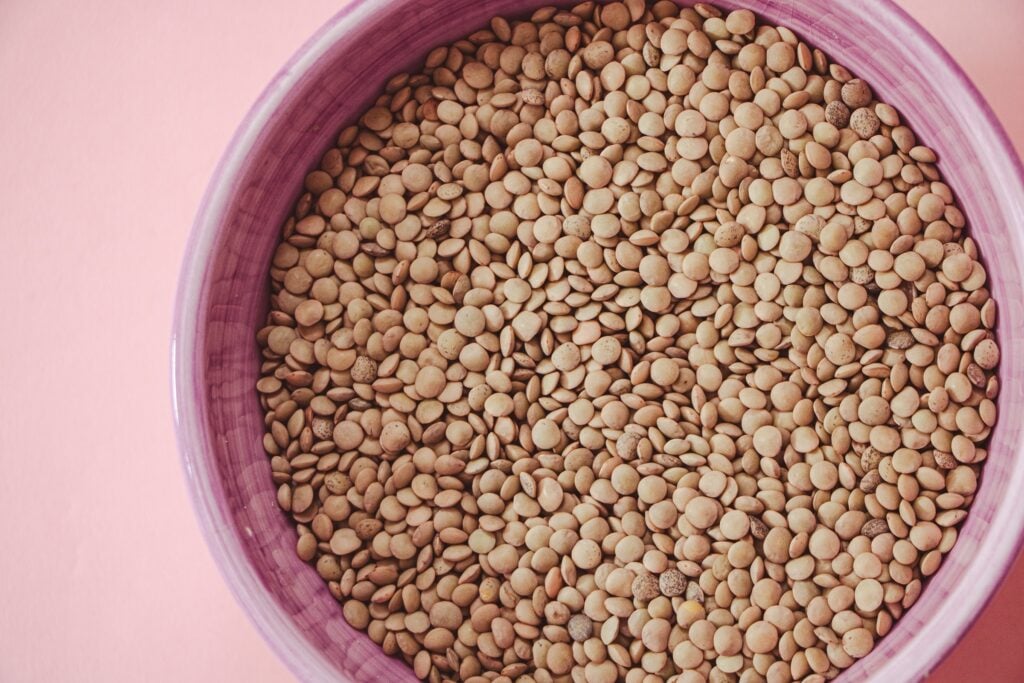
The small disc-shaped legume is also extremely nutritious. Read more about the various nutrients lentils contain below.
Why are lentils healthy?
Lentils contain a nice combination of healthy carbohydrates, protein, fiber, vitamins and minerals. As a result, they fit perfectly into a healthy diet.
Lentils as a source of protein
One 200-gram serving of cooked lentils provides you with as much as 15 grams of protein (1). This makes lentils one of the best vegetable protein sources. They are therefore ideal for vegetarians and vegans. Proteins are important building blocks for our bodies. Among other things, they are important for the composition of your bones and contribute to the recovery of your muscles after exercise.
Vitamins and minerals in lentils
The list of vitamins and minerals that lentils contain is by no means short (1). Each vitamin and mineral helps your body in slightly different ways.
- Vitamin B1: Lentils are a good source of vitamin B1, which among other things contributes to the normal functioning of your heart and supports your energy metabolism.
- Vitamin B6: This vitamin is involved in many different processes in your body. Among other things, it is important for the production of red blood cells and contributes to the regulation of hormones in your body. Vitamin B6 is also good for your ability to concentrate and helps reduce fatigue.
- Phosphorus: This mineral is important for keeping your bones and teeth strong. In addition, phosphorus helps release energy from your food.
- Iron: Perhaps the best-known function of iron is that it aids in the normal transport of oxygen through your body. In addition, iron contributes extra energy to fatigue and has a positive effect on your immune system.
- Potassium: This counterpart of sodium is important for the normal functioning of your muscles and nervous system, among other things. Potassium also helps maintain normal blood pressure.
- Copper: This antioxidant helps protect your body from external influences. In addition, copper supports iron transport in your body and promotes your energy metabolism.
- Magnesium: Among other things, the mineral magnesium helps build body protein and plays a role in maintaining strong and flexible muscles.
- Zinc: Zinc is also involved in a whole range of functions in your body. Among other things, it supports your immune system and helps take care of your skin from the inside out.
High-fiber lentils
The fiber content in lentils is also impressive. Lentils are one of the most fiber-rich foods. With one serving of 200 grams of cooked lentils, you already get almost 10 grams of fiber(1). The general recommendation is to get 25 to 30 grams of fiber daily. So lentils can make a nice contribution to this.
Now you know, lentils are an incredibly valuable addition to your diet. Are you already managing to eat lentils regularly? Here are some helpful tips to incorporate lentils into your meals more often.

Tips for eating lentils more often
Lentils offer many different possibilities; you can vary dishes with them a lot.
- Of course, you can choose classic dishes with lentils, such as Indian dahl or a curry with lentils.
- In addition, you can add lentils to existing recipes. Enrich your favorite dishes by adding lentils. For example, lentils are delicious through pasta sauces, soups, salads and stews.
- Use lentils as a meat substitute. Due to their high protein content, lentils are an ideal meat substitute. For example, you can use them as a plant-based alternative to minced meat in lasagna or chili.
- Also be sure to try our organic Sweet Potato Soup with Red Lentils! This creamy orange soup is deliciously spicy and warming. Also ideal when you don’t have time to be in the kitchen yourself.
Please note that you cannot eat lentils raw. This is because raw lentils contain the substance lectin, which is toxic to us. By soaking the lentils and then cooking them, this substance is completely broken down.
Also check out our blogs on the health benefits of red beet juice, pumpkin soup, tomato juice and carrot juice.
Are lentils good for your gut?
What do lentils do to your body?
What do lentils taste like?
Are lentils vegetables?
Resources
- NEVO-online version 2021/7.0, RIVM, Bilthoven. https://nevo-online.rivm.nl/