













5 nutrition tips to support your energy levels
Do you regularly feel sluggish and tired and would like to have more energy throughout the day? Then adjusting your diet is one way to make that possible. With these 5 nutrition tips for supporting your energy levels, we’ll help you get started.
Lack of energy is a common problem today. A lack of energy can be felt throughout the day, but can also manifest itself in a series of dips throughout the day. Do you recognize this, and would like to feel sharper and more energetic? Then it may be tempting to drink just one more cup of coffee, or have a sweet snack. However, these are short-term solutions that may help for a while, but will only give you more dips in the long run.
In this article you will find 5 nutritional tips that support your energy levels. You’ll learn what’s best to eat for normal energy levels, as well as which foods are better to avoid. These tips for fewer dips also contribute to better health!
1. Avoid fast sugars
When you feel tired, it can be tempting to reach for a sweet snack. That’s not entirely unjustified. Foods with quick sugars or carbohydrates can also quickly provide your body with new energy. The problem, however, is that your blood sugar level rises so quickly that a big dip often follows right after. You may feel the need to eat something sweet again, so the pattern repeats itself and your energy level keeps shooting up and down.
Therefore, try to choose foods with a low glycemic index as much as possible. These are foods that contain sugars or carbohydrates that your body absorbs more slowly, allowing you to avoid that yo-yo effect of your blood sugar and stabilize your energy levels. Examples of foods with a low glycemic index are:
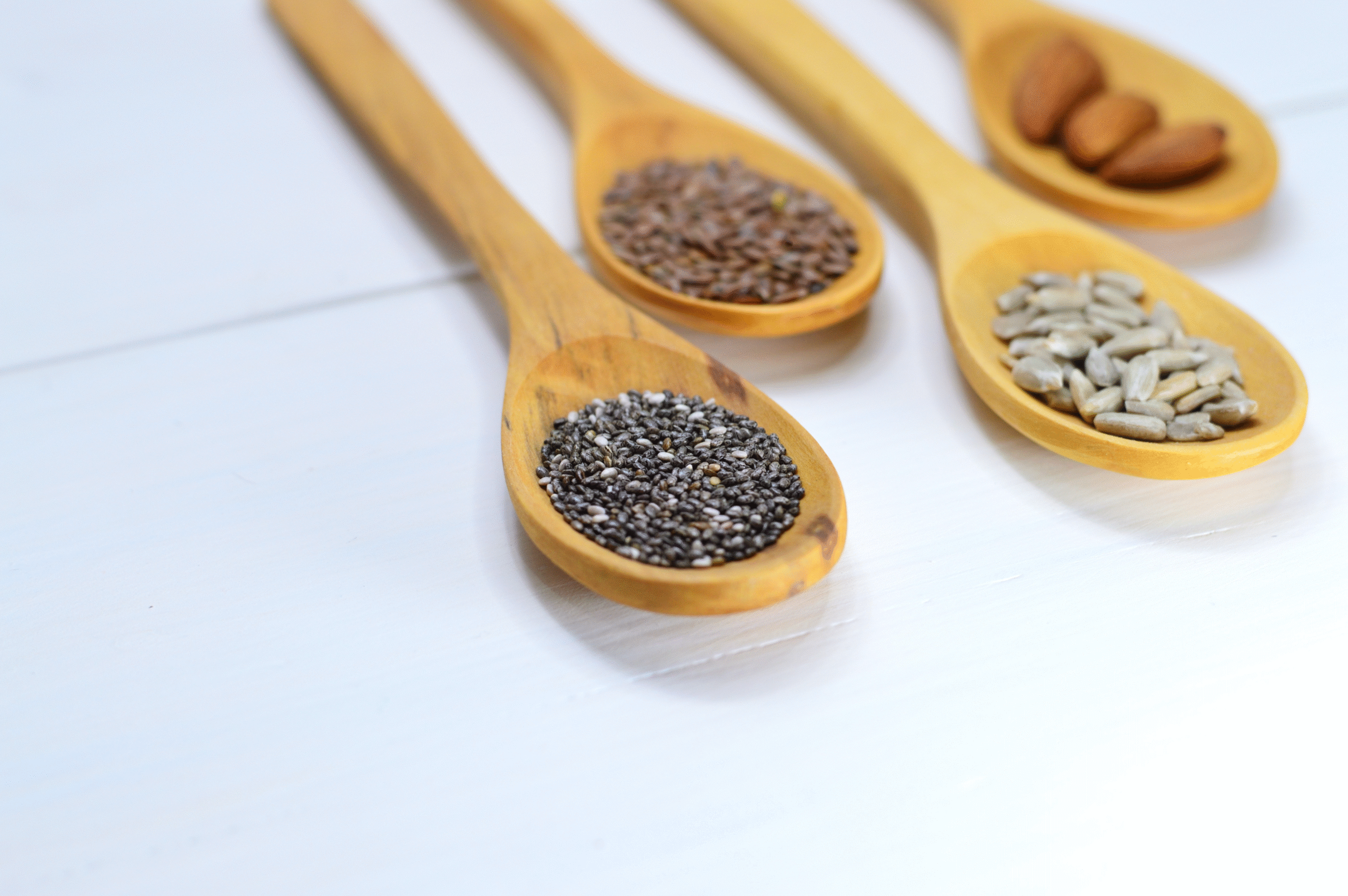
- nuts and seeds
- high-fiber vegetables
- wholemeal grains
2. Be aware of intolerances
Food intolerances can take quite a toll on your well-being. A feeling of fatigue is one of the symptoms of food intolerances. Especially people who are hypersensitive to gluten can suffer greatly from this. So do you suffer from lack of energy that you can’t explain in any other way, for example due to too little sleep or other factors that can’t be traced back to your diet? Then it may make sense to see if you have food intolerances. Should you be hypersensitive to certain foods, avoiding them can do wonders for your energy levels.
3. Eat enough vitamins and minerals
A varied diet with sufficient vitamins and minerals is important for good health. Several vitamins and minerals are also linked to your energy levels. Do you suffer from fatigue and lethargy? Then see if you are getting enough of the following vitamins and minerals, all of which support your energy level:
Supplies for a 1-person juice
- vitamin B1 (thiamine; sources include seeds, nuts, cocoa and grains, as well as vegetables, such as arugula)
- vitamin B2 (riboflavin; sources include liver, flaxseed, almonds, cheese and soy)
- vitamin B3 (niacin; sources include fatty fish, meat, peanuts, chia seeds and sunflower seeds)
- vitamin B5 (pantothenic acid; sources include kernels, mushrooms, lentils, eggs and cheese)
- vitamin B6 (sources include sunflower seeds, nuts, brown rice and oily fish)
- vitamin B8 (biotin; sources include liver, eggs, sunflower seeds, fatty fish, nuts and cheese)
- vitamin B12 (sources include meat, fish and dairy, as well as seaweed, such as nori)
- vitamin C (sources include paprika, black currants, Brussels sprouts, parsley, kale, kiwi and strawberry)
- calcium (sources include cheese, various seeds and nuts, and vegetables such as kale, as well as watercress and samphire). Also read our blog on calcium in vegetables!
- phosphorus (sources include pumpkin seeds, hemp seeds, chia seeds, cocoa, sunflower seeds and cheese)
- iron (sources include pepper, cocoa, various kernels, seeds, nuts, millet and soy). Also read our blog on iron in your diet!
- Iodine (sources include fish and shellfish, as well as bread and eggs)
- copper (sources include cocoa, various seeds and nuts)
- magnesium (sources include cocoa, various kernels, nuts and seeds)
- manganese (sources include various kernels, nuts, seeds and oats)
4. spread your meals throughout the day
To function properly and have enough energy, your body needs fuel, in the form of food. By spreading your meals throughout the day, you ensure that your body’s fuel supply remains more or less constant. This is especially true if you choose healthy foods, full of vitamins and minerals and with a low glycemic index. Skipping meals can lead to fatigue and lack of energy. For example, a study of medical students found that skipping breakfast led to fatigue and difficulty concentrating(1). If you do want to snack, choose healthy snacks.
5. Drink plenty of water
Water plays an important role in numerous bodily processes, including your energy balance. Therefore, one of the first signs of fluid deficiency is fatigue. Are you low on energy? Then drinking a glass of water is an easy and inexpensive solution and always worth trying! During the day you lose fluids just by breathing, for example, but of course also by perspiration and going to the toilet.
By drinking water regularly, you replenish your fluid supply. On average, an adult needs 1.5 to 2 liters of fluid per day. Do you sweat a lot, for example because it is hot or you exercise intensively? Then you may need more water.
Healthy eating is the important thing for constant support of your energy levels
You often feel like you need an energy boost. But since that is often followed by an energy dip, it’s better to aim for a higher energy level that remains constant as much as possible. Healthy nutrition plays an important role in this, as you read above. Make sure you have a good balance of carbohydrates, proteins and fats, pay attention to that glycemic index and make sure you get enough vitamins and minerals. Do you have little time and attention to prepare healthy meals every day?

If so, our juices can also help ensure that you get enough healthy nutrients. For example, the following juices score high on vitamins and minerals that support your energy levels: Recharge, Energy, Wild, Boost and Fuel. Our shots are also high in vitamins, minerals and antioxidants. Consider our Ginger Shot. But also be sure to try our Protein Smoothie, Breakfast Smoothie and Green Smoothie or a detox of juices!
Because we freeze our juices and smoothies after preparation, the healthy nutrients are naturally preserved. All you have to do is thaw them and drink them if you want to treat your body to vitamins and minerals that support your energy levels.
Resources
Ackuaku-Dogbe EM, Abaidoo B. Breakfast eating habits among medical students. Ghana Med J. 2014 Jun;48(2):66-70. doi: 10.4314/gmj.v48i2.2. PMID: 25667552; PMCID: PMC4310332. https://pubmed.ncbi.nlm.nih.gov/25667552/