
Colors of nutrients in fruits and vegetables
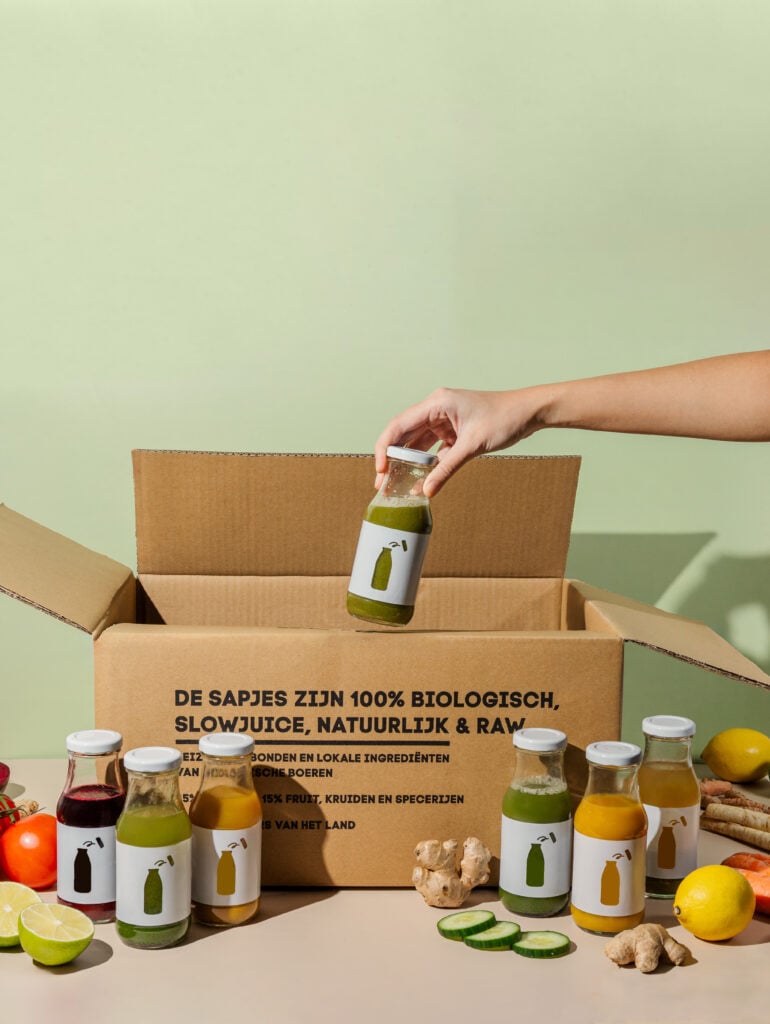
At Sapje you can order many different organic
vegetable juices full of healthy nutrients. Many of our customers
What are nutrients?
Let’s start at the beginning: what are nutrients anyway? These are the substances you need to stay fit and healthy. There are at least 50 different ones known, although you don’t need the same amount of all of them. Nutrients can be divided into two categories: macronutrients (proteins, fats and carbohydrates) and micronutrients (vitamins, minerals and trace elements). Macronutrients give your body energy directly; micronutrients are needed to release energy from your diet. Then there are hundreds of other bioactive compounds. Several recognized media indicate that you can get all these nutrients better from healthy foods than from supplements. For example, you can read more about them here!
What are phytonutrients?
Phytonutrients are nutrients with a plant origin. Vegetables, fruits, seaweeds, herbs and spices are full of them. So are our juices! So drinking fresh vegetable juice daily is an excellent and natural way to ingest these plant substances. In the plant itself, phytonutrients are involved in many important functions, such as plant growth and protection against natural enemies. All types of fruits and vegetables contain different phytonutrients. That’s why at Sapje we always recommend varying with different juices so you get lots of different nutrients and phytonutrients. Read more about the health benefits of vegetable juice here.
What phytonutrients are in fruits and vegetables?
Vitamins and minerals are the most well-known plant substances. But there are many other substances in fruits and vegetables. They are also called biochemicals, and there’s a chance you’ve never heard of them. You may already know about beta-carotene, but does the same apply to phenols? Lycopene? Bioflavonoids? Glucosinolates and Chlorophyll? Among other things, these substances are responsible for the color, smell and taste of fruits and vegetables. They are abundant in our juices!
What nutrients are in vegetable juice?
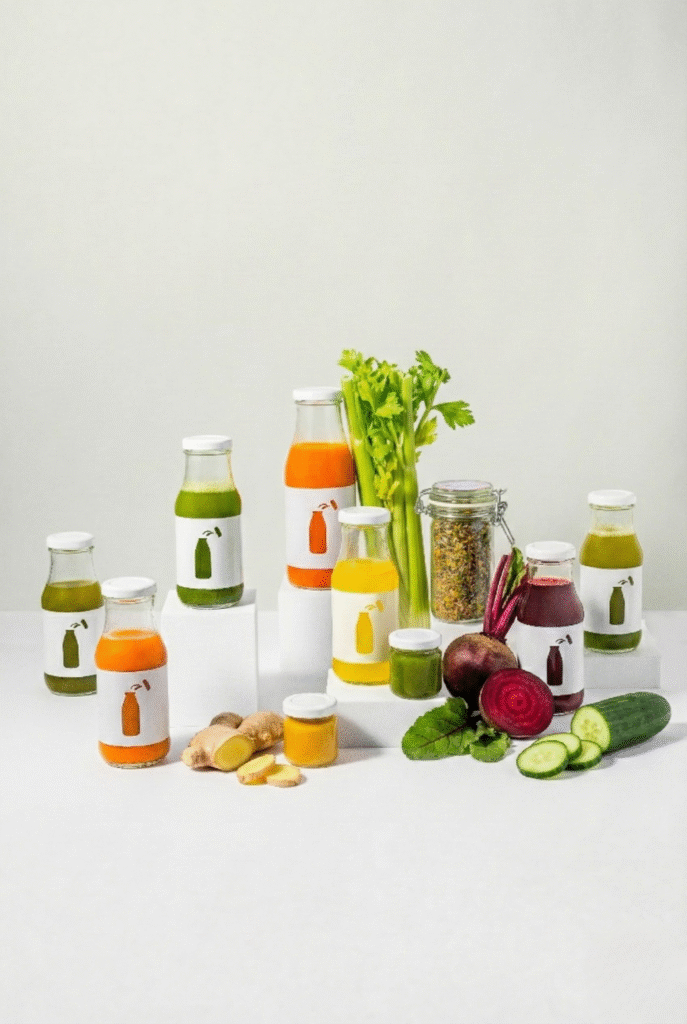
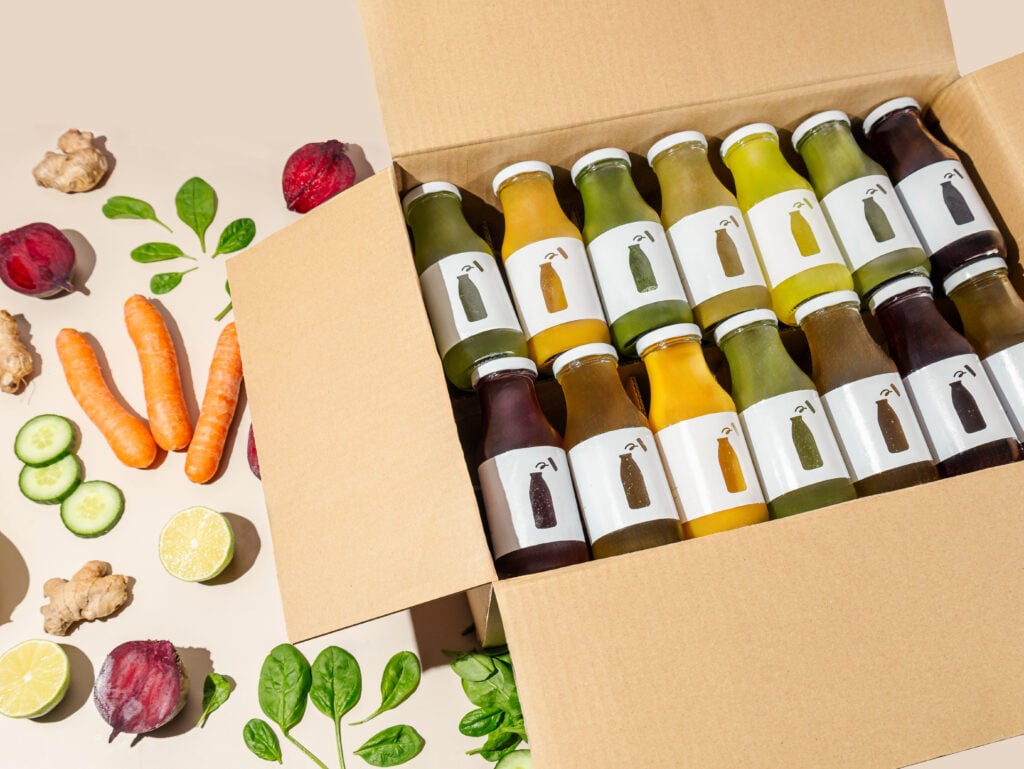
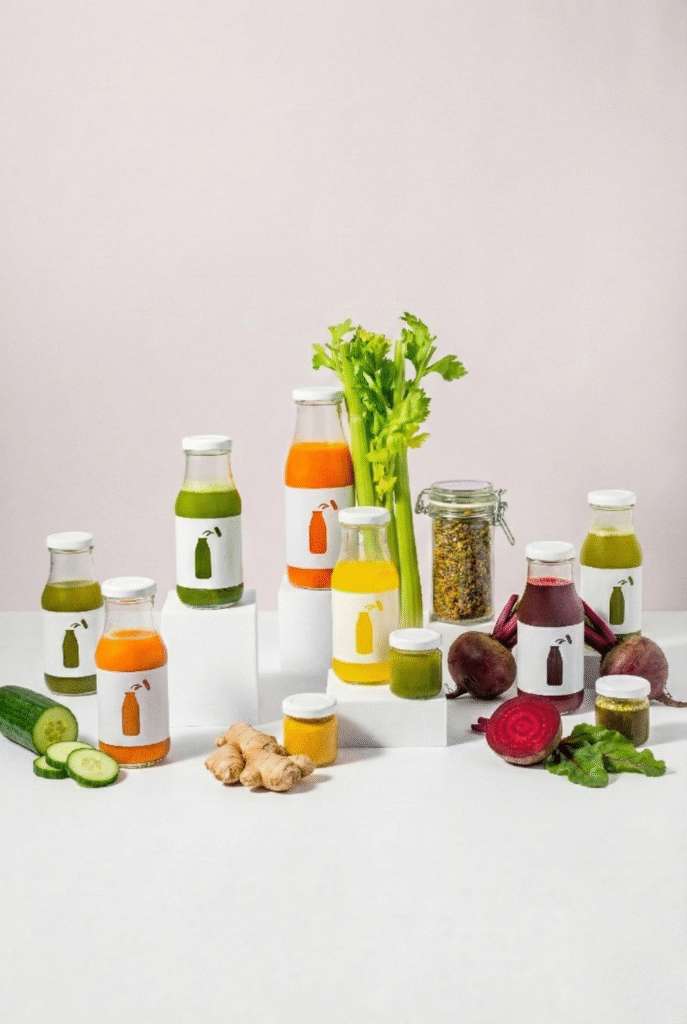
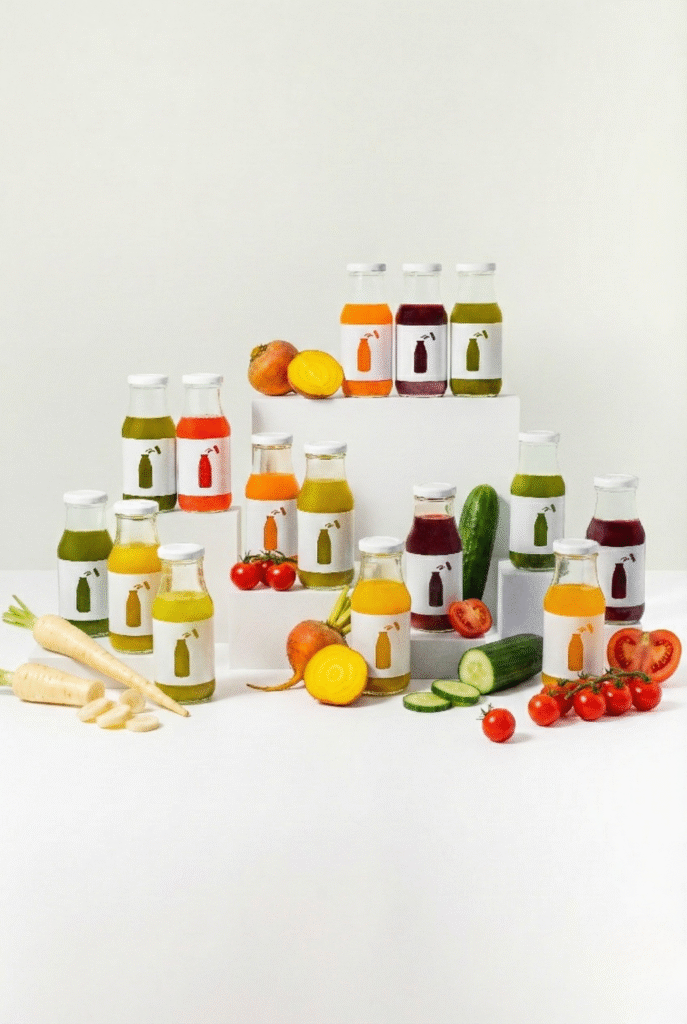
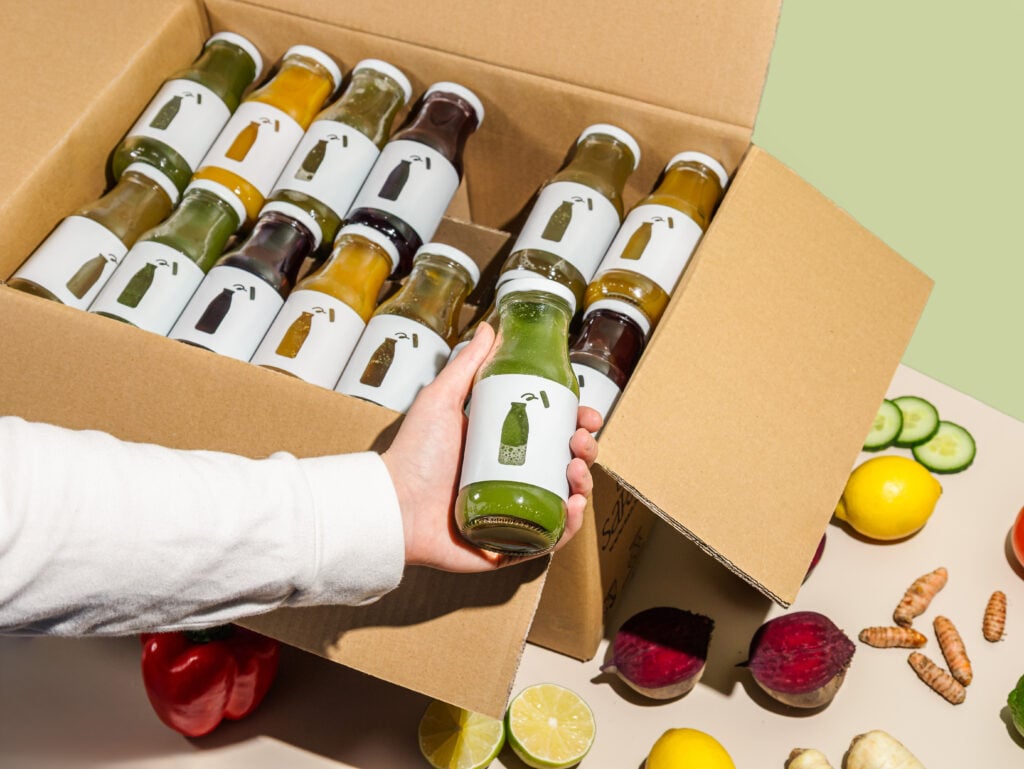
When you see all our slowjuice vegetable juices in a row, you immediately notice that they have (almost) all the colors of the rainbow! Not only does that look pretty, but it also has another reason. After all, different colors of vegetables and fruits often contain different nutrients as well. All of our organic juices are full of micronutrients, such as vitamins, minerals and trace elements. Just click on a
What do colors and nutrients have to do with each other?
Although there are as many as hundreds or perhaps thousands of different phytonutrients, there are some of them that we want to give some extra attention to. After all, they are common in our motley vegetable juices! We go over a few by color with you:
Green vegetable juice:
Detox, Recharge, Support, Fuel, Wild, Cleanse and Purify
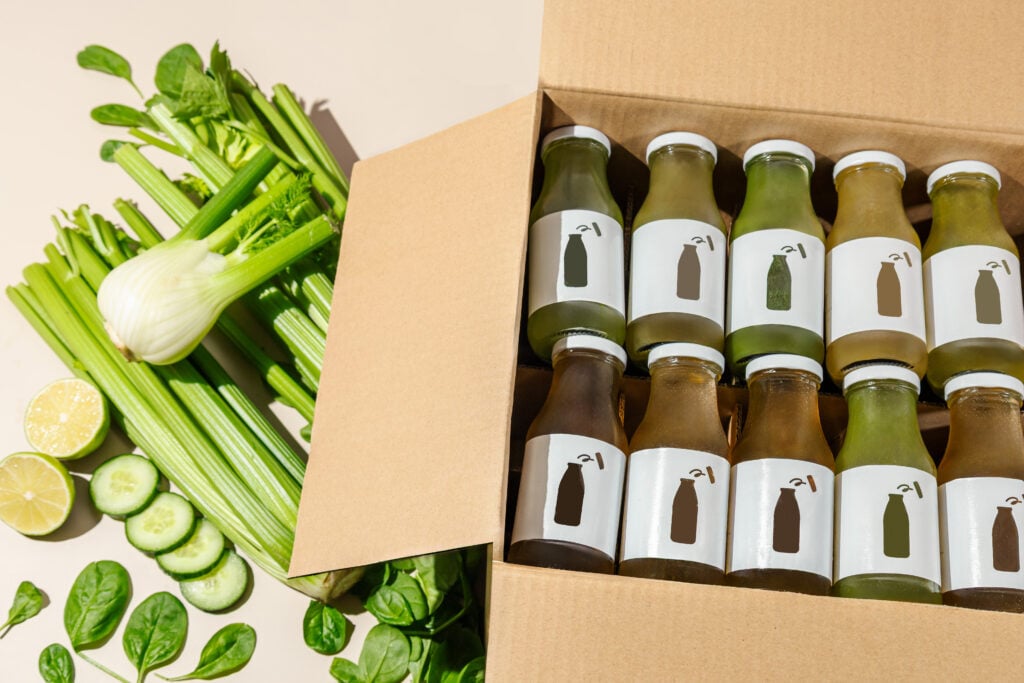
At Sapje, we love green vegetable juices. The juices above owe their green color to ingredients such as:
- kale
- broccoli
- spinach
- celery
- cucumber
- wheatgrass
- hemp leaf
- nettle
- green herbs.
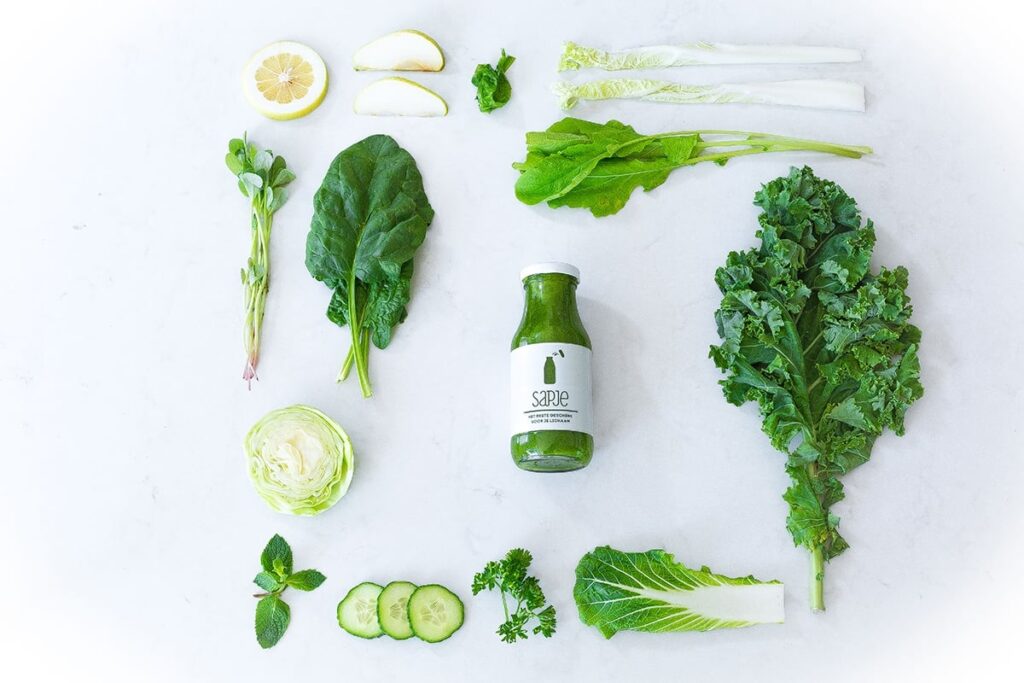
Green vegetable juices often contain chlorophyll. This is a green pigment found in the chlorophyll grains of plants. Thanks to chlorophyll, plants are able to convert sunlight into nutrients and energy (photosynthesis). In addition, green vegetables contain all kinds of
Orange/Yellow vegetable juice:
Fresh, Seasons, Sunny, Reboot, Boost, Kick and Immunity ginger shot
Orange and yellow juices and shots are common in the Sapje range. They owe their warm and sunny glow to ingredients such as:
- root
- orange sweet potato
- yellow carrot
- yellow beet
- yellow pointed bell pepper
- yellow zucchini
- (bottle) pumpkin
- orange
- lemon
- pineapple
- mango
- turmeric and ginger.
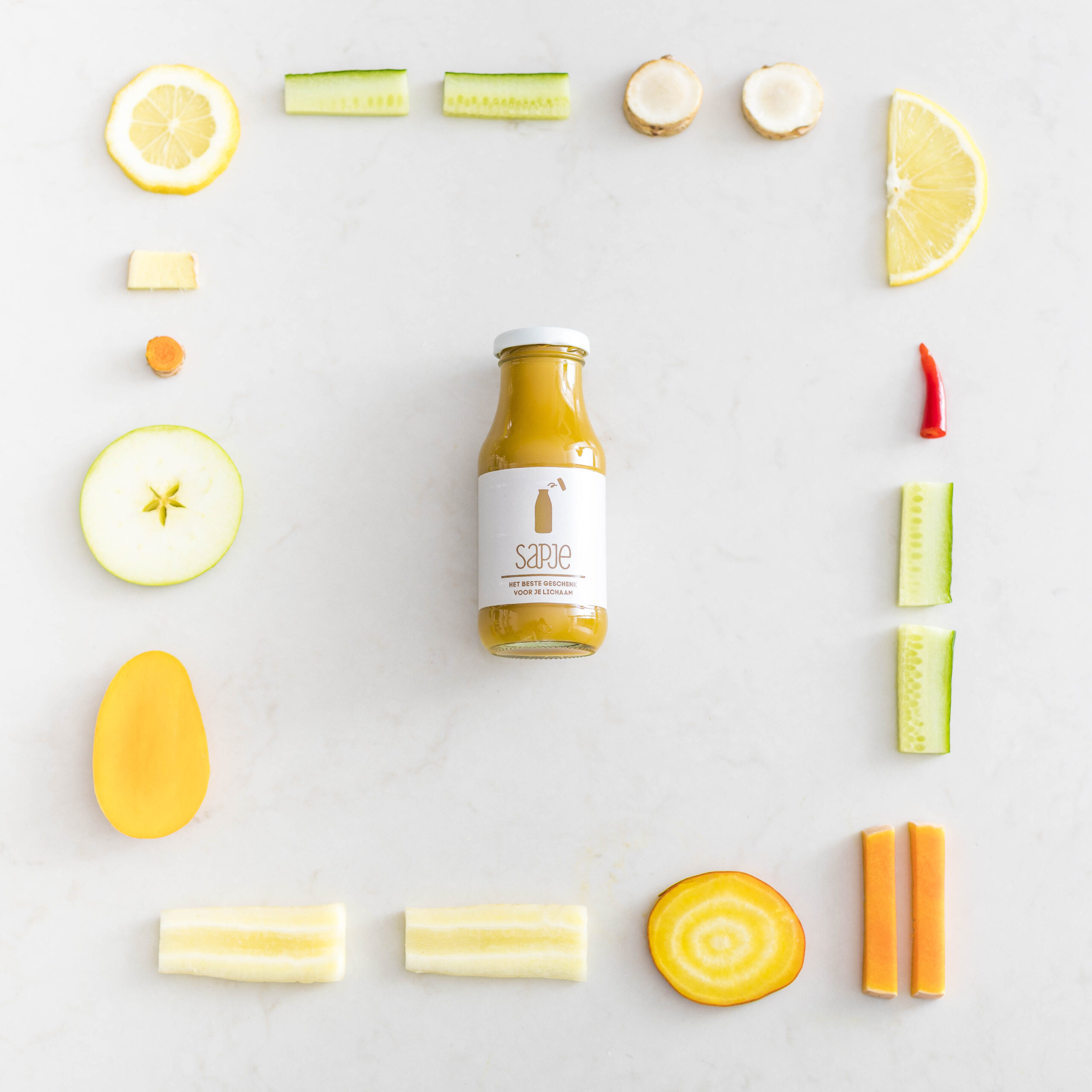
The colors orange and yellow come from phytonutrients such as beta-carotene, alpha-carotene, flavonoids, zeaxanthin, gingerol (from ginger) and curcumin (from turmeric), among others.
Red/Pink vegetable juice:
Power, Hydrate and Antioxidants
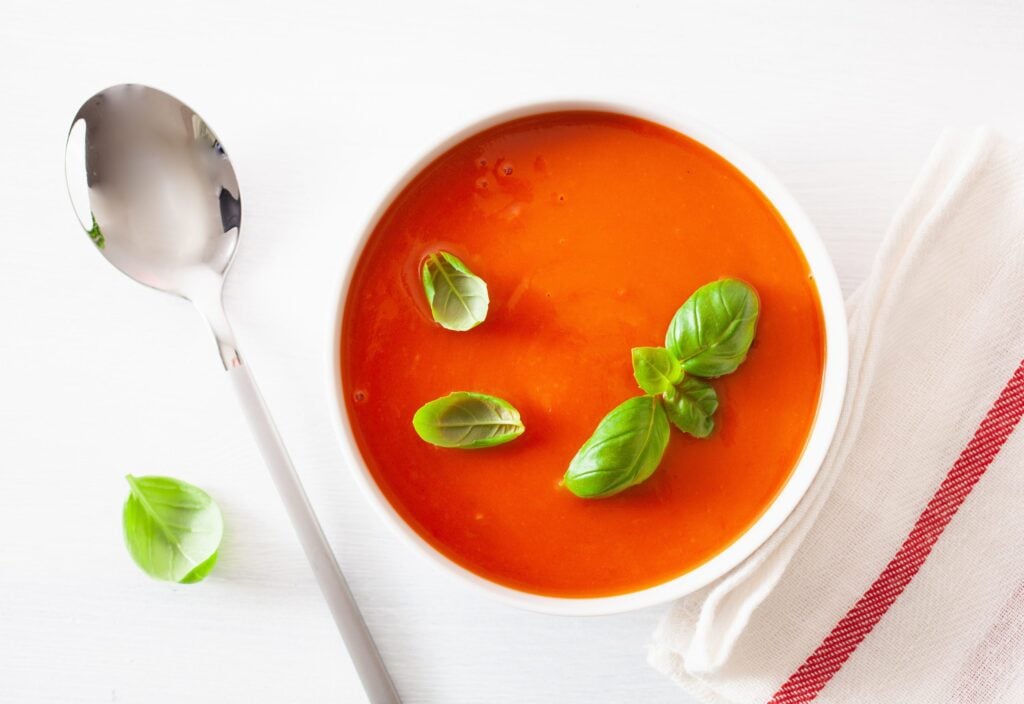
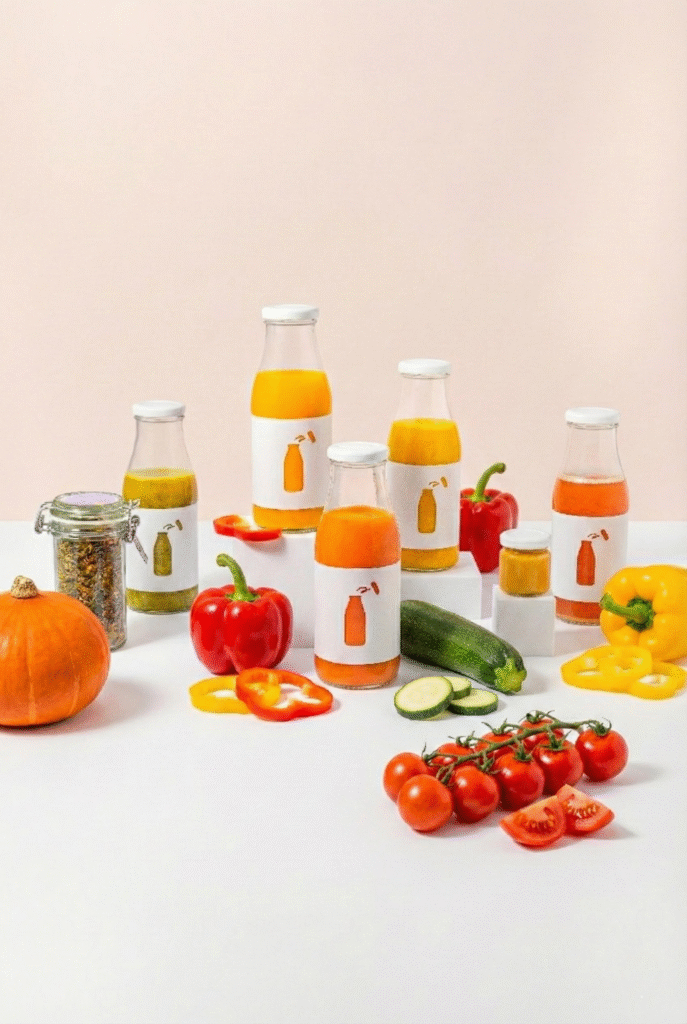
Our bright red and bright pink power juices owe their warm glow mainly to:
- tomato
- red pointed bell pepper
- chilli
- pomegranate
- watermelon
- Chioggia beet
- raspberry
- all kinds of berries.
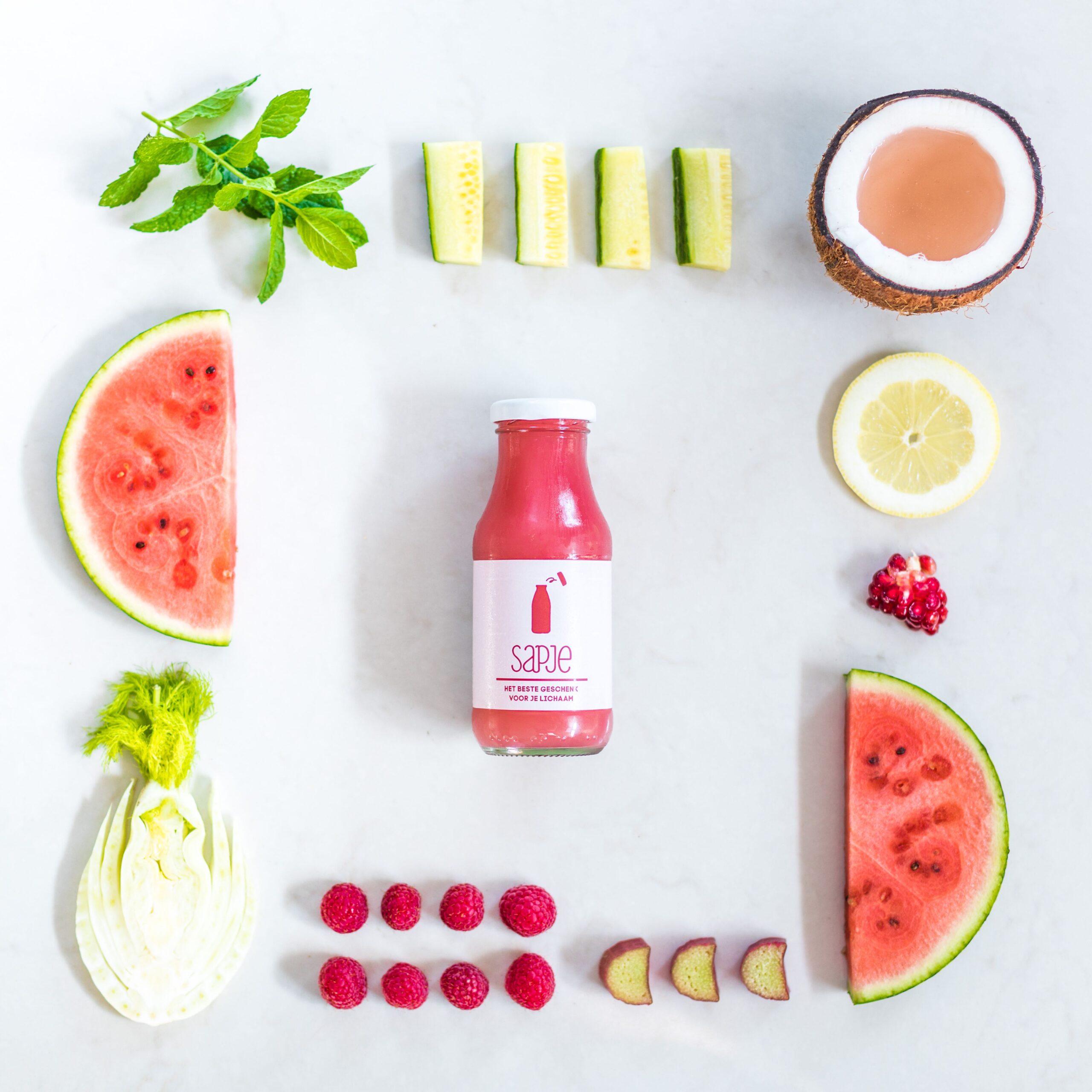
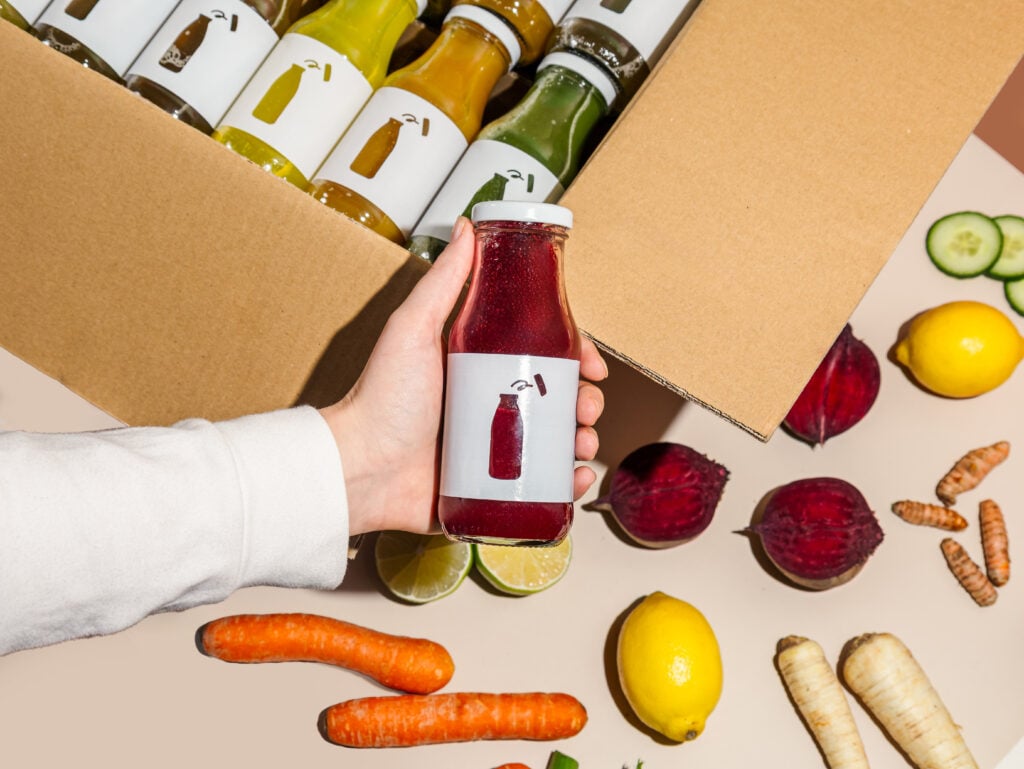
Red, pink and purple vegetables and fruits include lycopene, flavones and flavonols, quercetin, polyphenols, astaxanthin and anthocyanin.
Purple vegetable juice:
Energy, Ron’s Sapje and Recover
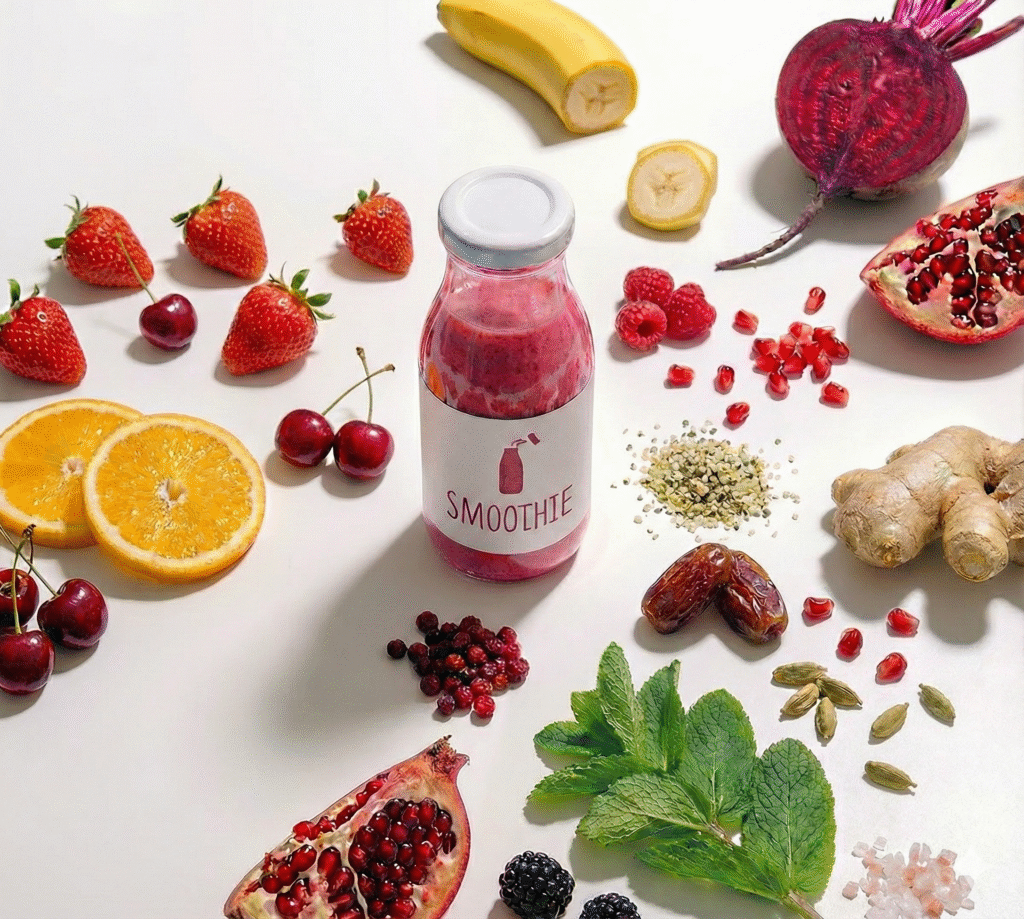
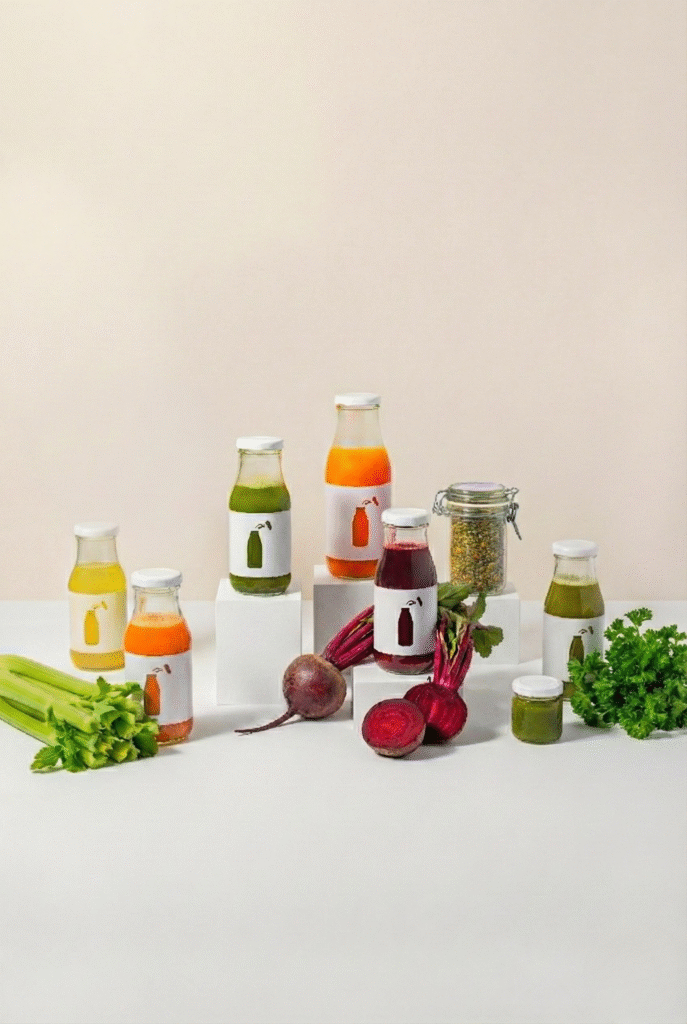
Our purple vegetable juices are full of purple/red ingredients, such as:
- red beet
- red cabbage
- purple sweet potato
- purple kale
- purple carrot
- cherries
- purple beets
- blackcurrants
- red cabbage
- cranberry.
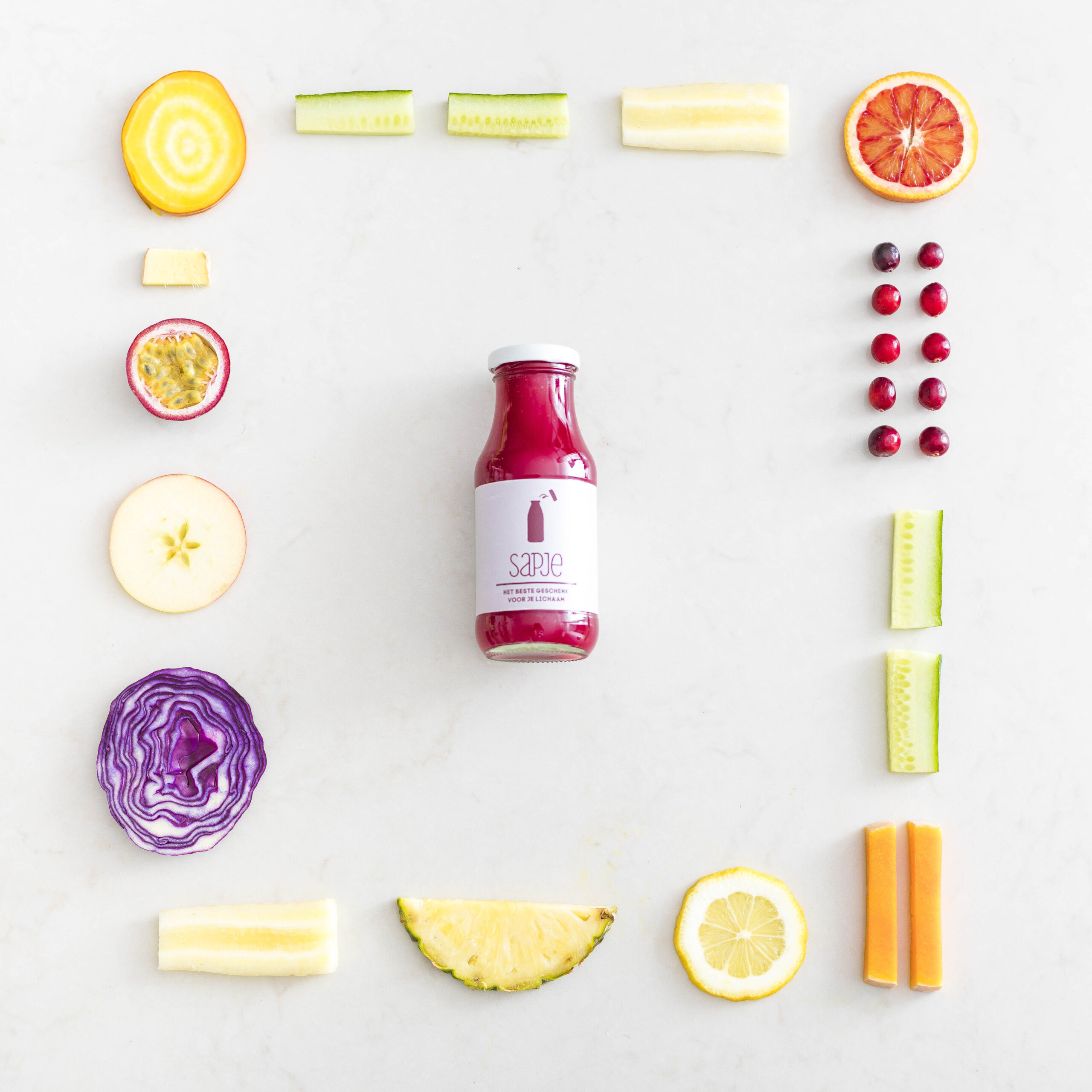
There are several phytonutrients that provide purple color in purple/red fruits and vegetables, such as anthocyanin, proanthocyanidin, nasunin, resveratrol and pterostilbene.
What vegetable juices are recommended for your health?
Basically, all of our organic vegetable juices do your health good. If you especially want to support your overall health, we recommend drinking a variety of juices. Have fun with the many different colors! This way you can be sure that you are getting many different beneficial nutrients. Want to learn more about colors and healthy nutrients? Then listen to this podcast with our hero David Wolfe, the mastermind behind our Wild juice!