

Our favorite food swaps
Would you like to eat healthier, but don’t know where to start? Eating changes can help you work towards a healthier diet in an easy and accessible way. Because you take small steps, the changes are a lot easier to stick with. Below we have listed our favorite eating changes for you.
1. Swap white for whole wheat
Substituting white cereal products for the whole grain variety is a convenient way to get more vitamins, minerals and fiber.This is because whole grain cereal products are made from the whole grain. This means that the bran (the outer husk of the grain) and the germ are also used. This bran and germ are precisely the parts of the grain kernel that contain the most vitamins, minerals and fiber. In the production of white cereal products, these very parts are removed.
Below is an example of the difference in fiber, vitamins and minerals between white pasta and whole grain pasta.
| Nutrient | White pasta (Per 100 g) | Whole grain pasta (Per 100 g) |
| Fiber | 3,0 g | 6,9 g |
| Potassium | 100 mg | 500 mg |
| Iron | 2.0 mg | 3.3 mg |
| Zinc | 1.5 mg | 1.5 mg |
| Vitamin B1 | 0.1 mg | 0.48 mg |
| Vitamin B6 | 0.08 mg | 0.40 mg |
Products where you can switch the white variant for the whole grain variant include: bread, pasta, crackers, couscous, noodles, pita bread and rice. In the case of rice, the whole grain variant is called unpolished rice. Other examples of whole grain cereals include quinoa, bulgur, rye bread, oatmeal and granola.
2. Swap soft drinks for water, tea or coffee
You probably know that soda is a less healthy choice. It is often high in sugar and the carbon dioxide in soda is not good for your teeth. It is therefore better to switch soda for water, tea or coffee. Do you really not like water? Then try adding some fruit to your water, for example. A slice of orange, lemon juice or pieces of strawberry or mango give your water extra flavor. Herbs, such as mint or basil, are also a delicious addition. Or make your own iced tea. Draw a cup of tea, add fruit and herbs, let it cool in the refrigerator for a while and enjoy!

3. Swap unhealthy snacks for healthy snacks
Do you always like to snack during an evening on the couch? Or do you like to take a snack with you when you are on the road or at work or school? Many ready-to-eat snacks are unfortunately less healthy. Of course this is fine for the occasional snack, but when you are in need of healthier options, this is certainly also possible.
Below are our favorite food switches to switch less healthy snacks, such as chips, cookies and candy, to healthy snacks.
- Unsalted nuts. Nuts contain many healthy fats, fiber, vitamins and minerals. For example, choose a mix of different nuts or go for peanuts.
- Homemade whole wheat tortilla chips. Cut or cut a whole wheat wrap into triangles, drizzle with some olive oil and paprika and bake in the oven at 180°C for about 10 minutes until crispy. Delicious with a dip of avocado or hummus, for example!
- Snack vegetables with dips. For example, cut bell bell pepper, cucumber and yellow carrot into strips and eat with a healthy dip, such as hummus, tomato salsa or baba ganoush.
- Roasted legumes. By roasting legumes such as beans and chickpeas in the oven, you can turn them into a delicious healthy snack. Mix the legumes with olive oil and spices and place in the oven at 200°C for about 30 minutes. Toss occasionally so they don’t burn.
- Banana with peanut butter. The combination of banana with peanut butter is a must try if you ask us. Also delicious on a (whole wheat) cracker or corn waffle.
- Fruit and dried fruits. Dried fruits such as dates, figs or apricots are deliciously sweet and also full of fiber. Also highly recommended: a date stuffed with peanut butter or a walnut.
- Homemade baked goods. For example, make your own healthy banana bread, oatmeal-dad cookies or a nut bar.
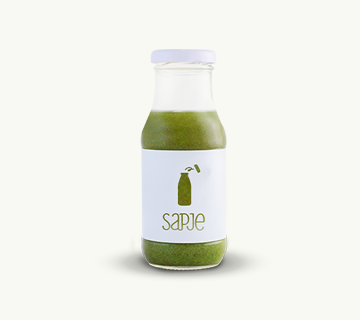
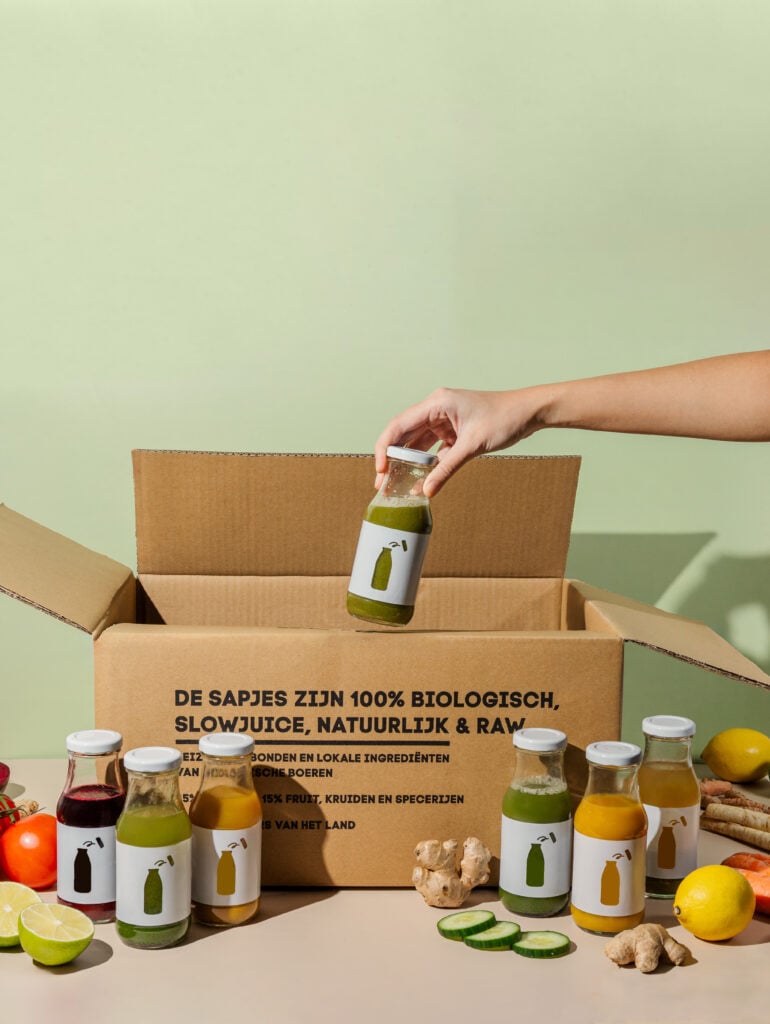
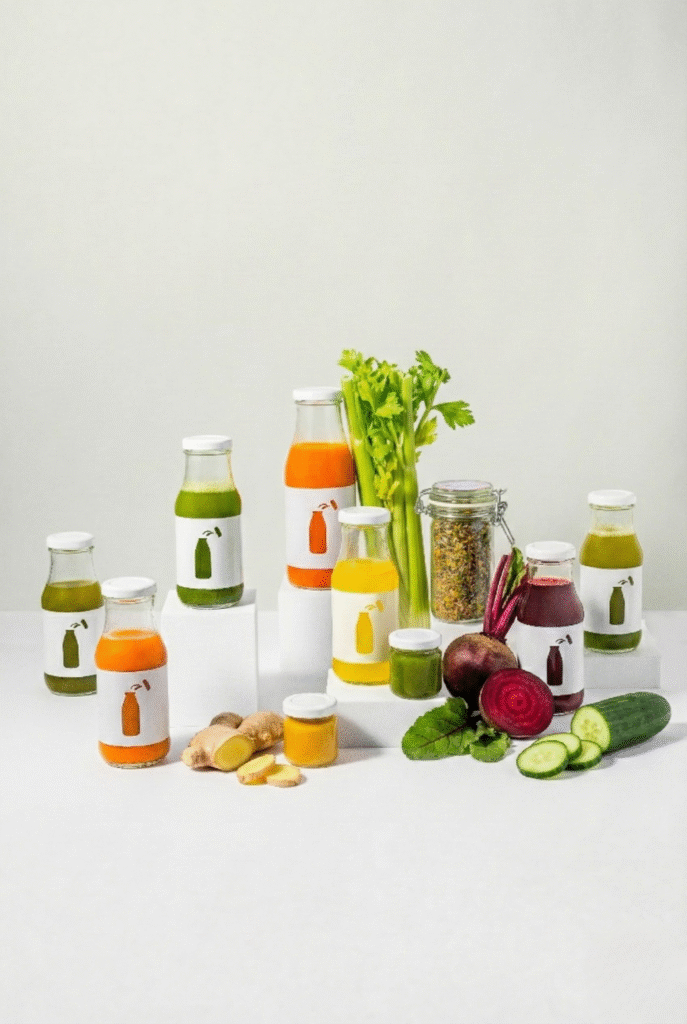
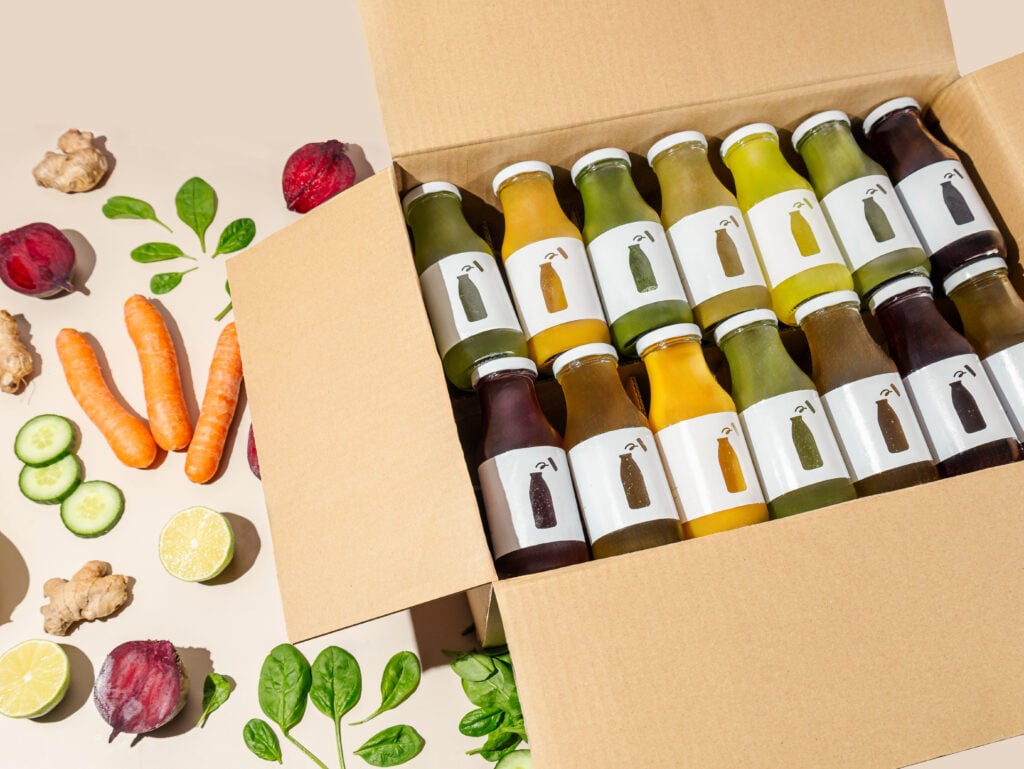
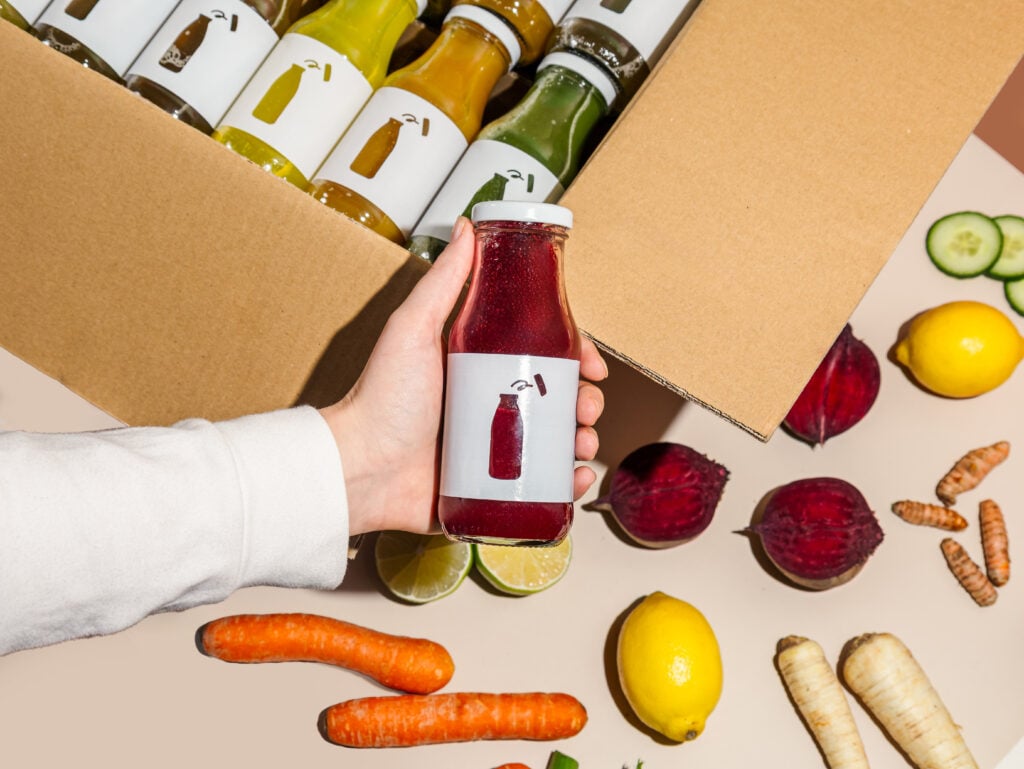
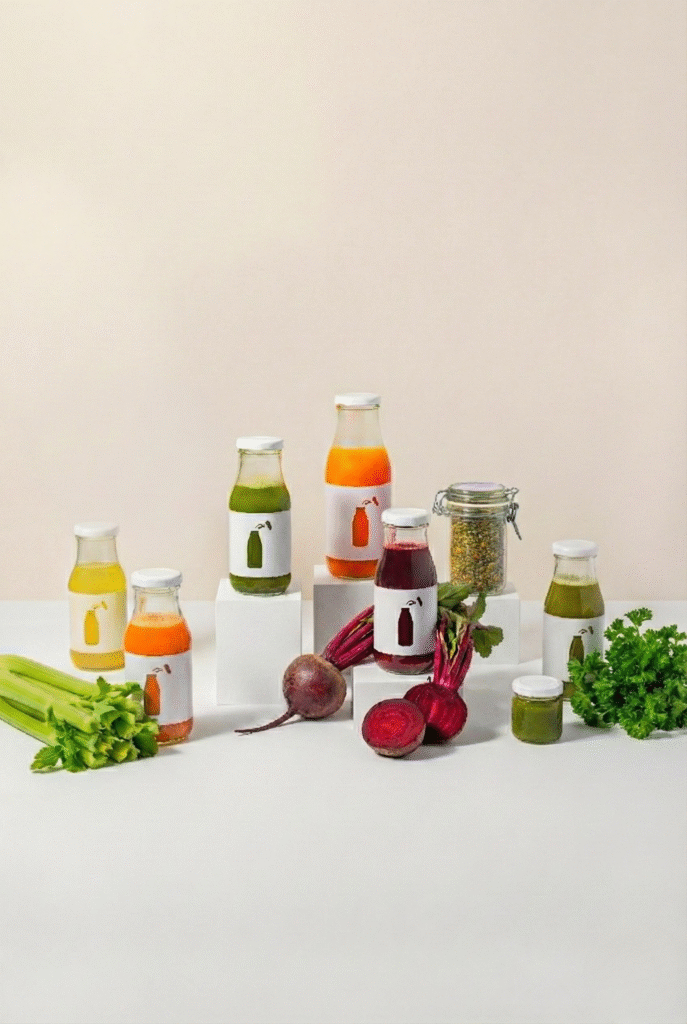
- Vegetable juices. Vegetable juices are always a good idea. Not only are they very tasty and refreshing, but they also provide you with a lot of vitamins, minerals and fiber and contribute to your daily vegetable intake. Our vegetable juices are made from only fresh and organic vegetables. They are hand-pressed with the slow juicer and immediately frozen in the shock freezer so that all nutrients are optimally preserved. All our vegetable juices are different and contain a different combination of healthy ingredients.
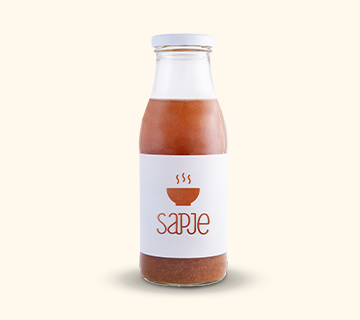
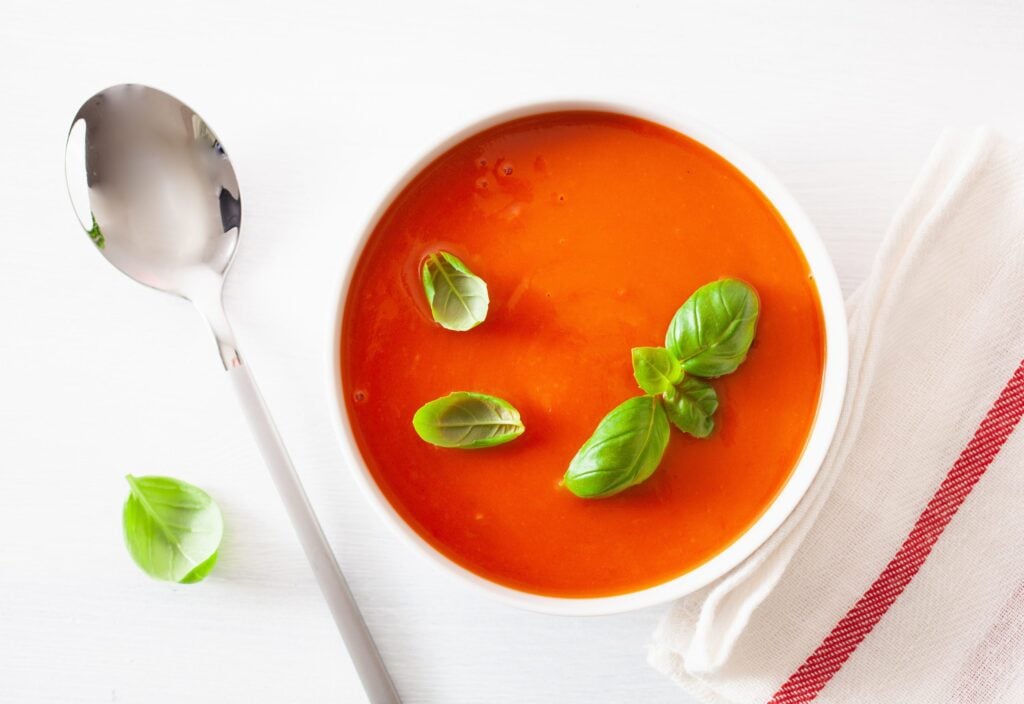
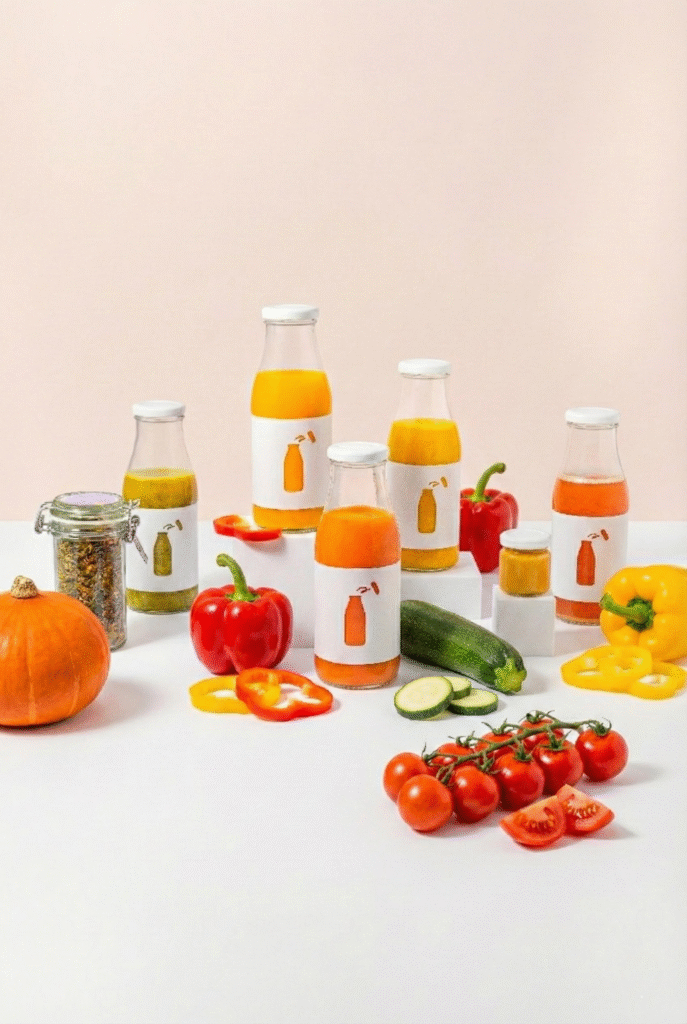
- Soup. Soup can also be a delicious and healthy snack. For example, choose a warming pumpkin soup in the winter or a refreshing tomato soup in the summer.
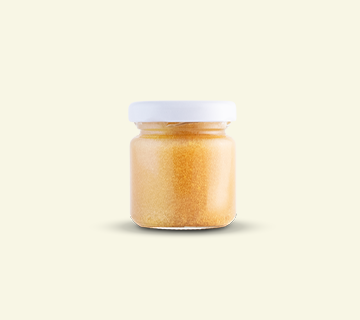
- Shots. For a boost of vitamins, minerals and antioxidants, our ginger shot is the perfect solution. A real powerhouse in a small jar.
4. Choose plant-based more often
Eating more plant-based foods is not only beneficial for animal welfare and the environment, but can also benefit your health. In particular, red and processed meat is a less healthy choice and better not to eat too much. Replace meat with legumes or tofu, for example, once in a while. And choose hummus or peanut butter instead of salami or ham.
5. Choose products with healthy fats
The fats in our food can be roughly divided into saturated and unsaturated fats. Saturated fats seem to be less beneficial to our health because they can raise the “bad” LDL cholesterol in the blood. In contrast, unsaturated fats have a positive effect on our health. Replacing saturated fats in your diet with unsaturated fats has been shown to help maintain normal cholesterol levels in your blood. But what do these different types of fats actually contain? In the table below you will find an overview of products high in saturated fats and those high in unsaturated fats.
| Products high in saturated fats | Products high in unsaturated fats |
| Fatty meat (hamburgers, sausage bacon, etc.) | Oily fish (salmon, herring, sardines, mackerel) |
| Cakes, pastries and chocolate | Nuts, seeds and peanut(cheese) |
| Savory snacks (sausage roll, cheese sticks, etc.) | Avocado |
| Cream butter and coconut oil | Vegetable oils (olive oil, flaxseed oil, etc.) |
| Whole dairy and cheese |
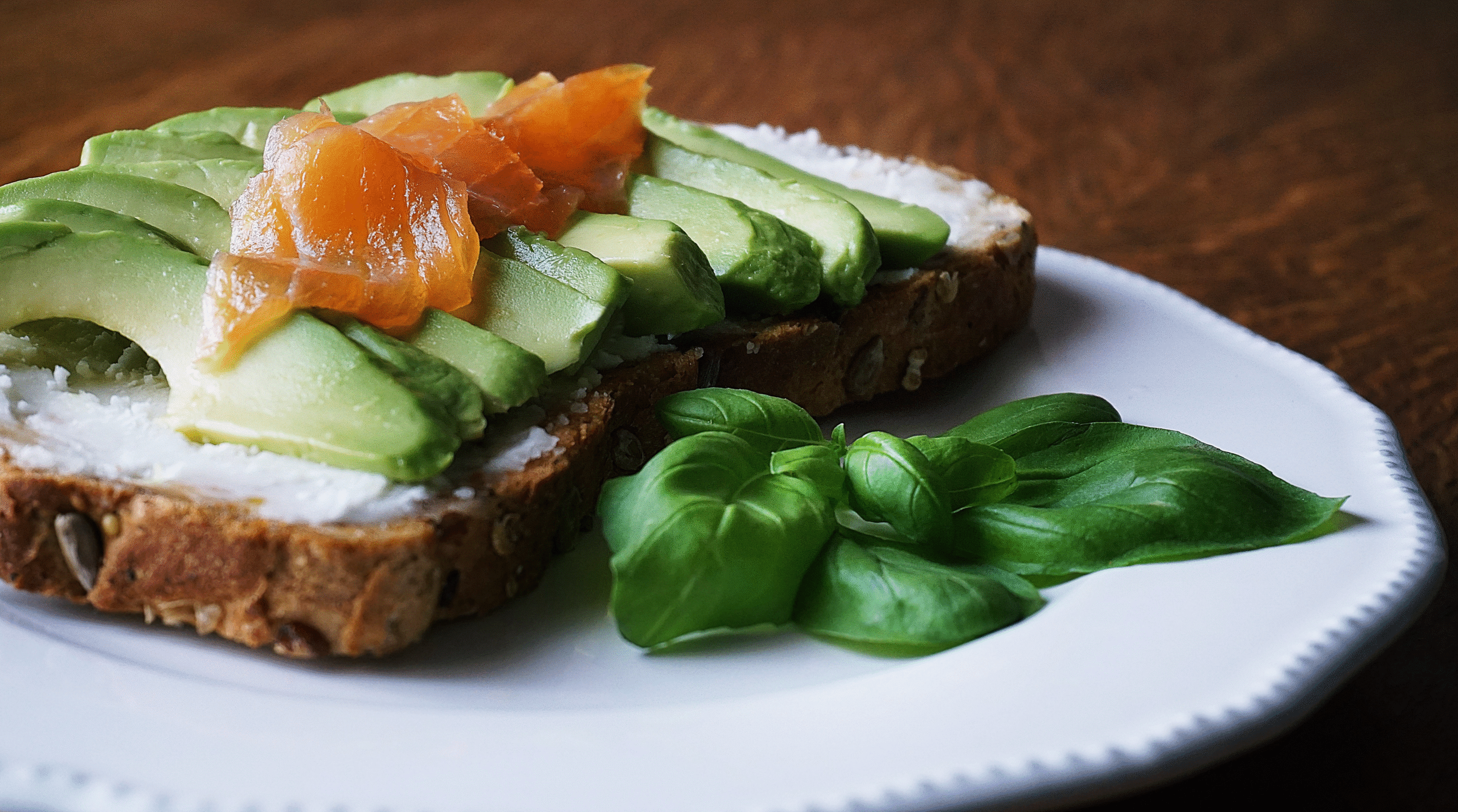
Thus, by regularly substituting the products in the left column from the table above for those in the right column, you ensure that you get more healthy fats.
But.
Just remember: If you generally eat a balanced and varied diet, you can certainly choose less healthy products now and then. After all, it’s ultimately about your overall diet and how often and how much of something you eat. By varying your diet and choosing products with lots of healthy nutrients, you will be fine! Should you find it difficult to move to a healthy lifestyle. You can choose to do a detox . After a detox, people maintain healthy habits more easily.