













The ten healthiest types of fruits
To support your digestion, protect your cells and help your immune system
In a sense, it is impossible to determine which types of fruit are the healthiest. There is so much variety in fruit. Also, different kinds are beneficial for different reasons. From the antioxidant bomb the blueberry to the fiber-rich apples or the pineapple with its high vitamin C content, all kinds of fruit can improve our diets, our lives and our mood.
Still, in this blog we go over some of the most notable health boosters. We’ve consulted some favorite nutrition experts and the latest developments in science for their insights. So what makes certain fruits so healthy? Here we offer you an overview, to make your next visit to the organic greengrocer a little easier. We look at different properties, such as protecting your cells, supporting your digestion and contributing to a good resistance. Read along with us and learn which fruits can further enrich your life and health.
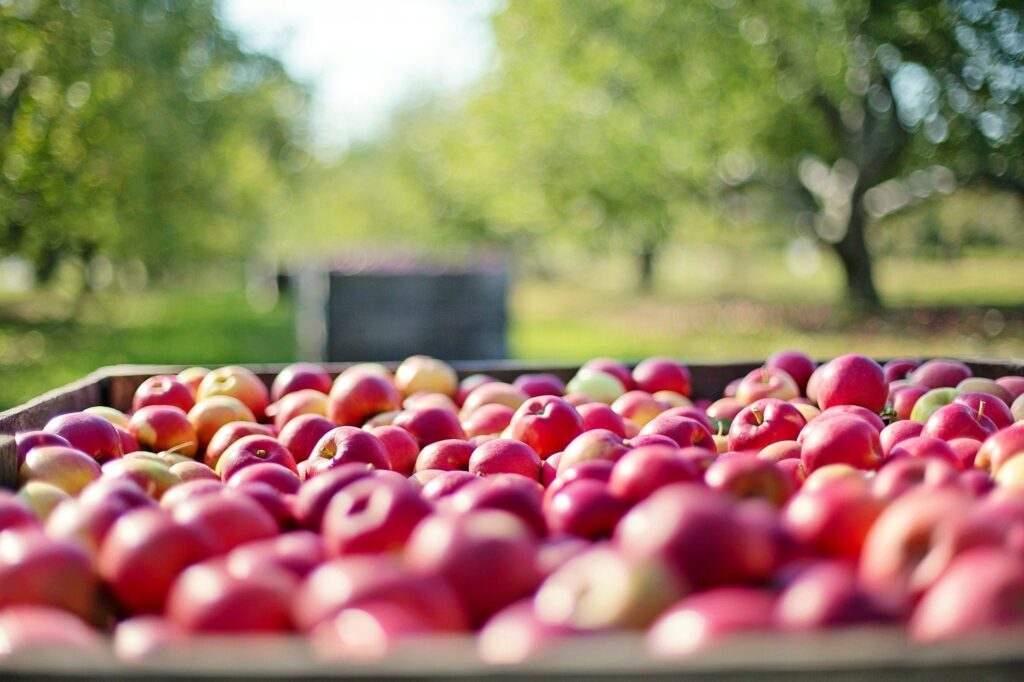
What makes fruit healthy?
Before we take you through our list of the healthiest types of fruit, we want to give you a little guidance on how to make your own informed choices as well. What are the characteristics that make some fruits healthier than others?
1. Fiber: yes, sugars: no
In general, it is good to choose varieties with high fiber content and not too much sugar, says dietitian Jessica Cording[1]. In addition, she advises that fruit is best enjoyed in conjunction with a balanced meal or snack that also contains protein and fat.
Fiber is an important nutrient. Apples, bananas, raspberries and mangoes all have high levels of fiber. Berries are generally low in sugar and high in fiber, so they are generally an excellent choice.
2. Color: the deeper, the better
The color of fruit indicates the types of antioxidants and phytonutrients it contains. Apricots contain beta-carotene; watermelon and guava the red lycopene. The purple anthocyanin is found in blackberries, cherries and blueberries, and the green chlorophyll is found in kiwifruit.
In soft fruits with skin or shell, such as apricots, cherries and blueberries, most of these nutrients are located in the skin. This is because the skin is the protective layer of the fruit, where these phytonutrients act as a natural protection against, for example, UV light. In general, the deeper the color, the higher the amount of antioxidants and the healthier the fruit.
3. Go for acid
Precisely those fruits that have a bit of a sharp, tart or sour taste are often the best friends for your health. Think of the tartness of the pomegranate, the sour and bitter of grapefruit and the uplifting acidity of a raspberry. According to Mindbodygreen, you could think of this sourness as a method of protecting the fruit so that the potent nutrients in the fruit are not gulped down by any animal. [2]
4. Variety is the spice of life
Even though we offer you a list of 10 here, keep in mind that according to many nutrition experts, variety is ultimately the most important thing [3]. Each type of fruit contains different antioxidants and different types of fiber. So don’t get pinned down to your standard preferences, but live it up, rotate and vary. This list is mainly meant as a handhold and guide, but many fruits not on it are certainly not to be forgotten.
What are the healthiest types of fruit?
Despite what we wrote above about the importance of variety and variety, we wanted to create an overview of which fruits really stand out. We hope this list will go a long way in helping you choose the most promising fruits to support your health every day.
1. Blueberries
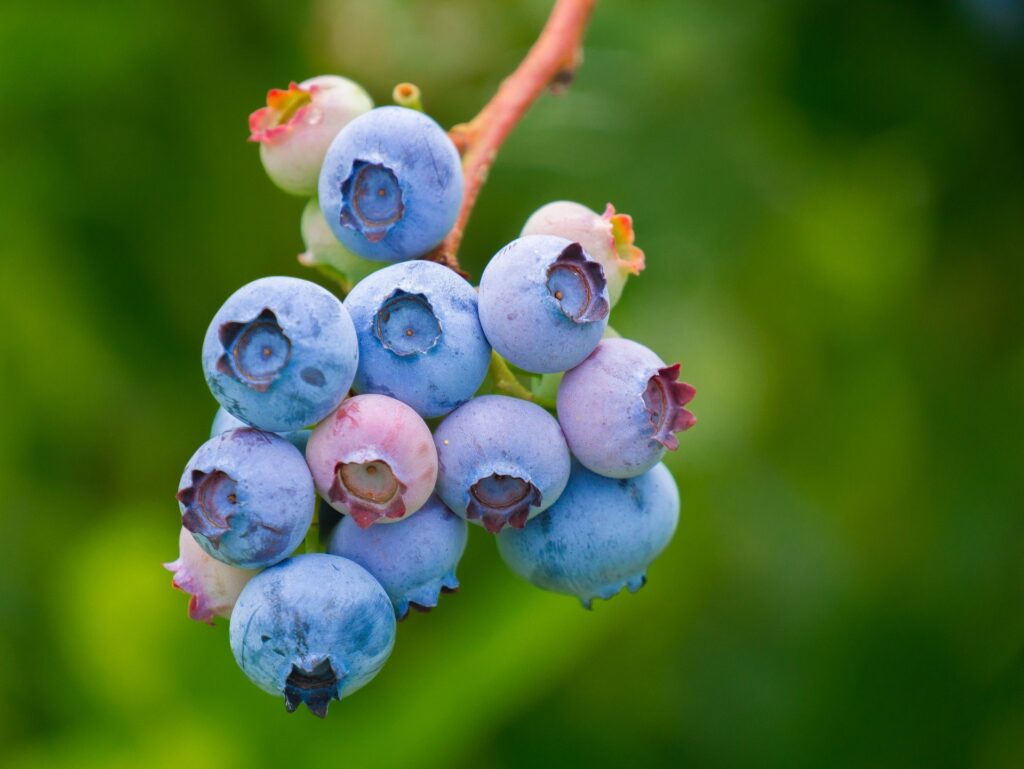
On almost every list of healthy fruits found on the Internet, the blueberry appears somewhere near the top. In the culture of certain Native American tribes, the blueberry was already considered a special plant: a gift from the Great Spirit to contribute to our overall health. It is also recognized in contemporary science that the blueberry can be one of the most beneficial additions to your diet. Thinking about the tip you read above in this regard, you know that the more acidic small wild blueberry is your best choice: it is more acidic and darker in color and thus even more full of antioxidants.
The tiny berry is high in antioxidants and phytonutrients and also contains large amounts of Vitamin K and Manganese. Of all fruits, berries contain the most fiber per gram: at 8 grams per cup, you are at one-third of your daily fiber requirement.
Blueberry is also deliciously multi-purpose: use it for a sweet accent in your salad, incorporate it into baked goods or juices, or eat it raw in your yogurt or on the go.
2. Grapefruit
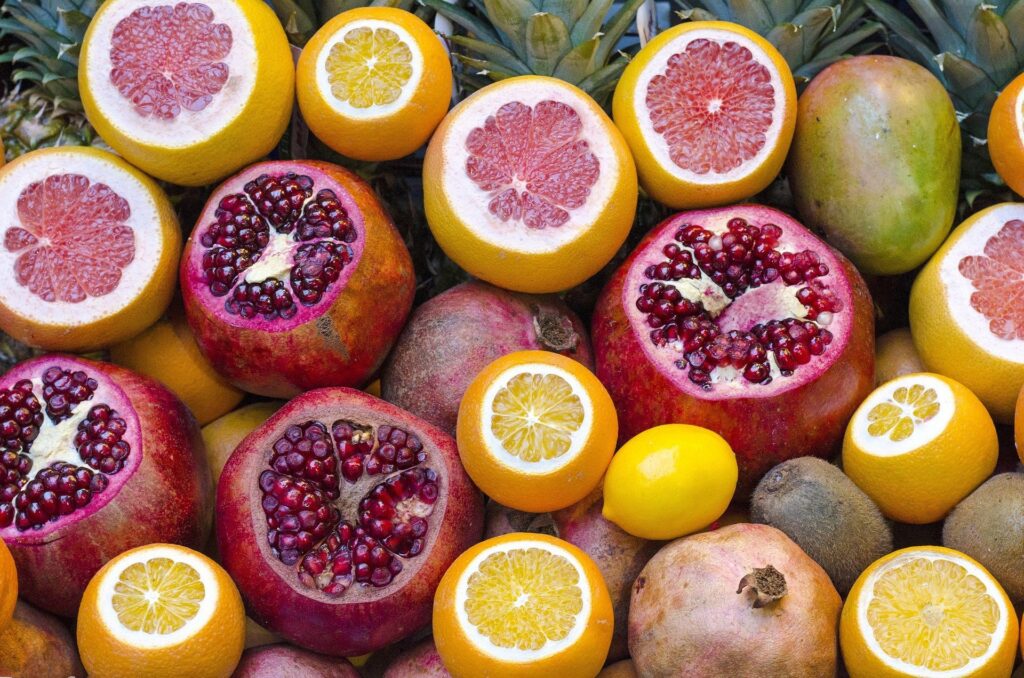
Grapefruit also ranks high on many lists. Like other citrus fruits, the fruit has a high vitamin C content, making it an ideal partner to support the immune system. In addition, vitamin C helps your body trap free radicals and supports your energy levels.
Although with citrus fruits the flesh contains the most vitamins and minerals, the peel is often full of other phytonutrients and fiber. So if you’re making a juice with grapefruit or another citrus fruit, it’s best to juice the peel with it!
3. Cranberries
The story goes that in 1845 a ship lost a barrel of cranberries, which then washed ashore on Terschelling. A beachcomber thought he would be delighted with a precious barrel of wine, but when he found out the barrel contained only berries, he left it behind, allowing the berry to spread all over the island.
If only that beachcomber had known what he was missing! The cranberry is nutritionally valuable, full of vitamins and minerals. For example, the best is full of vitamin C. Among other things, this vitamin helps protect our bodies and helps ensure a good resistance. In addition, vitamin C helps keep your skin healthy and promotes the absorption of iron from your diet.
4. Goji berries
Goji berries have deservedly entered the ranks of superfoods in recent years.
The little red berry, actually related to the tomato, has been used in Chinese herbalism for centuries for its special qualities. The berry can support your overall health in several ways and help maintain a vital and fit body.
Scientific research indicates that the goji berry’s high calcium content also helps maintain healthy digestion. Research also zooms in on the extensive palette of antioxidants in goji berries, which collectively may have an important supporting effect in protecting your body from oxidative damage[4].
5. Raspberries
Well ahead, another berry. By now it is clear that the red and purple berries are almost all among the healthiest fruits. Take the raspberry, for example. Raspberries, like many other wild berries, are high in fiber, low in sugar, rich in antioxidants and also packed with vitamins and minerals.
Besides strawberry and pomegranate, raspberry is the only food source of the phytonutrient group ellagitannins. These complex molecules are also found in some plants used in Chinese herbalism.
A special one is the black raspberry. Remember what you read above about “the deeper the color, the healthier the fruit”? A black (actually very dark purple) raspberry contains a unique amount of antioxidants that together seem to be a potent agent in protecting against cell and tissue damage.
6. Pomegranate
Pomegranate is another impressive deep red fruit. According to traditional healing cultures, plants often have beneficial effects on the organs they resemble. Perhaps not surprisingly, then, the shiny blood-red pomegranate’s high vitamin B6 content contributes to the production of red blood cells.
Moreover, pomegranate contains more antioxidants and phytonutrients than green tea and red wine, including the acclaimed anthocyanins, ellagitannins, and hydrolyzable tannins.
7. Wild elderberry
The elderberry is the only fruit on this list that you can’t eat raw, because there are toxins in the seed. However, we do use it in small amounts in our immune-boosting shot of Protect: during juicing, the seed remains in the filter of the slow juicer.
Despite the fact that some parts of the elderberry bush are poisonous, the plant has been considered very healthy for many millennia. The elder was always associated with a certain female nature spirit, and it was said that if you sleep under the elder on midsummer night, the fairies will be your friend. Elder blossoms contain a host of special phytonutrients and are used for delicious lemonades and flower wine. Also, black elderberries contain high amounts of vitamin C, which supports your immune system.
8. Sea buckthorn berry
Like the elderberry, the wild buckthorn berry is also available in ample quantities in the Dutch countryside. Especially in areas with sandy soil, such as the Wadden Islands, the Veluwe and the coast, you can find the prickly plant with the bright orange berries. The berries are watery, very sour and grow by the thousands per plant.
That acidity is what sea buckthorn owes to its high vitamin C content. The berry has an impressive list of good qualities, such as supporting your immune system and contributing to the condition of your blood vessels. In addition, vitamin C helps protect your cells from oxidative damage and contributes to the condition of your skin.
9. Apple
The apple may seem like a somewhat boring fruit next to all these precious berries. Yet the apple has much to offer, not least the fact that it is very transportable and storable. Indeed, this contributes to the fact that you can eat apple virtually all year round without incurring excessive environmental costs for transportation or storage and without the need for chemical preservatives.
The apple contains the fiber pectin, a unique type of fiber[5]. Pectin is mainly found in the skin, so when drinking apple juice, it is best to juice the skin along with it!
10. Hawthorn berry
The hawthorn berry is another bit of a special case on this list. Although the fruit can be found all over Europe and America in early fall, hardly anyone knows about its healthy properties. Even in the popular lists of superfoods, you rarely see the hawthorn showing off. Yet it is a powerful berry: it contains a lot of vitamin C, which, among other things, helps keep your blood vessels healthy and helps maintain a good resistance.
In addition, hawthorn has been a darling of traditional herbalists and shamans for many generations. And, unlike the extremely expensive raspberry and pomegranate, you can find this hearty berry in large quantities for free along the roadside! The hawthorn is related to the apple, so the “berry” is actually more like a very small apple, and that’s what it tastes like. You can eat the apples raw or dry them and make tea from them.
Conclusion
Of course, you already knew that it is good to eat a lot of fruit. Hopefully this article has further inspired you with the richness and variety that Mother Nature has to offer. From the precious pomegranate seed to the ubiquitous apple and from the exotic goji berry to the elderberry from your backyard, all these varieties are toppers to enrich your daily bowl of yogurt, lunchbox or juice.
What is the healthiest fruit to eat?
In general, these fruits are considered particularly healthy:
Berries (such as blueberries, raspberries, blackcurrants): rich in antioxidants, fiber and low in sugar.
Citrus fruits (such as orange, grapefruit, lemon): packed with vitamin C and good for your resistance.
Pomegranate: very rich in antioxidants and anti-inflammatory compounds.
Apples: are high in fiber (pectin) and support digestion.
Avocado (technically a fruit): rich in healthy fats, fiber and potassium.
Bottom line: fruits rich in fiber, antioxidants and few added sugars are considered the healthiest. Variety is important here – each variety has its own unique benefits!