
The benefits of apple juice for your health
Appelsap! Many Dutch people have grown up with it. As children, we might have asked for a glass of Appelsientje with dinner or received it in a packet to school. But apple juice has more to offer than just the taste, and has more health benefits than you might think. “An apple a day keeps the doctor away,” isn’t a well-known English proverb for nothing. But what exactly makes an apple so healthy? And what about the juice: is that cloudy fresh juice really that much better than apple juice from a pack or concentrate? Along these and a number of other questions, we take you through this article. You can read about it here:
- What are the benefits of apple juice for your health?
- How do you make the best cloudy apple juice yourself?
- Is fresh apple juice healthier than apple juice from a pack?
- Which apple varieties are the healthiest?
- Are organic apples better for your health than non-organic?
- Is apple juice a source of too much sugar?
- Nutritional value of apple
- Is apple juice healthy and why?
- Ordering apple juice
What are the benefits of apple juice for your health?
1. Apple juice for maintaining good blood pressure
Apples and apple juice are a good source of potassium. This mineral is involved in several important functions in your body. One of these functions is the regulation of your blood pressure. Getting enough potassium through your diet helps maintain normal blood pressure. Potassium works in your body together with the minerals sodium and chloride, which you get mainly from table salt (sodium chloride).
2. Apples are high in fiber
Apples contain pectin, a molecule that makes cells stick together and is also sometimes used as a gelling agent for jams, for example. This little substance is found mainly in the skin of the apple. Pectin is a soluble dietary fiber. Fiber is an important part of a healthy diet. The Health Council recommends getting about 30 to 40 grams of fiber per day. An apple with peel contains an average of 2 grams of fiber. Apples can therefore make a nice contribution to your fiber intake. When drinking apple juice, preferably choose a cloudy variety. This still contains the most fiber and healthy nutrients. Clear (filtered) apple juice contains almost no fiber and a lot less nutrients.
3. Apple juice for a well-functioning nervous system
The mineral potassium from apples and apple juice is not only beneficial for blood pressure, it also plays an important role in the functioning of your nervous system. This is because potassium contributes to nerve impulses being properly transmitted between nerve cells. This signal transmission between nerve cells ensures that the various organs in your body can exchange information and work together.
4. Apple juice for your muscles
Your muscles can also benefit from drinking apple juice. This is because the ample amount of potassium from apples is good for the functioning of your muscles. Moreover, it helps keep your muscles strong and flexible.
5. Convenient to combine with vegetable juices
Want to sweeten vegetable juices in a healthy way? Then apple juice is ideal for this purpose. You do add fruit sugars, but also a lot of vitamins and minerals. Our preference is a ratio of about 85% vegetable juice and 15% apple juice. This way you benefit from the delicious sweet taste of apple juice, but the sugar content of your vegetable juice remains low.
How do you make the best cloudy apple juice yourself?
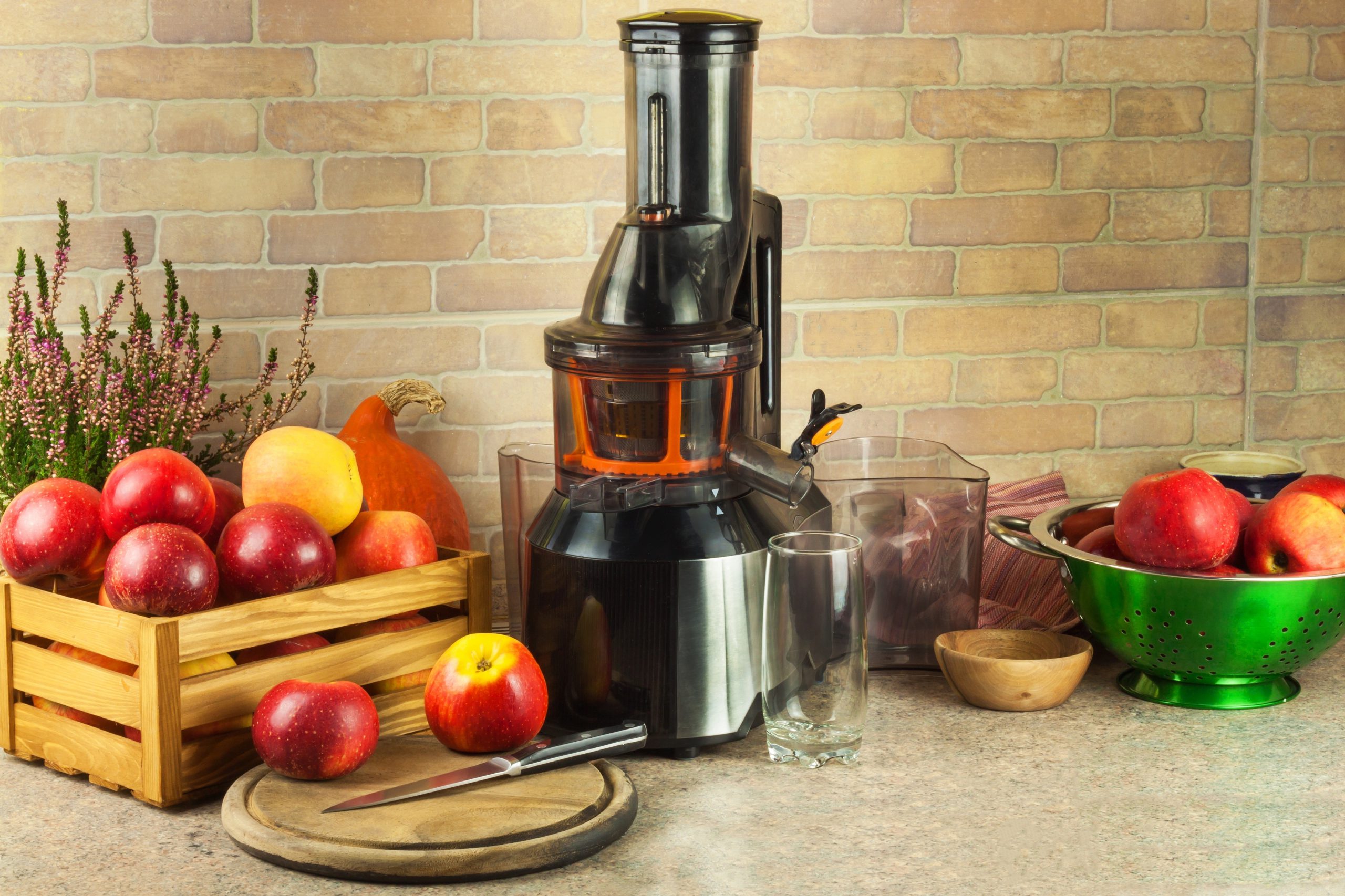
As you read above, cloudy apple juice, which is made by juicing with the peel, is richest in nutrients such as potassium and the fiber pectin. Here we tell you how to make your own apple juice with a juicer or blender. Or you can taste these juices with apples in them.
Apple juice does not keep very long and starts to oxidize almost immediately after pressing. It then turns browner and loses nutrients. Therefore, we recommend making a small amount of juice at a time, such as from four apples. You could also experiment with adding antioxidants to preserve your apple juice longer. There has been research on the effect of green tea extract to prevent oxidation of apple juice[1], so adding a small amount of very strong green tea might help.
Choose organic apples or soak your non-organic apples in warm water with baking soda in it for a few minutes to remove some of the pesticides. You can do this with organic apples as well, since some natural pesticides may also be used in the growing process.
Cut the apples into pieces and remove the cores. The seeds contain a small amount of a toxic substance and although most juicers won’t squeeze them along, you might want to take them out just to be on the safe side.
Feed the apple pieces to the juicer or slow juicer or put everything in the blender with a small amount of water. If using a blender, strain your apple juice through a cheesecloth or fine-mesh sieve.
Ready is your fresh apple juice: drink it as soon as possible or make your kids happy. By the way, it is also delicious with a small piece of ginger and/or lemon juiced along.
Also, have you read about the benefits of ginger shots?
Is fresh apple juice healthier than juice from a pack?
Fresh apple juice does not keep easily, so it is often pasteurized or made from concentrate if you buy it in a pack at the store. Sugar is also often added to extend the expiration date. While this may be understandable for commercial purposes, the loss of nutrients through these processes is significant. According to research, apple juice lost 70% of all antioxidants through pasteurization. [2]
According to another study, preservation at a temperature of -1.5°C was optimal for retaining as many nutrients as possible and minimizing flavor loss.[3] At Sap.je, we choose to freeze our juice immediately after juicing.
Which apple varieties are the healthiest?
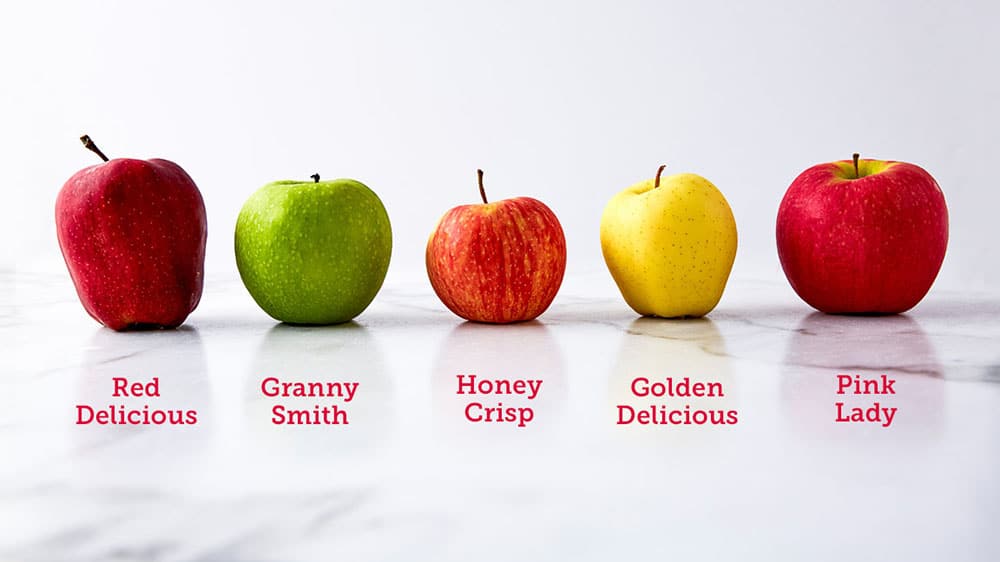
One should not compare apples with pears, it is said. Rather, compare apples with apples! After all, one apple is not the other. There are more than 7,500 different apple varieties, most of which are not suitable for mass production.
Green, sour apples such as the Granny Smith contain less sugar (and thus carbohydrates) than sweeter varieties. The differences in nutritional values are not otherwise very large, although the green apple has been found to contain twice as much vitamin A as well as more iron, potassium, dietary fiber and vitamin K than most red apples.
However, the sweeter apple varieties are said to contain the most antioxidants and the sweet, red jonagold apple has the highest pectin content[4].
Is organic apple juice better for your health than non-organic?
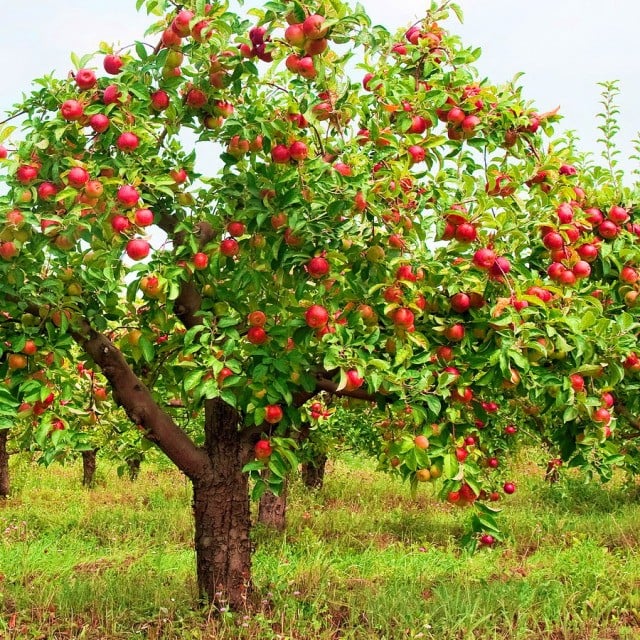
This, of course, is something of a no-brainer: Yes! However, we give some extra consideration to this question here because cultivated apples use particularly high levels of various pesticides. As such, apples are number five on the list of “Dirty Dozen” by the U.S. organization EWG, which researches and maps pesticides on food sources.
So organic apple juice is your healthiest option. Do you have your own garden? Then consider planting an apple tree! What could be a greater pleasure than being able to harvest from your own tree every August or September and enjoy a season or more of puree, juice and pie?
Is apple juice a source of too much sugar?
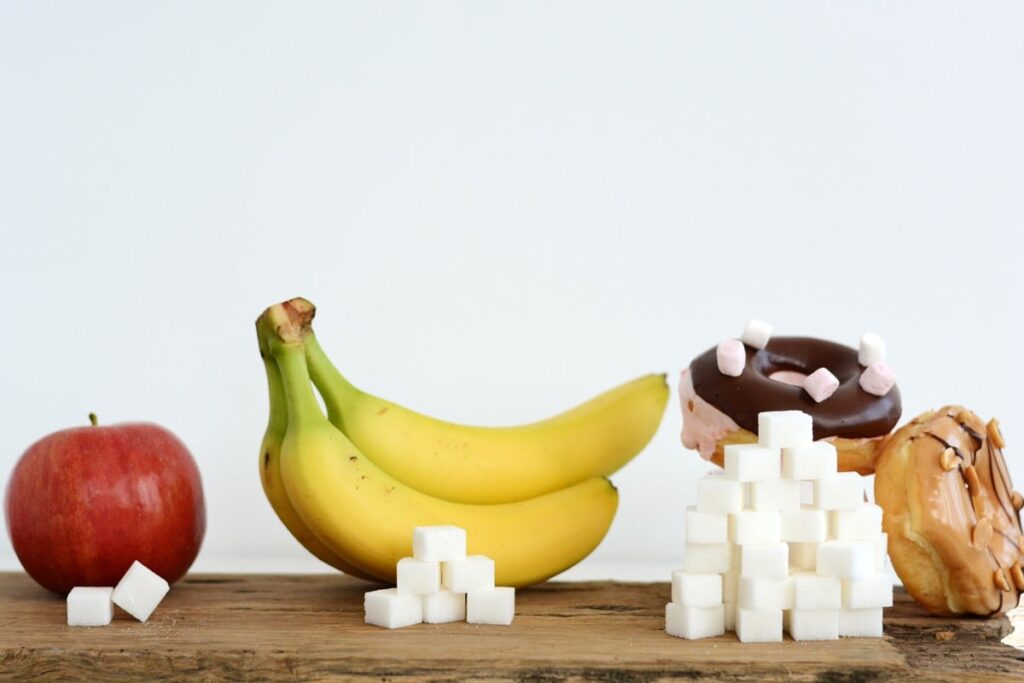
Apple juice contains a fair amount of sugar, consisting of fructose, glucose and dextrose, although the exact amount can vary greatly depending on what types of apples were used and where the apples came from. While apples contribute to a feeling of satiety, this is not necessarily the case with apple juice. Instead, the sweet and hydrating effects could cause you to drink a lot at once. That may not be such a good idea: preferably limit yourself to one glass of apple juice per day.
At Sap.je, we believe that the healthiest juice consists of at least 85% vegetable juice and about 15% fruit juice. You can drink fairly large quantities of our vegetable juices without any problems, whereas you might be better off not knocking back a liter of apple juice in one sitting.
Nutritional value of one medium apple (135 grams)
| Kilocalories 76 | |
| Fat 0.3 g | |
| Carbohydrates 16.2 g | |
| of which sugars 14.0 | |
| Proteins 0.4 g | |
| Salt 0 g | |
| Potassium 166 mg | 8.3% RI |
| Vitamin C 7 g | 8% RI |
Is apple juice healthy and why?
Of course, the question of whether apple juice is healthy is not so easy to answer without being specific about what type of apple juice is involved. Fresh cloudy apple juice is healthier than juice from a pack, and juice from sour Granny Smith apples is probably healthier than juice from sweet apples because the sugar content is lower.
If you look at the nutritional value of apples, the content of vitamins and minerals relatively with other fruits and vegetables is not very high. Nevertheless, it seems that some of the dietary fiber such as pectin, especially from the skin of the apple, is very healthy. Pectin is found only in cloudy apple juice and not in clear juice. Apples also contain a number of flavonoids.
So we think apple juice is healthy, provided you choose cloudy juice with no added sugar, and preferably made from organic apples. It is also delicious to combine with other types of vegetable juices, where the apple can add just that touch of sweetness that lifts the taste of your juice from “green” to “divine.”
Ordering apple juice
Apple juice has all sorts of benefits. Apples do not have to travel thousands of miles to reach us, but are our own local superfruits, with roots dating back to our ancestors. Apple juice contains the fiber pectin and the mineral potassium, which is good for your muscles, nervous system and blood pressure. Apple juice is also an excellent way for the bigger sweet tooth or difficult-eating children to introduce a healthier element into the diet. And of course, kids also really enjoy making their own juice. So plant your sapling today and who knows, maybe in about four years you’ll be juicing your own homemade apple juice. Below you can see which juices all contain fresh raw apple and Granny Smith.
Source:
- Klimczak, I., & Gliszczyńska-Świgło, A. (2017). Green tea extract as an anti-browning agent for cloudy apple juice. Journal of the Science of Food and Agriculture, 97(5), 1420-1426. https://doi.org/10.1002/jsfa.7880
- Baboli, Z. M., Williams, L., & Chen, G. (2020). Rapid pasteurization of apple juice using a new ultrasonic reactor. Foods, 9(6), 801. https://doi.org/10.3390/foods9060801
- Gou, X., Tian, Y., Yang, X., Sun, L., & Guo, Y. (2019). Freezing point temperature is in favor of not-from-concentrate apple juice storage. Food Science & Nutrition, 7(7), 2242-2251. 10.1002/fsn3.1028
- Apple (raw) Benefits, Uses, Side Effects – Joyful Belly School of Ayurveda