
The tastiest and healthiest summer vegetables
Now that spring is in full swing, it’s time to look forward to summer vegetables from Dutch soil. Discover the 5 tastiest and healthiest summer vegetables; how they do it in your garden, on your plate and in your body.
Cauliflower is a great summer vegetable full of vitamins
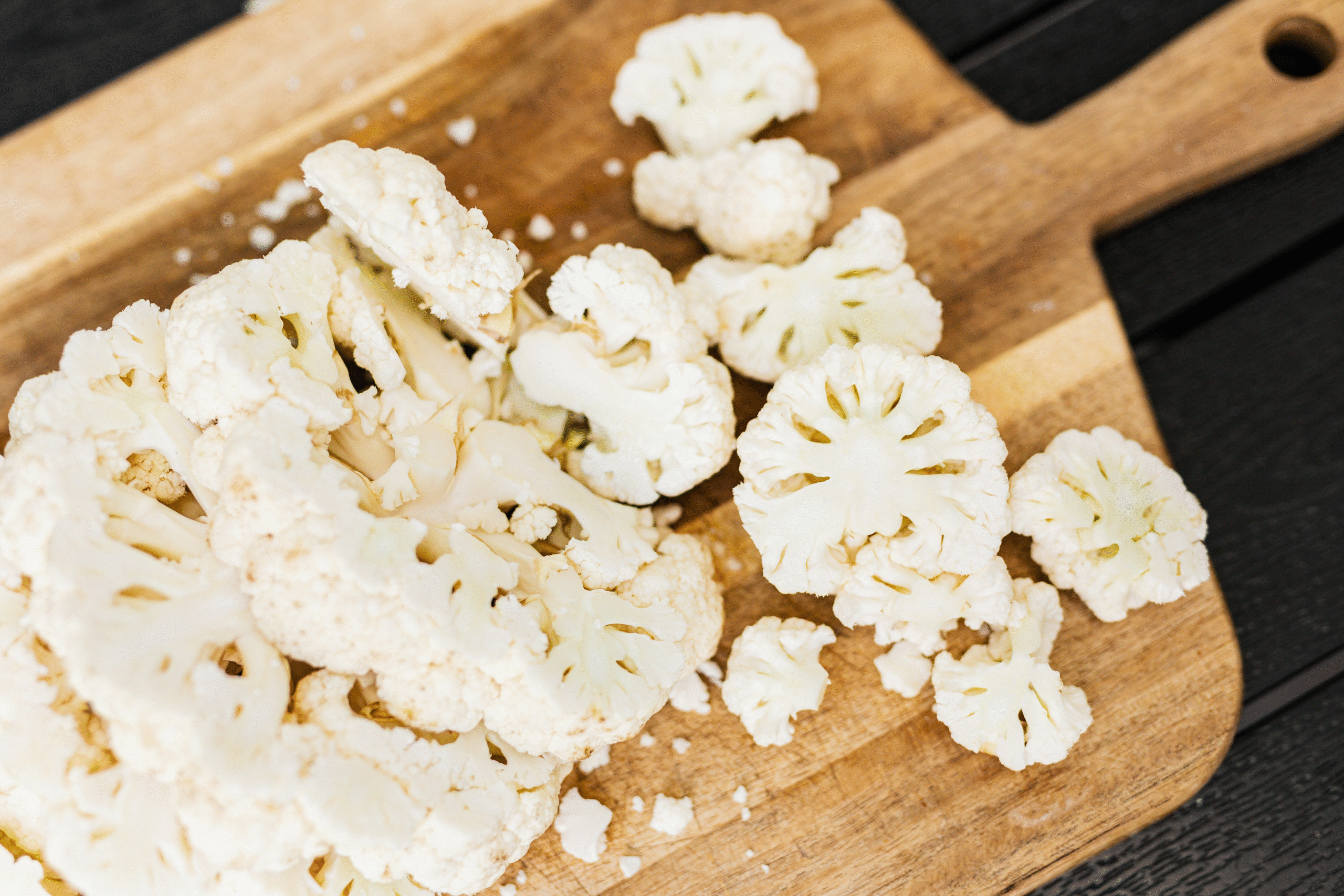
Cauliflower belongs to the cruciferous family, just like broccoli, radish and arugula, for example. Its botanical name is Brassica oleracea convar. Botrytis var. botrytis. The white “florets” we usually eat from cauliflower are actually flower buds that have not yet fully developed into a flower. The classic cauliflower has whitish flower buds, but there is also orange, purple and green cauliflower.
Cauliflower in your garden
Cauliflower is a vegetable that can be grown in various ways and harvested at various times. If you want to grow your own cauliflower in your garden, summer growing is a good option. With a little luck and skill, you can then harvest cauliflower between June and August. Cauliflower does not seem to be the easiest summer vegetable to grow yourself, so you can also buy them; fresh or frozen. Cauliflower does not last very long, but in the freezer it does, and even in this form you can still benefit from the healthy nutrients cauliflower contains.
Cauliflower on your plate
Cauliflower did not have such a good image for a long time; perhaps because we used to eat it cooked into mush too often, whether or not cloaked in a cloud of nutmeg. Lately, cauliflower has become somewhat hip again, and rightly so. Thanks to its firm texture and neutral flavor, cauliflower is suitable for many different dishes. Eat it boiled or steamed Dutch style with potatoes, or turn it into a delicious curry with coconut milk and cardamom, for example. Do you want to eat few carbohydrates? Then grate the firm stalk into ‘cauliflower rice’. Cauliflower is also popular these days as a gluten-free alternative to pizza crust. You can also deliciously roast sliced cauliflower in the oven with a little oil and possibly some seasonings, such as herbs and spices. Finally, cauliflower is also a wonderful base for a creamy soup.
Cauliflower for your health
Cauliflower contains a nice variety of vitamins and minerals, but is most rich in vitamin C. In addition, cauliflower is a source of vitamin K and vitamin B11, broken down into folate and folic acid. Vitamin C supports your health in many different ways, including being important for your blood vessels, your skeleton and building cartilage. Vitamin C is also important for maintaining healthy skin. As an antioxidant, vitamin C also helps protect your cells from oxidative damage. Vitamin K helps maintain strong bones and supports blood clotting. Among other things, folate supports your immune system, contributes extra energy to fatigue and is good for mood.
Tomato is a summer vegetable full of antioxidants
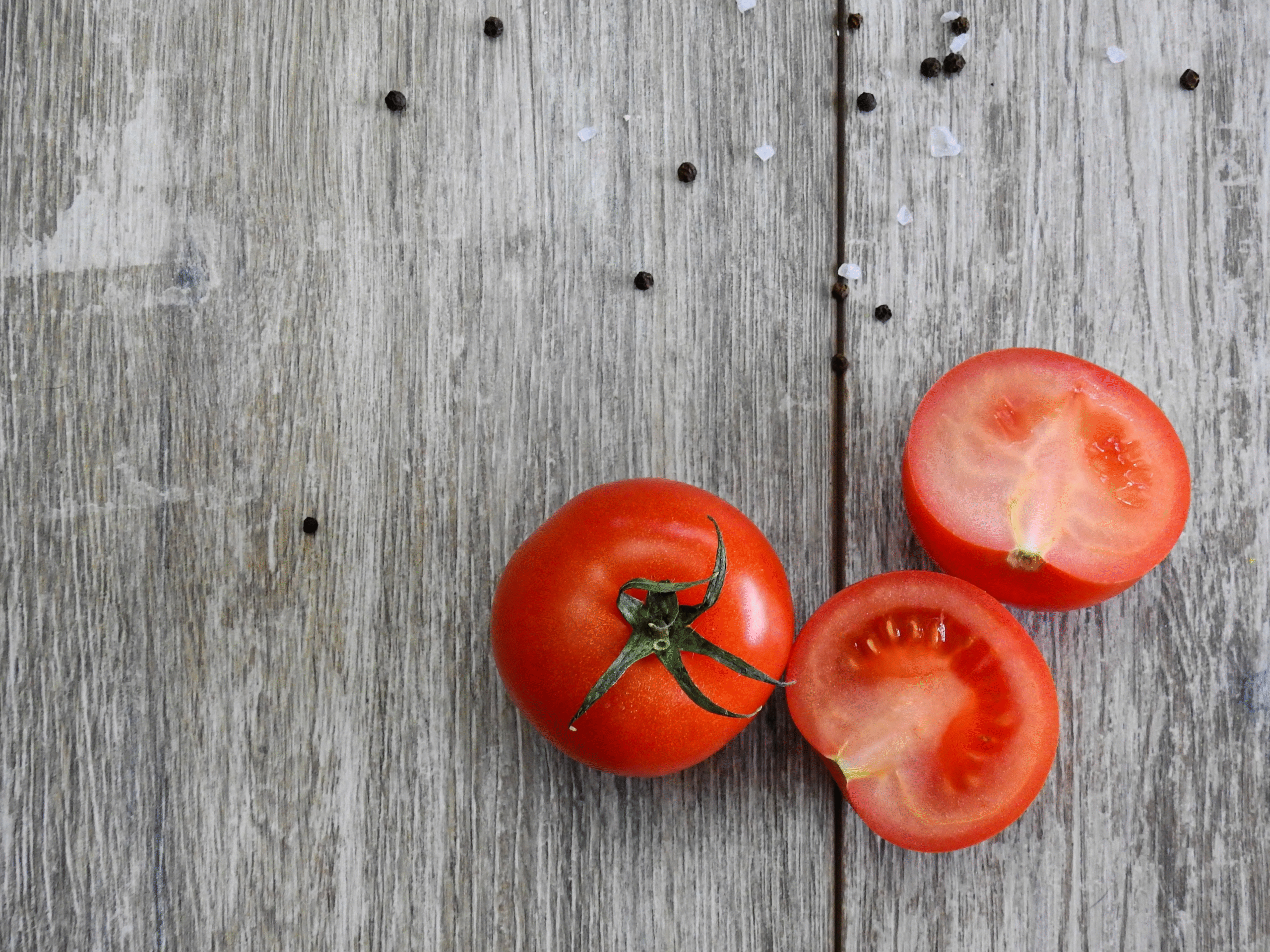
Tomato is a summer vegetable par excellence, which botanically is actually counted among the fruits. This is because it contains seeds and grows on a plant (Solanum lycopersicum) that flowers. This plant belongs to the nightshade genus, just like potatoes and eggplants, for example. The plant itself is quite poisonous, but the fruits are actually very healthy, although some people are hypersensitive to it.
Tomatoes in your garden
Tomatoes are initially often seen in greenhouses and conservatories, but with a little help they can also grow in your garden. You often have to sow the seeds first (around March) in pots, let them germinate inside and only later (from mid-May approximately) put the plants outside in larger pots, or plant them in the open ground. Tomatoes need plenty of light and fertile soil. In addition, they can be susceptible to diseases. Not the easiest plant to grow yourself, but a very nice one, with tasty fruits!
Tomatoes on your plate
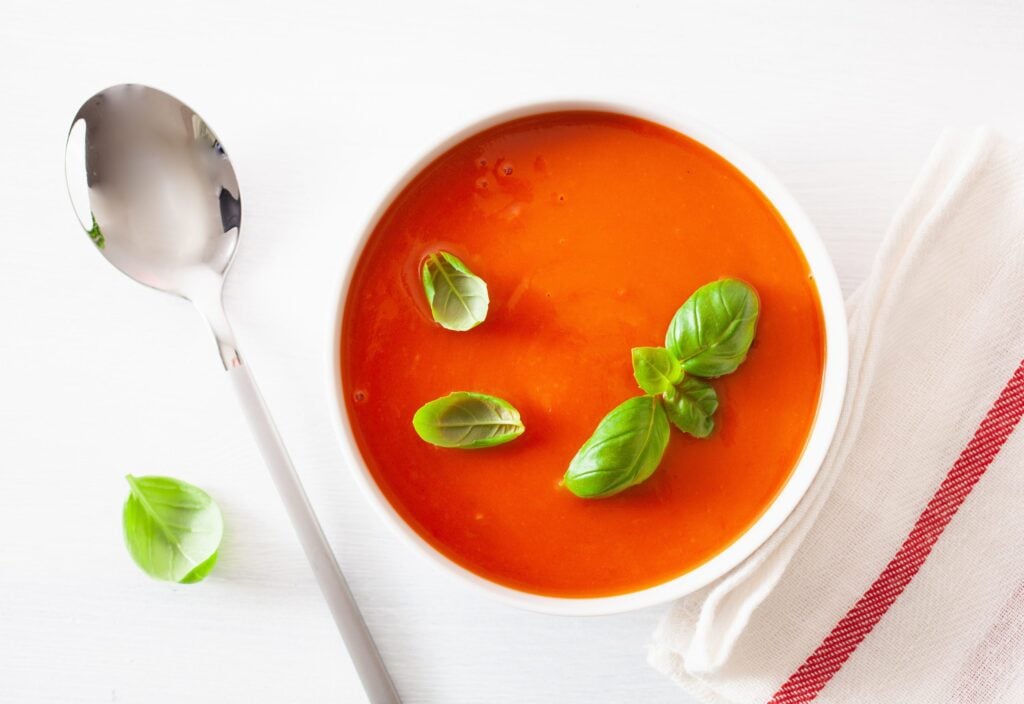
We probably don’t have to tell you much about the tomato. This beautiful red fruit/summer vegetable has countless uses and is found in all sorts of different cuisines. In summer, for example, it shines in a delicious gazpacho, or in a colorful salad. As a sauce or sliced, it is perfect for pizza, pasta and curries, as well as, for example, in moussaka or shakshuka. Finally, tomato juice is a great healthy drink on a summer day.
Tomato for your health
Tomato is a good source of the antioxidant vitamin C and also rich in the antioxidant copper. Both of these nutrients help protect your cells from oxidative damage. In addition, they have a positive impact on the immune system in general and support energy levels. Both antioxidants are also important for healthy skin. Copper helps keep the skin’s connective tissue supple, while vitamin C contributes to the formation of collagen, which helps to strengthen your skin (from the inside out). Copper also contributes to normal hair pigmentation.
Fennel is healthy and low in calories
Fennel (Foeniculum vulgare) belongs to the umbellifer family and exists as leaf fennel and tuberous fennel. Originally, fennel is native to the Mediterranean region. We eat the tuber of celeriac (Foeniculum vulgare Azoricum group) as a vegetable, and of leaf fennel we use the foliage as a herb and the seeds as a spice. The different parts of fennel have a sweet, anise-like flavor. Fennel seeds are used for various medicinal purposes as part of alternative medicine.
Fennel in your garden
Fennel does well in Dutch gardens. You can sow fennel in the spring and harvest it in the summer, or sow it in the summer and harvest it in the fall. You can sow fennel in the garden or in pots or containers (on a balcony). These should be large enough to allow the fennel to grow in height. Usually you can harvest the tubers when they are about 10 centimeters. You then cut them off a little above the tuber. They only stay good for a few days, so eat them quickly! By the way, the foliage is also edible.
Fennel on your plate
Fennel is a delicious aromatic vegetable that can be prepared in a variety of ways. The tubers do great in an oven dish with goat cheese, for example. Fennel is also great for roasting. But also raw fennel is very tasty and healthy. Soften it by soaking it in olive oil and lemon, for example. Slice or grate it finely to use in a salad, for example, together with carrots. The foliage can be mixed with it, or is delicious in a jug of water or tea.
Fennel for your health
Fennel contains several nutrients that support your health. For example, fennel is a source of iron and vitamin B1 (thiamine). Both of these substances play a role in your energy metabolism. They help release energy from fat, carbohydrates and protein. Iron is therefore good for fatigue and helps maintain a clear mind. Vitamin B1 is beneficial for good mental balance and helps ensure proper functioning of the nervous system. The beauty of fennel is that it is low in calories. With 100 grams of fennel you get only 40 kilocalories. Reason enough, then, to put fennel on the menu more often!
Carrots are healthy summer vegetables full of vitamin A
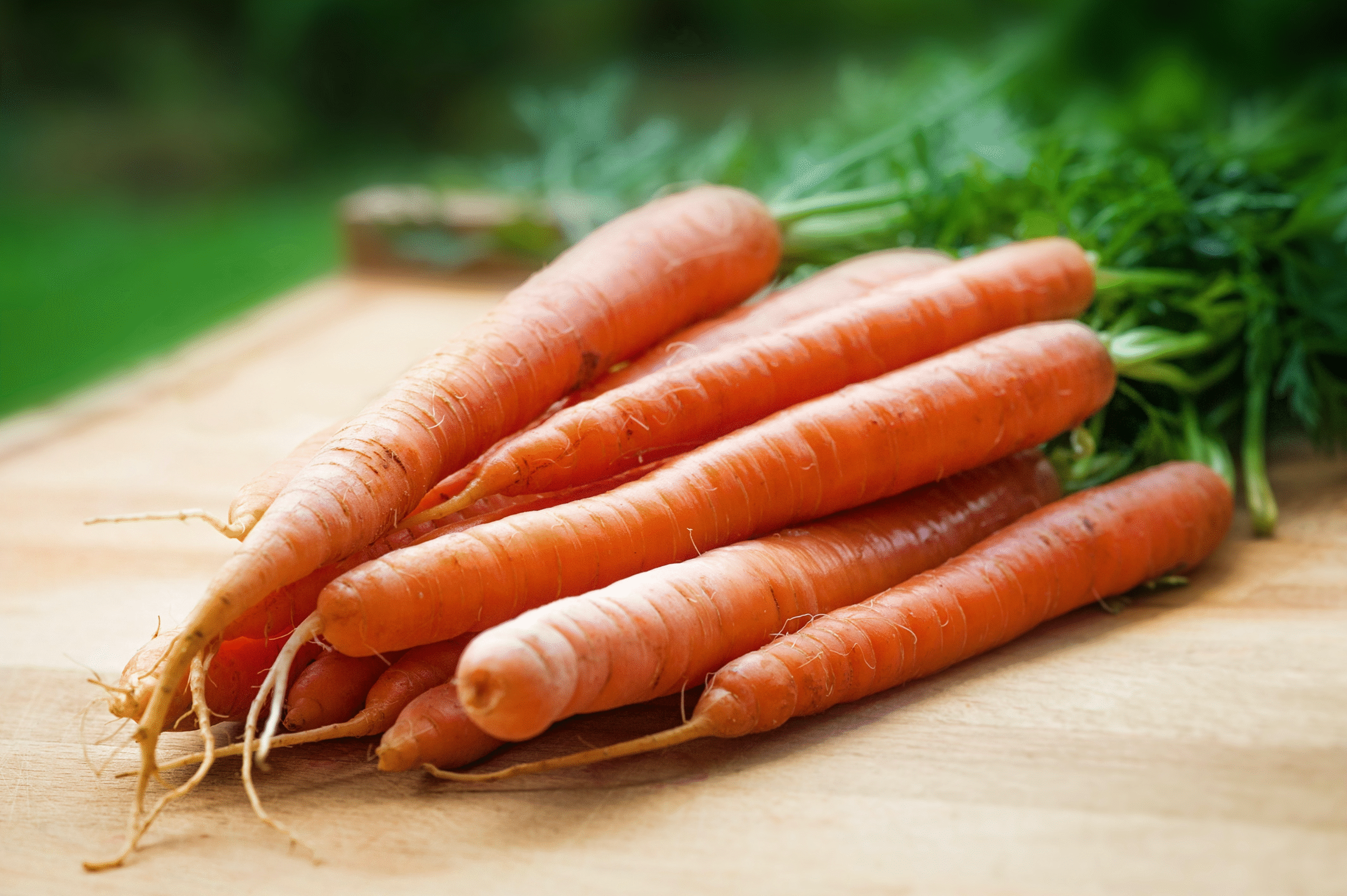
The carrot is a versatile vegetable that you can harvest in different seasons, depending on the variety. The thinner, orange carrot that you can harvest in the summer is a descendant of the white, wild carrot (Daucus carota) and belongs to the umbellifer family. By the way, white carrots are still common. You also increasingly see carrots in colors such as yellow and purple.
Roots in your garden
In the Netherlands, people grow carrots on a large scale, both in the agricultural sector and in private vegetable gardens. You can grow carrots in the ground, but also in containers in your garden or even on your balcony. If you sow them early in the year, say in January, it is possible that they will flower in the same year. If you take good care of them and make sure your plants have enough space, then with a little luck you can eat your homegrown carrots that same year! Fun fact: the green foliage of your carrots is also edible! It is a good source of vitamins and minerals, such as vitamin K, and delicious in soup or pesto, for example.
Carrots on your plate
There are, of course, countless ways to eat carrots. Raw on the go, sliced as a healthy snack with a yogurt sauce, cooked whole and short, or chopped in soups and sauces, for example. Due to their sweet undertone, carrots can also be used very well to make cookies and cake, for example. Who wouldn’t fall for a delicious carrot cake with nuts? Finally, let’s not forget carrot juice, which is also an excellent way to enjoy the health benefits of carrots!
Carrots for your health
Since the colors of fruits and vegetables are also related to the nutrients they contain, we will focus for now on orange carrots and carrots. The orange color of carrots is caused by so-called carotenoids, especially beta-carotene. Beta-carotene can be converted to vitamin A in your body, supporting your health in a variety of ways. Vitamin A is good for your eyesight. This vitamin helps you continue to see normally in the dark. Vitamin A also supports the condition of your eyes. In addition, vitamin A helps keep your skin healthy by supporting your skin’s repairing ability. In addition, vitamin A helps maintain good iron levels in the blood.
Zucchini is a source of vitamin C and iron
Zucchini graces many a vegetable garden in the summer. The zucchini is therefore very easy to grow. In the Dutch open ground it is best grown in June, July, August and September. This summer vegetable belongs to the Cucurbitaceae and is actually considered in botanical circles to be a fruit, just like tomatoes and cucumbers. That the zucchini is related to the cucumber may not surprise you, but did you know that melons and squashes are also related to zucchini? In the bulbous zucchini, which has become increasingly popular in recent years, you can see that kinship a little better.
Zucchini in your garden
A mature zucchini plant has large, green leaves and striking yellow flowers. These are also edible, by the way, and ideal for brightening up your salad, for example! If you have ever had zucchini in your vegetable garden, you know that they can grow quite large; much larger than you usually find them in the supermarket. But if you have ever sunk your teeth into one of those zucchini the size of a baseball bat, you know that it has very little flavor. Therefore, the zucchini is usually harvested before it is fully grown.
Zucchini on your plate
Even with a smaller zucchini, the flavor is quite neutral and subtle, which makes this summer vegetable very easy to combine. You see it in all kinds of dishes, from Italian to Middle Eastern or Asian. Often brief stir-frying is a good way to prepare zucchini. People who like raw food also use the versatile zucchini as an alternative to pasta. Chop or grate it, add some lemon juice, salt and olive oil, and discover how delicious it can be. Thinly sliced zucchini also do very well as a substitute for lasagna sheets. Give it a try!
Zucchini for your health
If the taste and versatility of zucchini are not already a reason to regularly put this summer vegetable on the table, perhaps its nutritional value is the decisive argument. This is because zucchini is rich in iron, and also a source of vitamin C. Per 100 grams of zucchini, you get more than 30% of the recommended daily allowance of iron and 20% of your RDA of vitamin C. The nice thing is that vitamin C promotes the absorption of iron from food.
Try these tasty summer vegetables in a juice or soup!
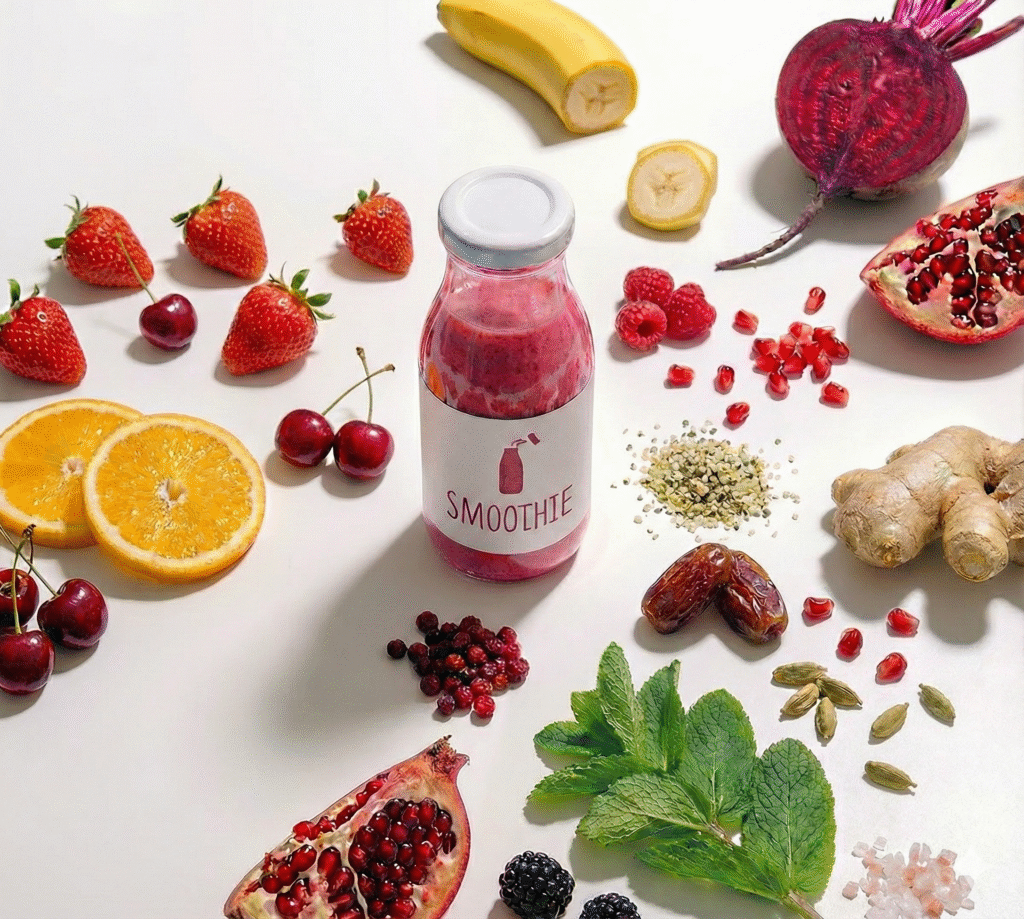
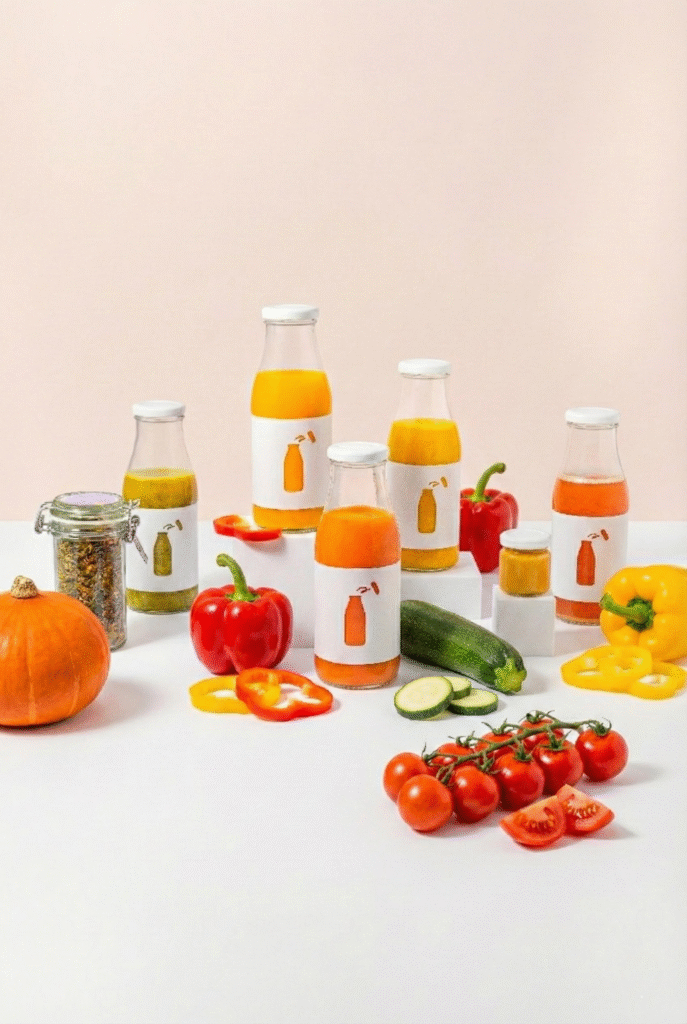
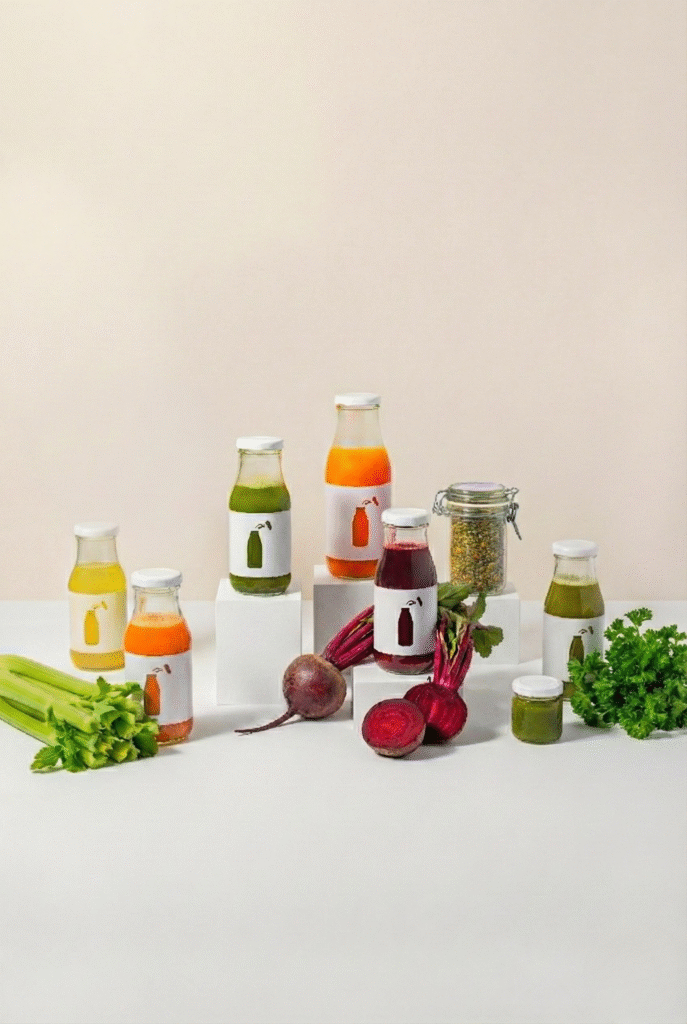
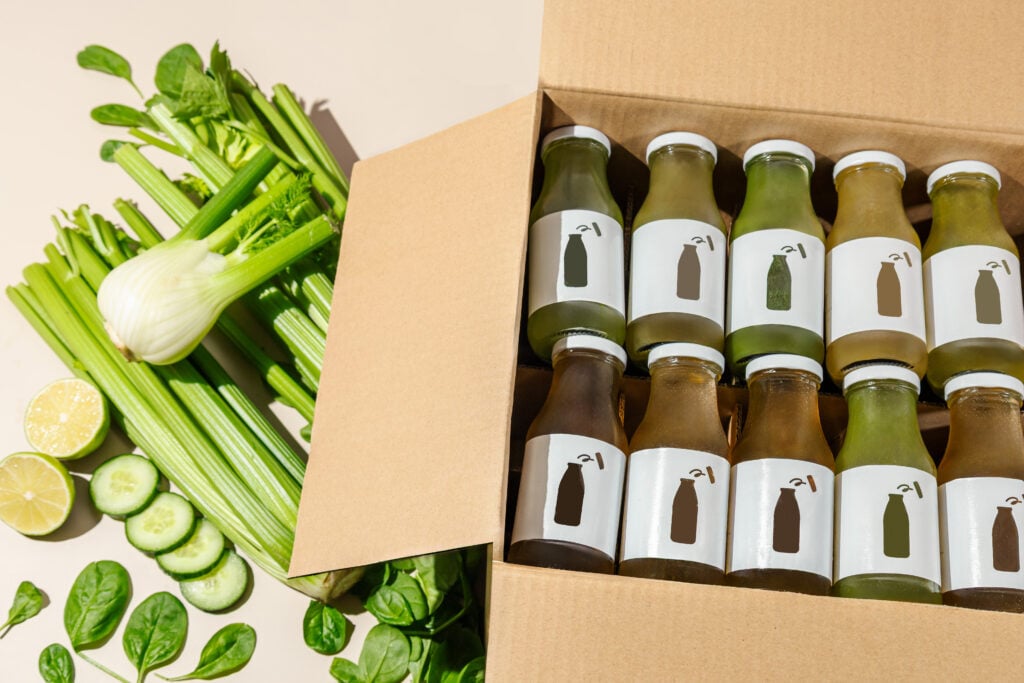
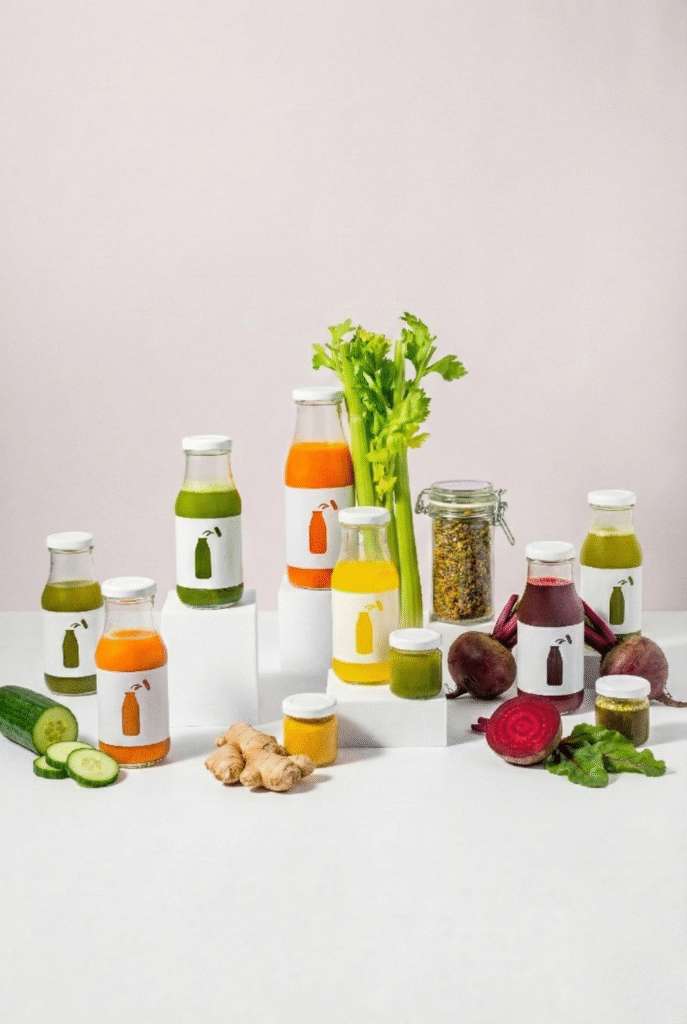
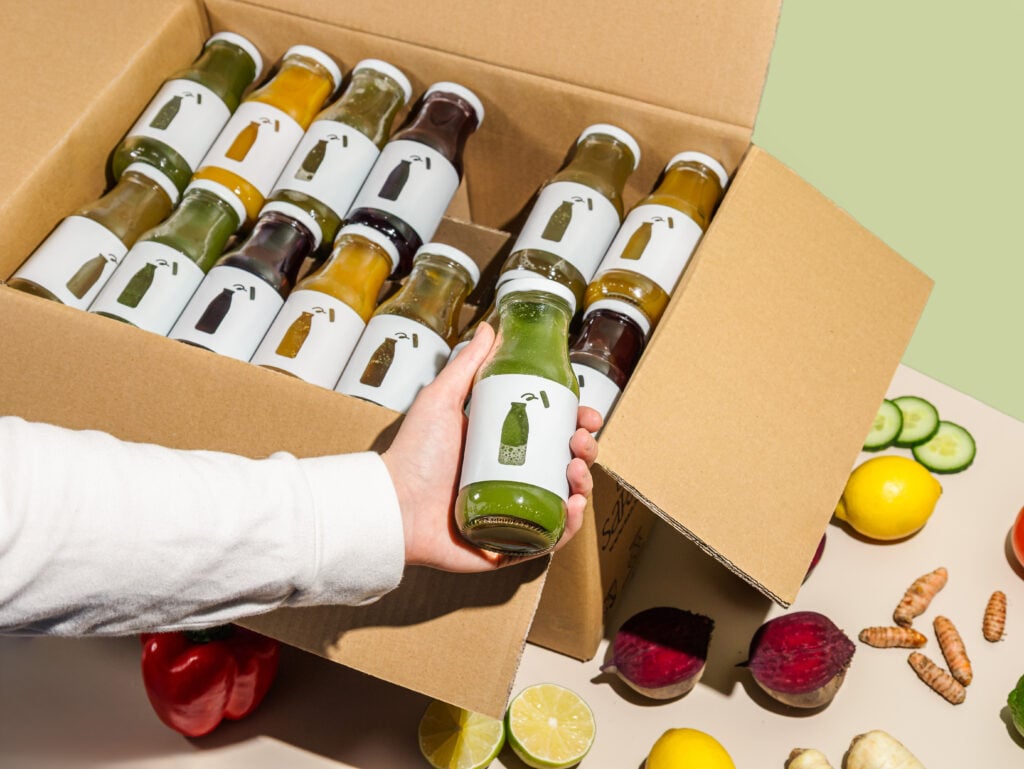
Is the weather nice outside and you don’t feel like spending a long time in the kitchen? Still want to take advantage of the delicious flavors and health benefits of these 5 summer vegetables? Then try them in the form of a juice or soup. Cauliflower is not so suitable for juicing, but it does an excellent job as a base for a creamy soup! You can enrich the neutral taste with fresh herbs and spices. No time to make your own cauliflower soup? Then order our delicious homemade cauliflower soup! Tomato features in our Power juice, as well as in our tomato soup and bell pepper soup. Fennel shines in the juices Fuel, Hydrate and Boost, among others. Carrot can be found in our Fresh and Sunny juices, as well as in our healthy pumpkin soup. Zucchini does not juice very well, but it is a perfect basic ingredient for a soft green juice! Try our homemade zucchini soup! Both our juices and soups are frozen immediately after preparation. All you have to do is thaw them to enjoy a super healthy juice or soup that tastes deliciously fresh. Keep that summer coming!
Resources
Dutch Nutrient Database (NEVO).
Inspection Council
Wikipedia