




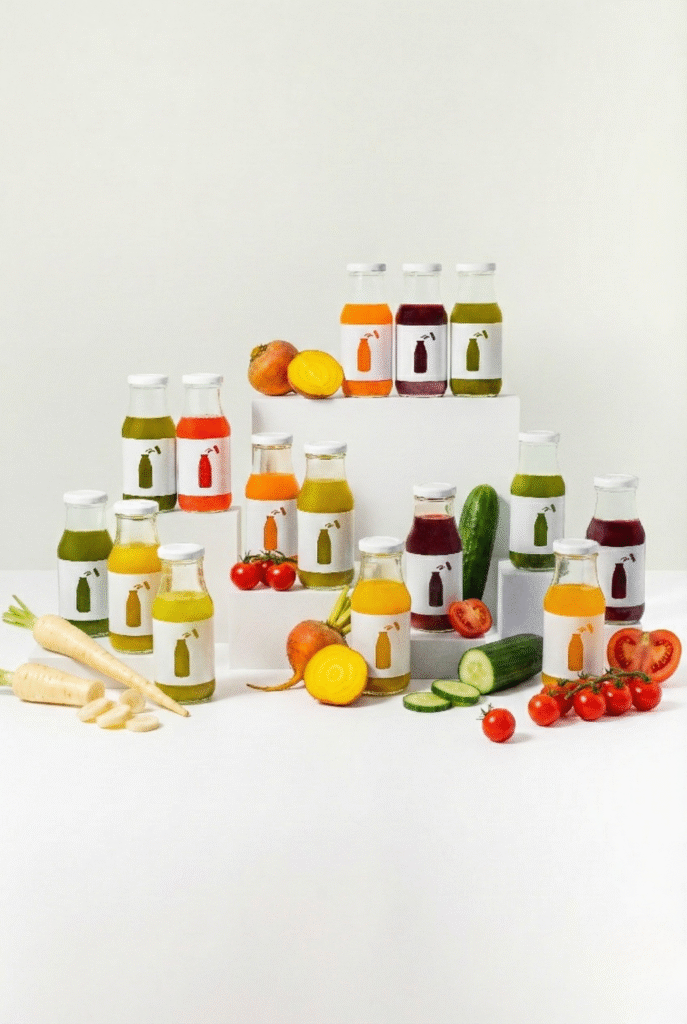

Winter vegetables: nutritious and frost-resistant
In winter, we traditionally eat nutritious dishes such as stews and hearty soups. Winter vegetables are therefore ideally suited for this purpose. This category includes leafy vegetables such as kale, red cabbage and endive, or root and tuber vegetables such as carrot, parsnip or beet. They resist frost well and in many cases even taste sweeter after being exposed to freezing temperatures. Moreover, these winter vegetables are rich in healthy nutrients, such as vitamins, minerals and antioxidants. Read more about six delicious and healthy winter vegetables below.
Kale is a winter vegetable full of vitamins
Kale is the winter vegetable of choice. This curly cabbage withstands cold temperatures well, especially the shrub variety. Traditionally, kale is even known as a vegetable that becomes tastier when “the frost has been over it. There are hints that this is because the starch present in kale is converted to sugars by the freezing temperatures, making the bitter taste sweeter. Kale tastes great in a classic stew, but also does well in salads and smoothies, for example. In addition, kale is healthy because of the nice combination of
Endive is rich in vitamin K
When we talk about healthy winter vegetables, we have to talk about endive. This crisp leafy vegetable is related to chicory and tastes fairly bitter. You can eat endive well raw, in mashed (raw) endive for example, or in a salad. But also cooked endive is very healthy. Endive contains a lot of fiber and is particularly rich in vitamin K. Per 100 grams of endive you get more than 300% of your recommended daily intake of this vitamin. Vitamin K supports your blood clotting and is good for maintaining strong bones. Endive is also a good source of folate (vitamin B11). Folate supports the production of red/white blood cells, contributes to the process of cell renewal and has a positive influence on the immune system. In addition, folate contributes to the growth of the unborn child during pregnancy.
Carrot is rich in vitamin A
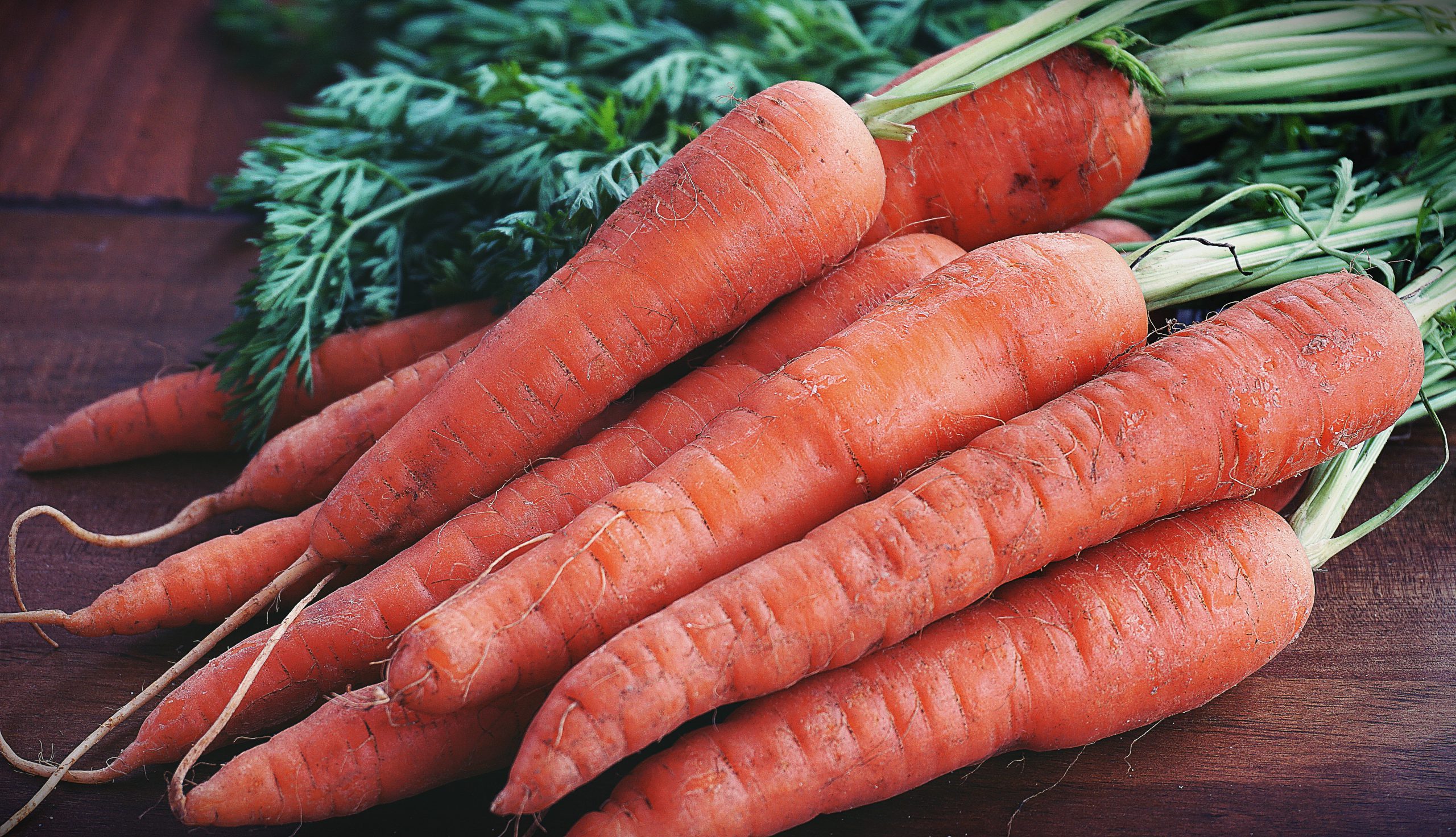
Carrotscome in countless shapes, sizes and colors these days. You can harvest and eat them in different seasons, but they are said to taste best in fall and winter. In winter, you mash thick winter carrots through your stew, but the versatile carrot also does great in salads, soups, sauces and more. Carrots are especially known for their high content of beta-carotene, which is converted in your body to vitamin A. This vitamin is good for your eyesight. For example, vitamin A helps maintain normal eye moisture and is also important for staying sharp in the dark. In addition, vitamin A helps keep your skin healthy. Vitamin A also supports your immune system. No superfluous luxury in the winter! You can read much more about carrots here!
Beets are a good source of potassium
Red beet is a vegetable that can be grown and harvested in many seasons. With a little protection of straw or fleece, for example, red beets (also called crucibles) are also resistant to frost. Their powerful, earthy flavor gives you an instant boost. As a good source of potassium and fiber, beets are also a healthy addition to your winter menu. For example, potassium has a positive effect on the functioning of your nervous system. In addition, potassium plays a role in maintaining supple and strong muscles. Potassium also helps maintain good blood pressure. Red beets can be eaten cooked, but also perfectly grated in a salad, for example together with carrot and apple.
Red cabbage is rich in vitamin C
Red cabbage is a winter vegetable with a long history. This purplish cabbage with closed head can withstand the cold well. Finely sliced or grated and cooked, it is easiest to digest. Mashed red cabbage with apples is such a wonderfully hearty and warming winter dish. But you can also eat red cabbage raw, provided you cut or grate it very finely and first soften it in a little vinegar or yogurt. Red cabbage is particularly rich in vitamin C, which is best preserved when eaten raw. 100 grams of raw red cabbage contains as much as 60 milligrams of vitamin C, while in cooked form it contains about 38 milligrams of vitamin C. Daily, you need about 75 milligrams of this vitamin. Vitamin C is a particularly versatile vitamin that plays a role in many different bodily processes. For example, vitamin C has a positive influence on your immune system and supports energy levels. In addition, vitamin C contributes to the formation of collagen, which is important for your skin and blood vessels.
Parsnips are a winter vegetable full of fiber
Parsnip is a large, white root with a sweet, warming flavor. Parsnip is a winter vegetable that is relatively high in fiber. According to the Nutrition Center, it is important to get enough fiber daily. The center recommends adults eat 25-30 grams of fiber daily. Per 100 grams of cooked parsnips, you get 2.6 grams of fiber. But there are even more reasons to eat parsnips. Parsnips also contain several vitamins, such as vitamin C, vitamin B1 and vitamin B11, as well as minerals such as potassium and magnesium. Parsnips do great in, for example, a stew with carrots, but also as an aromatic and nutritious soup. Also, cut parsnips into French fries and do the same with carrots. Bake them cooked in the oven and enjoy delicious and healthy vegetable fries!
Want to discover 8 recipes that are quick and healthy? We have listed 8 of them.
Try these winter vegetables in a juice, too!
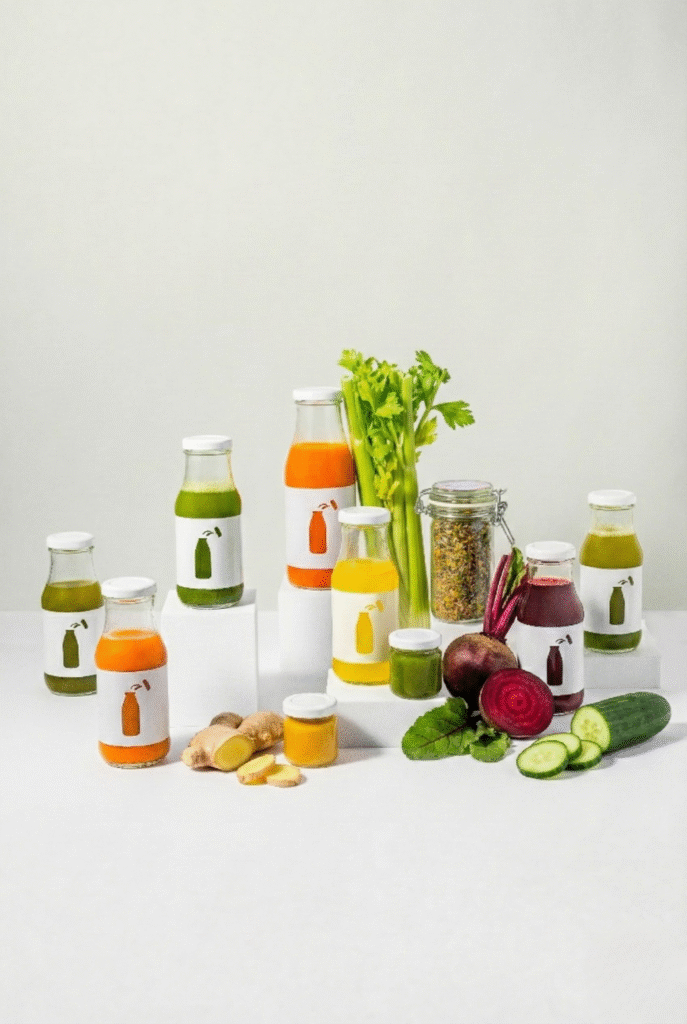
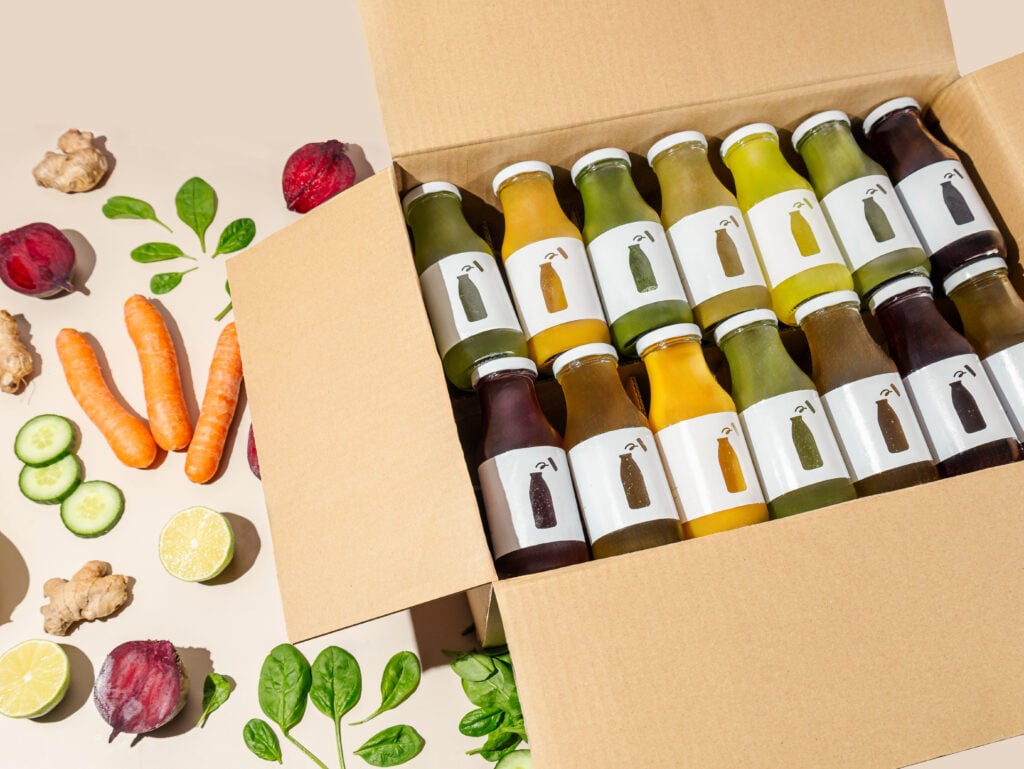
Many of these winter vegetables are healthy when consumed raw, but not always easy to chew away if they are not cooked. Still want to take advantage of all the health benefits of these winter vegetables? Then try them in a juice or smoothie! Kale can be found in the juice Recharge and our Green Smoothie, among others. The same goes for endive, also a key ingredient in our Reboot juice. Carrot shines in our Fresh, Sunny, and Power juices, while beet shines in our Energy and Recover juices. Red cabbage is also found in the Energy juice, but this colorful cabbage also appears in Ron’s Sapje. Parsnips we used in our Sunny and Fuel juices. Because we only use local, organic vegetables, squeeze them with the slow juicer and then immediately freeze them in the shock freezer, the vitamins, minerals and antioxidants from these winter vegetables are perfectly preserved, without unnatural additives. Check out our juices online and order your favorites!

Sources: