




What vegetables in a smoothie?
Do you like to drink smoothies for your health? Then choose your ingredients carefully. In this blog, you’ll learn which vegetables are best for a healthy smoothie. Which vegetables make your smoothie the most rich in fiber, vitamins and antioxidants? Read on quickly and also find out what ratio of vegetables to fruits is best for a healthy smoothie.
Use high-fiber vegetables in a smoothie
Fiber is an important part of healthy eating. Therefore, make a smoothie with vegetables that are rich in fiber. Because you make it with the
Choose vegetables full of vitamins
According to the Nutrition Center, it is important to eat at least 250 grams of vegetables every day. But besides the amount of vegetables, variety in your choice of vegetables is also important. Every vegetable offers its own combination of nutrients. Of course, it’s nice if your vegetable smoothie contains a lot of different vitamins and minerals. Check out our blog on the 10 healthiest vegetables to see which ones you should definitely try. Some vitamin-rich vegetables are:
Kale and beet are two great examples of healthy vegetables that are excellent to use in your vegetable smoothie.
Kale for a source of vitamins
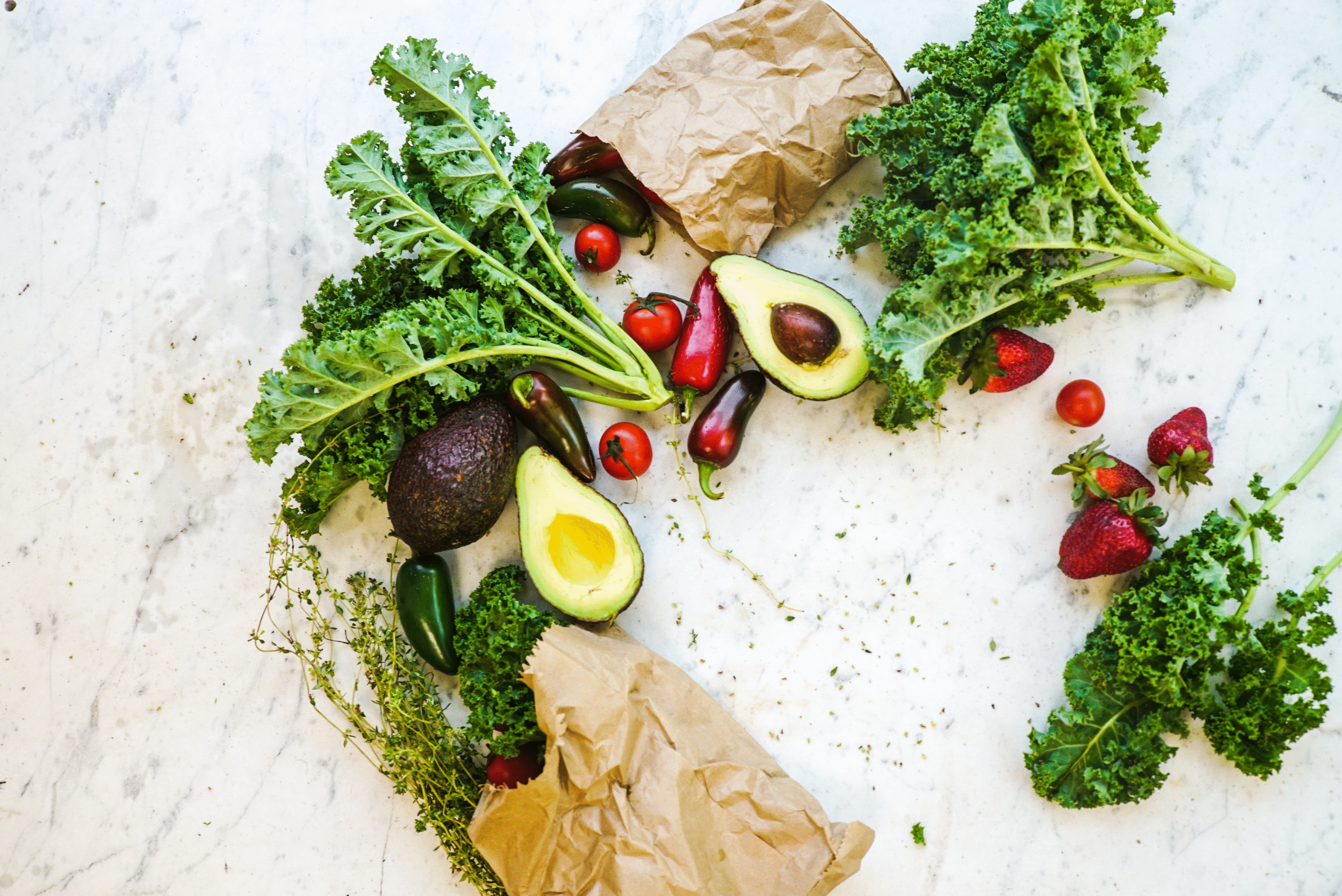
Kale is much more than an important part of your winter stew. This leafy green vegetable is rich in several vitamins and an excellent ingredient for a healthy green smoothie. Buy kale fresh or frozen to take full advantage of it. 200 grams of raw kale provides, among other things:
- vitamin K (1780% of RDA)
- vitamin C (267% of RDA)
- vitamin A (84% of the RDA)
- calcium (36% of RDA)
- potassium (23% of RDA)
In addition, kale contains nice amounts of protein and fiber, which make your smoothie with kale extra nutritious.

Beets as a source of potassium
Want a vegetable smoothie that’s not green, but pink? Then choose beet as a vegetable in your smoothie! Thanks to the natural dye betanin in beets, your smoothie will take on a beautiful pink hue. But red beets are also deliciously nutritious. Like kale, red beets contain a nice amount of fiber. In addition, they are a source of the mineral potassium, which should not be missing from your diet. For example, potassium plays an important role in the functioning of your nerves. Potassium also contributes to normal muscle function. In addition, potassium helps maintain normal blood pressure.
Curious about 10 healthy smoothie recipes? Read them here!
Add vegetables with antioxidants
Antioxidants are nutrients that protect your cells and tissues from the harmful influence of free radicals. There are several types of nutrients that function as antioxidants, including vitamins, minerals and trace elements. Vitamin C, vitamin E, vitamin B2 (riboflavin), manganese, copper, zinc and selenium are some well-known examples of antioxidants. These antioxidants can be found in such foods as:
- kale
- bell pepper
- spinach
- red cabbage
- avocado
- red beet
- root
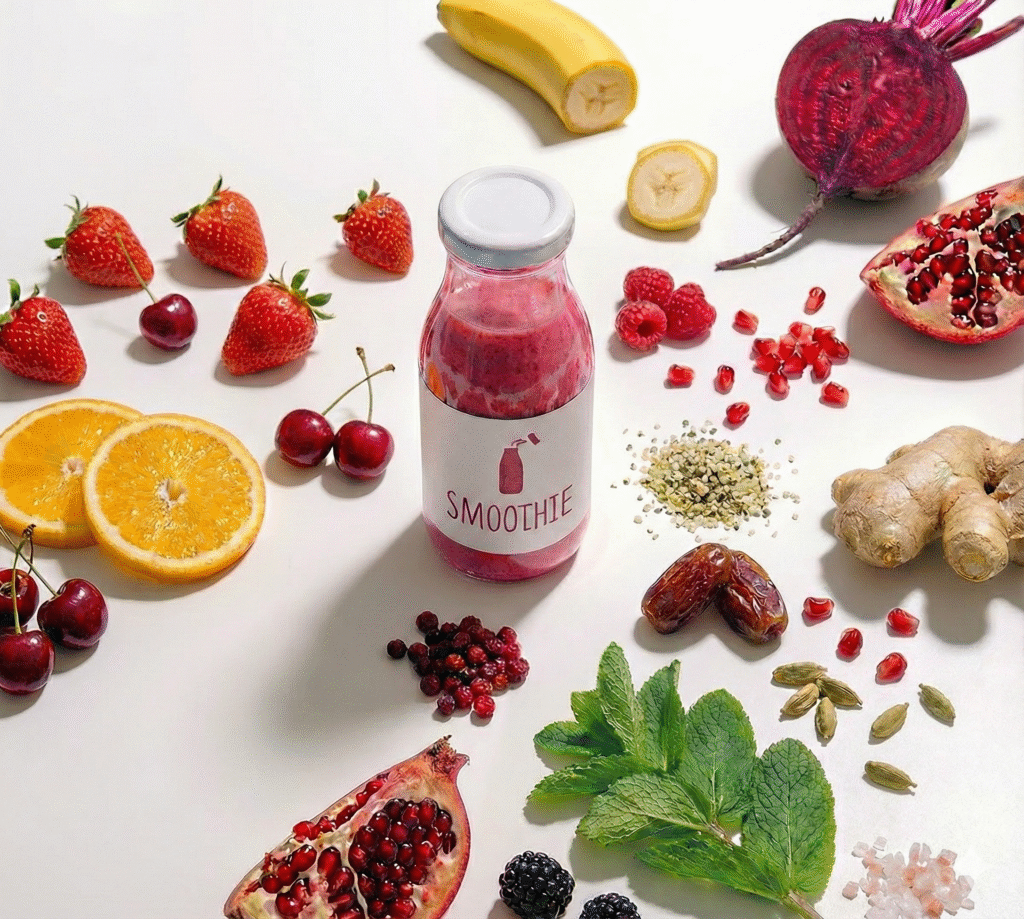
By adding fruits, herbs, spices, nuts or seeds to your smoothie, you can increase its antioxidant value. For example, citrus fruits, berries and pomegranate are good sources of antioxidants. Learn more about the best ratio of fruits and vegetables in your smoothie below.
Get the right ratio of fruits and vegetables
If you want to make a healthy smoothie, it is important that you use the right amounts of fruits and vegetables to do so. In addition to extra flavor and nutrients, you often add a lot of extra (fruit) sugars with fruits. Because you drink these away more easily than you could eat the pieces of fruit, you quickly ingest a large amount of sugar. In doing so, you unwittingly drink away a lot of calories and your blood sugar level also rises quickly. Want to avoid this? Then don’t add more than 2 pieces of fruit to your smoothie. Also read our blog on the 10 healthiest fruits to help you choose! Want to make a nutritious smoothie that can replace your breakfast or lunch, for example? Then in addition to vegetables and fruits, add healthy fats, in the form of nuts and seeds, seeds or avocado. With whole grain cereals, such as oatmeal or flaked wheat, make your smoothie a little firmer. Add some protein, in the form of yogurt or (vegetable) milk, such as a nut milk or oat milk, for example. The result: a delicious and nutritious smoothie that will keep you going for a while!
Also try our smoothies
Do you love healthy smoothies, but don’t have time to make them fresh every day? Then try Sapje’s three delicious smoothies! The green smoothie is made with no less than 6 fresh vegetables, including vitamin champions like kale, spinach and endive. In addition, this smoothie contains 8 grams of fiber and is a source of antioxidants such as vitamin C, vitamin E, copper and manganese. The breakfast smoothie provides you with a tasty and nutritious start to your day, with its smooth chocolate flavor and creamy base of homemade almond drink. It is therefore also popular among children, who get plenty of healthy nutrients on the sly. For athletes, there is the protein smoothie, based on our homemade cashew drink. Per bottle you get 19 grams of protein, as well as a good combination of vitamins and minerals. All our smoothies and detox cures are made with the best, fresh ingredients and without unnatural additives such as sugars and preservatives. Because we freeze them immediately after preparation in the shock freezer, the healthy nutrients are optimally preserved. All you have to do is order them online, let them defrost, and enjoy them. To your health!
How healthy is a vegetable smoothie?
Why a vegetable smoothie is healthy:
– Rich in vitamins, minerals and antioxidants, such as vitamin C, folic acid and potassium.
– Often contains fiber, which is good for your digestion and stable blood sugar levels.
– Can help with anti-inflammation, detoxification and supporting your immune system.
– A smart way to get more vegetables in, especially for people who eat few vegetables.