















The 10 healthiest vegetables
In this blog, we take a look at ten of the most healthy vegetables you can add to your healthy lifestyle. Of course, such a list is never quite complete: all kinds of vegetables are healthy for very different reasons. The list below contains 10 toppers worth getting to know better, all of which lend themselves to contributing to your diet and health in many ways. We recommend eating these vegetables organically as much as possible. That way you avoid ingesting pesticides and other toxins into your body. And, of course, growing them yourself is absolutely beautiful!
How do I eat vegetables?
Most leafy greens such as salad and spinach as well as sprouts and celery are really best eaten raw or drunk in a juice to preserve the maximum amount of nutrients. Cabbages change in nutrient content when cooked and some you can digest better when cooked or steamed. The same can apply to red beets and celeriac. All of the vegetables below can also be juiced and most are also used in Sapje’s recipes. Juicing is a good way to make vegetables easier to digest and nutrients more available for absorption in the stomach and intestines.
How many vegetables should I eat a day?
The nutrition center recommends eating 250 grams of vegetables a day. That’s quite a lot and may require some planning; a small salad at lunch, for example, can help meet the target. However, according to new research, the more vegetables, the better. Juices and smoothies, in our opinion, are an ideal way to get a lot of vegetables in one sitting, contributing to a healthy daily intake of vitamins, minerals and other micronutrients.
1. Germs
Sprouts are baby plants of radishes, broccoli, lentils, beets and beans, for example. Since there are many different varieties, the nutritional value can vary quite a bit. Radish, broccoli and beet sprouts are the biggest health hits, leaving bean sprouts far behind in terms of mineral and vitamin content. Since each sprout is the young living beginning of an entire plant, you might imagine they are powerful foods. Broccoli sprouts, for example, are high in vitamin C, A, iron, calcium and dietary fiber. Moreover, they contain up to 60 times more sulforaphane than the adult broccoli. [1]
2. Kale

According to many health sites, in terms of leafy vegetables, kale is the number one choice. Still nice that some of our healthiest greens are the proud main ingredients of our Dutch stew. Kale has been a health trend for more than a decade and graces the juices, smoothies and salads of many a California yoga practitioner. So you can go all sorts of ways with it: classic next to the smoked sausage, Asian-style in miso soup or raw in a juice or smoothie.
Kale contains an impressive amount of nutrients: large amounts of vitamins A, B6, C, folate, potassium and calcium. Because of its high calcium content, kale supports your digestion and helps keep your bones strong, among other things. Moreover, there is a lot of fiber in these curly leaves and it is also packed with antioxidants.
3. Endive
Another Dutch golden oldie: endive. Endive and its close relative chicory are not everyone’s favorite because of their bitter taste. But it is precisely this bitter taste that contributes so much to the healthiness of endive. In addition, bitter vegetables such as endive and chicory typically contain a lot of folic acid (vitamin B11) and especially K. Folic acid contributes to the production of cells and tissues in your body, including the formation of red blood cells. Vitamin K supports the clotting of your blood and is good for your bones.
4. Spinach
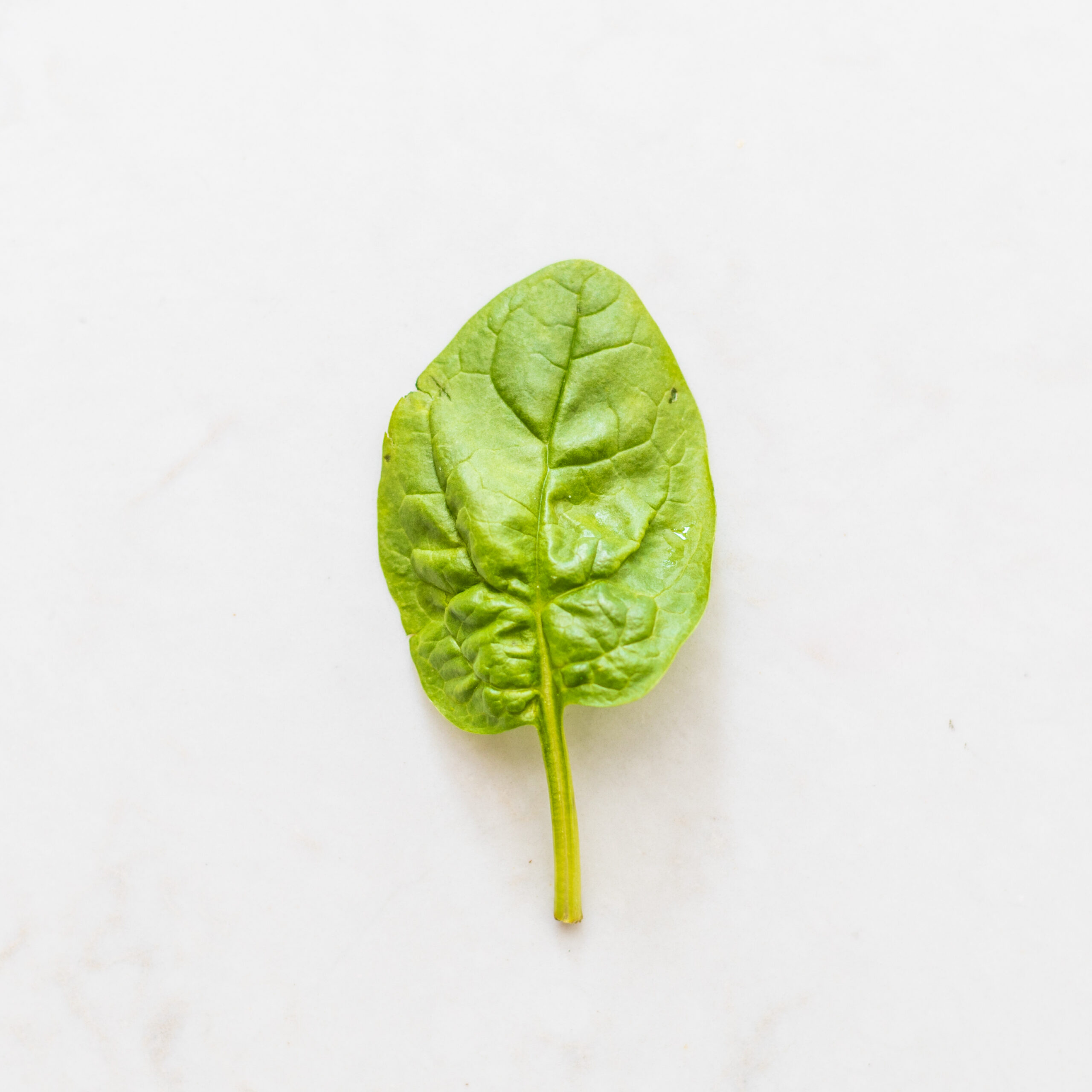
Within one generation, spinach has emancipated from creamy frozen frozen cubes to an all-rounder and everyman’s friend. It is less bitter and tough than endive and kale, less spicy than arugula and many times more nutritious than many other lettuce varieties.
Although the famous amount of iron in spinach is not so bad, this leafy vegetable is high in vitamins K, A and B1 and the mineral potassium. Potassium plays a role in maintaining strong muscles. So perhaps Popeye was on the right track after all. In addition, spinach contains glycolipids and nitrates. At Sapje, we have also developed a spinach juice called Recharge that contains a total of 325 grams of vegetables!
5. Beets
Both the leaves and tubers of the beet are a good addition to your diet. Like other root vegetables, beet has a grounding effect. The leaf and tuber (the beet itself) are full of vitamins and minerals, including potassium, an important nutrient for the normal functioning of your muscles. Beets also contain nitrates and betalains. The latter give beets their distinctive red color. You can also get beets in in juice form, we made the drink Energy which has been one of our best-selling juices for years.
6. Cabbage
Cabbage is another vegetable with which you can vary so much that there is something for everyone. If you don’t like cabbage salad, you might like to eat it cooked in (miso) soup or borscht or as part of goulash. If that’s not for you, you can make the cabbage into a juice, or you can ferment it with some salt to make sauerkraut or further process it into kimchi. Raw cabbage is bursting with nutrients such as vitamin C, folic acid and vitamin K. Antioxidants such as vitamin C can help protect your cells and tissues. Cabbage is also very rich in dietary fiber.
7. Seaweed

Seaweed is a great source of all kinds of minerals that you don’t find so easily in “above-water” vegetables. Many types of seaweed contain a large amount of iodine, playing an important role in thyroid function. Alternative nutritionists therefore recommend eating seaweed. The undersea green also contains a variety of vitamins and minerals and is also a good source of antioxidants, dietary fiber and polysaccharides.
The only thing to watch out for with seaweed is that much of it is imported from Japan and thus could contain radioactive particles. That’s why we use seaweed that just grows in the North Sea when juicing dulse!
8. Celery
Celery has assumed an almost magical status thanks to the health trend started by “Medical Medium” Anthony Williams. The Internet overflows with pictures of celebrities with their daily celery juice in hand and with miracle cure stories of all sorts of chronic ailments. Juicing a stalk of celery a day is said to be so healthy because it is incredibly rich in vitamins and minerals. Moreover, celery is one of the most alkaline (i.e., non-acidic) foods and thus can be a good addition to the often highly acidified diets of people in the West.
Anthony Williams attributes many health benefits to celery. While not all of these have been scientifically proven, it is certain that many startling stories can be found about the benefits of celery juice. Also certain is that celery contains high amounts of vitamins C, A and K, as well as the mineral potassium. Read all the benefits of celery juice for your health here.
Celery in a (pure) juice tastes intense, but is super healthy. In a salad it combines well with apple and walnuts, and another tasty way to eat it is as a “dip stem” with (beet) humus or another dip.
9. Celeriac
Since celery and celeriac come from the same plant, it is not too much of a surprise that celeriac is also a very healthy vegetable. Like other roots and tubers, celeriac is a grounding, warming vegetable that does especially well in soups and casseroles. It is also very tasty when baked in slices like a steak or fried like fries.
The tuber contains a palette of nutrients such as vitamins C and B11 and the mineral potassium. Celeriac can also be eaten raw; grated or in a juice. Thanks to its high potassium content, celeriac is good for your blood pressure, among other things. In addition, vitamin B11 (folic acid) and vitamin C are good for your brain function and cognition.
10. Wild: Dandelion Leaf & Nettles
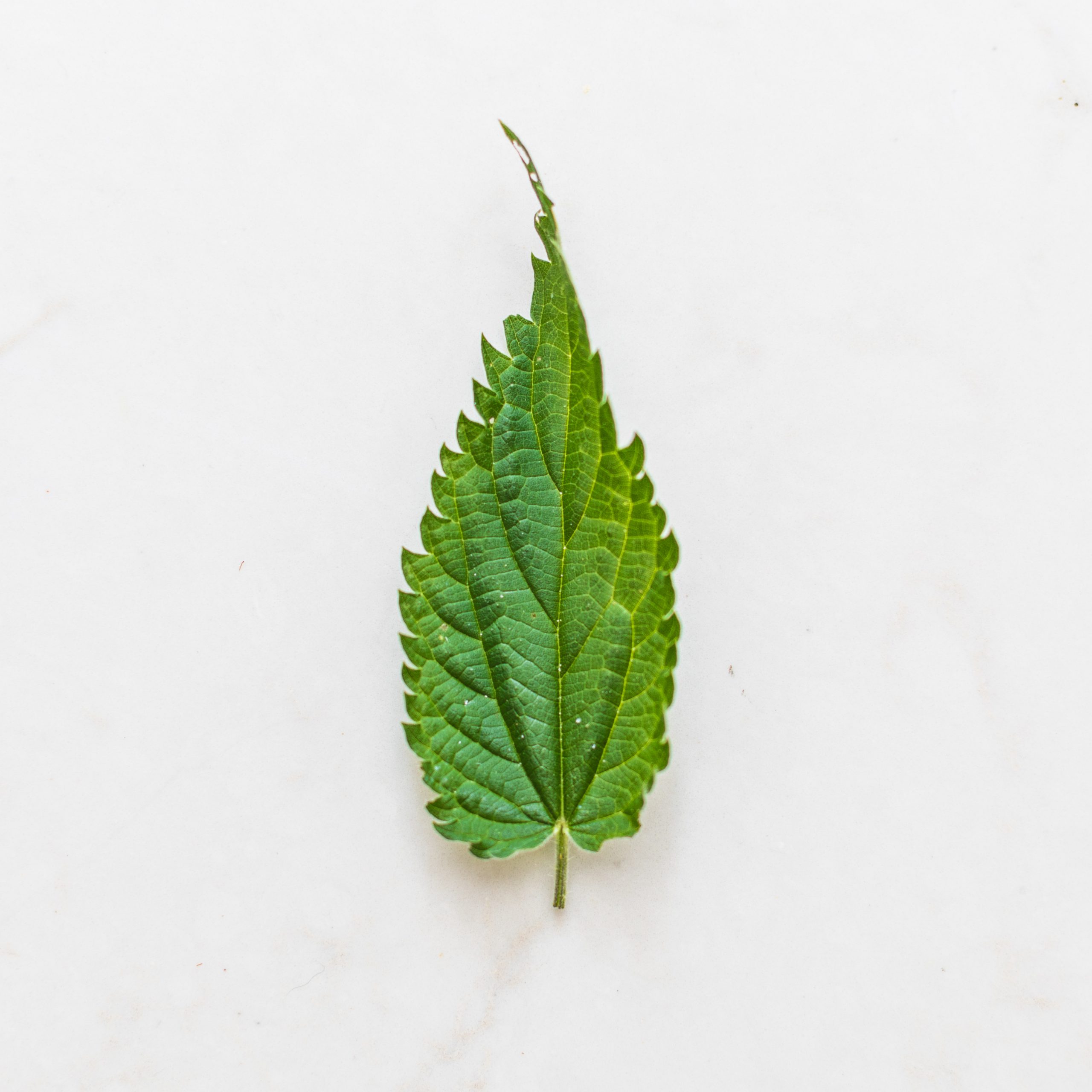
Wild plants usually contain a large number of very important nutrients. Here the rule applies: the more recalcitrant the weeds, the healthier! Therefore, don’t pull all the dandelions and nettles out of your garden, but give them their own field to harvest from. Without any effort, you can enjoy salad leaves (the dandelion), tea (the nettle) and soup or juice vegetables almost all year round.
Conclusion
We hope this article has inspired you to start eating more vegetables again. As you may have concluded, there are endless ways you can prepare and consume vegetables. They often have a deep flavor and bring variety and texture to your food. And, of course, after eating a meal with lots of vegetables, you just feel more delicious! And, if you don’t feel like all that cooking stuff, just throw them in the slow juicer, right?
Feed your body with 10 pounds of organic vegetables?
At Sapje, we love making delicious vegetable juices. Because everyone has different tastes, we have developed many different juice recipes. Because we also regularly collaborate with top chefs and health experts, you can now order as many as 16 different vegetable juices from us. This makes it easy to get the nutrients from as many as a hundred seasonal and local ingredients. This variety makes drinking our vegetable juices healthy. All the more reason, then, to order our colorful juice box containing all our slow juices.