
7 benefits of pumpkin soup for your health
For many people, a bowl of hearty pumpkin soup is best known as comfort food. But did you know that pumpkin soup also definitely qualifies as a superfood? After all, the big, orange fruit is rich in vitamins, minerals and antioxidants.
The pumpkin already has a long history as a popular food for people. For thousands of years, this large fruit has been grown and eaten with relish. Initially the pumpkin was eaten mainly in Central and South America, but since the sixteenth century it has also been part of the European diet.
It is possible that people have long known that in addition to being delicious, the pumpkin is also very healthy. In recent decades, more and more scientific evidence has come to light. In this article we list a number of proven health benefits of pumpkin (soup) for you and explain to which nutrients these benefits are due.
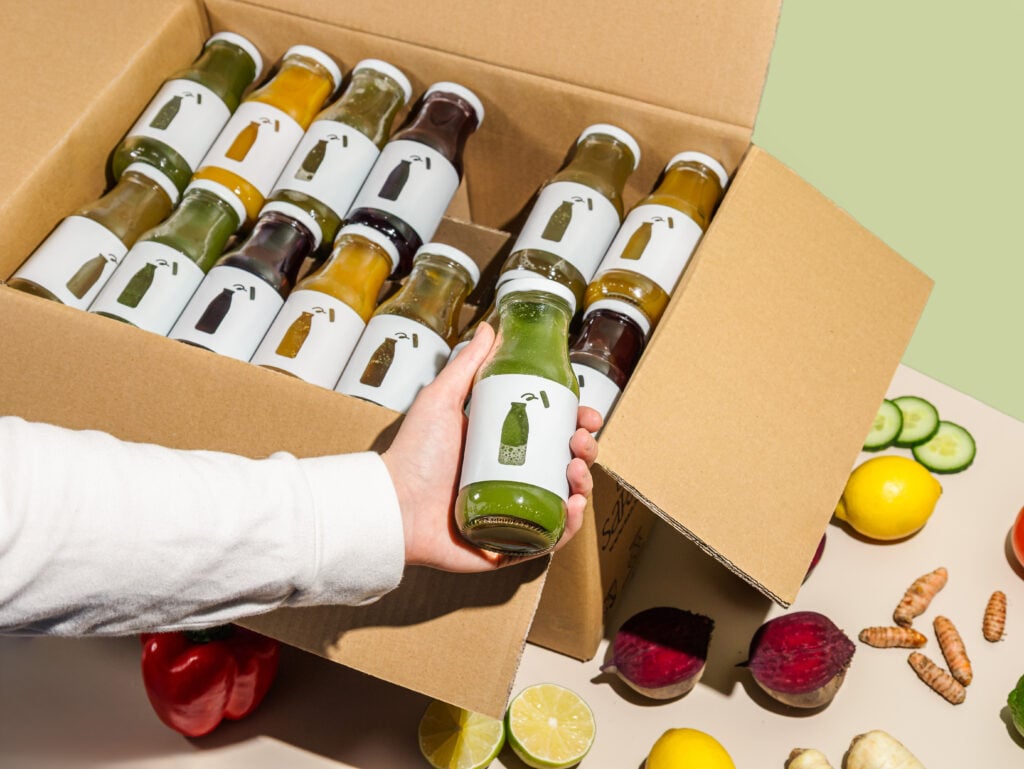
After reading this article about the health benefits of pumpkin soup, can’t wait to enjoy a fresh bowl of this orange wonder food yourself? Then you can get started right away with the delicious pumpkin soup recipe below. You can also easily order a soup cure from Sapje.
Read on to discover 7 impressive health benefits of pumpkin soup. For example, we tell you:
- how pumpkin soup supports your resistance
- why pumpkin soup is good for your skin
- how pumpkin soup is good for your iron balance
- Why pumpkin soup contributes to good eyesight
- why pumpkin soup supports your brain
- how pumpkin soup is good for your heart
- Why pumpkin soup boosts your energy metabolism
What nutrients make pumpkin soup so healthy?
Pumpkin (botanical name: cucurbita) belongs to the family Cucurbitaceae, which also includes cucumbers, zucchini and watermelon, among others. The pumpkin comes in several varieties, some of which are edible and others (such as gourds) are not. The round, orange pumpkin that you can often easily find in supermarkets in the Netherlands is very suitable for making pumpkin soup. The same goes for the bottle pumpkin, by the way.
An average pumpkin consists of about 94 percent water. As a result, pumpkin is not a huge calorie bomb. A 250-milliliter bowl of pure pumpkin soup contains only 78 calories. A nice amount of fiber does make pumpkin soup nice and hearty and satiating. Moreover, pumpkin is rich in several healthy nutrients. Some of these, such as several types of carotenoids found in pumpkin, become more absorbable when cooked(1).
Our pumpkin soup contains per serving:
- Vitamin A: 781 μg, 98% of daily value
- Vitamin C: 27 mg, 34% of daily value
- Copper: 0.3 mg, 30% of daily value
- Vitamin K: 20 μg, 27% of daily value
- Vitamin B1: 0.28 mg, 25% of daily value
- Manganese: 0.5 mg, 25% of daily value
- Potassium: 467 mg, 23% of daily value
- Iodine: 34 μg, 23% of daily value
- Folic acid: 39 μg, 20% of daily value
- Vitamin E: 2.2 μg, 18% of daily value
- Vitamin B5: 0.9 mg, 15% of daily value
- Magnesium: 51 mg, 14% of daily value
- Vitamin B6: 0.15 mg, 11% of daily value
- Calcium: 81 mg, 10% of daily value
- Phosphorus: 73 mg, 10% of daily value
- Vitamin B3: 1.5 mg, 9% of daily value
- Iron: 1.2 mg, 9% of daily value
- Vitamin B2: 0.04 mg, 3% of daily value
And smaller amounts of various other vitamins and minerals.
1. Pumpkin soup supports your immune system
Carotenoids in pumpkin soup
If you take a look at the impressive list of vitamins and minerals found in pumpkin, the amount of vitamin A probably stands out the most. You read that right: with 245 grams of cooked pumpkin, you get more than twice the recommended daily amount of vitamin A! This is due to the large amounts of carotenoids found in pumpkin, such as beta-carotene, alpha-carotene, cis-beta-carotene, lutein, lycopene and zeaxanthin. Beta-carotene is found in the greatest amounts in pumpkins, compared to the other carotenoids. Our bodies convert this little substance into vitamin A(2).
Vitamin A and your immune system
Many of the health benefits of pumpkin for various processes in the body are due to these carotenoids, but let’s start with beta-carotene/vitamin A. Vitamin A helps the immune system. In addition, this vitamin is good for the mucous membranes in your body, for example in your skin, lungs and intestines. Your mucous membranes form an important protective layer against unwanted substances in your body. Vitamin A is also good for your eyes and promotes the availability of iron from your body’s stores. As if that were not enough, pumpkin soup also contains nice amounts of vitamin C, a nutrient that also helps maintain a good resistance.
2. Pumpkin soup is healthy for your skin
Beta-carotene as internal skin care
In addition to your resistance, vitamin A (in the form of beta-carotene, among others) in pumpkin soup also supports your skin. For example, research shows that vitamin A contributes to the skin’s ability to repair itself and thus helps maintain the normal structure and function of your skin. So eating pumpkin soup regularly helps to take care of your skin from the inside out….
Vitamin C as sun protection
Another vitamin well represented in a bowl of pumpkin soup is vitamin C. Vitamin C also has more functions than just supporting your resistance. For example, another important job of vitamin C is to help your body trap free radicals. These are unstable substances that can damage healthy cells and tissues, also known as oxidative damage. Outside influences such as air pollution and UV radiation from sunlight can promote the formation of such free radicals, causing damage in your skin, among other things. So by getting enough antioxidants, such as vitamin C, through your diet, you can help protect your skin from the sun from the inside out.
As if that weren’t enough, you’ll also find quite a bit of vitamin E in pumpkin soup. This antioxidant is also known to protect against sunlight. So together, vitamin A, C, and E make for an ideal combination to keep your skin healthy. Because of this, you can almost call pumpkin soup a beauty food!
Vitamin C for the production of collagen
Vitamin C is also important for the production of collagen in your body(3). Collagen is an important structural protein in the connective tissues of your skin that, among other things, supports the firmness of your skin. Because of this, vitamin C helps strengthen your skin from the inside out. Collagen is also an important protein in your bones and cartilage.
3. Pumpkin soup increases iron absorption
The generous amounts of vitamins A and C found in pumpkin soup affect iron levels in your blood. Vitamin A is beneficial for iron metabolism, and vitamin C promotes the absorption of iron into the blood. Iron is involved in the formation of red blood cells and hemoglobin in your body, thus contributing to normal oxygen transport in your body. Because vitamins A and C promote the absorption of iron from your diet, they help increase iron levels in your blood.
4. Pumpkin soup is good for your eyesight
You’ve probably heard someone (your grandmother or mother perhaps?) say that eating carrots is good for your eyes. That’s right; and the same goes for eating pumpkin soup! Both carrots and pumpkin have a bright orange color. This is caused by the carotenoids found in both. Some of these, especially beta-carotene, are converted in the body to vitamin A. Vitamin A is known for its supporting function for your eyesight. For example, this vitamin helps you stay sharp in the dark and supports normal moisture balance in your eyes.
5. Pumpkin soup supports your brain
Did you know that the vitamin C in pumpkin soup also contributes to various brain functions? Among other things, this vitamin is good for your concentration, memory function and learning performance. So be sure to have a nice bowl of pumpkin soup when you are studying for an important exam or during a busy (home) work day!
6. Pumpkin soup for your heart and blood vessels
Our organic pumpkin soup is also a very good source of vitamin B1. This comes in handy, as this vitamin can actually support the function of your heart. In addition, the generous amount of potassium from pumpkin soup can help keep your blood pressure good and vitamin C contributes to maintaining strong and supple blood vessels. So together, these 3 nutrients form a pleasant combination to give your heart and blood vessels extra support.
7. Pumpkin soup supports your energy metabolism
Do you have experience making pumpkin soup? Then you’ve probably noticed that this soup is often nice and thick and fibrous. Thanks in part to that fiber, pumpkin soup is quite nutritious. Plus, the vitamins B1 and C from pumpkin soup boost your energy metabolism, supporting your energy levels. Below is a delicious recipe for a tasty and naturally healthy pumpkin soup!

Make your own: Antioxidant-rich pumpkin soup recipe with spice
Would you like to make your own fresh pumpkin soup? That is an excellent way to take advantage of the many health benefits of pumpkin soup. Butchering a pumpkin like this is a bit of a chore, but fresh pumpkin soup is generally much richer in healthy nutrients than pumpkin soup you can buy at the store. Plus, it tastes better, too! Below is an easy recipe for pumpkin soup with extra antioxidant-rich additions, such as sweet potato, tomato, bell bell pepper and various spices.
Here’s how to make your pumpkin soup recipe even healthier
This recipe contains other healthy ingredients besides pumpkin. By doing so, you significantly increase the already impressive amount of antioxidants in pumpkin soup. First, the sweet potato provides extra beta-carotene and a creamier whole. Thanks to the tomatoes, for example, you get a nice dose of lycopene. The antioxidants vitamins C and E are also abundant in cooked tomatoes. By the way, you can read more about the health benefits of tomato soup here.
Peppers are also particularly rich in vitamin C, so this soup is an excellent supporter of your immune system. The ingredients onion, garlic, cinnamon, cayenne pepper, chili powder and turmeric also provide a lot of additional nutrients. Among other things, black pepper helps your body absorb beta-carotene and curcumin from the turmeric. Ideally, also add a dash of olive oil to the soup. That, too, promotes beta-carotene absorption, according to research(4). Cooking and mashing your pumpkin for this soup also improves the absorbability of this nutrient. If that doesn’t make a healthy soup!
This easy recipe makes about 4 servings of fresh pumpkin soup. So you can enjoy it several times, or with several people. If necessary, freeze some for later. This is an excellent way to preserve freshness and nutrients naturally.
Supplies for your pumpkin soup (4 servings)
- 500 grams of organic pumpkin
- 400 grams of tomatoes (e.g. roma)
- 1 sweet potato
- 1 red bell bell pepper
- 2 onions
- 2 cloves of garlic
- ¼ teaspoon chili powder
- ¼ teaspoon cayenne pepper
- ½ teaspoon cinnamon
- 1 teaspoon organic paprika
- 1 liter of water
- sea salt/himalayan salt or herbal salt to taste
Preparation:
- Peel and chop the onions
- Peel and chop the garlic
- Wash the pumpkin briefly. Cut the pumpkin in half and remove the seeds (save them for roasting and serving with the soup if necessary, see additional tip below). Then cut the pumpkin into smaller cubes
- Wash the tomatoes and cut into wedges
- Wash the bell bell pepper, remove seeds and stalks and cut into small pieces
- Bring 1 liter of water to a boil
- Fry the onions and garlic in some oil.
- Add the onions, garlic, squash and bell bell pepper to the boiling water
- When the squash is almost soft enough to mash, add the tomatoes
- Puree until you have a nice, thick soup, without bits
- Now do not let the soup boil, but do keep it hot on a low heat
- Add the turmeric, cayenne pepper, chili powder, paprika and cinnamon
- Season to taste with pepper and sea salt/himalayan salt or herbal salt
- Add another dash of olive oil
- Enjoy!
Extra tip: roast pumpkin seeds!
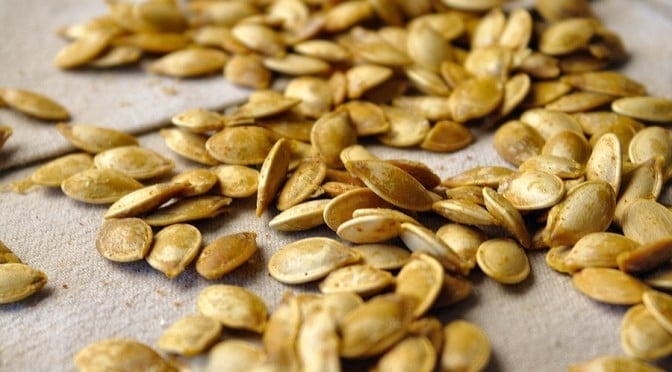
Did you know that pumpkin is officially counted among fruits because pumpkins have seeds? You can also eat these pumpkin seeds. They are very tasty and nutritious, just like the fruit itself. You can buy them at the store, of course, but keep them especially if you are going to make your own pumpkin soup. If you boil them briefly and then roast them, they become delicious and healthy snacks! Pumpkin seeds, for example, are rich in healthy fatty acids and minerals such as magnesium and zinc. If you leave the white husks on, you also get a nice portion of healthy fiber.
This is how you roast the pumpkin seeds:
- Remove the leftover pulp.
- First boil the kernels for 15-20 minutes in a pan of water with some salt.
- Heat your oven to 200 degrees
- Place the pumpkin seeds on a baking sheet, without baking paper. Be sure to leave enough space between the kernels.
- Roast the pumpkin seeds in the oven for another 15-20 minutes, adding some salt if necessary.
No time to make your own pumpkin soup?
Is making your own pumpkin soup too time-consuming for you? Then, of course, you can order pumpkin soup. Our own organic pumpkin soup contains nothing but the best from healthy, local ingredients, including, of course, pumpkin, sweet potato, carrot, ginger, coriander and cumin.
Order it easily online and specify when we can deliver the pumpkin soup to your home. At checkout, choose the time that suits you best. We will then come by with the freezer truck and deliver the pumpkin soup to you frozen.
By freezing our products, we can preserve their freshness and valuable nutrients in a completely natural way. We then do not need any other preservatives! All you have to do after receiving it is to let the soup defrost briefly and then heat it up in a pan. It can be that easy to enjoy delicious, fresh and above all healthy pumpkin soup!
Below are the most frequently asked questions about pumpkin soup
Is pumpkin soup good for losing weight?
Yes, pumpkin soup is a responsible choice if you want to lose weight. Our organic pumpkin soup is low in calories, rich in fiber and packed with natural nutrients such as vitamins A, C and potassium. The soup provides a long-lasting satiated feeling and fits well within a healthy and balanced diet. Ideal as a light meal or snack!