








The impact of healthy eating on your body
That healthy eating is important is, of course, something you have long known. Yet for many people this is still very difficult. But what are the benefits of eating healthy? And what is the impact of healthy eating on your body? You will be surprised how many ways food can contribute to your health. In this blog we will tell you more about the positive effects of healthy food and how you can notice that you are eating healthy.
More energy
By eating healthy, you can support your energy levels. When you eat or drink something, your body goes to work to get usable energy from it. To feel energetic, not only do you need to get enough energy, but the quality of your food is also important. This is because you also need vitamins and minerals to release the energy from your food. These include the B vitamins and the minerals iron, calcium, copper and magnesium. These nutrients all contribute to the release of energy from your food.
For example, iron plays a role in the activity of certain enzymes involved in your energy metabolism (1). You can find a lot of iron in meat, fish, beans, nuts, spinach, turnip greens and kale. B vitamins are found in many different foods, such as (whole grain) cereals, meat, fish, dairy, vegetables and fruits (2).
By eating healthy, especially unprocessed and varied foods, you ensure that you get enough of all the important vitamins and minerals. In this way, you can support your energy levels.
Healthy skin
You probably don’t give it much thought, but your skin is a complex organ with many different functions. It acts as a barrier against outside influences, helps regulate your body temperature, functions as a shock absorber and so on (3). It is also important to eat well to keep your skin healthy. For example, vitamin C is important for the formation of collagen. This is a structural protein that helps strengthen the skin from the inside out. Vitamin C is especially abundant in fruits and vegetables, such as red peppers, red beets, Brussels sprouts red cabbage, broccoli, mango and lemon.
Other vitamins and minerals that help keep your skin healthy are vitamin A, vitamin B2, vitamin B3, copper, iodine and zinc.
Supporting your immune system
A good immune system helps protect your body from outside invaders. Healthy eating can also lend a hand here. There are an awful lot of vitamins and minerals that play a role in the functioning of your immune system. Vitamin C, zinc and vitamin D are perhaps the best known. But vitamin A, B6, B12, folate and the minerals iron, copper and selenium also have a positive influence on the functioning of your immune system.
Feel good
If you eat healthy, you will also find that you are more comfortable in your own skin. There are several reasons for this, including all the points we mentioned above. But healthy eating can even have a direct positive effect on how you feel. Here again, vitamins and minerals play a role. Biotin, folate, magnesium and vitamins B1, B3, B5, B6, B12 and vitamin C are all good for your mood, concentration and memory. Folate also contributes to your resistance to stress. To get all these nutrients, it is of course important to eat a healthy and varied diet. For example, folate is found in spinach, romaine lettuce and oranges, while magnesium is found in cocoa, samphire and almonds.
Enjoying sports
Good nutrition is also super important in combination with sports. If you don’t have enough energy available, you can’t put on your best performance. Moreover, eating well after exercise helps your body recover properly. For this purpose, among other things, it is important to eat enough protein. Proteins help recover and build your muscles after exercise. Proteins are found mainly in meat, fish, dairy, egg, legumes, tofu and nuts. We also have a high-protein
Learn more about what’s best for you to eat and drink before, during and after exercise. Healthy smoothies can also help you recover after a hard workout.

Also try our healthy juices
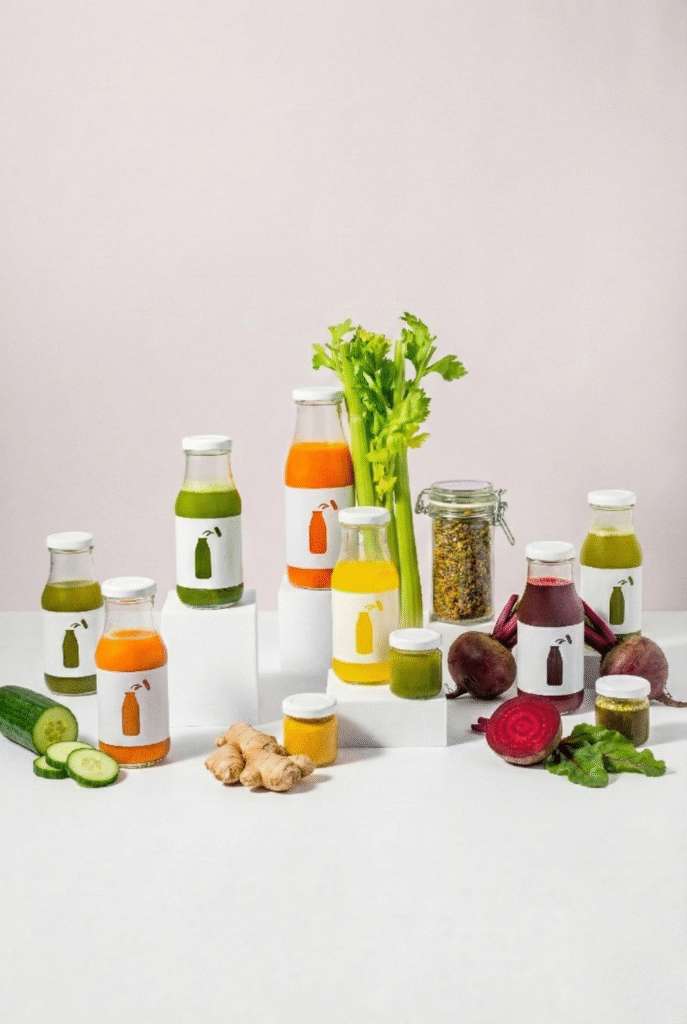
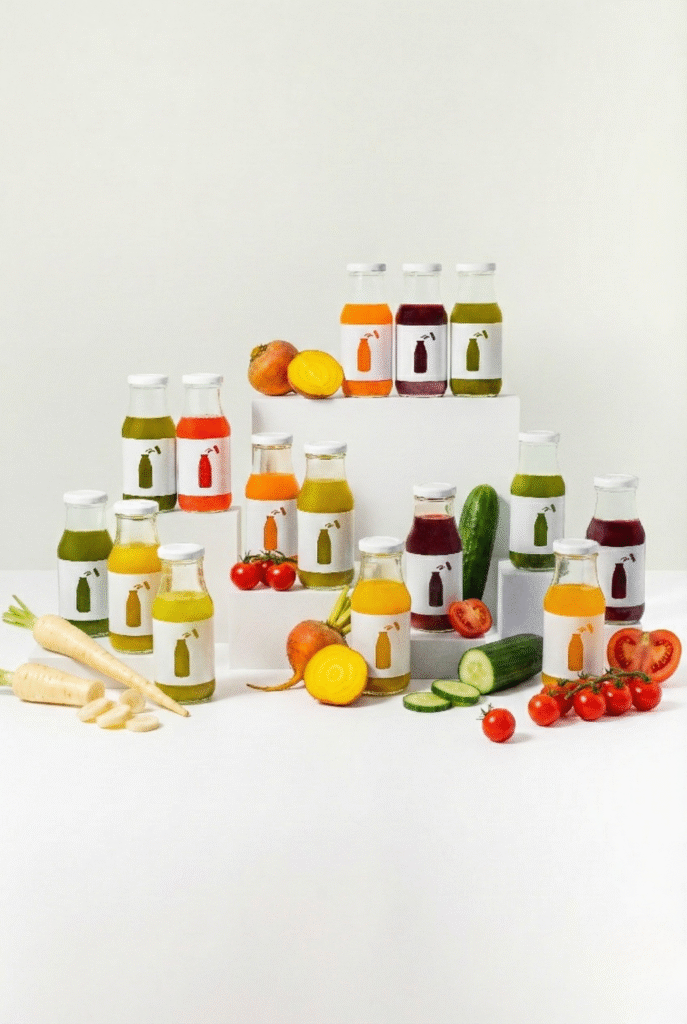
Vegetables are an incredibly important part of a healthy diet. They are bursting with vitamins and minerals that your body needs to stay healthy and fit. Yet few people eat enough vegetables daily. On average, the Dutch eat only 131 grams of vegetables per day (4). So there is a lot to be gained here!
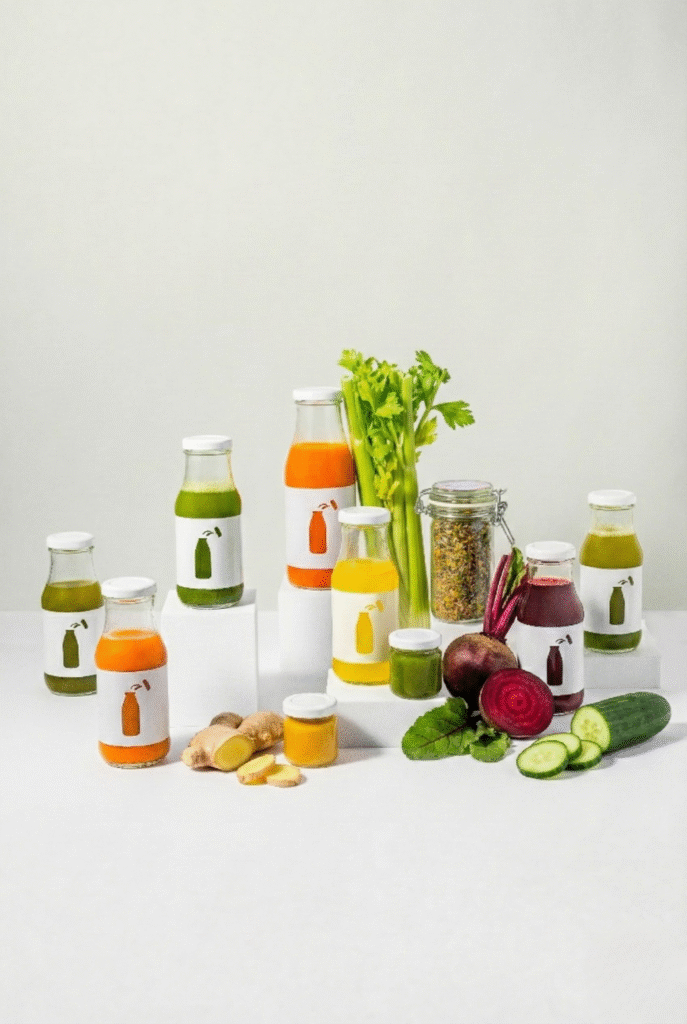
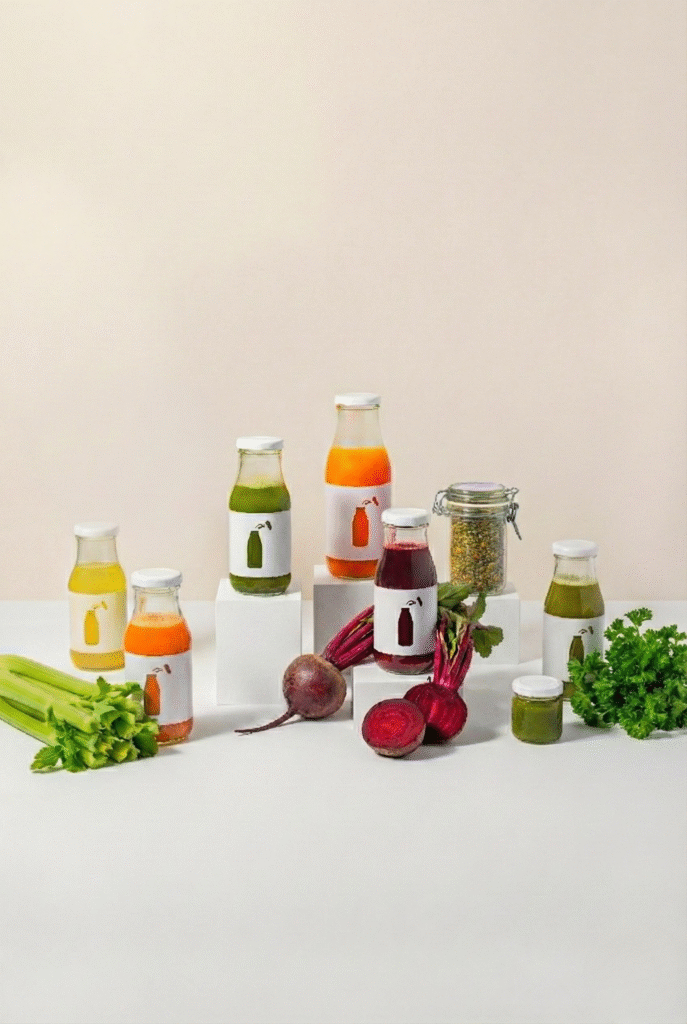
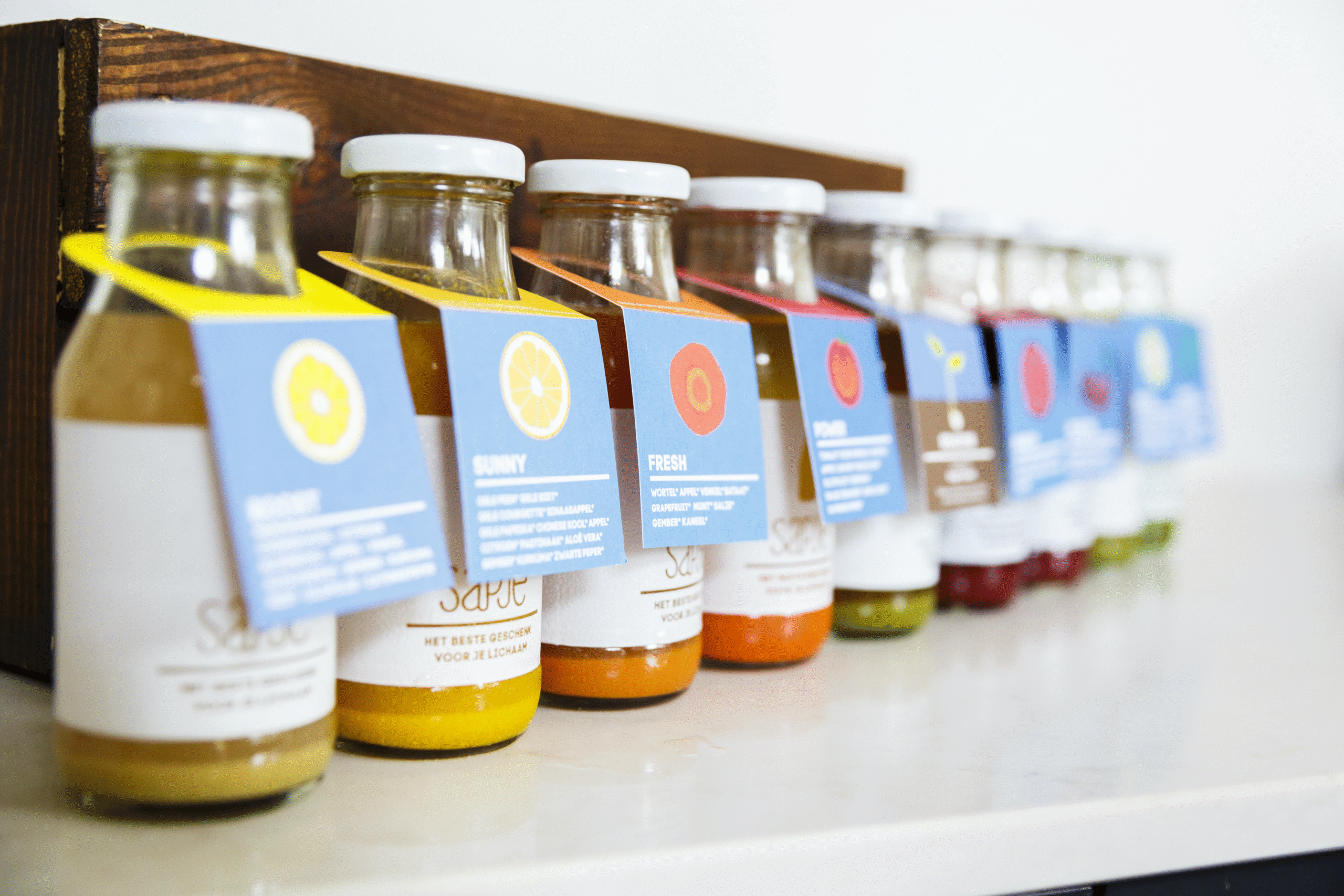
To give you a hand, at Sapje we carry a variety of vegetable juices packed with vitamins and minerals. In addition to juices, we also have shots, detox cures, soups and smoothies. All full of fresh and organic vegetables! Perfect for increasing your daily vegetable intake in an easy way.
Resources
- Abbaspour, N., Hurrell, R., & Kelishadi, R. (2014). Review on iron and its importance for human health. Journal of research in medical sciences: the official journal of Isfahan University of Medical Sciences, 19(2), 164.
- NEVO-online version 2021/7.0, RIVM, Bilthoven.
- Venus, M., Waterman, J., & McNab, I. (2010). Basic physiology of the skin. Surgery (Oxford), 28(10), 469-472.
- RIVM (2017), Food Consumption Survey 2012-2016. Vegetables. Accessed December 24, 2022.