When you are enjoying sports, of course you want to feel fit and energetic. Nutrition provides you with the energy you need during exercise. But what is best to eat and drink before and after exercising? Is it necessary to eat something while exercising? And are supplements necessary? In this blog, we’ll tell you about it and give you some practical tips so you can get the best out of your sports performance!
A healthy foundation
Whatever your level or sport, a good foundation is always the most important thing. By eating healthy on a daily basis, you ensure that your body gets enough of all the important nutrients. Good guidelines for this are (1):
At least 250g of vegetables daily
Daily 2 servings of fruit (200g)
Choose mostly whole grain cereal products
Choose legumes, nuts and fish regularly
Eat less processed or red meat
Choose mostly unprocessed foods
Watch your salt intake
Preferably drink water, tea or coffee without sugar
When you exercise 2 or more times a week it is good to take this into account in your diet. You will need more energy and fluids. It is also good to watch your carbohydrate and protein intake. The best way to do this is explained below.
Eating before exercise
Before you exercise, you want to replenish your energy stores as far as possible. You do this by eating a good meal 2-3 hours before exercise. This will give your body enough time to absorb the energy.
Carbohydrates
Carbohydrates are the main fuel for your body during exercise (2). Your body can convert the carbohydrates you get through your diet into glycogen and then store them in your muscles and liver.
By eating enough carbohydrates before exercising, you ensure that the carbohydrate stores in your body are filled to the maximum.
Meal 2-3 hours before exercise
So make sure the base of the meal you eat 2-3 hours before exercise is carbohydrates, supplemented with protein and healthy fats. Below are some examples of good meals to eat 2-3 hours before exercise:
Sandwiches with egg, peanut butter or hummus
Pasta with tomato sauce
Oatmeal with fruit
Rice with chicken or tofu
It is also important to drink enough before exercise. Try to get about half a liter (500 ml) of fluid at meals(3).
Snack just before exercise
Just before exercising, it’s best not to eat a large meal. Exercising on a full stomach can cause gastrointestinal problems. No one wants that. If you are still hungry just before exercising, you can choose a small easily digestible snack with mainly carbohydrates, such as:
Banana
Dried fruit, such as dates or raisins
Sandwich with fruit spread
Rice or corn wafers
Exercising on an empty stomach
Exercising on an empty stomach is a popular topic these days. Yet we advise against it. When you don’t eat prior to exercising, you have less energy available during exercise. Your carbohydrate stores are not maximized. This can cause you to be able to give less during exercise and also not last as long. When exercising more intensively, you will definitely notice this. If you like to exercise sober, this is also fine. Just keep in mind that you might be tired a little faster and make sure you eat enough afterwards.
Eating while exercising
If you exercise for less than 1.5 hours, it is usually not necessary to eat anything else during exercise (4). Drinking only water is then sufficient.
Do you exercise for longer than 1.5 hours? Then it is recommended to take extra carbohydrates during exercise (4). Choose something easily digestible, low in fiber and fat, so your body can absorb the carbohydrates quickly. Good options include:
Banana
Dates
Isotonic sports drink
Energy gel
(Homemade) rice cake
Drink
During exercise, you lose extra fluids by sweating. It is therefore important to keep drinking well during exercise, especially when you exercise for longer than 1 hour. After exercise, you can check whether you have drunk enough via the color of your urine. Is it very dark? Then this is a sign that you should drink more next time.
Eating after exercise
Try to eat a good meal within a few hours of exercising. This could be your lunch or dinner, for example. In doing so, make sure the meal contains a combination of:
Carbohydrates (e.g., pasta, rice, potato)
Protein (e.g., chicken, egg, tofu, legumes)
Healthy fats (e.g. olive oil, nuts, avocado)
Vegetables (important for vitamins and minerals)
Carbohydrates
By eating carbohydrates after exercise, you ensure that the glycogen stores in your muscles and liver are replenished (2). This way, your body will also have enough energy available for the next workout.
Protein
Protein is important for recovering and building your muscles after exercise. Try to get about 20-40g of protein after a workout (2). Also during the rest of the day, it is good to make sure to eat something protein every 3-4 hours.
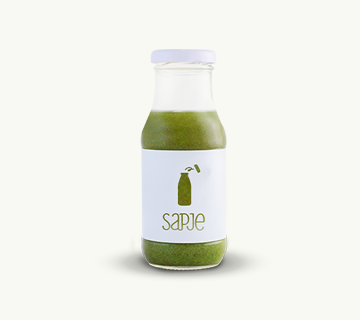
Tip: For example, have our delicious Protein smoothie with 19g of protein per bottle with your breakfast or lunch!
Protein before sleeping
Before sleeping, you can choose to eat another bowl of cottage cheese (250g) to support your muscle recovery during the night. Quark contains specific proteins (casein proteins) that your body absorbs slowly.
Do you need supplements?
In principle, a healthy basic diet is sufficient and you do not need extra food supplements(3). When you eat a healthy and varied diet you get enough of all vitamins and minerals. Tip: Sapje’s juices and shots can make a nice contribution to your daily intake of healthy nutrients!
However, you may want to consider taking a vitamin D supplement during the dark fall and winter months. In addition, the recommendation is to take a vitamin B12 supplement if you eat vegan(5).
Conclusion
At the end of the day, a healthy base is always the most important thing for a good sports performance. In addition, if you exercise several times a week, you can pay attention to the amount of carbohydrates and protein you consume to provide additional support for your energy levels and muscle recovery. But also remember: everyone is different. The above are only guidelines. Test what works and feels right for you. After all, that’s the most important thing!
Sources:
Health Council. (2015). Guidelines for good nutrition 2015.
Kerksick, C. M., Arent, S., Schoenfeld, B. J., Stout, J. R., Campbell, B., Wilborn, C. D., … & Antonio, J. (2017). International Society of Sports Nutrition position stand: nutrient timing. Journal of the international society of sports nutrition, 14(1), 33.
Burke, L. M., Hawley, J. A., Wong, S. H., & Jeukendrup, A. E. (2011). Carbohydrates for training and competition. Journal of sports sciences, 29(sup1), S17-S27.
The beginning of a new year is the time for many people to make a fresh, healthy start. Have you made good resolutions for a healthy lifestyle? Then you are not the only one. As many as 80% of the Dutch have one or more resolutions at the beginning of the year (1). Living healthier is one of the most important goals. However, it is often difficult to keep these resolutions. In this blog we tell you what you can do to make your life healthier and how you can make sure you keep your resolutions.
Make a plan
Changing your behavior is difficult, especially when it comes to healthier living. therefore, in order to keep up your good resolutions for a healthy lifestyle, it is important to get it right. By setting achievable goals and making a concrete plan, the chances of success are much greater. In addition, it is important that you really want it. A useful tool is to make an if-then plan (2). This is a concrete plan in which you describe when, where and what/how you are going to achieve your goal. If situation X occurs, I will do Y.
For example, “If I sit on the couch in the evening and get hungry, I eat a piece of fruit.”
When: In the evening when I get a craving
Where: On the couch
What/how: I eat a piece of fruit
Because your plan is already laid out, you don’t have to think about what you’re going to do at the moment. This allows you to execute your plan on autopilot and increases your chances of success. Start with a small change each time and work toward a healthier lifestyle step by step.
Healthy resolutions
Now you know how to make sure your healthy lifestyle resolutions don’t fail before January ends. Many people try a detox or start yet another diet. But what resolutions can you actually make to make your lifestyle healthier? A healthy lifestyle is a collection of many different factors. Nutrition and exercise, but also sleep and relaxation, for example. Below we give you 6 tips to make your life (even) healthier.
1. Nice exercise
Getting enough exercise is an essential part of a healthy lifestyle. Not only is it important to keep your body healthy, but the substances released during exercise also contribute to your mental health. This does not mean that you have to hit the gym every day. Taking a nice walk with the dog, cleaning the house or working in the garden, for example, also count as exercise. Any form of exercise already has a positive effect (3).
Do you resolve to do more exercise or sports? Then choose something you really like, so that it is easier to keep up. Make a concrete plan. For example, agree with yourself that from now on you will always do your (small) shopping by bike or ask a friend to go to the gym together every Saturday morning at 10:00 am.
2. Eat consciously
Healthy eating helps you stay fit and healthy. By consciously thinking about what you eat and drink, you ensure that you are getting all the important nutrients. The basis of a healthy diet consists of (4):
At least 250g of vegetables daily
Daily 2 servings of fruit (200g)
Choose mostly whole grain cereal products
Choose legumes, nuts and fish regularly
Eat less processed or red meat
Choose mostly unprocessed foods
Watch your salt intake
Preferably drink water, tea or coffee without sugar
The occasional cookie or piece of cake is, of course, fine. The most important thing about a healthy diet is that you can stick with it. Do you want to eat healthier? Then make a clear plan of action with achievable small steps. For example, if your goal is to eat more vegetables, you could agree with yourself to drink a green smoothie with your breakfast every morning. Your if-then plan is then as follows: If I have breakfast in the morning, I will drink a green smoothie with it. Of course, you can continue to snack as long as you do so with healthy snacks.
3. Less stress
You probably know that too much stress is not good for your health. Yet with our current busy lives, reducing stress is often easier said than done. A healthier lifestyle is a good first step to reducing stress symptoms. Furthermore, you can use the following tips to create more relaxation in your life:
Make time for things you enjoy more often
(Re)discover new hobbies
Get out into nature
Read a book
Ensure regularity in your day
Try meditation. There are several good (free) apps you can use for this.
Maintain social contacts, for example, meet with friends more often or join an association or club
Go to bed on time
Make sure your home is tidy
When stress symptoms interfere with your daily life, do not hesitate to seek help. This can be done through your primary care physician.
4. Get enough sleep
You probably recognize it: after a night with little sleep it is harder to concentrate, you feel lethargic and your mood is not at its best either. Sleeping well is an important part of a healthy lifestyle. It not only makes you feel energetic, but sleep is also essential for many important processes in your body, such as your memory function, the functioning of your immune system and the processing of emotions (5).

Sleeping well starts with good sleep hygiene. The following tips can help you sleep better (6,7):
Go to bed around the same time every day and also get up around the same time
Get 7-9 hours of sleep per night
Don’t take naps during the day
Do not drink coffee or other substances containing caffeine in the evening
Exercise regularly
Do not drink alcohol before sleeping
Try to relax an hour before you go to sleep, such as by reading a book or taking a bath
Provide a dark room with a comfortable temperature
Avoid noise, use earplugs if necessary
Do not use screens starting one hour before bedtime (phone, laptop, etc.)
5. Handle alcohol consciously
Try to moderate your alcohol consumption and stick to a maximum of one glass of alcohol per day. Drinking alcohol is not good for your health. It increases the risk of illness and also reduces your sleep quality (4,8).
An if-then plan can also help when cutting down on alcohol. For example, agree with yourself: When I arrive at the party, I will have a glass of soda or water.
6. Less meat
Meat can certainly fit into a healthy diet. It provides several beneficial nutrients, such as protein, B vitamins and iron. However, eating too much processed and red meat can be detrimental to your health (4). In addition, meat production has a major impact on the environment. So by eating meat less often and choosing substitutes like legumes and nuts more often, you are doing both yourself and the earth a favor! We created 8 healthy and quick recipes including a few without meat.
Gollwitzer, P. M., & Sheeran, P. (2006). Implementation intentions and goal achievement: A meta-analysis of effects and processes. Advances in experimental social psychology, 38, 69-119.
Health Council. Exercise Guidelines 2017. The Hague: Health Council of the Netherlands, 2017; publication no. 2017/08.
Health Council. (2015). Good nutrition guidelines 2015.
Mukherjee, S., Patel, S. R., Kales, S. N., Ayas, N. T., Strohl, K. P., Gozal, D., & Malhotra, A. (2015). An official American Thoracic Society statement: the importance of healthy sleep. Recommendations and future priorities. American journal of respiratory and critical care medicine, 191(12), 1450-1458.
Irish, L. A., Kline, C. E., Gunn, H. E., Buysse, D. J., & Hall, M. H. (2015). The role of sleep hygiene in promoting public health: A review of empirical evidence. Sleep medicine reviews, 22, 23-36.
Caddick, Z. A., Gregory, K., Arsintescu, L., & Flynn-Evans, E. E. (2018). A review of the environmental parameters necessary for an optimal sleep environment. Building and environment, 132, 11-20.
Koob, G. F., & Colrain, I. M. (2020). Alcohol use disorder and sleep disturbances: a feed-forward allostatic framework. Neuropsychopharmacology, 45(1), 141-165.
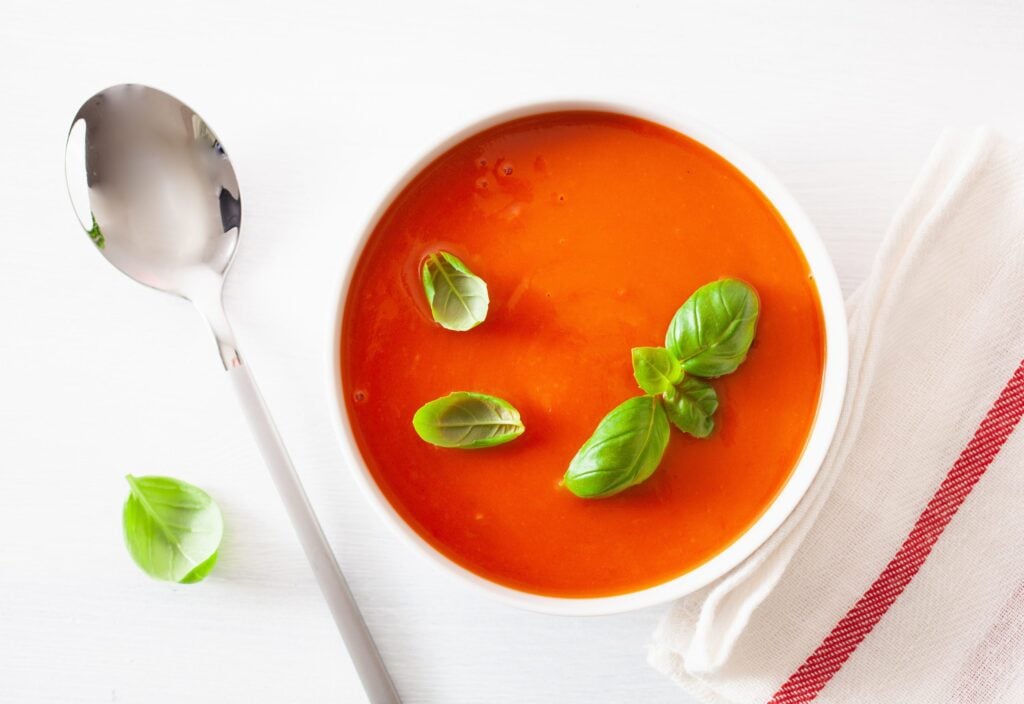
You can go in any direction with soup. From a nice warm pumpkin soup on a cold winter day, to a fresh gazpacho in the Spanish sun. Bright or creamy, nice and simple or rich, starter or main course. Because of the endless possibilities, everyone has a favorite soup. But is soup really healthy? And what are the benefits of healthy soup? We will tell you all about it in this article.
What is a healthy soup?
Soup can fit very well into a healthy diet. In fact, you can easily get a lot of vegetables with soup. A good bowl of vegetable soup quickly provides you with 100 grams of vegetables. This is almost half of the recommended daily intake of 250 grams of vegetables. Soup is also very filling and contributes nicely to your fluid intake.
But not all soups are equally healthy. How healthy a soup is depends on its ingredients. Soups with a lot of cream, salt, sugar or fatty meat are usually not so healthy. On the contrary, a healthy soup contains many ingredients such as:
Vegetables
Legumes, such as lentils or beans
Herbs and spices
Complex carbohydrate sources (potato, whole-wheat pasta, brown rice)
Vitamins and minerals in soup
Thanks to the vegetables, legumes, herbs and spices, you quickly get a lot of healthy vitamins and minerals in your soup. For example, these vitamins and minerals are important for your resistance, energy metabolism, concentration and muscle function.
When preparing foods, vitamins can be lost. For example, think of the green water when you cook broccoli. You then lose vitamins to the cooking liquid, which you then often flush down the drain. A big advantage of soup is that you preserve all the moisture. As a result, you lose a lot less nutrients. In addition, heating makes some nutrients more absorbable for our body. Think, for example, of beta-carotene, which is found a lot in orange vegetables, such as carrot and bottle squash(1).
Of course, when you make your own soup, you can make it as healthy as you like. Here are some helpful tips.
Use lots of vegetables
By using lots of vegetables, you ensure that your soup is packed with healthy vitamins, minerals and fiber. In addition, vegetables make the soup extra filling and add lots of flavor and texture.
Season with herbs and spices
Herbs and spices are great for adding more flavor to your homemade soups without having to use a lot of salt. Moreover, they also contain many healthy nutrients. For example, choose cumin, parsley or fresh basil.
Choose your ingredients smartly
The best advice for making a healthy soup is to make sure vegetables remain the main ingredient. But, of course, you can certainly add all kinds of other ingredients. Choose things you like, but above all, think about what kind of soup you want to make. Do you want a hearty soup? Then make a soup with lentils or potatoes, for example. Do you want more protein in your soup? Then pieces of meat, fish or an egg are also a great option. A small splash of cream can also be added if you like, but don’t overdo it.
When the soup is heated, some vitamins may be partially lost. Vitamin C and folic acid are especially susceptible to this(2). By not cooking the soup too long, you ensure that as much vitamin C and folic acid as possible is preserved. Fortunately, the other vitamins and minerals are retained a lot better.
Is ready-made soup also healthy?
Extra salt, sugar and/or cream is often added to ready-made soups from a bag or can. You also regularly come across processed meat in ready-made soups. Think for example of pea soup with smoked sausage or tomato soup with meatballs. Of course this can be very tasty for a change, but to have this as a standard part of your diet is usually not the best choice.
Soups from Sapje
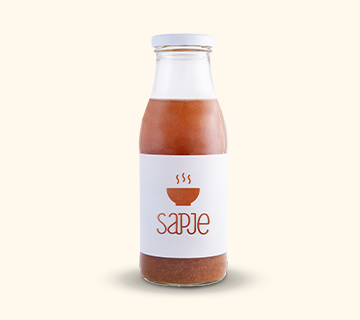
Of course, you can go ahead and make delicious healthy soups yourself. But you may not always have time for this or feel like it. At Sapje we have several healthy vegetable soups in our assortment. Our soups are always packed with vegetables and thus provide you with a lot of healthy nutrients. The 100% organic ingredients are carefully chosen and each soup is deliciously flavored with the best herbs and spices. Below is a list of our healthy soups:
Good news!!! We have now added two more delicious soups to our range. The red bell pepper soup has a warm sweet taste and a slightly spicy character thanks to the addition of the special aromatic pepper Piment d’Espelette. Our new cauliflower soup is a perfect warm-up for your body. The cheerful yellow color immediately catches your attention, and when you open the bottle, the delicious scents of the herbs and spices immediately meet you.
Soup cure
Do you want to use soups to let go of your old unhealthy habits and work toward a new lifestyle with healthy habits? Then our detox soup cure is for you. During the soup cure, you are consciously working on your daily diet for three days. It is an accessible way to step out of your normal pattern. Read more about our 3 day soup cure here.
What is the healthiest soup?
The healthiest soup is one made from pure, organic vegetables, rich in fiber, vitamins and minerals – without unnecessary additives like cream, sugar or preservatives. At Sapje, we make our soups with the same care and quality as our juices: 100% natural and full of nourishing ingredients like tuberous vegetables, herbs, spices and superfoods, good thing!
Is eating soup every day healthy?
Yes, eating soup every day can be healthy, as long as it has a balanced composition. Vegetable soup is an easy way to get lots of vegetables. Just be careful to avoid soups with lots of salt, cream or flavor enhancers. Variety and plenty of other high-fiber, solid foods remain important.
Can soup replace a meal?
Certainly, soup can be a full-fledged meal, provided it contains enough nutrients. For example, add protein (such as lentils and tofu), healthy fats (olive oil, avocado) and complex carbohydrates (quinoa, beans or whole grain cereals). So a well-filled soup can replace lunch or dinner just fine.
Which soup is good for losing weight?
A vegetable-rich, clear soup without cream or white paste is ideal while losing weight. For example, the soups from that we have at Sapje!
Which soup is good for the gut?
Soups with fiber-rich vegetables, bone broth, and fermentation-promoting spices (such as ginger, turmeric, or fennel seeds) are gentle on your digestion.
Smoothies have a healthy image. After all, the colorful, creamy thirst-quenchers are bursting with fruits and vegetables. But are smoothies really that healthy? They certainly don’t always have to be! In fact, whether a smoothie is healthy varies quite a bit. How you can find out for yourself whether a smoothie is healthy and what are good moments to drink (or eat) a smoothie, you can read in this article!
What is healthy anyway?
Let’s start at the beginning. What is “healthy” anyway. On its own, you can’t say directly whether a product is healthy or not. It always depends on how much and how often you eat something. Your total diet and lifestyle ultimately determine whether something is “healthy” for you at that moment.
The composition of a healthy smoothie
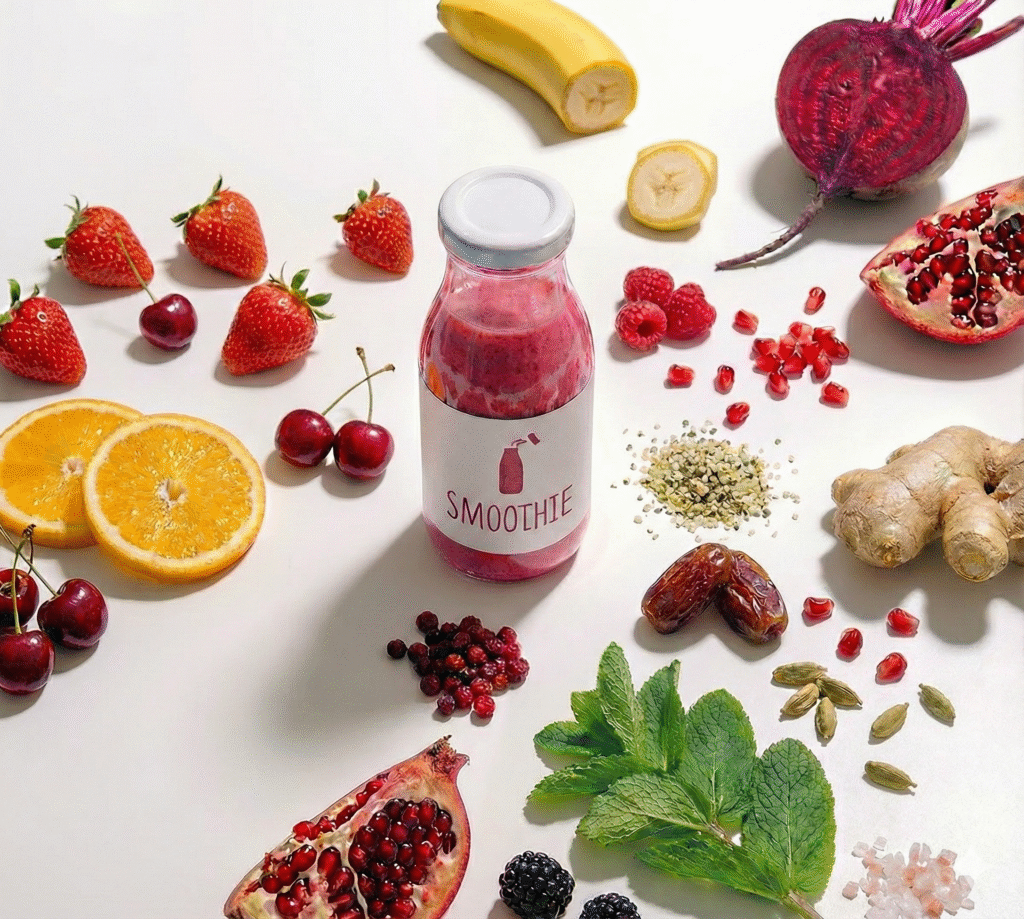
Smoothies come in all shapes and sizes. The base usually consists of fruit and more is often added. Examples include vegetables, nuts, seeds, grains and dairy, as well as sugar and cream. Therefore, the nutrients in a smoothie vary greatly.
Sapje from concentrate
Many ready-made smoothies are made from juice from concentrate. In this process, much of the water is first removed from the fruit juice. This way it is easier to transport the juice. The concentrate is later diluted with water to make fruit juice again. You can imagine that nutrients are also lost in this process, but all the fruit sugars are retained. Sapje from concentrate therefore contains a lot of sugar, but less healthy nutrients. Because of this, it is often not the healthiest option.
What about fresh fruit?
But what if you use only fresh fruit and no concentrate? Even then, smoothies are not always an immediately healthy choice. Fruit is of course super healthy because of all the vitamins and minerals, but it also naturally contains some sugars. When you add a lot of fruit to a smoothie, the amount of sugar can quickly add up. Moreover, you drink a smoothie much easier than if you were to eat all those pieces of fruit separately. A common example is the comparison between orange juice and oranges. A freshly squeezed orange juice of 4 oranges you drink without difficulty. But eating 4 whole oranges is a lot more challenging. This is mainly due to the difference in volume and the speed at which you eat or drink it. So you get more sugar and also energy much faster. When you want to lose weight, this is not so useful, but fanatical athletes or people who want to gain weight may actually be able to use this extra energy. As a general guideline, you can choose to add a maximum of 2 pieces of fruit to your smoothie.
Vegetables in your smoothie
Vegetables are often added to a smoothie. This is almost always a good idea! After all, vegetables are full of healthy nutrients and contain very little energy. The advice of the Health Council of the Netherlands is to eat 250 grams of vegetables daily. Unfortunately, only 6% of the Dutch people manage to achieve this1. So there is a lot to be gained. Smoothies with lots of vegetables can help you boost your daily vegetable intake.
Proteins and fats
So the basis of a healthy smoothie is about 1-2 pieces of fruit with a good amount of vegetables. This way you have a delicious snack or nutritious thirst quencher. Are you planning to use your smoothie as a meal? Then you can also add extra protein and healthy fats. For extra protein, for example, you can use (vegetable) yogurt, cottage cheese or milk. Beans are also a super good way to add extra protein, vitamins and fiber to your smoothie. If you also want to add healthy fats, nuts, seeds and kernels are a great option! These provide lots of vitamins, minerals and unsaturated fats in addition to protein. Avocado and peanut butter are also great for adding extra healthy fats to your smoothie.
This is what a healthy smoothie contains
So what makes a healthy smoothie depends a bit on your personal needs and goals. However, there are certainly some things you can look out for. In general, a healthy smoothie can contain the following components:
Fruit (1-2 pieces)
Vegetables (100-200 grams)
Protein (e.g. (vegetable) milk, yogurt or beans)
Healthy fats (e.g., nuts, seeds, avocado)
Whole grain cereals (e.g., oatmeal or whole wheat flakes)
Herbs and spices (e.g., cinnamon, turmeric or ginger)
In addition, it is good to make sure that fruit juice from concentrate has not been used or a lot of extra sugars or cream has been added. Extra tip: You can also eat your smoothie with a spoon. That way you can enjoy it longer and it is more filling.
Put all the ingredients together in a blender and blend until smooth. Ready you are to enjoy a delicious nutritious breakfast!
Don’t feel like standing in the kitchen yourself? Opt for Sapje’s smoothies!
So ready-made smoothies from the supermarket are often not the healthiest choice. Fortunately, at Sapje, we approach this differently. We use only fresh, organic and pure ingredients. Our smoothies are packed with vegetables, nuts, seeds and pits and we add just enough fruit to give the smoothie a delicious taste. With additional herbs and spices, we provide an even richer taste experience.
After preparation, our smoothies are immediately frozen in the shock freezer. This not only preserves best the color, taste and smell, but also the many nutrients. So you can enjoy a deliciously fresh smoothie at home every day.
Smoothies from Sapje
Our Green smoothie contains no less than 6(!) types of vegetables, making it ideal as a nutritious snack or refreshing thirst quencher. The Breakfast smoothie speaks for itself, of course. But this chocolate smoothie is also excellent for lunch. The combination of carbohydrates, protein and healthy fats, makes for a balanced meal. Finally, we have our protein-rich Protein smoothie. This smoothie contains a whopping 19 grams of protein per bottle. Ideal around exercise or as a tasty and nutritious breakfast.
You may know folic acid as the vitamin that is important for women around pregnancy. This is because this vitamin contributes to the growth and development of the unborn child. But women without a desire to have children and men also need enough folic acid. This is because folic acid is a vitamin, which means that this substance is essential for your health, but that you cannot make it yourself, or not enough of it. Therefore, it is important to get enough through your diet. Find out what folic acid does in your body and how to get enough of it naturally in this blog!
What is folic acid?
Folic acid is also known as folate or vitamin B11 (and as if that wasn’t confusing enough, in America, Germany and France they call it vitamin B9). Folate and folic acid are actually two different forms of vitamin B11. In your diet, this vitamin occurs only as folate (a group of different polyglutamate compounds). But because natural folates are very unstable, they cannot be used in supplements(1). Hence, supplements always contain a synthetic and more stable form: folic acid.
What does folic acid do in your body?
In addition to the role folate plays during pregnancy, it has numerous other functions in your body. Below are some of folate’s most important functions:
Helps in the normal functioning of your immune system.
Contributes to the production of cells and tissues (cell division).
Is involved in memory, concentration and learning ability.
Has a role in the production and breakdown of homocysteine.
Helps to reduce fatigue.
Supports the production of red and white blood cells.
Contributes to the growth of the unborn child during pregnancy.
Since folate is a water-soluble vitamin, it cannot be stored properly in your body. So it is important to get enough of it daily.
How much folic acid do you need daily?
The amount of folic acid you should take daily depends on your age and whether you are or want to become pregnant.
Anyone 14 years and older
From the age of 14, the recommended daily allowance (RDA) is 300 µg of folate. In principle, a healthy and varied diet is sufficient to ingest this amount.
For breastfeeding women, the recommendation is to get 400 µg of folate per day through the diet.
Can you also ingest too much folic acid?
Getting too much folic acid through your diet does not seem possible. However, high doses via supplements can lead to an excess(1). It is therefore important to be conscious about taking supplements. A folic acid supplement is a must if you want to have children, but other than that it is good to focus on a good intake through your diet. That way, you can be sure to get all the health benefits without risking taking in too much.
Folic acid in food
Vegetables, fruits, whole grain cereals, legumes, organ meats, eggs and dairy are the main sources of folate in our diet. Green leafy vegetables are especially high in folate. Eating a healthy and varied diet will ensure that you get enough of this important vitamin daily. The table below shows some examples of good sources of folate.
Folate in food is quite unstable. When this vitamin comes into contact with high temperatures, light or oxygen, some of it is quickly lost. For example, 3.5 minutes of cooking spinach already causes a 51% decrease in folate. In the case of broccoli, after 10 minutes of cooking it is even 56%(2). In contrast, steaming these vegetables does not cause a loss of folate. It also helps to combine folate-rich vegetables with vitamin C, as this vitamin counteracts the breakdown of folate(3).
Folic acid in vegetable juices
Our vegetable juices are an excellent way to get extra folate. In addition to the fact that the fresh vegetables in our juices are themselves rich in folate, the juices also contain a lot of vitamin C, which helps preserve folate. Also, our juices are frozen immediately after preparation so that all vitamins are extra well preserved. Below you can see which of our juices you can choose best if you want to get extra folic acid in a natural way. You can also choose to do a detox to get enough folic acid.
Folic acid (also known as vitamin B11) plays a crucial role in making new cells and forming DNA. It is especially important for growth, the nervous system and blood formation. Folic acid is essential during pregnancy because it helps in the development of the baby’s nervous system. It also supports the production of red blood cells and contributes to mental energy.
What do you notice when you are folic acid deficient?
Folic acid deficiency can lead to:
– Fatigue or weakness – Pale skin or shortness of breath – Memory problems or loss of concentration – With prolonged deficiency: anemia – In pregnant women: increased risk of abnormalities in the unborn child
Symptoms may start out subtle, but over time have a major impact on your energy level and overall health.
Is vitamin B the same as folic acid?
Folic acid is a form of vitamin B, specifically vitamin B11. It belongs to the broader B complex, which also includes B1, B6, B12, and so on. Although they work together in the body, each B vitamin has its own specific function.
With a detox , you kickstart a healthier lifestyle. For example, to get rid of your addiction to sugar, alcohol, caffeine, tobacco or junk food. By being very conscious of your diet during a juice cleanse, you break a pattern of unhealthy eating and drinking. Read the full article on their website .
“Nutrients” is another word for nutrients. By this we mean components of food that you need to support your health. In this article, we’ll discuss the different types of nutrients out there and what role they play in your body. Of course, we’ll also let you know what you can do to make sure you get enough of all the essential nutrients. In doing so, we will address:
which nutrients are considered essential nutrients
the distinction between macronutrients and micronutrients
The different macronutrients and what foods they are found in
the different types of micronutrients and which foods are good sources
How to make sure your diet contains enough essential nutrients
What are essential nutrients?
When we talk about “essential nutrients,” we mean substances that your body cannot produce on its own, or not in the right quantities. For this, your body depends on various foods from which it can derive these essential nutrients. Essential nutrients provide your body with energy and play a role in a variety of bodily processes. These include growing and repairing tissue, bones and muscles and supporting your immune system.
Different types of nutrients
A surprising number of different nutrients exist. According to the Nutrition Center, it is now possible to distinguish as many as 50 nutrients that support your body in its daily functioning. That’s quite a few! We cannot discuss them all one by one. However, we can make this large group of nutrients a little easier to understand by dividing them into categories. The main distinction you can make within the essential nutrients is between macronutrients and micronutrients.
What are macronutrients?
The word “macronutrients” may not immediately seem familiar to you, but the nutrients that belong to it probably do. These are proteins, fats and carbohydrates. You need these macronutrients in larger amounts every day. Your daily macronutrient requirement is therefore expressed in grams. Macronutrients are the building blocks of the body and provide you with the energy you need for your daily activities.
What are micronutrients?
The large group of micronutrients includes vitamins, minerals and trace elements. You need them in smaller amounts than macronutrients, but they do play an important role in supporting your health. Your daily micronutrient requirement, depending on the nutrient, can usually be expressed in micrograms or milligrams. Besides the essential nutrients already mentioned, by the way, you also need water and fiber.
Which macronutrients do you find in which foods?
Want to make sure you get enough macronutrients daily? Then it’s helpful to know which foods they can be found in! That way you can make your own selection based on your preferences and needs. For example, are you a vegetarian or vegan? Then it’s useful, for example, to know which non-animal sources you can get your daily dose of protein from. Keep in mind that a varied diet is generally recommended for your health.
Protein
Proteins are also called “proteins.” According to the Nutrition Center, the daily protein requirement of a healthy person is an average of 0.83 grams per kilogram of body weight. So, to illustrate, for someone who weighs 60 pounds, that’s about 50 grams of protein per day; someone weighing 70 pounds would need 58 grams of protein per day. Vegetarians and vegans, women who are pregnant or breastfeeding and children may need a little more protein per day. The same may be true for people who do intense strength or endurance sports, or people who have certain physical conditions.
Proteins are involved in various bodily processes. For example, they contribute to the growth and maintenance of your muscle mass. Proteins also support the recovery of your muscle mass after physical exertion. In addition, proteins contribute to the maintenance of strong bones.
Your body can extract protein from both animal and plant sources. Some animal sources of protein are:
meat
poultry (such as chicken and turkey)
fish
eggs
dairy products
cheese
Examples of plant sources of protein are:
nuts
Legumes (beans, peas and lentils, for example)
tofu and tempeh
grains and grain products (e.g., bread, pasta and couscous)
Fats
Fats are also among the essential nutrients. First, they are an important source of energy. With each gram of fat, you get 9 calories (compared to 4 calories per gram of protein or carbohydrate). Fats that your body does not immediately use as a source of energy to function, it stores as body fat. In that form, it is a store of energy, as well as a means of protecting your organs and keeping your body better warm in cold conditions. So body fat does have a function. Eating fats with your meal makes you feel satiated longer, because fats stay in your stomach for a proportionately long time. The benefit of this is that you are less likely to snack between meals. In addition, some fats also provide vitamins, such as vitamin A and vitamin D.
Different types of fats
Fats have long had a bad name because, because of their high calorie content, they were seen primarily as “fatteners.” Today, people are more likely to distinguish between different types of fats. Some can be harmful to your body (e.g. trans fats), others can actually have a positive effect (such as unsaturated fats and omega-3 fatty acids). You can read more about them here! Anyway, it is important not to eat too much fat. Unsaturated fats can be found in foods such as:
vegetable oils such as sunflower oil and olive oil
soft margarine or low-fat margarine for bread
liquid margarine or liquid cooking fat
Sources of omega-3 fatty acids include:
fish, seafood, fish oil/krill oil/algae oil
linseed oil, rapeseed oil, soybean oil
eggs and some meats
Carbohydrates
Carbohydrates are also among the essential macronutrients. They can be divided into sugars, fiber and starch, among others, and are found in many different types of foods.
Sugars
Every carbohydrate is made up of sugar molecules. It can be one, or it can be a whole group. Those sugar molecules are also called “saccharides.” Monosaccharides contain only one sugar molecule. Glucose, fructose and galactose belong to this group. They are found in fruits (juice) and certain types of vegetables (juice), for example. Some carbohydrates contain 2 sugar molecules (the disaccharides). Well-known examples are lactose (from milk), and sucrose/sugarose (from sugar beets or sugar cane). Oligosaccharides consist of 3 to 9 sugar molecules and polysaccharides consist of more than 9 sugar molecules. These come from starch from cereals, root crops (such as potatoes) and legumes, for example. Eventually, they are broken down in your body into glucose, sometimes in combination with fructose or galactose.
Different types of carbohydrates
Monosaccharides, or carbohydrates that can be broken down into monosaccharides in your body, are your body’s sources of energy. They are quickly absorbed into your blood and used by tissues that can burn them to generate energy. Glucose that cannot be burned immediately can be temporarily stored in the liver and muscles in the form of glycogen, but in limited quantities. When your body has enough fuel and can no longer store glycogen, the excess can be stored in the form of fat. There are also carbohydrates that are not digestible by your body, but still perform an important function for your intestines. These are the so-called fibers.
It is important that your diet contains the right amount of carbohydrates; not too much and not too little. Eating enough carbohydrates is also important for brain function. Eating at least 130 grams of carbohydrates a day helps maintain normal brain function.
Of the total prescribed number of calories per day (you check that here), a minimum of 40% and a maximum of 70% should consist of carbohydrates. If 70% of your daily calorie intake consists of carbohydrates, make sure the remaining 30% consists of 20% fats and 10% protein. This puts you in line with the Nutrition Council’s food recommendations regarding macronutrients.
It is best to choose more complex carbohydrates that contain many other healthy nutrients besides sugars, starches and fiber, such as:
whole grain cereals
potatoes
vegetable
fruit
legumes
So while cookies, candy and soft drinks, for example, do contain carbohydrates, especially in the form of simple sugars such as glucose and fructose, they are poor in other healthy nutrients. Therefore, it is better to consume as little of these as possible.
Micronutrients
The micronutrients can thus be divided into vitamins, minerals and trace elements. With few exceptions, they cannot be produced by the body itself. Your body must therefore derive them from food. Micronutrients are found in many different types of food. In vegetable products, such as vegetables, fruits, legumes, various types of oil, nuts and seeds, but also in animal products, such as milk, eggs, meat and fish.
The micronutrients themselves are not a form of fuel for the body, but they are important for creating energy from the macronutrients. They also play a role in numerous physical and mental processes. Below are 18 vitamins, minerals and trace elements that support your health if you get enough of them.(Here you will find an overview of the recommended daily amounts of the various vitamins). For each micronutrient, we also list important sources of them, as well as juices from our range that you can choose as a source of the nutrient.
Vitamin A
Vitamin A can be found in meat, fish, dairy products and, for example, margarine. As provitamin A (also known as beta-carotene) it is found, for example, in carrots, sweet potatoes, pumpkin and various yellow and orange fruits, but also in various green leafy vegetables. Your body produces vitamin A from provitamin A. Our juice Fresh is rich in provitamin A and contains 284% of the recommended daily allowance of this vitamin. Our juice Energy is also high in vitamin A.
TIP: You can read more about how vitamin A and the other vitamins and minerals support your health right away on each juice’s page on our website!
Vitamin B1
Vitamin B1 is found, for example, in nuts, cereal products, potatoes, milk (products), meat, vegetables and fruits (for example, pineapple, grapes and berries). Our juice Fuel is rich in vitamin B1. Wild is a good source of vitamin B1, as is our juice Reboot.
Vitamin B2
Vitamin B2 is found, for example, in fish, meat and eggs, nuts, seeds, seaweed, green leafy vegetables and various types of cabbage. Our juice Wild is a source of vitamin B2, as is our juice Fuel. Vitamin B2 is also counted among antioxidants, along with vitamins C, and E, copper, manganese and zinc, among others.
Vitamin B3
Vitamin B3 is found, for example, in meat, fish, nuts, seeds and mushrooms. Our juice Power is a source of vitamin B3.
Vitamin B5
Vitamin B5 is found, for example, in seeds, cheese, meat, eggs, mushrooms, lentils and avocado. Our juice Fuel is a source of vitamin B5.
Vitamin B6
Vitamin B6 is found, for example, in seeds and nuts, meat, fish and rice. Our juices Boost is a source of vitamin B6.
Folic acid (vitamin B11)
Folic acid is found in several green leafy vegetables, such as spinach, kale, arugula and lettuce. You can also find it in fruits, whole grain cereals and in smaller amounts in meat and dairy products. Our juice Recharge is rich in folic acid, as is our juice Fuel.
Vitamin C
Vitamin C is found in all kinds of fruits and vegetables, but especially in bell peppers, Brussels sprouts, kale, blackcurrants, strawberries and kiwi. Herbs like parsley can also be rich in this vitamin. Our juice Sunny is very rich in vitamin C, as is our juice Power. These give you 116% and 115% of your daily recommended intake of this vitamin, respectively.
Vitamin E
Vitamin E is mainly found in seeds, kernels and nuts, but also, for example, in eggs, spinach and avocado. Our pure and potent tomato soup is rich in vitamin E; just like our green shot of Purify.
Vitamin K
Vitamin k is mainly found in (green) leafy vegetables, such as kale, chard and spinach, but also, for example, in Brussels sprouts, broccoli, watercress and parsley. Our juice Detox is very rich in vitamin K, it contains as much as 532% of the recommended daily allowance for this vitamin. But actually, the vitamin is found in most of our juices.
Potassium
Potassium is found in fruits and vegetables, such as apricots, spinach and purslane. Cocoa and various nuts and seeds are also high in potassium; for example, almonds, pistachios, flaxseeds and pumpkin seeds. Our juice Support is rich in potassium, just like our Recover juice, Energy juice and many other juices!
Calcium
Calcium is mainly found in cheese, various seeds and nuts, such as sesame seeds, chia seeds, flaxseeds, almonds and hazelnuts, as well as in green leafy vegetables, such as kale, spinach and purslane. One bottle of our Detox juice gets you 100% of your daily recommended amount of calcium.
Iron
Iron is mainly found in liver, cocoa, sesame seeds, soy, pumpkin seeds, chia seeds and Brazil nuts. Vegetables can also be high in iron. Our juice Fuel is a good source of iron, as is the juice Detox.
Iodine
Iodine is found in various types of fish and shellfish, as well as in bread, eggs, endive and banana. Our Detox contains many healthy nutrients and is also a source of iodine.
Copper
Copper is found in oysters, liver, cocoa and various nuts and seeds, such as cashews, Brazil nuts, sunflower seeds, hazelnuts and pine nuts, among others. The juice Wild contains as much as 90% of your recommended daily allowance of copper. The juices Recover and Energy are also good sources of copper.
Magnesium
Magnesium is found in nuts and seeds, such as pumpkin seeds, sunflower seeds, Brazil nuts, sesame seeds, chia seeds and peanuts, among others. Cocoa is also rich in this mineral. In addition, you can find it in various vegetables. For example, our juices Fuel and Recover are good sources of magnesium.
Manganese
Manganese is found in kernels, seeds and nuts, such as pine nuts, pumpkin seeds, pecans and hazelnuts. Grains such as oats, rye and teff are also sources of manganese, as are our juices Detox, Sunny, Fuel and Recover. The juice Wild is rich in manganese.
Zinc
Zinc is found in hemp seeds, flaxseeds, pumpkin seeds, pine nuts and cocoa, among others. Our wheatgrass shot Purify is a source of zinc, as is our juice Wild.
Learn more about the nutritional value of different types of food here!
Vegetable juice as a source of micronutrients
Do you eat little to no meat, fish, or other animal products? Then the list above shows that it is important to make sure you eat plenty of nuts, seeds, kernels and grains. These contain many important vitamins and minerals. Fruits and vegetables are also excellent sources of micronutrients. Not for nothing is eating enough vegetables recommended by the Nutrition Center.
Drinking vegetable juices is also a great way to make sure you get vitamins and minerals. Because we make our juices with fresh, organic, seasonal fruits and vegetables, they are generally rich in healthy nutrients. Because we slow-juice them and then freeze them, the original vitamins and minerals from fruits and vegetables are well preserved. You can read more about them in our blog on the benefits of vegetable juice for your health.
What nutrients are there?
Nutrients are nutrients needed by the body to function properly. They are divided into two main groups:
Macronutrients: carbohydrates, fats and proteins Micronutrients: vitamins and minerals (such as iron, calcium, vitamin C, B12, etc.)
What are the macronutrients?
The macronutrients are:
Carbohydrates – provide quick energy Proteins – important for muscles, enzymes and repair Fats – essential for energy, hormones and absorption of vitamins
What is nutrient-rich food?
Nutrient-dense foods (also called nutrient dense ) contain many nutrients per calorie. They are products rich in vitamins, minerals, antioxidants, fiber and healthy fats, but relatively low in added sugars, salt and unhealthy fats. Examples include: vegetables, fruits, nuts, seeds, legumes, fatty fish and our Juices of course!
“Free radicals” is a term you see thrown around a lot in health circles. Do you ever wonder what exactly free radicals are and what they do in your body? In this blog, we take a closer look at the effects of free radicals on your health. Among other things, we discuss:
What free radicals actually are
How free radicals are created
How free radicals function in your body
When free radicals can cause damage to your body
What the possible consequences of free radical damage are
How your body counters this damage by creating antioxidants
What antioxidants there are and what is known so far about their effects
What you can do yourself to support your body in protecting against free radical damage
Read on quickly!
What are free radicals?
First, let’s address the question of what free radicals are. Free radicals are aggressive substances that are naturally released by various processes in your body. Very simply put, free radicals are created when your body uses oxygen to generate energy. They are therefore sometimes referred to as “oxidants” and exist in different forms(1).
How do free radicals form?
Free radicals are a natural byproduct of various bodily functions, including your immune system. They are also created during activities that are basically necessary or good for you, such as your digestion and exercise. Free radicals can also be released when you experience a lot of stress. Your body also produces free radicals when exposed to external factors such as air pollution, cigarette smoke and sunlight(2). In addition, free radicals can be released when there is inflammation in your body. So although free radicals are natural byproducts of everyday bodily processes, they can be harmful to your health.
How do free radicals function in your body?
“Free radicals” is a collective term for molecules and atoms that have become unstable because they contain an odd number of electrons in their outer layer, when it should be an even number. Free radicals deprive nearby tissues or cells of electrons in an attempt to stabilize themselves(3). In some cases, this can lead to damage to these cells and tissues.
When can free radicals cause damage to your body?
Free radicals can damage healthy cells and tissues when too many free radicals are present in the body or in a particular part of the body. In this way, an excess of free radicals can have negative effects on our health(5).
Are free radicals just bad for you?
No, free radicals are not just harmful to your health. In some cases, free radicals actually have a positive effect. For example, they are used by your immune system in fighting germs. They also play a role in getting rid of proteins damaged during physical exertion(8). Moreover, your body is basically made to deal with free radicals in a good way. So it is only when there are too many of them (in one place) that your body can lose control and a chain reaction can occur that can cause oxidative damage.

How does the body counteract oxidative damage?
The body counteracts oxidative damage by making so-called antioxidants, or deriving them from certain forms of food. Antioxidants help clear free radicals by providing them with the electrons they need. Free radicals thus lose the need to borrow them from healthy cells and tissues that cannot actually spare the electrons. Because of their special composition, antioxidants can donate electrons without becoming unstable and turning into free radicals themselves. Moreover, antioxidants can play a role in supporting the health of body cells(9).
What antioxidants are there?
The name “antioxidants” refers to hundreds, or perhaps thousands, of substances that can clean up free radicals. They come in different forms. Antioxidants can be produced by the body itself, or derived from food. Vitamins C and E, for example, are counted among antioxidants, as are trace elements and minerals such as selenium, manganese and zinc.
Proven health benefits of antioxidants from food
Meanwhile, the antioxidant effects of vitamins B1, C and E, selenium, zinc, copper and manganese are clearly scientifically substantiated. For the health benefits of many other antioxidants, especially the numerous bioactive compounds, the evidence is not yet always unequivocal. For example, while you can sometimes see in trials that they eliminate free radicals in a test tube, they have not yet been proven to have the same effect in the human body. It also depends, for example, on the body’s ability to absorb an antioxidant. Also, the antioxidant must get to the right place (where too many free radicals are present) to perform its function. Whether it does so is difficult to determine in this way(12). Moreover, a certain substance functions in some situations as an antioxidant (a provider of electrons), but in other circumstances as a pro-oxidant (taker of electrons)(13). This also makes it more difficult to determine exactly what the health effect of a specific antioxidant may be. Read more about the benefits of antixodants here .
The effects of eating fruits and vegetables on oxidative damage
Several studies have shown that eating larger amounts of vegetables and fruits rich in antioxidants can help protect cells from oxidative damage. So while there is clear evidence that eating these fruits and vegetables can support your body in protecting against free radical damage, it is not yet clear exactly why. For example, it is difficult to say whether it is due to the antioxidants alone, or whether other components of fruits and vegetables also play a role (14). It is probably precisely a combination of nutrients that is responsible for the health benefits of fruits and vegetables. Either way, eating enough fruits and vegetables is a good way to support your body in the fight against free radicals and other important processes in the body. Here’s how to easily eat more fruits and vegetables.
What antioxidants do you find in which fruits and vegetables?
Below is an overview of the best-known antioxidants and the fruits and vegetables in which you will find them.
Vitamin C occurs naturally in such foods as broccoli, Brussels sprouts, cauliflower, citrus fruits, beets, cauliflower, kiwi, strawberries, sweet potato, tomatoes and peppers.
Vitamin E can be found in avocado, (chard) beets, turnips, red peppers and spinach (in cooked form).
Vitamin B1, selenium, zinc, copper and manganese are found in grains, seeds, nuts, legumes and animal products such as fish and shellfish, (beef) meat, chicken, brown rice, pumpkin seeds, sesame seeds, chickpeas and lentils. These antioxidants are also found in various vegetables, but often in slightly lower amounts than in the foods mentioned above(15),(16),(17),(18).
Can you get antioxidants from supplements, too?
To date, there is no scientific evidence of the health benefits of antioxidant supplements. They may even be harmful to your health if you take too much of them and actually increase the risk of certain serious conditions ( 16). In addition, they may interact with any medications you take. In contrast, there is no evidence that antioxidants from foods can be harmful. In fact, there is a chance that antioxidants from fruits and vegetables work better than supplements because they contain combinations of nutrients that enhance each other’s effects. In addition, supplements often contain only one antioxidant, while each antioxidant also has unique properties that cannot be replaced by other forms. Some antioxidants, such as vitamin E, also exist in different varieties themselves. Whereas vitamin E supplements usually consist only of alpha-tocopherol, you can find as many as 8 types of vitamin E in food. This is another reason why it is advisable to get antioxidants from food as much as possible and, for example, choose fruits and vegetables in such a way that you get different types of antioxidants. ( 17)
What antioxidants can you find in vegetable juices?
Drinking organic, slowjuice vegetable juices is an easy way to get many different types of antioxidants, as one juice often contains many different fruits and vegetables. For example, the juices Detox, Wild, Fresh and the ginger shot are good sources of manganese. The Sunny and Power juices and the Protect shot are rich in vitamin C. In Boost, you will find vitamin C, B1, copper and manganese, among others. Recharge is a source of vitamin B1, copper, manganese and zinc and Recover is rich in copper and manganese. Then, of course, there is the shot of Antioxidant, which is specially formulated from natural sources of many different types of antioxidants. It is rich in vitamin E and vitamin C, among others. Because we make our vegetable juices from the best organic vegetables and fruits, press them with the slow juicer and then freeze them immediately, you can count on them still containing many of the healthy nutrients from the whole vegetables and fruits.
What are antioxidants?
Antioxidants are protective substances that neutralize free radicals before they can cause damage. They act as a kind of “shield” in your body. Your body makes its own antioxidants, but you also get many from healthy foods.
What are free radicals in the body?
Free radicals are unstable molecules created in your body during normal processes such as breathing and digestion, as well as by external influences such as air pollution, stress, alcohol, smoking or UV radiation. They can cause damage to cells, proteins and DNA, which in the long run contributes to aging and chronic diseases.
What are high in antioxidants?
Antioxidants are found in abundance in:
– Dark-colored berries (such as blueberries and blackberries) – Green leafy vegetables (such as spinach and kale) – Herbs and spices (such as turmeric, cinnamon and ginger) – Dark chocolate (in moderation) – Nuts, seeds and green tea
At Sapje, we incorporate many of these powerful ingredients into our juices and soups, so you get extra antioxidants naturally.
What is the function of antioxidants?
The main function of antioxidants is to protect your cells from oxidative stress. This contributes to a strong immune system, healthy skin and brain, and slowing down aging processes. They help your body cope better with outside influences, such as toxins and stress.
When you hear calcium, you may quickly think of milk and other dairy products. But dairy is certainly not the only source of this important mineral. Vegetables are also a valuable provider of calcium for your body. Why you need calcium, how much calcium you should get daily, and which foods are high in calcium are all explained in this blog!
What functions does calcium have in your body?
Calcium is the most abundant mineral in our bodies. As much as 2% of your body weight is made up of calcium, 99% of which is found in your bones and teeth(1,2). Besides being important for keeping your bones and teeth strong, calcium also plays a role in the contraction of your muscles and the transmission of impulses in your nerve cells. But calcium is involved in many more essential processes in our body. Below is an overview of the main functions of calcium in your body:
Maintain strong bones and teeth
Involved in muscle function
Good for nerve function
Promotes digestion
Supports energy metabolism
Contributes to normal blood clotting
Plays a role in cell division
So to maintain a fit and healthy body, it is definitely important to get enough calcium!
How much calcium do you need daily?
The amount of calcium you need depends on the status of calcium metabolism in your body(2). This is regulated by 3 mechanisms, namely:
The absorption of calcium through your intestines
The reabsorption of calcium from your kidneys
The build-up and breakdown of calcium stores in your bones
In addition to being important for the structure of your bones, your bones also play a role as a store of calcium. Your body can tap into this store when you take in less calcium through diet.
Especially your age plays an important role in the amount of calcium you need daily. Both children and the elderly have an extra high need for calcium. This has to do with the body’s calcium balance.
Children
Children have a positive calcium balance. This means that more calcium is stored in the body than is excreted. This is because calcium is important for building and developing bones during growth. During this period it is especially important to get enough calcium so that the bones can fully develop.
In healthy adults there is a neutral calcium balance. As much calcium is stored in the bones as is broken down. By getting enough calcium through your diet, you ensure that your bones remain strong.
As you age, calcium absorption in the intestines and kidneys decreases(3). In women over 50 and men over 70, this decreased absorption causes more calcium to be withdrawn from the bones, creating a negative calcium balance. In other words, more calcium is broken down than is built up. Building strong bones at a younger age provides a good starting point for maintaining strong bones later in life. Physical exercise and stress on the bones also helps maintain strong bones, as does a higher dietary calcium intake.
Vitamin D also plays an important role in calcium metabolism. In fact, this vitamin helps with the absorption of calcium from your diet and increases calcium absorption in your bones(1). So for optimal calcium metabolism, it is also important to have enough vitamin D available. You make this vitamin yourself when your skin comes in contact with sunlight. By spending 15-30 minutes daily in the sun with your face and hands uncovered, you generally make enough vitamin D. But for several groups, the Health Council also recommends taking a supplement. This applies, for example, to young children, people with dark skin color and women over 50 and men over 70.
What foods are high in calcium?
Milk and milk products are, of course, a well-known source of calcium. For this reason, they are often advised within a healthy diet. But vegetables, grain products, legumes and nuts also contribute to your daily calcium intake. Especially when you have little or no intake of dairy products, these products can be a good source of calcium.
Increase your calcium intake with vegetable juices
Since calcium is also present in various vegetables, drinking vegetable juices can also be a good way to get extra calcium (and, of course, other vitamins and minerals). We at Sapje have a number of vegetable juices in our range that excel in their calcium content. In particular, our Detox juice is a real winner when it comes to calcium. One bottle already provides you with 100% of the daily reference intake (RI) of this mineral. But fuel, seasons and support are also remarkably rich in calcium. Below is an overview of our juices with the most calcium.
So getting enough calcium daily is important not only for your bones, but also for many other processes in your body. Besides the better-known sources of calcium, such as milk and cheese, vegetables can also make a good contribution to your calcium intake. Our vegetable juices make it extra easy to get enough calcium daily. In addition, of course, they provide many other good nutrients. So be sure to take a look at the juices order page.
What are the symptoms of calcium deficiency?
A calcium deficiency can cause a variety of physical symptoms, including:
– Muscle cramps or tremors – Brittle or brittle bones (prolonged deficiency → osteoporosis) – Tingling in fingers or around the mouth – Brittle nails or dental problems – Fatigue and lethargy
What is a lot of calcium in?
Calcium is found in both animal and plant products. Rich in calcium are:
– Dairy products (milk, yogurt, cheese) – Green leafy vegetables such as kale, broccoli and pak choi – Sesame seeds and tahini – Almonds – Tofu – Fortified plant-based milk (such as almond or soy milk)
What should not be combined with calcium?
Some substances can inhibit calcium absorption:
– Oxalic acid (in spinach and rhubarb, among others) binds calcium and reduces absorption – Phytic acid (from grains, nuts and legumes) can bind calcium – Lots of caffeine or cola (phosphoric acid) can pull calcium from your bones – It is best not to take iron and zinc supplements at the same time as calcium because they can interfere with each other’s absorption
Preferably take calcium along with vitamin Dand/or magnesium, which actually improves absorption.
Iron is a mineral that occurs naturally in our diet and is incredibly important for your health. But what does iron actually do in your body? How much iron do you need? And what foods can you eat to get enough iron? In this blog, we tell you everything you need to know about iron.
What does iron do in your body?
You may have already known that iron is important for your health. In fact, iron is an essential nutrient, which means you should get enough of it through your diet. The mineral is involved in many different processes in our body. Among other things, it helps in the normal formation of hemoglobin. This is the protein responsible for the color of your red blood cells. In addition, iron contributes to normal oxygen transport in your body. Other important functions of iron are:
Promotes your energy metabolism
Supports your immune system

Contributes to the production of cells and tissues
Helps to reduce fatigue
Good for your memory and concentration
How much iron do you need?
The amount of iron you need daily depends on your age and gender. This is because women of childbearing age lose more iron through blood loss during menstruation. Hence, the recommended daily allowance (RDA) of iron for women of childbearing age is 16 mg per day, while it is 11 mg for post-menopausal women and men.
Your diet and lifestyle can also affect your iron requirements. For example, if you eat vegetarian or vegan, it is more difficult to absorb enough iron. We’ll tell you more about this in the next section. It can also be a challenge for people who exercise fanatically to absorb enough iron. After heavy training or competition, your body absorbs less iron. This is because after exercise, the protein hepcidin is released, which inhibits the absorption of iron. This makes your body less able to absorb iron after exercise.
What does iron contain?
There are 2 types of iron found in foods: heme iron and non-heme iron. Heme iron is the iron bound to hemoglobin. You find this form only in animal products, especially in meat and fish. Plant foods contain only non-heme iron. An important difference between these two forms of iron is that heme iron is much more absorbable than non-heme iron. Your body absorbs about 25% of heme iron and only 1-10% of non-heme iron. Although with an average diet you only get 10% of your total iron intake from heme iron, the higher absorption does ensure that heme iron contributes the most to your iron supply. When you eat little or no animal products, you generally get less iron. For vegetarians and vegans, it is therefore good to take this into account.
What your diet looks like affects not only how much iron enters your body, but also how much you actually absorb. In fact, there are several nutrients that can affect iron absorption. The most important of these is vitamin C. This vitamin helps absorb non-heme iron from your diet. Thus, by adding vitamin C to a meal, you can ensure that your body absorbs more iron.
There are also foods that can actually counteract iron absorption. For example, the polyphenols in coffee and tea reduce the absorption of non-heme iron. So to improve iron absorption, it’s best to avoid drinking coffee or tea around your meals. Phytates (or phytic acid) from grains and legumes also reduce the absorption of non-heme iron. Finally, the mineral calcium also reduces the absorption of iron, both heme and non-heme iron.
Promotes iron absorption:
Vitamin C
Adverse to iron absorption:
Polyphenols in coffee and tea
Phytate in grains and legumes
Calcium
Increase your iron intake with vegetable juices
Although vegetables contain the less absorbable non-heme iron, they can still make an important contribution to your daily iron needs. So by eating more vegetables, you can give your iron intake a good boost. Green leafy vegetables are especially high in iron. In addition, vegetables are often rich in vitamin C, further increasing iron absorption. An easy way to get extra vegetables (and thus iron and vitamin C) is to drink vegetable juices. At Sapje, we have several vegetable juices that are high in iron and vitamin C. Our Detox juice, for example, contains a lot of chard and spinach, which means that with just one juice you already get 24% of the daily reference intake (RI) of iron and 120% of the RI of vitamin C. Our Fuel juice is also a real winner when it comes to iron. Below is an overview of our juices with the highest iron content.
Iron is thus an important mineral for staying healthy and fit. Among other things, it plays a role in the production of red blood cells, oxygen transport in your body and the functioning of your immune system. In general, you can get enough iron by eating a healthy and varied diet. But for women of childbearing age, vegetarians and avid athletes, it can be more difficult. By consciously paying attention to eating iron-rich foods and adding vitamin C to meals, you can increase your iron intake. Sapje’ s vegetable juices can help you do just that. And in addition, they also provide numerous other health benefits
Everything you need to know about iron in your dietEverything you need to know about iron in your diet