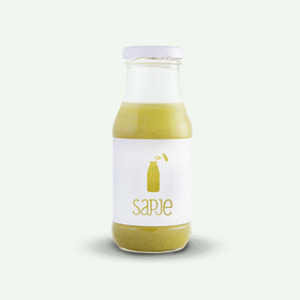
You’ve probably heard about it: slowjuice, the way to make juices that are rich in nutrients. With a slow juicer, you can prepare delicious juices at home, preserving vitamins and minerals. But what makes slowjuice different from juices from a blender or juicer? We’d love to explain it to you!
Making your own juice: with a blender, juicer or slow juicer
With a blender, you can easily make a versatile smoothie by adding ingredients such as oatmeal, coconut water or nuts. Ideal for a nutritious breakfast. Yet blending fruits and vegetables often involves a loss of nutrients. The high speed of the blades can cause vitamins and minerals to be broken down.
A juicer works with a rapidly rotating grater that separates fruits and vegetables into juice and pulp. The result is clear juice, but again, many nutrients are lost due to the friction and heat created during the process.
A slow juicer offers the solution. Because of the slow, cold pressing, all nutrients are retained to the maximum. That makes slowjuice ideal for a healthy lifestyle!
Making slow juices with a slow juicer
The power of a slow juicer lies in its unique pressing method. Thanks to the screw press, hardly any oxygen reaches the ingredients, preventing oxidation. This process preserves important nutrients such as vitamins, minerals and antioxidants.
Slowjuice is pure juice without fiber. While fiber is important, you can easily supplement it by eating fresh fruits and vegetables daily. What remains is a concentrated, nutritious juice that supports your body’s healthy digestion and energy levels.
Various slowjuice juices
Want to get started with slow juicing, but don’t know where to start? With a slow juicer, you can turn almost any fruit and vegetable into a delicious juice. From green juices packed with leafy vegetables to fruity combinations, the possibilities are endless.
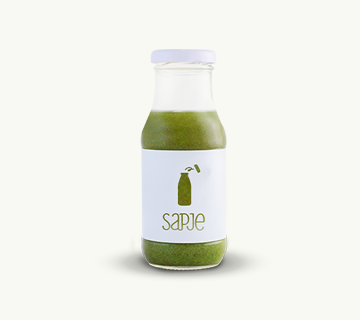
Don’t have time or don’t feel like juicing yourself? At Sapje you will find ready-made slowjuice juices, formulated with the best organic ingredients. So you can easily enjoy all the benefits of slowjuice, without the hassle. Discover our assortment and experience the difference!
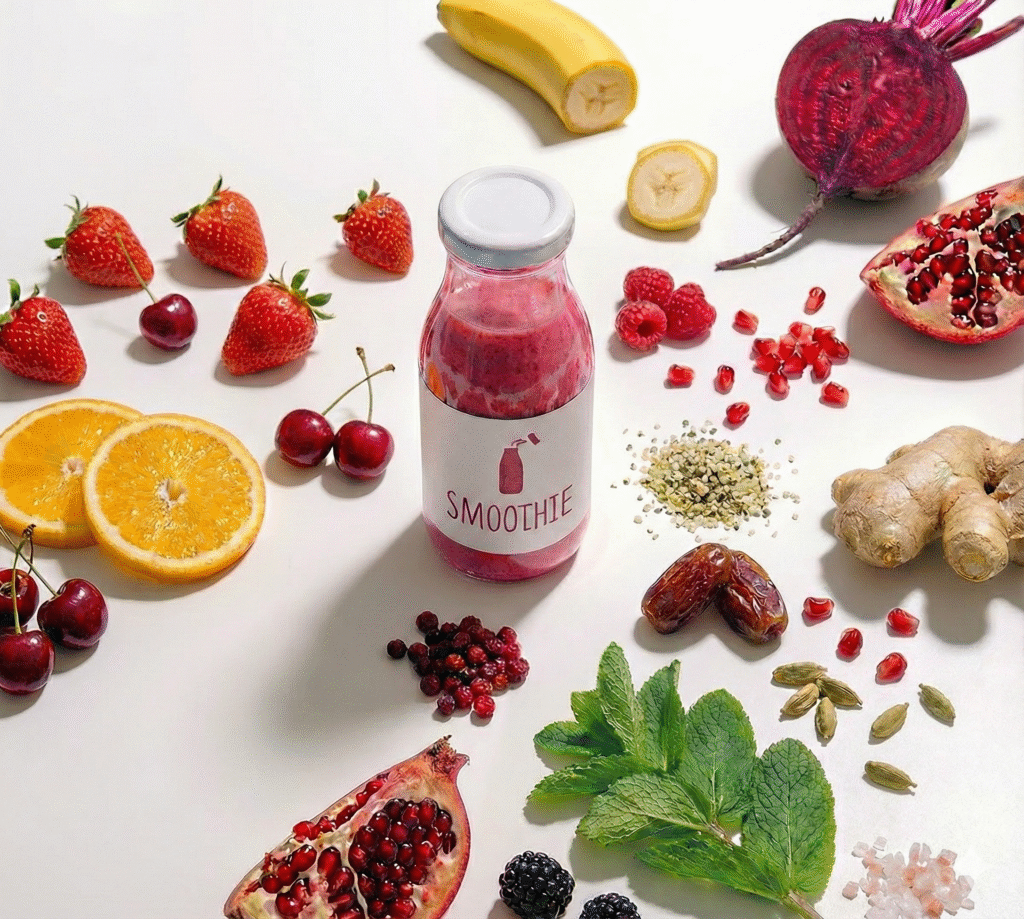
Do you like to drink smoothies for your health? Then choose your ingredients carefully. In this blog, you’ll learn which vegetables are best for a healthy smoothie. Which vegetables make your smoothie the most rich in fiber, vitamins and antioxidants? Read on quickly and also find out what ratio of vegetables to fruits is best for a healthy smoothie.
Use high-fiber vegetables in a smoothie
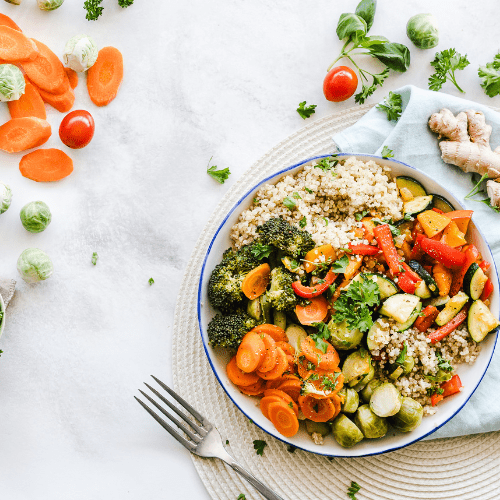
Fiber is an important part of healthy eating. Therefore, make a smoothie with vegetables that are rich in fiber. Because you make it with the blender, the fiber is well preserved. Kale, red cabbage, green cabbage, white cabbage and beet are examples of fiber-rich vegetables you can use in your smoothie. For extra fiber, add nuts, seeds and kernels, or fruit, such as avocado, berries or blackberries, kiwi or orange. This will also give you extra vitamins and minerals. Just make sure the proportions of vegetables, fruits and other ingredients in your smoothie are right. Read more about that later in this blog. Check out the handy fiber meter from the Stomach, Liver, Bowel Foundation for even more information and inspiration on high-fiber foods!
Choose vegetables full of vitamins
According to the Nutrition Center, it is important to eat at least 250 grams of vegetables every day. But besides the amount of vegetables, variety in your choice of vegetables is also important. Every vegetable offers its own combination of nutrients. Of course, it’s nice if your vegetable smoothie contains a lot of different vitamins and minerals. Check out our blog on the 10 healthiest vegetables to see which ones you should definitely try. Some vitamin-rich vegetables are:
Kale and beet are two great examples of healthy vegetables that are excellent to use in your vegetable smoothie.
Kale for a source of vitamins
Kale is much more than an important part of your winter stew. This leafy green vegetable is rich in several vitamins and an excellent ingredient for a healthy green smoothie. Buy kale fresh or frozen to take full advantage of it. 200 grams of raw kale provides, among other things:
vitamin K (1780% of RDA)
vitamin C (267% of RDA)
vitamin A (84% of the RDA)
calcium (36% of RDA)
potassium (23% of RDA)
In addition, kale contains nice amounts of protein and fiber, which make your smoothie with kale extra nutritious.
Beets as a source of potassium
Want a vegetable smoothie that’s not green, but pink? Then choose beet as a vegetable in your smoothie! Thanks to the natural dye betanin in beets, your smoothie will take on a beautiful pink hue. But red beets are also deliciously nutritious. Like kale, red beets contain a nice amount of fiber. In addition, they are a source of the mineral potassium, which should not be missing from your diet. For example, potassium plays an important role in the functioning of your nerves. Potassium also contributes to normal muscle function. In addition, potassium helps maintain normal blood pressure.
Antioxidants are nutrients that protect your cells and tissues from the harmful influence of free radicals. There are several types of nutrients that function as antioxidants, including vitamins, minerals and trace elements. Vitamin C, vitamin E, vitamin B2 (riboflavin), manganese, copper, zinc and selenium are some well-known examples of antioxidants. These antioxidants can be found in such foods as:
By adding fruits, herbs, spices, nuts or seeds to your smoothie, you can increase its antioxidant value. For example, citrus fruits, berries and pomegranate are good sources of antioxidants. Learn more about the best ratio of fruits and vegetables in your smoothie below.
Get the right ratio of fruits and vegetables
If you want to make a healthy smoothie, it is important that you use the right amounts of fruits and vegetables to do so. In addition to extra flavor and nutrients, you often add a lot of extra (fruit) sugars with fruits. Because you drink these away more easily than you could eat the pieces of fruit, you quickly ingest a large amount of sugar. In doing so, you unwittingly drink away a lot of calories and your blood sugar level also rises quickly. Want to avoid this? Then don’t add more than 2 pieces of fruit to your smoothie. Also read our blog on the 10 healthiest fruits to help you choose! Want to make a nutritious smoothie that can replace your breakfast or lunch, for example? Then in addition to vegetables and fruits, add healthy fats, in the form of nuts and seeds, seeds or avocado. With whole grain cereals, such as oatmeal or flaked wheat, make your smoothie a little firmer. Add some protein, in the form of yogurt or (vegetable) milk, such as a nut milk or oat milk, for example. The result: a delicious and nutritious smoothie that will keep you going for a while!
Also try our smoothies
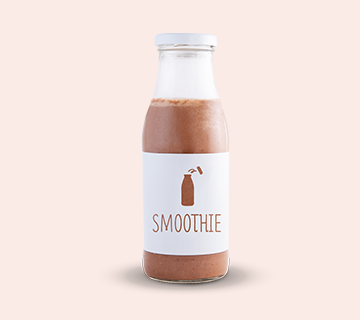
Do you love healthy smoothies, but don’t have time to make them fresh every day? Then try Sapje’s three delicious smoothies! The green smoothie is made with no less than 6 fresh vegetables, including vitamin champions like kale, spinach and endive. In addition, this smoothie contains 8 grams of fiber and is a source of antioxidants such as vitamin C, vitamin E, copper and manganese. The breakfast smoothie provides you with a tasty and nutritious start to your day, with its smooth chocolate flavor and creamy base of homemade almond drink. It is therefore also popular among children, who get plenty of healthy nutrients on the sly. For athletes, there is the protein smoothie, based on our homemade cashew drink. Per bottle you get 19 grams of protein, as well as a good combination of vitamins and minerals. All our smoothies and detox cures are made with the best, fresh ingredients and without unnatural additives such as sugars and preservatives. Because we freeze them immediately after preparation in the shock freezer, the healthy nutrients are optimally preserved. All you have to do is order them online, let them defrost, and enjoy them. To your health!
How healthy is a vegetable smoothie?
A vegetable smoothie is generally very healthy, especially if it consists mostly of fresh, fiber-rich vegetables and has few added sugars.
Why a vegetable smoothie is healthy: – Rich in vitamins, minerals and antioxidants, such as vitamin C, folic acid and potassium. – Often contains fiber, which is good for your digestion and stable blood sugar levels. – Can help with anti-inflammation, detoxification and supporting your immune system. – A smart way to get more vegetables in, especially for people who eat few vegetables.
It’s scientifically proven: blueberry juice is healthy! Discover 5 key health benefits of blueberry juice.
What makes blueberry juice so healthy?
Blueberry juice has many different benefits for your health. First, blueberries are rich in healthy nutrients, such as vitamins, minerals and antioxidants. At the same time, they are low in calories. Different types of berries each have their own health benefits, but blueberries score the highest when it comes to antioxidants. In fact, blueberries are among the most antioxidant-rich foods in the world. In this article, we describe the most common nutrients in blueberry juice and the health benefits associated with them. Read on and discover:
which vitamins and minerals are common in blueberry juice
what antioxidants are found in blueberry juice
What science says about the benefits of blueberry juice for your health
What to look out for when buying blueberry juice.
What is blueberry juice made from?
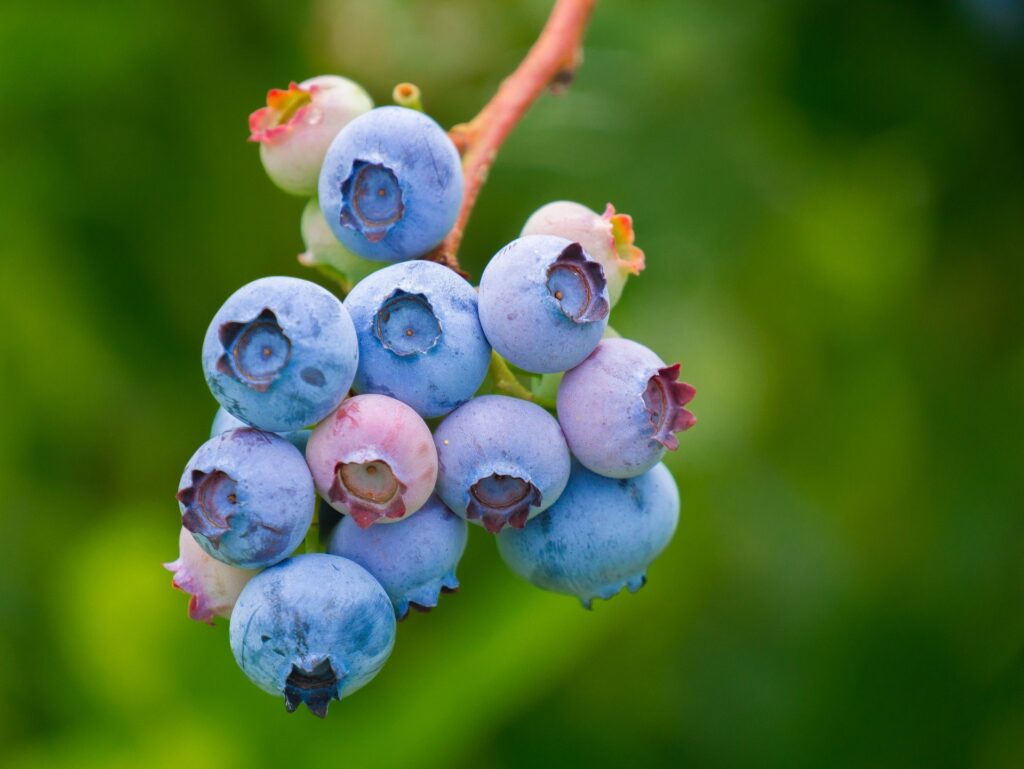
There are several varieties of blueberries. We will discuss two of them here, each of which has its own benefits. Both types of blueberries are a delicious and healthy snack between meals, or a nice addition to your breakfast. By drinking blueberry juice, you get a lot of the good nutrients from blueberries in an easy way. The somewhat larger, rounder berries you can usually buy in stores under the name “blueberries” are the fruits of the Vaccinium corymbosum. These blueberries are also called bunch blueberries because they grow in clusters on the branch. This makes them easy to pick. Therefore, this type of blueberry is widely cultivated; including in our own country. In North America this species occurs in the wild, in Europe it does not. You can often buy it year-round in the Netherlands; possibly in frozen form. Even then, this blueberry is still healthy.
Wild blueberries for picking
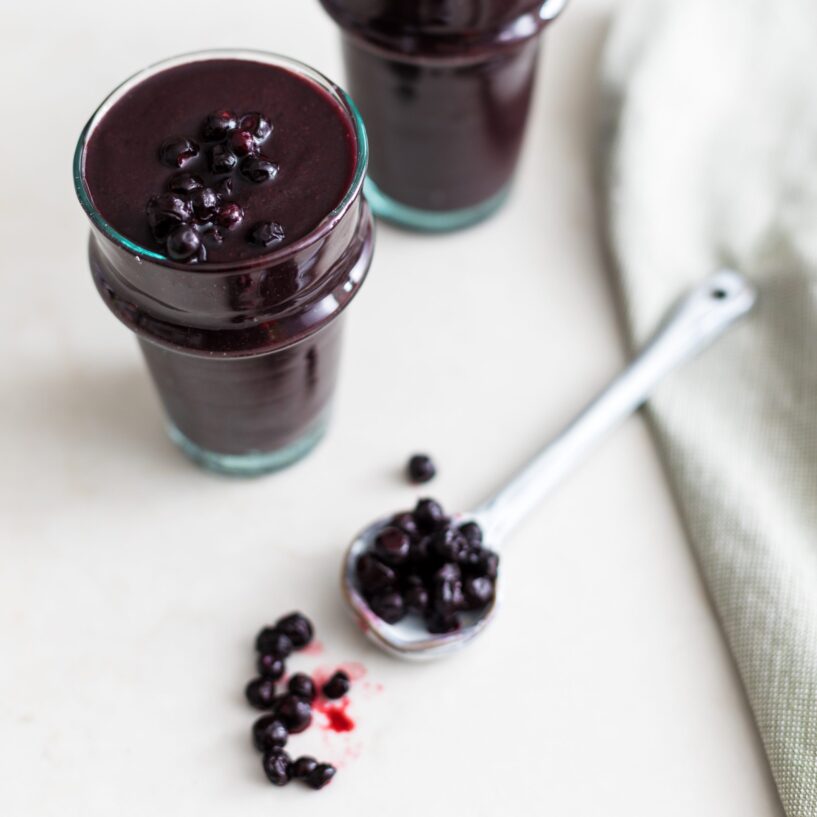
The blueberry that you can also pick in the wild in the Netherlands is a different type of berry, from the Vaccinium myrtillus. This blueberry is slightly smaller and does not grow in clusters like the blueberry. Whereas the blueberry has light flesh, the wild blueberry has dark purple flesh, so its juice is also much darker colored. Blueberries also stand out for their mild, sweet flavor, where wild blueberries often taste a bit more acidic or tart. You can pick European blueberries in the wild between April and June; sometimes there is a blooming period later in the year and you have a second chance. In general, wild berries are very rich in nutrients. That’s why, for example, we made our Antioxidant shot with mostly wild-picked berries.
Vitamins, minerals and antioxidants in blueberry juice
As small as they are compared to many other fruits, a glass of blueberry juice from a handful of berries gets you a good dose of healthy nutrients. Blueberry juice is a source of many different vitamins, minerals and antioxidants. Our blueberry juice also contains good amounts of vitamins B6, C and E. In addition, our blueberry juice also scores high when it comes to vitamin k and antioxidants, and it contains flavonoids.
Antioxidants in blueberry juice
Blueberry juice is one of the richest sources of antioxidants available. They contain several types of antioxidants, including vitamins C and E. Antioxidants are nutrients that fight free radicals. Free radicals can damage your body’s cells. Because of this, antioxidants can help protect your body from oxidative damage, such as from sunlight or air pollution. Anthocyanins, quercetin and resveratrol are also present in these healthy berries.
Blueberry juice versus other types of berry juice
According to science(1), most types of berry juice are relatively full of antioxidants. Compared to other types of berries, blueberry juice scores the highest, according to a Chinese study (2) that compared blueberries, blackcurrants and strawberries based on their antioxidant value.
The science about blueberry juice
Over the years, much scientific research has been done on the health benefits of blueberry juice. This has focused mainly on the effects of the antioxidants it contains. As part of a British study (3) on the protective effect of antioxidants in fruits, 168 healthy subjects drank a liter of fruit drink made from apple juice and blueberry juice for four weeks. In this study, the researchers paid particular attention to the antioxidant ascorbic acid (vitamin C). This study found that the antioxidants in this fruit drink helped protect the subjects from damage caused by free radicals. Another, small-scale study (4) confirmed the protective effect of blueberry juice against oxidative damage.
5 proven benefits of antioxidants in blueberry juice
There has been scientific research on the specific processes in the body that the vitamins, minerals and antioxidants in blueberry juice can have a positive effect on. The vitamins, minerals and other nutrients in blueberry juice can:
1. protect against free radicals that damage cells, as blueberry juice is high in vitamin E, among others.
2. promote energy metabolism. This is because vitamin K and C from blueberry juice help release energy from your food. In this way, blueberry juice supports your energy levels.
3. contributes to the proper clotting of your blood because vitamin K from blueberry juice plays a supporting role in normal blood clotting.
4. is good for building cartilage in the joints. The vitamin C from blueberry juice is contributes to normal collagen formation for normal cartilage function.
5. can help maintain strong bones, due to the vitamin K. Vitamin K helps with the absorption of minerals into bone tissue.
The best of berries in our juices
Want to make your own blueberry juice? Then check out our blog with delicious recipes for blueberry juice. Don’t have time for this and prefer to buy blueberry juice? Make sure you choose organic blueberry juice without sugar or other additives. Are you especially interested in the large amount of antioxidants in blueberry juice?
Then try our Antioxidant shot. This contains not only blueberries but also other antioxidant-rich (wild picked) berries and other fruits, such as black currants, aronia berries, red currants, cranberries, sea buckthorn berries and pomegranate. This shot contains the highest natural antioxidant value in the world, making it an ideal support for your health! Want to try some other juices with berries? Then check out our Recover juice, Wild juice and Ron’s juice. These too are rich in vitamins, minerals and antioxidants. Because we press all of our juices with the slow juicer, then immediately freeze and store them in glass, those healthy nutrients are optimally preserved. When ordering, indicate when you would like to receive your juices at home and we will come and deliver them by freezer truck. So even if you have little time, you can easily support your health with fresh berry juices!
What nutrients are in blueberry juice?
Blueberry juice is a source of many different vitamins, minerals and antioxidants. Our blueberry juice also contains good amounts of vitamins B6, C and E. Moreover, our blueberry juice also scores high when it comes to vitamin k and antioxidants, and contains flavonoids.
So what makes blueberry juice so healthy?
Blueberries are healthy for several reasons. For one, they are rich in vitamins, minerals and especially antioxidants. In addition, they are low in calories. The antioxidants in blueberries help protect your body from oxidative damage, such as from sunlight or air pollution. Blueberries are among the most antioxidant-rich foods in the world.
How do I make my own blueberry juice?
Would you like to make your own delicious and healthy blueberry juice? On our site there are two delicious and most importantly healthy recipes, with which you can easily make blueberry juice at home. These two recipes for blueberry juice are based on the use of a slow juicer. This is because a slow juicer provides more vitamins and minerals in your glass. Don’t have a slow juicer at home? No problem. Replace the slow juicer in the recipe with a blender or a hand blender.
What makes blueberries healthier than other berries?
Many berries are delicious and healthy. What makes the blueberry healthier than its peers? The amount of antioxidants in the berry. The blueberry contains significantly more antioxidants than other berries. Antioxidants help protect your body from free radicals.
What is the difference between blueberries and blueberries?
Although they are often confused, there are distinct differences:
Blueberries are the cultivated variety. They are larger, have a smooth, blue-gray skin and light green or white flesh. They taste mild and are often found in supermarkets.
Blueberries are the wild variety. They are smaller, darker in color, and have purplish-blue flesh that is strongly colored. They have a more intense, slightly sour taste and contain more antioxidants than blueberries.
What do blueberries do to your body?
Blueberries are packed with antioxidants, especially anthocyanins, which are anti-inflammatory and protect the body from cellular aging. They also support heart health, brain function and immune system.
What do blueberries do to your gut?
Blueberries are rich in fiber and polyphenols that have beneficial effects on gut flora. They promote the growth of good gut bacteria, support regular bowel movements and can reduce inflammation in the intestines.
To support your digestion, protect your cells and help your immune system
In a sense, it is impossible to determine which types of fruit are the healthiest. There is so much variety in fruit. Also, different kinds are beneficial for different reasons. From the antioxidant bomb the blueberry to the fiber-rich apples or the pineapple with its high vitamin C content, all kinds of fruit can improve our diets, our lives and our mood.
Still, in this blog we go over some of the most notable health boosters. We’ve consulted some favorite nutrition experts and the latest developments in science for their insights. So what makes certain fruits so healthy? Here we offer you an overview, to make your next visit to the organic greengrocer a little easier. We look at different properties, such as protecting your cells, supporting your digestion and contributing to a good resistance. Read along with us and learn which fruits can further enrich your life and health.
apples
What makes fruit healthy?
Before we take you through our list of the healthiest types of fruit, we want to give you a little guidance on how to make your own informed choices as well. What are the characteristics that make some fruits healthier than others?
1. Fiber: yes, sugars: no
In general, it is good to choose varieties with high fiber content and not too much sugar, says dietitian Jessica Cording[1]. In addition, she advises that fruit is best enjoyed in conjunction with a balanced meal or snack that also contains protein and fat.
Fiber is an important nutrient. Apples, bananas, raspberries and mangoes all have high levels of fiber. Berries are generally low in sugar and high in fiber, so they are generally an excellent choice.
2. Color: the deeper, the better
The color of fruit indicates the types of antioxidants and phytonutrients it contains. Apricots contain beta-carotene; watermelon and guava the red lycopene. The purple anthocyanin is found in blackberries, cherries and blueberries, and the green chlorophyll is found in kiwifruit.
In soft fruits with skin or shell, such as apricots, cherries and blueberries, most of these nutrients are located in the skin. This is because the skin is the protective layer of the fruit, where these phytonutrients act as a natural protection against, for example, UV light. In general, the deeper the color, the higher the amount of antioxidants and the healthier the fruit.
3. Go for acid
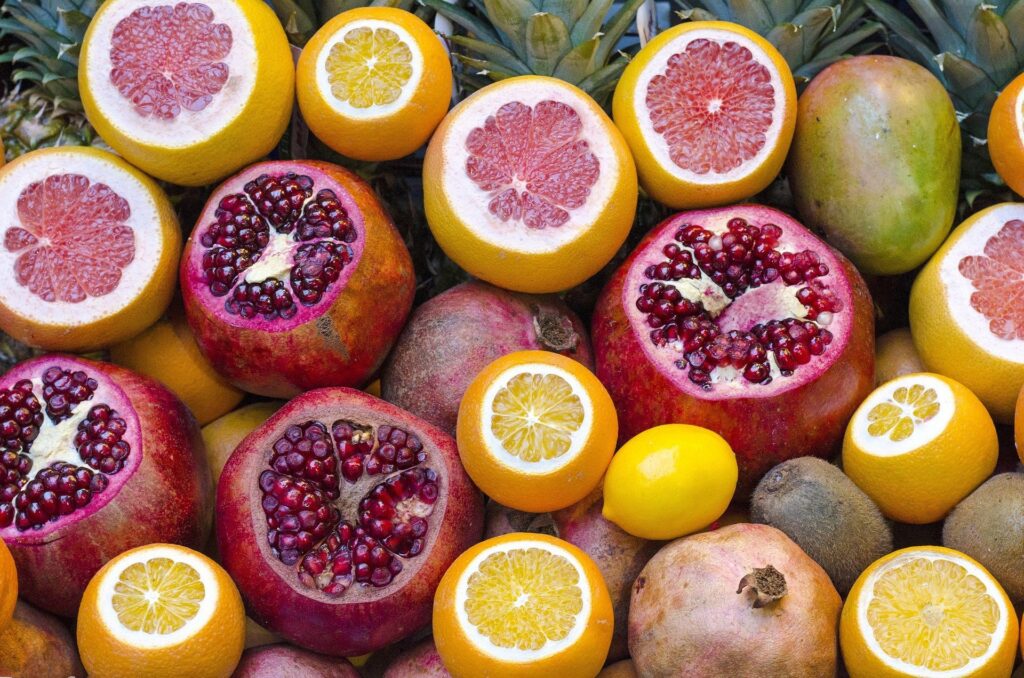
Precisely those fruits that have a bit of a sharp, tart or sour taste are often the best friends for your health. Think of the tartness of the pomegranate, the sour and bitter of grapefruit and the uplifting acidity of a raspberry. According to Mindbodygreen, you could think of this sourness as a method of protecting the fruit so that the potent nutrients in the fruit are not gulped down by any animal. [2]
Despite what we wrote above about the importance of variety and variety, we wanted to create an overview of which fruits really stand out. We hope this list will go a long way in helping you choose the most promising fruits to support your health every day.
1. Blueberries
On almost every list of healthy fruits found on the Internet, the blueberry appears somewhere near the top. In the culture of certain Native American tribes, the blueberry was already considered a special plant: a gift from the Great Spirit to contribute to our overall health. It is also recognized in contemporary science that the blueberry can be one of the most beneficial additions to your diet. Thinking about the tip you read above in this regard, you know that the more acidic small wild blueberry is your best choice: it is more acidic and darker in color and thus even more full of antioxidants.
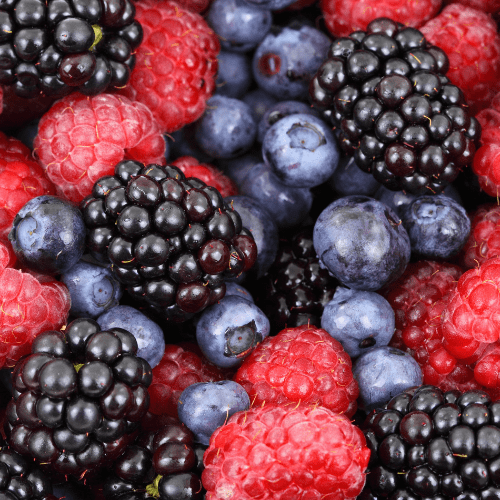
The tiny berry is high in antioxidants and phytonutrients and also contains large amounts of Vitamin K and Manganese. Of all fruits, berries contain the most fiber per gram: at 8 grams per cup, you are at one-third of your daily fiber requirement.
Blueberry is also deliciously multi-purpose: use it for a sweet accent in your salad, incorporate it into baked goods or juices, or eat it raw in your yogurt or on the go.
blueberries
2. Grapefruit
Grapefruit also ranks high on many lists. Like other citrus fruits, the fruit has a high vitamin C content, making it an ideal partner to support the immune system. In addition, vitamin C helps your body trap free radicals and supports your energy levels.
Although with citrus fruits the flesh contains the most vitamins and minerals, the peel is often full of other phytonutrients and fiber. So if you’re making a juice with grapefruit or another citrus fruit, it’s best to juice the peel with it!
3. Cranberries
The story goes that in 1845 a ship lost a barrel of cranberries, which then washed ashore on Terschelling. A beachcomber thought he would be delighted with a precious barrel of wine, but when he found out the barrel contained only berries, he left it behind, allowing the berry to spread all over the island.
If only that beachcomber had known what he was missing! The cranberry is nutritionally valuable, full of vitamins and minerals. For example, the best is full of vitamin C. Among other things, this vitamin helps protect our bodies and helps ensure a good resistance. In addition, vitamin C helps keep your skin healthy and promotes the absorption of iron from your diet.
4. Goji berries
Goji berries have deservedly entered the ranks of superfoods in recent years. The little red berry, actually related to the tomato, has been used in Chinese herbalism for centuries for its special qualities. The berry can support your overall health in several ways and help maintain a vital and fit body.
Scientific research indicates that the goji berry’s high calcium content also helps maintain healthy digestion. Research also zooms in on the extensive palette of antioxidants in goji berries, which collectively may have an important supporting effect in protecting your body from oxidative damage[4].
5. Raspberries
Well ahead, another berry. By now it is clear that the red and purple berries are almost all among the healthiest fruits. Take the raspberry, for example. Raspberries, like many other wild berries, are high in fiber, low in sugar, rich in antioxidants and also packed with vitamins and minerals.
Besides strawberry and pomegranate, raspberry is the only food source of the phytonutrient group ellagitannins. These complex molecules are also found in some plants used in Chinese herbalism.
A special one is the black raspberry. Remember what you read above about “the deeper the color, the healthier the fruit”? A black (actually very dark purple) raspberry contains a unique amount of antioxidants that together seem to be a potent agent in protecting against cell and tissue damage.
6. Pomegranate
Pomegranate is another impressive deep red fruit. According to traditional healing cultures, plants often have beneficial effects on the organs they resemble. Perhaps not surprisingly, then, the shiny blood-red pomegranate’s high vitamin B6 content contributes to the production of red blood cells.
Moreover, pomegranate contains more antioxidants and phytonutrients than green tea and red wine, including the acclaimed anthocyanins, ellagitannins, and hydrolyzable tannins.
types of fruit
7. Wild elderberry
The elderberry is the only fruit on this list that you can’t eat raw, because there are toxins in the seed. However, we do use it in small amounts in our immune-boosting shot of Protect: during juicing, the seed remains in the filter of the slow juicer.
Despite the fact that some parts of the elderberry bush are poisonous, the plant has been considered very healthy for many millennia. The elder was always associated with a certain female nature spirit, and it was said that if you sleep under the elder on midsummer night, the fairies will be your friend. Elder blossoms contain a host of special phytonutrients and are used for delicious lemonades and flower wine. Also, black elderberries contain high amounts of vitamin C, which supports your immune system.
8. Sea buckthorn berry
Like the elderberry, the wild buckthorn berry is also available in ample quantities in the Dutch countryside. Especially in areas with sandy soil, such as the Wadden Islands, the Veluwe and the coast, you can find the prickly plant with the bright orange berries. The berries are watery, very sour and grow by the thousands per plant.
That acidity is what sea buckthorn owes to its high vitamin C content. The berry has an impressive list of good qualities, such as supporting your immune system and contributing to the condition of your blood vessels. In addition, vitamin C helps protect your cells from oxidative damage and contributes to the condition of your skin.
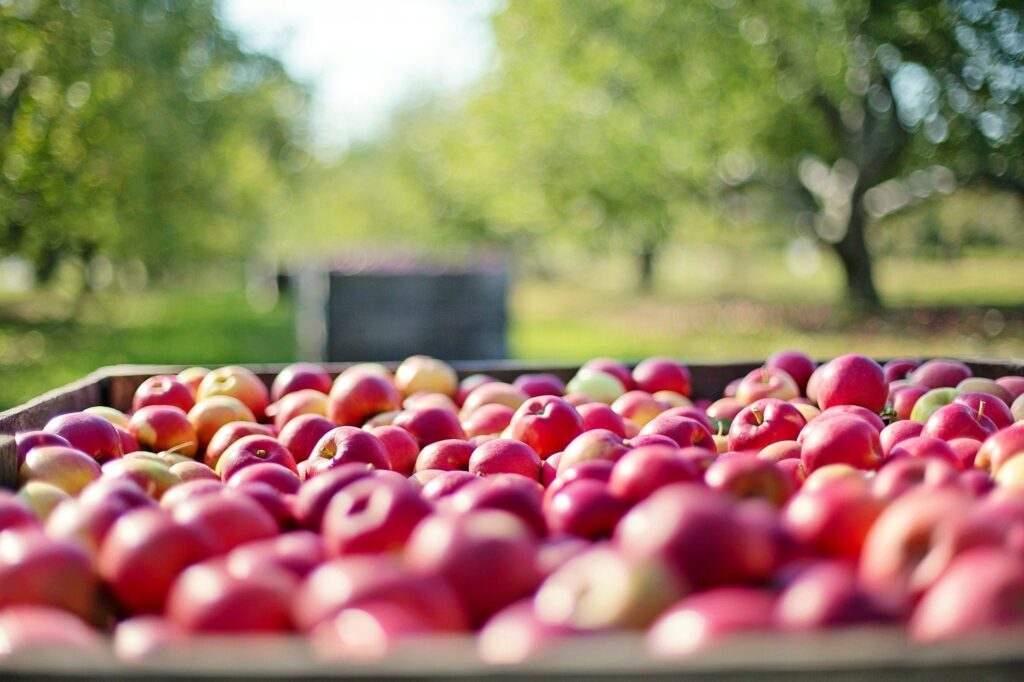
9. Apple
The apple may seem like a somewhat boring fruit next to all these precious berries. Yet the apple has much to offer, not least the fact that it is very transportable and storable. Indeed, this contributes to the fact that you can eat apple virtually all year round without incurring excessive environmental costs for transportation or storage and without the need for chemical preservatives.
The apple contains the fiber pectin, a unique type of fiber[5]. Pectin is mainly found in the skin, so when drinking apple juice, it is best to juice the skin along with it!
10. Hawthorn berry
The hawthorn berry is another bit of a special case on this list. Although the fruit can be found all over Europe and America in early fall, hardly anyone knows about its healthy properties. Even in the popular lists of superfoods, you rarely see the hawthorn showing off. Yet it is a powerful berry: it contains a lot of vitamin C, which, among other things, helps keep your blood vessels healthy and helps maintain a good resistance.
In addition, hawthorn has been a darling of traditional herbalists and shamans for many generations. And, unlike the extremely expensive raspberry and pomegranate, you can find this hearty berry in large quantities for free along the roadside! The hawthorn is related to the apple, so the “berry” is actually more like a very small apple, and that’s what it tastes like. You can eat the apples raw or dry them and make tea from them.
Conclusion
Of course, you already knew that it is good to eat a lot of fruit. Hopefully this article has further inspired you with the richness and variety that Mother Nature has to offer. From the precious pomegranate seed to the ubiquitous apple and from the exotic goji berry to the elderberry from your backyard, all these varieties are toppers to enrich your daily bowl of yogurt, lunchbox or juice.
What is the healthiest fruit to eat?
There is no one type of fruit that is absolutely the healthiest – it depends on what your body needs – but some fruits stand out because of their high content of vitamins, minerals and antioxidants.
In general, these fruits are considered particularly healthy: Berries (such as blueberries, raspberries, blackcurrants): rich in antioxidants, fiber and low in sugar. Citrus fruits (such as orange, grapefruit, lemon): packed with vitamin C and good for your resistance. Pomegranate: very rich in antioxidants and anti-inflammatory compounds. Apples: are high in fiber (pectin) and support digestion. Avocado (technically a fruit): rich in healthy fats, fiber and potassium.
Bottom line: fruits rich in fiber, antioxidants and few added sugars are considered the healthiest. Variety is important here – each variety has its own unique benefits!
Drinking tomato juice is a great way to support your health. It is full of vitamins, minerals and antioxidants. Read more about it here!
What makes tomato juice healthy?
Tomato juice is a true classic in juice-land: it is said to have been first made in the United States back in 1917. It quickly became popular: from the 1920s it was already widely produced there. Tomato juice is the main ingredient of a hearty Bloody Mary cocktail, but even without a splash of vodka, tomato juice is a drink that will give you a boost. This is because when you drink fresh, organic tomato juice, you get a good dose of vitamins, minerals and antioxidants. At the same time, tomatoes are low in calories and pure tomato juice contains no added sugars. These factors make tomato juice healthy. Read on quickly and find out:
why it’s better to drink fresh-pressed tomato juice than packaged tomato juice
what vitamins and minerals make tomato juice so healthy
what you need to know about the compound lycopene in tomato juice
Why tomato juice is also a suitable drink if you are extra health conscious
how to make your own tomato juice (including a delicious recipe from our great juice book)
How healthy is tomato juice?
Of course, how healthy tomato juice is depends on any added ingredients and the processing process. Basically, it’s best to choose tomato juice that contains only the juice of fresh, ripe, raw tomatoes with no salt, sugar or preservatives added. Fresh tomato juice will be the most nutrient-rich, so using a pack from the store won’t give you the healthiest choice. This is also often made from concentrate, so tomato paste to which water has been added and thus not very fresh.
Freshly squeezed tomato juice
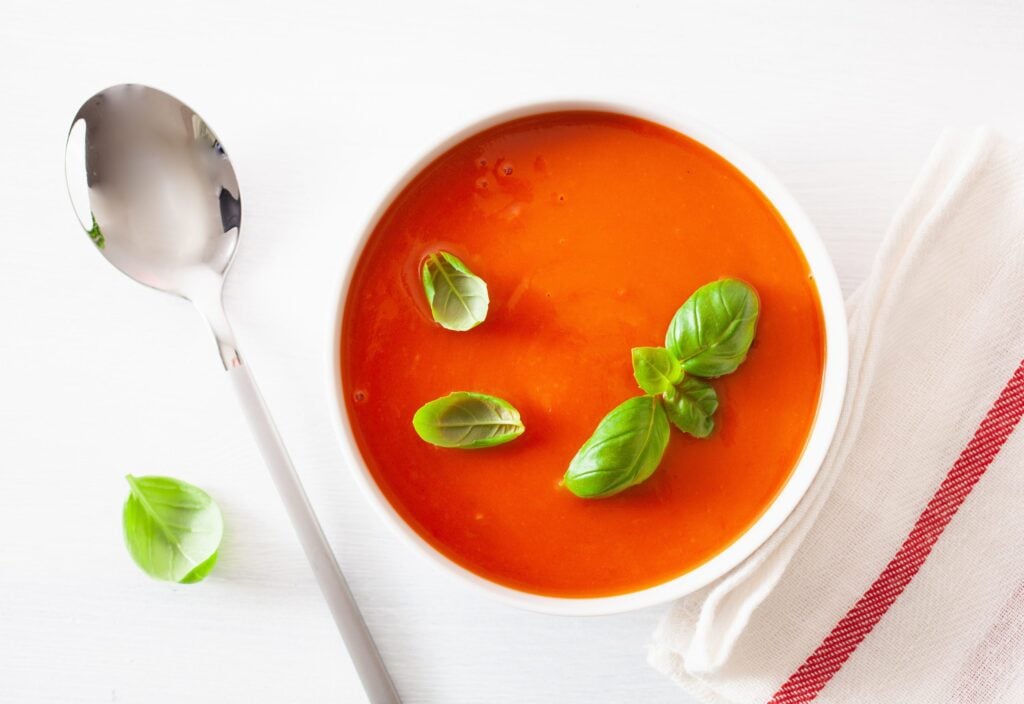
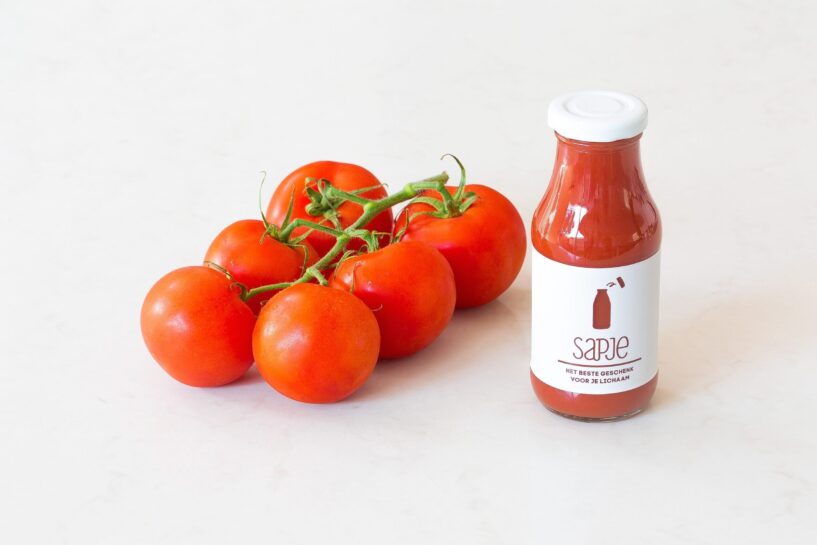
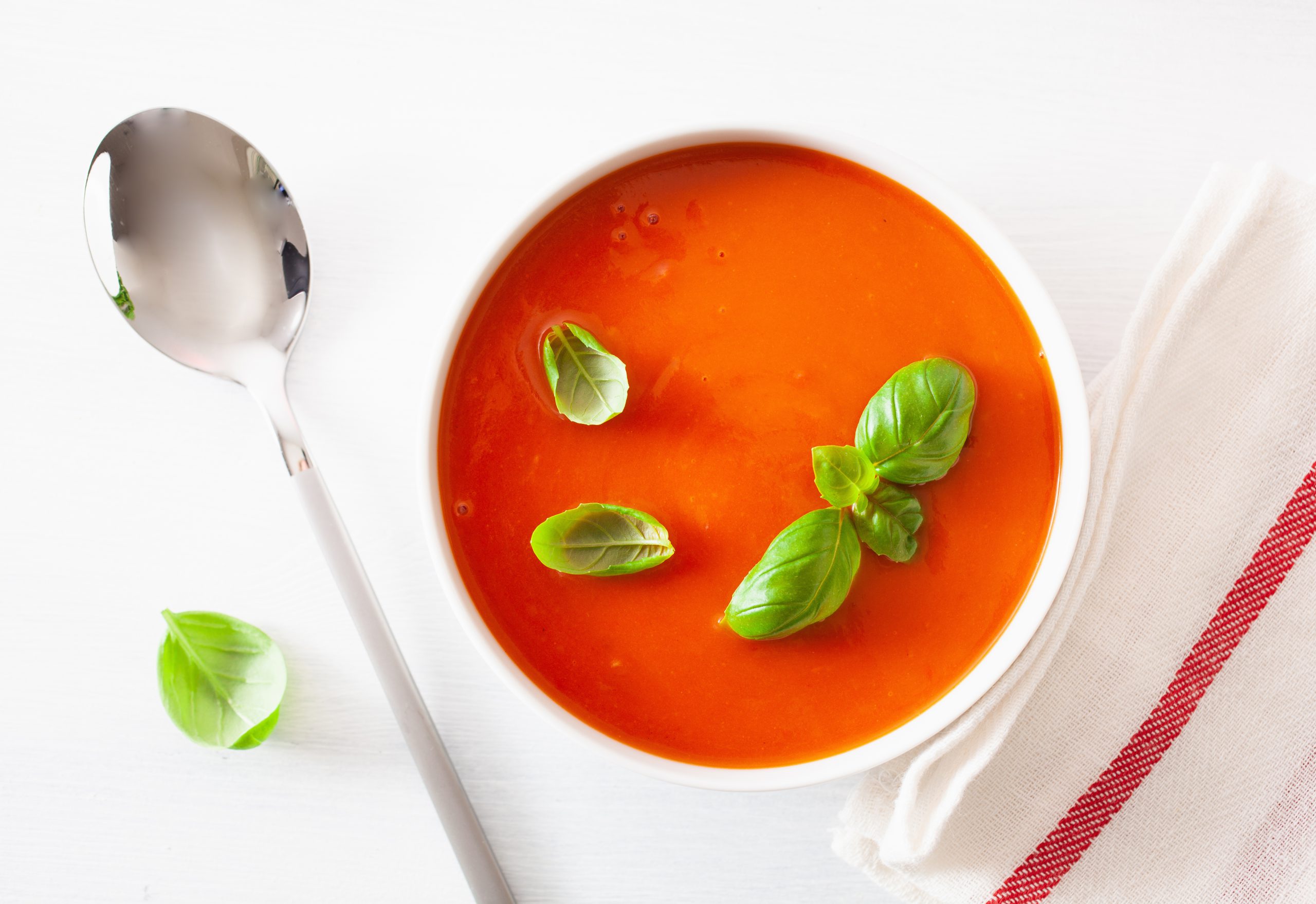
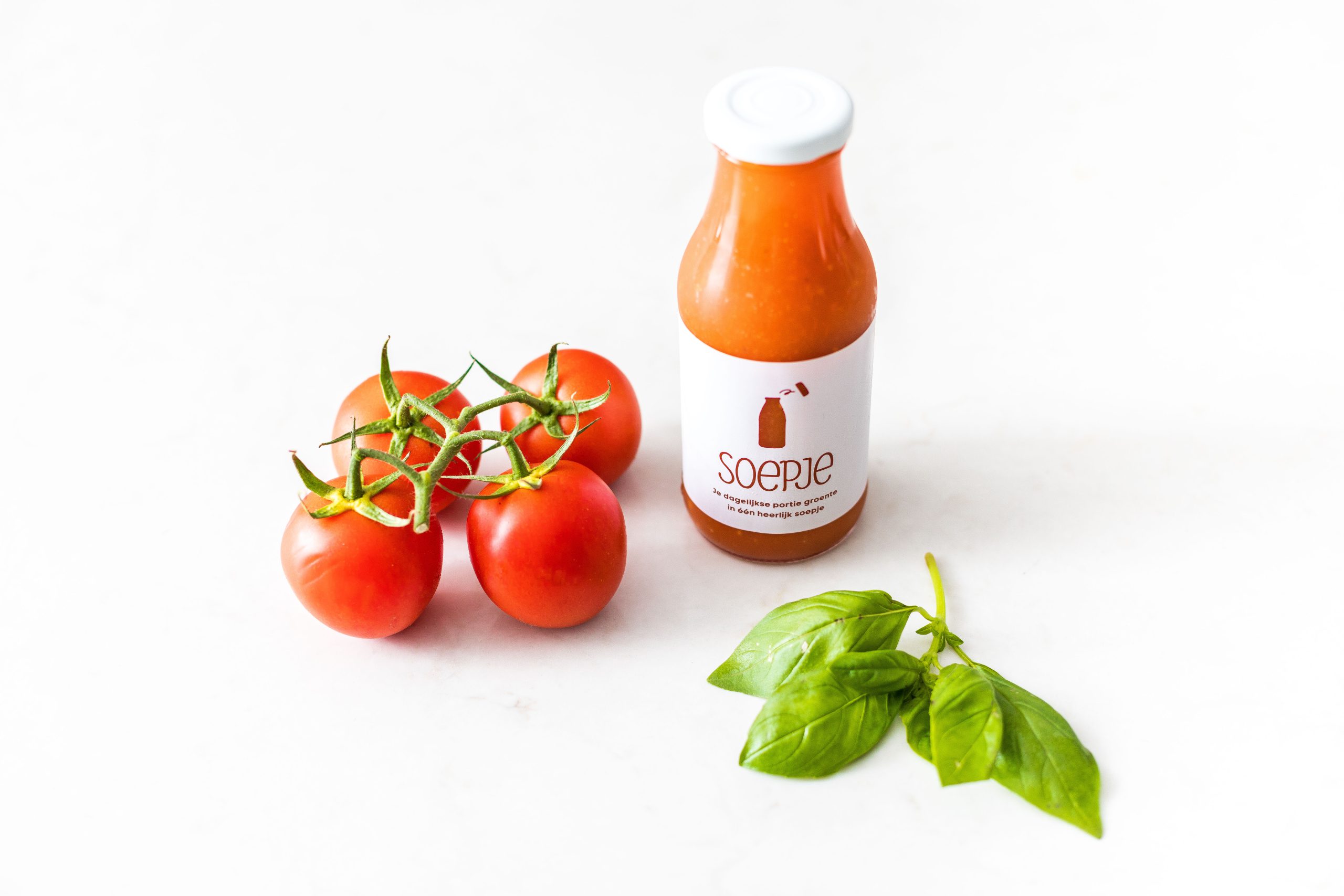
Fresh, organic tomato juice that you have squeezed yourself is very healthy. At the end of this article you will find a tasty recipe to make your own tomato juice. Don’t have time to make your own tomato juice? Then you can also buy it. The best option is organic tomato juice that has been preserved naturally to preserve the nutrients; for example, by freezing the juice. At Sapje, we choose the freezing method for all our juices, including our tomato-based juices and our delicious organic tomato soup. Read on quickly to discover what good quality tomato juice can do for your health!
What nutrients are in tomato juice?
Ideally, your fresh tomato juice contains nothing but the juice of tomatoes (although you’ll discover other healthy ingredients in our recipe, but they don’t detract from the health of the fresh tomatoes that go into it). Let’s dig a little deeper into the nutritional profile of the tomato to see how healthy it actually is. According to the U.S. USDA (1), a medium-sized, ripe, raw tomato contains about:
22 calories
4.8 grams of carbohydrates
1.1 grams of protein
0.2 grams of fat
1.5 grams of fiber
3.2 grams of sugars
So a tomato is low in calories, but rich in vitamins and minerals. Below we list the healthy nutrients in tomato juice and their health benefits for you!
Vitamins and minerals in tomato juice
According to the above source, a medium-sized, ripe tomato contains approx:
16.9 milligrams of vitamin C (good for your immune system, skin and protection against free radicals)
51.7 international units of vitamin A(good for your eyes, skin and resistance)
9.7 micrograms of vitamin K (supports healthy blood clotting and maintenance of strong bones)
292 milligrams of potassium (good for your muscles, nervous system and healthy blood pressure)
0.1 milligrams of vitamin B6 (contributes to good energy levels, among other things)
18.4 milligrams of folic acid (supports red blood cell production)
In addition, a tomato contains even smaller amounts of the following nutrients:
vitamin E (helps protect against free radicals)
calcium (good for bones, teeth and muscles)
iron (supports resistance, energy levels and a clear mind)
magnesium (good for concentration and bones)
phosphorus (promotes your energy metabolism)
zinc (good for your concentration, skin, hair, nails and resistance)
copper (contributes to a healthy immune system and nervous system, among other things)
niacin (vitamin B3, contributes to energy supply)
pantothenic acid (vitamin B5, also contributes to energy supply)
choline
betaine
lycopene
For an average glass of tomato juice, you quickly use 2 medium-sized tomatoes, so this will give you a double dose of these healthy nutrients!
Lycopene and antioxidants in tomato juice
Tomato juice is a very rich source of antioxidants. Among other things, it contains a lot of vitamin E. These and other antioxidants in tomato juice can help your body trap free radicals. As a result, they help protect your healthy cells and tissues from oxidative damage.
Tomatoes are also known for their high content of lycopene (2). Lycopene is a carotenoid found exclusively in plants and is responsible for the red color of tomatoes. It is also often added to produce as a natural coloring agent. Other carotenoids in tomatoes include beta-carotene, gamma-carotene and several other forms.
Lycopene in raw and cooked tomatoes
Research (3) has shown that heating tomatoes causes the lycopene they contain to be even more easily absorbed by the body. This is especially true if the tomatoes are prepared with some form of fat, such as olive oil, for example. So do you want to take extra advantage of lycopene? Then make a nice tomato soup with a dash of olive oil in it!
Again, heating is usually not so good for other nutrients, such as vitamins and minerals. So want to reap the benefits of all those other beneficial compounds in tomato juice? Then drink it in its fresh, unprocessed form. Of course, you can also “have it both ways” by alternating raw tomato juice and cooked tomato soup. Fortunately, our recipe for ‘gazpacho’ tomato juice/tomato soup at the bottom of this article is delicious and healthy both cold and hot!
Other health benefits of tomato juice
Regularly drinking a glass of tomato juice can also be beneficial for the functioning of your blood vessels. This is because tomato juice contains a lot of vitamin C, which contributes to the formation of collagen, which is important for the favorable functioning of blood vessels. In addition, tomato juice is very rich in potassium, a mineral that is beneficial for your blood pressure.
Adding organic tomato juice to your diet is also a good idea for your muscles and bones. This is because tomato juice is high in calcium, and plays a role in maintaining strong muscles. A study (4) shows that tomato juice is also a healthy choice for overweight people. This is not only because of the healthy nutrients in tomato juice, but also because it is low in sugars (and calories in general).
As you may know, the tomato is actually not a vegetable, but a fruit, because it has seeds and the tomato plant gives flowers. Botanically, the tomato is classified with the berries. Therefore, tomato juice is not actually a vegetable juice, but a fruit juice.
While fruit juice can be rich in vitamins and minerals, it is also often high in fructose, or fruit sugars (aka fruit sugars). That’s why we at Sapje specialize in organic vegetable juices. These often offer just as many healthy nutrients, but are better for your teeth and energy levels. But for tomato juice, we like to make an exception. In fact, compared to other fruit juices, tomato juice is fairly low in fructose. Just look at the sugar levels of these well-known fruit juices per 200 ml glass:
Apple juice: 92 calories, including 21 grams of sugars
Grape juice: 130 calories, including 32 grams of sugars
Orange juice: about 80 calories (from pack: 19 grams, fresh: 17 grams of sugars)
Tomato juice: about 32 calories and 6.2 grams of sugars. (5)
Does tomato juice have any drawbacks?
Tomatoes are the fruits of the tomato plant (botanical name Solanum lycopersicum). This is a member of the nightshade family(Solanacaea), along with potatoes, peppers and eggplants, among others. Some people get an allergic reaction or other hypersensitivity reaction after consuming foods from this plant family. Therefore, if you belong to this group of people, it is not wise to drink (too much) tomato juice.
Making your own tomato juice: tasty and healthy slowjuice recipe
‘Gazpacho’ tomato juice/soup
Supplies per person:
2 tomatoes
1 stalk of celery
1 orange carrot
red bell pepper
cucumber
4 basil leaves
clove of garlic
Preparation: 1. Squeeze the tomatoes in the slow juicer. 2. Squeeze the celery stem into the juicer, without the leaves. 3. Remove the ends of the carrot, cut it into small pieces and squeeze it into the juicer. 4. Remove the seeds from the bell bell pepper and squeeze into the juicer. 5. Squeeze the cucumber with peel into the juicer. 6. Squeeze the basil leaves including stems into the juicer. 7. Remove the outer skin of the garlic clove and squeeze it into the juicer. 8. Add a dash of olive oil if necessary. 9. Drink as soon as possible. 10. (Or warm it up, for that extra lycopene absorption)
Rather buy tomato soup or tomato juice?
Don’t have time to make your own fresh tomato juice or tomato soup? Then make it easy on yourself and order our tomato juice made from organic tomatoes. This is made with the best fresh, local, seasonal ingredients and hand-pressed with the slow juicer to best preserve the flavor and nutritional value of the tomato juice. Our organic tomato soup is pan-cooked. Then both were quickly frozen using the shock freezer. This is a natural preservation method, so no other preservatives are needed. When ordering, you choose where and when we should deliver the juices or soups. You then only need to thaw them to easily enjoy all the goodness that fresh tomato juice and tomato soup have to offer your health!
Ghavipour, M., Sotoudeh, G., & Ghorbani, M. (2015). Tomato juice consumption improves blood antioxidative biomarkers in overweight and obese females. Clinical Nutrition, 34(5), 805-809. https://doi.org/10.1016/j.clnu.2014.10.012
Giovannucci, E. (2002). A Review of Epidemiologic Studies of Tomatoes, Lycopene, and Prostate Cancer. Experimental Biology and Medicine, 227(10), 852-859. https://doi.org/10.1177/153537020222701003
The Diabetes Fund. (n.d.). How much sugar is in fruit juice?
https://www.diabetesfonds.nl/over-eten/hoeveel-suiker-zit-er-in/hoeveel-suiker-zit-er-in-vruchtensap
Nutrition Center. (n.d.). Page unfortunately not found. https://www.voedingscentrum.nl/nl/404.aspx?requestedpath=/encyclopedie/lycopeen.aspx
Can I drink tomato juice even if I am losing weight?
Yes, tomato juice you can drink when you are losing weight. In fact, it makes perfect sense to drink it. When you drink fresh, organic tomato juice, you get a good dose of vitamins, minerals and antioxidants. At the same time, tomatoes contain very few calories and pure tomato juice contains no added sugars. These factors make tomato juice healthy and help you get extra nutrients while losing weight.
What vitamins and minerals are in tomato juice?
Among other things, a tomato contains a lot of vitamin C. This red vegetable is also a good source of the mineral potassium. To top it off, it also contains (on average) only 22 calories and is packed with antioxidants (fight free radicals in your body)! So a tomato is ideal for getting in extra lots of healthy nutrients.
What are other health benefits of tomato juice?
Regularly drinking a glass of tomato juice can also be beneficial for the health of your blood vessels. This is because tomato juice contains a lot of vitamin C, which helps keep your vessel walls strong and supple. In addition, tomato juice is very rich in potassium, a mineral that is beneficial for your blood pressure. Adding organic tomato juice to your diet is also a good idea for your muscles and bones. In fact, because tomato juice is high in calcium, it helps keep your muscles and bones strong. A study shows that tomato juice is also a healthy choice for overweight people. This is not only because of the healthy nutrients in tomato juice, but also because it is low in sugars (and calories in general). Therefore, a soup cure would be an ideal way to get the right vitamins.
How do I make my own healthy tomato juice?
We have a comprehensive recipe to make your own delicious fresh and healthy tomato juice. In just a few steps you can make delicious fresh and healthy tomato juice at home in your own kitchen. Note that the tomato juice is made, according to our recipe, with a slow juicer. We use this device because it brings more vitamins and minerals to your (tomato) juice. Don’t have a slow juicer? No problem! You can also use a hand blender or blender.
Is tomato juice good for your liver?
Yes, tomato juice contains antioxidants such as lycopene, vitamin C and E that are anti-inflammatory and can help protect the liver from free radical damage.
Is tomato juice good for your gut?
Yes, tomato juice contains fiber (especially in fresh-pressed/slowjuice varieties) and stimulates digestion. It can help with healthy intestinal flora and bowel movements, especially with its high water content and acids that support stomach activity.
How much tomato juice a day?
For most people, 1 to 2 glasses of tomato juice a day is a healthy amount. This provides plenty of vitamins (such as vitamin C and A), minerals (such as potassium), and antioxidants such as lycopene, which are anti-inflammatory.
Pineapple juice is one of the better-known juices that can often be found on restaurant menus alongside apple juice and orange juice. However, making your own pineapple juice with the slow juicer is a completely different experience: both a taste sensation and a lot of nutrients. Not for nothing did the pineapple obtain its popularity in the sixteenth century on shipping: it has an incredibly high vitamin C content. Because of this, the pineapple has a positive influence on your immune system and helps to ensure a good resistance. In addition, you will find in the pineapple the unique enzyme bromelain. In this article we take you through some of the health benefits of pineapple juice. For the true pineapple lover, we also provide some fun facts, nutritional information and, of course, tips on how to make your own pineapple juice.
Facts about pineapple and pineapple juice
Pineapple is probably the only Dutch word that comes from the Tupi language, spoken by an indigenous South American culture.
When the pineapple was first introduced to Europe, it was a symbol of wealth and exoticism. Since then, thanks in part to canned pineapples, we have come to consider this fruit much more normal.
Pineapple is grown mainly in Africa and South America and hardly at all in Europe. So it is not a very sustainable choice.
Actually, it is not a fruit because it does not grow on a bush or tree, but on a low plant.
Each pineapple plant produces only one pineapple at a time.
You can also ferment pineapple juice[1], for a delicious prebiotic drink.
Green fingers? Just like from the avocado, you can cultivate your own pineapple plant from a pineapple. The fruit does not contain seeds or pips, but the plant grows from the pineapple itself, which is from the leaf. To grow your own plant, you can cut off the top of the pineapple and place it in a pot in a warm, sunny spot. From here, the plant will then start to form roots and grow into a full-fledged pineapple plant about one by one meter. You have to be a little patient, because it will take two to three years for the plant to produce its first flower! When it does, one large flower grows in the middle of the leaves, which then slowly turns into one pineapple. Did you finish it? Just be patient again: another one will only grow next year.
8 reasons why pineapple is healthy
1. Pineapple juice against free radicals
The pineapple plant is incredibly high in vitamin C. This antioxidant helps your body trap free radicals, helping to protect your healthy cells and tissues from oxidative damage.
The vitamin C content of a pineapple decreases as fruit ripens. Therefore, since pineapples ripen from bottom to top, the top will always contain more vitamin C than the bottom. So one of the smartest and healthiest ways to consume pineapples is to slice them lengthwise and slowjuice them! This way, you’ll have both the bottom and top of the pineapple and get plenty of vitamin C in an easy way.
2. Pineapple juice for your skin
The high vitamin C content of pineapple juice not only helps trap free radicals, it is also important for the formation of collagen in your skin. Collagen is a protein that is important for the structure and strength of the connective tissues in your skin. So drinking a glass of pineapple juice is not only enjoyable because of its deliciously fresh-sweet taste, but also helps you keep your skin healthy from the inside out.
3. Pineapple juice for your brain
Pineapple juice is also a perfect drink for supporting your brain function. This is because Vitamin C also contributes to your memory and concentration function. In addition, it is good for your mood and helps maintain a good mental balance. So do you have a busy work day ahead of you? Or do you have to study hard? Then don’t forget to put a delicious pineapple juice in your bag!
4. Pineapple juice for your digestion
Our pineapple juice is a good source of calcium. You probably know this mineral because of its important function in the composition of your bones. But calcium also plays an important role in maintaining healthy digestion. It also helps your body release energy from your food.
5. Pineapple juice for a healthy heart
Our Reboot pineapple juice is also a good drink for your heart. This is because its nice content of vitamin B1 has a beneficial effect on the functioning of your heart. In addition, the high vitamin C content in pineapple juice helps keep your blood vessels strong and supple. Thus, a suitable juice to support the health of your heart and blood vessels.
6. Pineapple juice for extra energy
Do you often feel tired and lifeless? Then maybe a glass of pineapple juice can help. In fact, vitamin C in pineapple juice can help reduce fatigue and make you feel fit again. In addition, pineapple juice contains the mineral manganese, which supports your energy levels. So pineapple juice is definitely a good idea when you could use a fresh boost.
7. Pineapple juice for better iron absorption
Vitamin C is an important vitamin for iron metabolism in your body. It promotes the absorption of iron from your diet and increases iron levels in your blood. Thus, due to its high vitamin C content, pineapple juice is an excellent drink to increase your iron absorption.
Pineapple juice is one of the best and tastiest ways to get your daily dose of vitamin C: as most people know, it is an immune system supporter. In our pineapple juice Reboot, for example, you get more than 100% of your daily allowance in one go, plus a number of other immune-supporting vitamins and minerals.
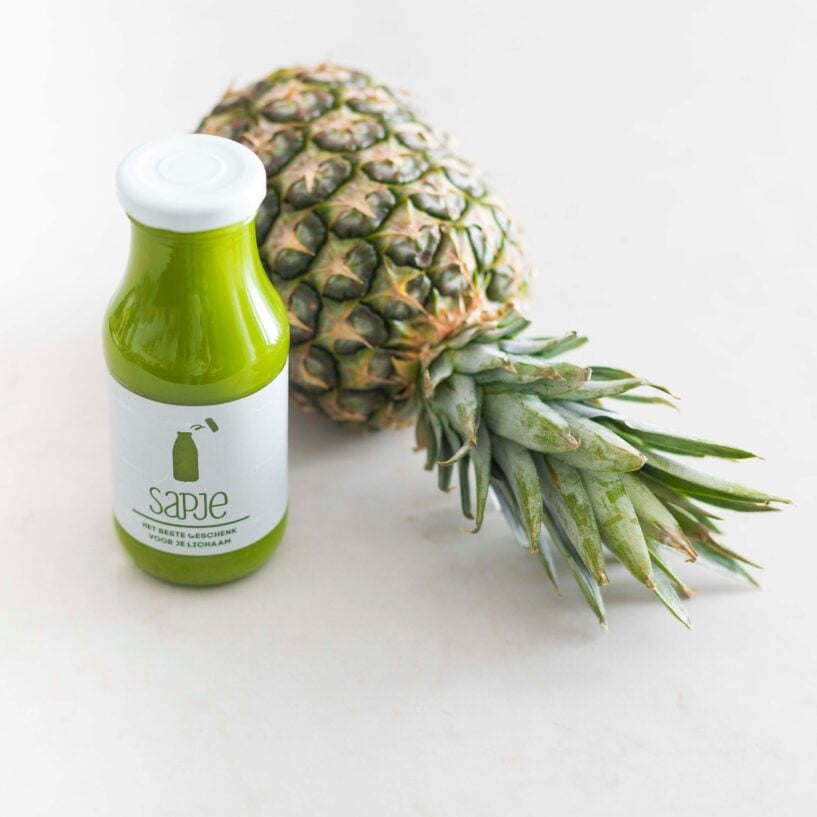
All in all, we are quite surprised how a fruit so delicious can also have so many health benefits. Vitamin C is a real all-rounder, and drinking a pineapple juice with the core juiced along seems to be one of the best ways to add vitamin C to your diet in an all-natural way. The vitamin C in pineapple could be a good daily support for your immune system. There seem to be no risks associated with eating pineapple or drinking pineapple juice: the compound bromelain has very low toxicity[2] and excess vitamin C leaves the body naturally through the urine. The only reason to perhaps not consume too much pineapple juice is the presence of quite a bit of fruit sugars. Boost, Reboot and Ron’s juice are our healthy vegetable juices with pineapple in them.
Pineapple juice recipe
While we actually think that nothing can top our drink Reboot, we also understand that it is a bit complicated to make yourself. So here is a somewhat simpler and equally delicious recipe.
200 grams of pineapple, peeled and sliced. Also use the hard middle part for the large amount of bromelain!
Seeds of half a pomegranate or 50 ml of pomegranate juice.
Sapje of half a lemon.
2 stalks of celery with leaves.
2 cm ginger, peeled and sliced.
Feed your pomegranate seeds and the pineapple, ginger and celery pieces to the slow juicer. To this, add the lemon juice and ready is your deliciously summery and refreshing drink. Super for breakfast!
Conclusion
Pineapple juice is a tasty health booster with an incredible palette of important nutrients. Moreover, it contains the substance bromelain. So it is a great addition to your diet. The only thing that got us thinking is that most pineapples are grown many thousands of miles away from the Netherlands, so it’s not a very environmentally conscious choice. We were also impressed by how long the pineapple plant takes to produce a single pineapple. Respect, then, for that healthy, special and slowly maturing pineapple and its delicious pineapple juice.
What does pineapple juice do to your body?
Pineapple juice is high in vitamin C, manganese and the enzyme bromelain. This enzyme supports digestion, is anti-inflammatory and can help break down proteins. Pineapple juice also helps strengthen the immune system, promotes wound healing and has a mild detoxifying effect on the body.
Is pineapple juice good against swelling?
Yes, pineapple juice can help reduce swelling thanks to bromelain, which has anti-inflammatory properties. It is sometimes used in sports injuries, after surgery or sinus complaints to reduce swelling and tissue irritation.
Why is pineapple juice good for women?
Pineapple contains bromelain, an enzyme that both supports digestion and is anti-inflammatory. This can help relieve digestive complaints that sometimes occur around menstruation.
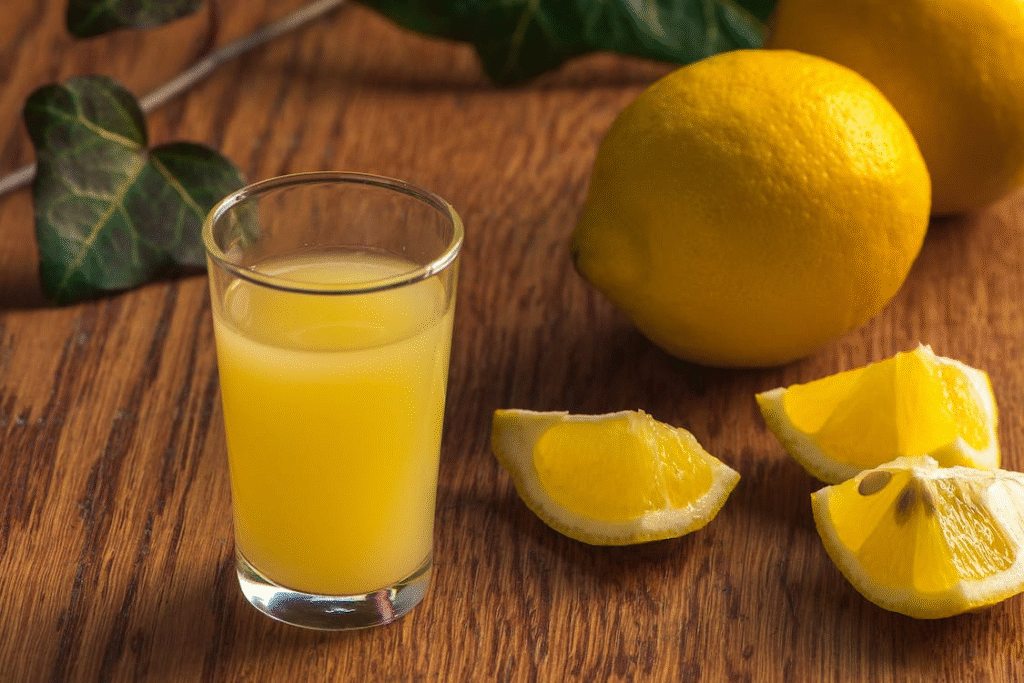
That drinking lemon juice is healthy has been known from experience for centuries. Now it has also been proven that lemon juice has numerous health benefits. Discover them here and learn how you can benefit from them!
The health benefits of lemon juice
Among all the exotic superfruits, the good old lemon(citrus limon) hardly stands out anymore. You would almost forget that this yellow citrus fruit is also full of healthy nutrients. In itself, this is indeed nothing new: as early as the 18th century, naval surgeon James Lind wrote about the health benefits of lemon juice. He advocated citrus fruits as an important aid for sailors to get enough vitamin C during their long sea voyages. Since then, lemons, oranges and other vitamin C-rich fruits were increasingly taken on board.
Lemons are still best known for their high vitamin C content, and rightly so. With the juice of 1 lemon you can already get almost half of your daily dose of vitamin C. This vitamin does a lot of good for your health. But did you know that lemon juice contains many more healthy nutrients? You can read more about them in this article! Among other things, we cover:
Lemon juice is a natural source of the antioxidant vitamin C. Thanks to scientific research on the health benefits of lemon juice, we now know that the juice of this fresh-sour tasting citrus fruit, among other things, supports your:
Meanwhile, it has also been scientifically proven that the antioxidant vitamin C from lemon juice can help fight free radicals in your body. These can cause damage to your cells and tissues. Reason enough, therefore, to make lemon juice part of your diet! Below is a comprehensive overview of the many proven benefits for your health.
Vitamin C in lemon juice
A splash of lemon juice instantly gives your meals or drinks an invigorating and sparkling taste. With the juice of a lemon, you also get an impressive amount of healthy nutrients. For example, 1 medium-sized lemon (weighing about 60 grams) contains as much as 24 mg of vitamin C. Today, we know more and more about the importance of vitamin C for your health. Among other things, this vitamin contributes to the maintenance of:
good resistance (supports your immune system)
healthy iron balance (promotes absorption of iron from food)
healthy skin (important for collagen production)
supple blood vessels (collagen is also needed for this)
strong bones (collagen is also important for this)
healthy blood iron levels (promotes absorption of iron from food)
energy levels (promotes energy metabolism)
a clear mind (good for concentration and memory function)
In addition, vitamin C has a function as an antioxidant, helping your body fight free radicals. These are aggressive molecules that can cause damage to your cells and tissues.
Vitamin C supplements versus lemon juice
Because vitamin C is involved in so many important processes in our bodies, many people have a jar of vitamin C tablets in the cupboard at home. Some vitamin C supplements offer very high doses of vitamin C, in the form of synthetic ascorbic acid, sometimes 1000mg or more. In practice, it is not recommended to take more than 2000mg of vitamin C per day. You may even get intestinal problems from it. Moreover, many supplements contain all kinds of substances, such as binders, anti-caking agents, coatings and preservatives. These have to be broken down by your liver, among other things. In addition, some people may react hypersensitively to them and actually develop symptoms, such as skin rashes, fatigue symptoms or digestive problems. By now you know that by drinking lemon juice you already get a lot of vitamin C as well. Want to drink fresh lemon juice daily? Then be sure to read our tips at the end of this article.
Other substances in lemon juice
The lemon and other citrus fruits such as the orange and grapefruit contain many flavonoids. These usually play a role in determining the color of the fruit. There are at least 4,000 different flavonoids and the lemon also contains a considerable number, including narengenin, hesperidin, eriocitrin, limonene and diosmin (including in the peel).
Is the peel of the lemon also healthy?
The peel of the lemon, like the flesh and juice of the lemon, contains various amounts of the antioxidant vitamin C. In fact, the peel contains more than 2 times as much vitamin C as the flesh of the lemon. In addition, lemon peel is an incredibly good source of the mineral calcium and contains a lot of fiber(1). So basically, it’s a waste to throw away the peel of the lemon. If you have a slow juicer, then it is quite possible to squeeze the lemon peel with it. We do this ourselves for many of our juices. We always use organic lemons and recommend you do the same. Otherwise you may ingest pesticides.
Want to start drinking lemon juice, too? Note this:
As you have read, drinking lemon juice has many benefits for your health. But are there any disadvantages or other things you should know before you make a habit of it? Yes there are, namely:
Pure lemon juice is extremely acidic and therefore affects your tooth enamel. This can lead to duller-looking and more sensitive teeth. It is always a good idea to dilute lemon juice with water, for example, or to mix it with less acidic juices, such as vegetable juices. Drinking diluted lemon juice with a (biodegradable) straw can also help protect your teeth.
Some people are allergic to citrus fruits and, when drinking the juice of these fruits, experience symptoms such as itching, burning or swelling in the mouth and throat. Headaches and digestive problems can also be allergic reactions.
Lemon juice contains a lot of tyramine, which is a substance that leads to migraine attacks in some people. In principle, lemon juice is very healthy and there are few known adverse side effects from it. But every body is different and there are always exceptions. So pay close attention to how your body reacts to drinking lemon juice.
Is lemon juice as good as fresh lemon?
Not quite. Fresh lemon juice from a lemon contains more vitamin C and active enzymes than ready-made lemon juice from a bottle, which is often pasteurized and contains preservatives. So fresh is healthier and more natural.
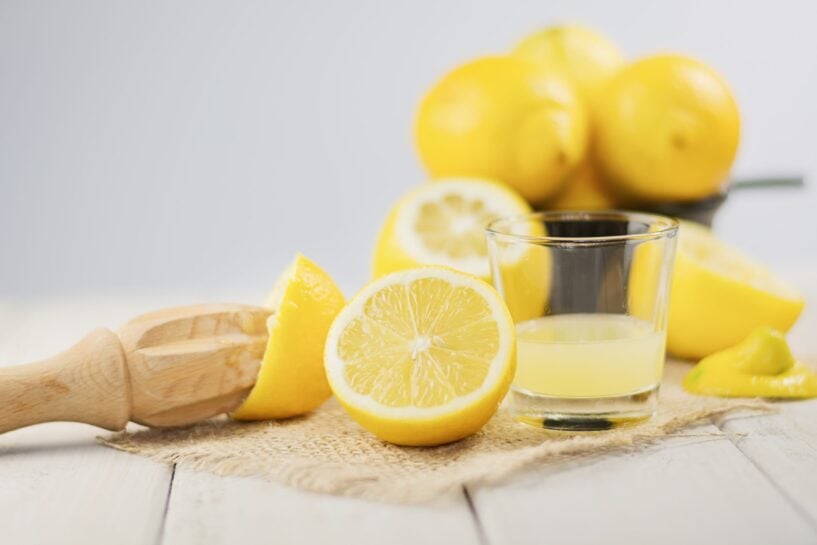
At Sapje, we use fresh lemon juice from lemons and “shock freeze” it right away so it stays nice and fresh, nice!
What does lemon juice do to the body?
Lemon juice supports digestion, stimulates bile production, acts as a mild detoxifier, and helps with hydration. Thanks to its antioxidants and vitamin C, it also strengthens the immune system.
What is drinking lemon juice good for?
Drinking lemon juice is good for several aspects of your health. It supports digestion, helps eliminate waste products and promotes liver function. Thanks to its high content of vitamin C, it strengthens your immune system, while the antioxidants contribute to healthy skin.
An average adult needs about 15 to 11 milligrams of iron daily. Iron is important for the formation of hemoglobin, a component of red blood cells that in turn transports oxygen through our bodies. Iron also provides more energy, a healthy tan in your skin and better condition. It also prevents restless legs and poor concentration. Reason enough to eat a lot of iron. We would like to tell you which vegetables contain a lot of iron.
What does iron contain?
But first we will take a step back. Namely, it is good to know that iron occurs in two forms. We know it as heme iron and as non-heme iron. Heme iron is only found in animal products, such as meat, fish and poultry. This type is somewhat better absorbed by our bodies. Non-heme iron, on the other hand, is found in plant foods, such as vegetables, and meat substitutes. We get about 90 percent of our iron from such plant-based ingredients.
Iron-containing vegetables
To give you an idea: in a 100-gram piece of beef steak, there are about 2.7 milligrams of iron. In a salty herring, it’s 1.4 milligrams. And in a piece of chicken breast of the same weight, 0.7 milligrams. So it’s safe to say that each of these is very iron-rich food. But you don’t have to eat meat, fish or chicken to get enough iron. Foods high in iron also include a number of iron-rich vegetables. Examples include spinach (3 mg), kidney beans (2.5 mg) and arugula (2.6).
More vegetables high in iron
Other vegetables high in iron are asparagus (1 mg), kale (1 mg), endive (0.8 mg), beet (0.8 mg), broccoli (0.7) and sweet potatoes (0.6 mg). In addition to kidney beans, white and brown beans are also very iron-containing vegetables. Especially for vegetarians, young children and pregnant or menstruating women, it is important to take care to take in enough iron. For them, all these vegetables high in iron are a nice addition to their daily diet.
Nutrients for better iron absorption
Are you sure your body absorbs enough iron? Then you can increase your absorption by eating fruits and vegetables that contain a lot of vitamin C, which enhances the absorption of non-heme iron. It is also better to drink a glass of water or a cup of green tea with lemon while eating than a cup of coffee or black tea. The polyphenols in the latter two drinks can reduce your iron absorption by up to 60 percent. So rather save those for another time.
Our juices are packed with healthy nutrients like iron. Check out some of our vegetable juices here.
Fiber contributes to a good digestion, gives you a satiated feeling after eating and reduces the risk of all kinds of nasty diseases such as cardiovascular disease and type 2 diabetes. You need about 30 to 40 grams of dietary fiber per day. One way to get that is to eat fruits high in fiber. To get you started, we would like to put together a list of high-fiber fruits for you. That way you can easily get the right fruit fibers at home.
Row of high-fiber fruits
1. Pomegranate
A pomegranate is the fruit with the most fiber. In fact, one 150-gram pomegranate contains about 5.1 grams of fiber. That is equivalent to 3.4 per 100 grams. Especially the seeds of this fruit are high in fiber. Delicious to suck on, or add to a salad as a garnish.
2. Blackberries
Blackberries are also a high-fiber fruit. In one 125-gram bowl of blackberries, there are already 3.9 fibers. That’s equivalent to 3.1 per 100 grams. You can eat them on the go as a healthy snack. Or you can add them to a bowl of yogurt with granola. Nice and sweet in taste and therefore also good for your body.
3. Raspberries
Raspberries, like blackberries, are particularly rich in fiber. In a 100-gram serving of raspberries, there are 2.5 grams of fiber. Raspberries also taste deliciously pure. The perfect snack in the high-fiber products category, but also a cheerful garnish for breakfasts and desserts.
4. Pear A 225-gram pear contains a whopping 5 grams of fiber. That’s equivalent to 2.2 per 100 grams. Note: be sure to eat a pear with its skin. Because the skin alone contains a third of all fruit fiber. So it’s a shame to peel it off. Just rinse it under the cold tap.
5. Apple
You will also find relatively high amounts of fiber in apple. A total of about 2 per 100 grams. But because an apple easily weighs 135 grams, you’ll get to 2.7 grams sooner. As with pear, much of the fiber in apple is in the skin. So save yourself the trouble of peeling an apple and eat it that way.
6. Orange
An orange contains as much fiber as an apple. About 2 per 100 grams and up to 3.4 grams each. Cut an orange into segments and easily eat the pulp out. Also delicious to squeeze, but remember that a lot of fiber is lost in the process. Squeezed juice contains only 0.3 fiber per 100 grams.
7. Banana
Finally, another high-fiber fruit not to be missed in this list: banana. This yellow rascal contains about 1.9 per 100 grams and that can add up to 3.1 grams of fiber per piece. Very good for your digestion and, as with all fruits with lots of fiber, drink plenty of water with them. Then you’ll avoid constipation.
Combine vegetables high in fiber with fruit fiber
Are you trying to boost your gut flora? Do you want to lose weight by eating easily digestible dietary fiber? Or are you hoping to lower your bad cholesterol levels? Then you can choose to eat other products high in fiber in addition to fruit. How about vegetables, for example? Some vegetables high in fiber are celeriac, endive, pak choi, string beans, green beans and Brussels sprouts. But broccoli, parsnips and pumpkin are also vegetables high in fiber.
Other high-fiber products
Besides fruits and vegetables, there are a lot of other products that are high in fiber. These are found particularly in whole grain cereal products, such as rye bread, brown rice, oatmeal and whole grain pasta or bread. Legumes, such as brown beans, red lentils and chickpeas, are also particularly high in fiber. So are nuts and potatoes. Animal products, such as meat and dairy, do not contain fiber. So products high in fiber are actually always plant-based.
Detox juices are not only a fresh and healthy choice, but also a source of essential nutrients. Whether you exercise to stay fit or want to support your body in recovery, the right nutrients from juices make a big difference. In this blog you will discover what nutrients the juices contain and how they contribute to your energy, performance and recovery. We’d love to tell you more about them!
Why are nutrients important for athletes?
Nutrients such as vitamins, minerals and antioxidants are the building blocks of a healthy and strong body. They play an important role in your energy levels, muscle recovery and reducing inflammation after exercise. For athletes, these substances are especially important because intense workouts create a greater need for nutrients.
Detox juices offer an easy way to get these essential substances. In addition, they hydrate your body and support your metabolism.
The main nutrients in detox juices
Detox juices are full of beneficial nutrients. Here are a few of them listed:
Vitamins
Vitamin C: Strengthens your immune system, promotes collagen production and aids in recovery.
B vitamins: Essential for energy production and proper metabolism.
Minerals
Potassium: Supports hydration and muscle function.
Magnesium: Helps with muscle relaxation and prevents cramping.
Antioxidants
Substances such as flavonoids and polyphenols fight free radicals and support recovery.
Other
Nitrate: Promotes blood circulation and endurance.
Fiber: Although less present in juices than in smoothies, they still support healthy digestion.
Best ingredients for nutrient-rich detox juices
With the right ingredients, make sure your detox juice is rich in the best nutrients:
Beet juice: Rich in nitrate, ideal for endurance.
Spinach: Contains iron and magnesium for energy levels and muscle health.
Citrus fruits: such as orange and lemon for a hefty dose of vitamin C.
Coconut water: A natural source of electrolytes for hydration.
Ginger and turmeric: Anti-inflammatory and perfect for recovery.
Detox juices for performance and recovery
Detox juices can be used both before and after your workout. Before your workout, they give you the energy you need without being heavy on the stomach. After your workout, they help your body recover and replenish essential nutrients.
Frequently Asked Questions
What nutrients are most important for athletes? Athletes especially benefit from vitamins (C, B), minerals (potassium, magnesium) and antioxidants that support energy and recovery.
What ingredients and juices specifically improve athletic performance? Juices with beet, spinach, citrus, coconut water and ginger are particularly effective for energy and recovery. There are, of course, many more.
Discover our detox juice cures
Want to take full advantage of the power of detox juices? Check outour detox cleanse page and find the perfect juice for your goals. Boost your performance and recovery with our nutritious juices!