





Cart

No products in the cart.

Why you should also eat raw

Raw food has been trendy for several decades. Who does not know the images of sixty-year-old women who look like thirty and declare with bright blue eyes and a radiant white smile that they have been eating only raw for twenty-five years? Or the magical stories of people who followed a months-long cleanse at a Raw Food Clinic?

Yet there are other voices. Herbalist Susun Weed, for example, swears by cooking leafy greens for at least an hour.[1] According to her, our bodies are barely able to break down the cell walls of raw vegetables and we only get a minimal amount of nutrients if we don’t cook them.

The British Dietetic Association has declared the Raw Food diet a fake diet and, according to Wikipedia, it is pseudoscientific and potentially dangerous.[2]

What is the path of wisdom amid all these conflicting views? Read on as we take you through various scholarly sources to help you make an informed choice.

We start with what we believe are ten key benefits of including raw food in your diet, but then look deeper into the research that has been done on raw food and the main pros and cons.

In this blog, you will get answers to the following questions:

Greens

10 health benefits of raw food

In short, there are all sorts of reasons why raw is a good addition to your diet. We list them for you here:

  1. Raw foods almost always consist of vegetables, fruits, nuts and seeds: all important cornerstones that should form an important foundation of your diet.
  2. Raw food is easier to prepare (even at the campsite!). Children can also cook along, without fire risk.
  3. Frying foods in a pan or roasting them in the oven sometimes adds unhealthy fats and carcinogens to our diet.
  4. Raw ingredients have more flavor than cooked ones, so you will tend to eat less and enjoy more.
  5. Raw food does not make you feel heavy.
  6. Eating raw food is good for the environment. Think of the huge amounts of greenhouse gases from the dairy and meat industries. But also all the plastic and paper used for packaging processed food. Raw vegetables and fruits are often easily available locally, or you can grow them yourself in a vegetable garden.
  7. Raw foods are high in fiber. Heating breaks down many fibers. Fiber is an important nutritional component.
  8. Raw foods contain all vitamins and antioxidants. Although minerals survive the cooking process, some vitamins and bioactive compounds are lost through heating. When you eat raw, you are guaranteed your full serving of vitamin C.
  9. Raw food requires creativity in the kitchen. It will give you new inspiration to look for raw recipes and cooking methods.
  10. Raw foods add color and cheer to your kitchen. Think beautiful salads with pansies and marigolds or spring rolls with three colors of sprouts in them!


Is raw food healthy?

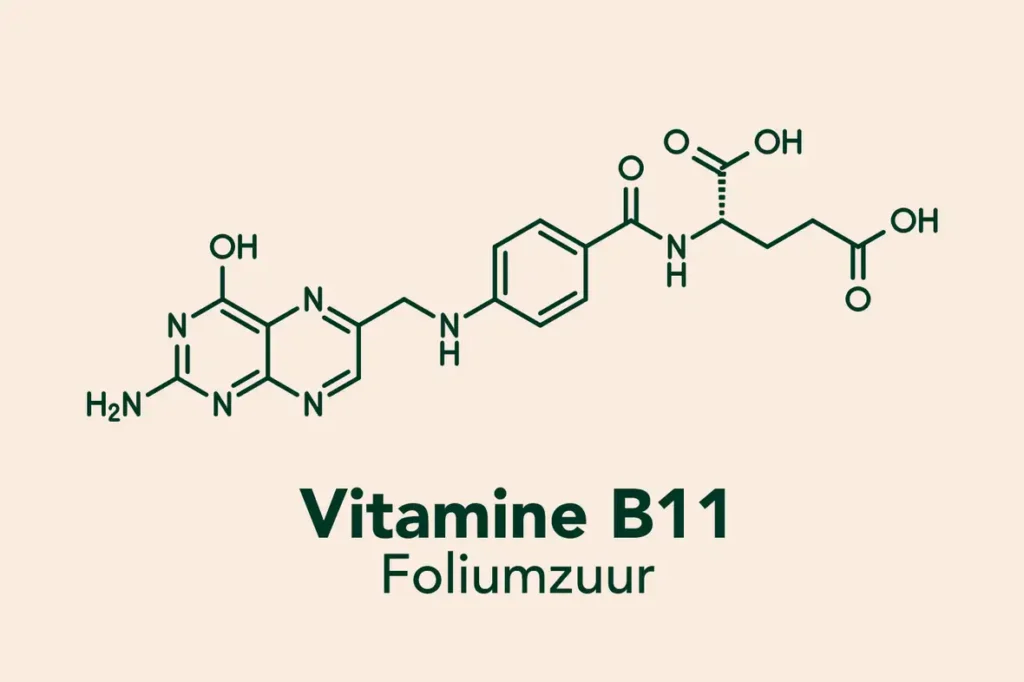
While boiling or baking vegetables, some of the vitamins are lost. There is no escaping this. In particular, vitamin C and folic acid (vitamin B11) are very sensitive to heating. The loss of these vitamins while cooking vegetables can be as high as 50%.[3] Thus, raw vegetables will always contain more vitamins than boiled or baked vegetables. Minerals are more resistant to heat and thus are largely retained during boiling or baking vegetables.

So have fun with those raw broccoli, red cabbage and pak choi! Raw cabbages can be difficult to digest if you eat them, so we heartily recommend incorporating them into a juice so that nutrients can be absorbed quickly and easily.


What about a diet of only raw food? An extensive study in the U.S. found that a large proportion of participants who ate almost exclusively raw for long periods were underweight. Of the women, 30% had stopped menstruating.[5] So, miracle stories notwithstanding, it seems to be the case that a diet consisting only of uncooked plants leads to reduced health. However, a partially raw diet could be very healthy.

Zucchini raw

What happens to vegetables when you cook them?

Are nutrients lost during cooking? Or do certain nutrients actually become more available to the body through the cooking process? The most important thing about food, of course, is that our bodies can actually absorb the nutrients. This is called “bioavailability”: to what extent the nutrients in our food and drink are actually available to our cells.

Under this heading you can read about scientific studies that examined differences in bioavailability between raw and cooked vegetables. We mainly looked at the studies that examined blood levels after eating: this is the best way to measure whether the body actually absorbs the substances. The result: raw often wins, but not always!

A small Dutch study on broccoli found that absorption of the substance sulforaphane was much higher when consuming raw than cooked broccoli.[5] Another study also found that another compound (isothiocyanates) was absorbed three times better after eating raw broccoli, than cooked.[6]

A fairly extensive study of the plant substances in 15 different species from the cabbage family(Brassica), did not have such very clear results. The availability of some bioactive compounds went down with cooking, but that of others went up. Also by the process of freezing there were substances that actually became more available.[7]

It could well be that the difference between raw and cooking is slightly different for each type of vegetable and for each nutrient. There are vitamins, such as vitamin C, that are by definition lost at high temperatures. Other vitamins, however, such as beta-carotene (vitamin A), can withstand heat just fine and may even become more available through cooking.

Conclusion: unless you have a slight obsession with nutrients and enjoy long hours of incisive Internet sleuthing, you are probably best off with lots of variety. Try to eat as many different vegetables as possible both raw and cooked. Then you’ll definitely be on the safe side!

Can the human body break down plant cell walls?

Another common criticism of the raw food movement is that the human body is unable to break down vegetable cell walls and thus has limited ability to absorb nutrients from raw foods. Thus, according to these critics, we should give the body a helping hand by cooking, freezing or fermenting vegetables. The following comparison is sometimes given: imagine you are standing in a room with a million marbles and you are going to strike ferociously around yourself with a sharp sword. How many of the marbles will you cut in half?

The answer, of course, is: none. In this equation, the marbles equal plant cells with cell walls and the sword is your teeth, knife or blender. Conclusion: you won’t get through with just cutting, chewing or blending.

The cell wall of plants consists of cellulose, a very strong substance that allows plants to have the strength (think wood or stems) that the cells of mushrooms and animals lack. The human body cannot digest cellulose. It is done only by intestinal bacteria, but that is so low in the gut that most nutrients are already not absorbed there.

So the question is: Can we get enough nutrients from plants if we can’t digest cellulose? Some anti-raw-fooders say that the cell wall of plants is so strong that we can barely absorb nutrients if we don’t cook or ferment vegetables.

Yet the aforementioned research seems to indicate that certain substances from uncooked broccoli, for example, could be absorbed into the blood despite its indigestible cell walls. Another study showed that blood levels of several essential vitamins and nutrients were significantly higher after eating raw salad.[8] Surely this seems to indicate that we can absorb nutrients from raw vegetables as well.

Of course, it is always more complicated than we would like!
Because humans and human bodies are also flexible and changeable. Research was done on the changes in the bacterial composition in our intestines under a raw or cooked diet. This showed that the bacteria in our gut adapted to the diet and also partially compensated for that diet. For example, under a raw diet, microbes were found to digest starch better. Cool!

Beet raw

What is the best way to eat raw?

Science seems to indicate that we are best off with a varied diet that includes both raw and cooked fruits and vegetables. How can you best prepare the raw part of your diet?

As described above, salads are an excellent way to indulge your body with raw. Of course, we at Sap.je have a penchant for juicing. Our slow juicer slowly grinds vegetables, fruits, herbs and seaweed with screw motions that mimic the chewing motion in your mouth. Because the process is slow, no heat is involved and the ingredients are exposed to as little oxygen as possible. Because the fibers remain in the juicer (you can later incorporate them into cookies or soup), your body can absorb the nutrients quickly and effectively.

Conclusion

Why do you also need to eat raw? Some nutrients seem to be significantly better absorbed by the body if you don’t cook vegetables. Does that mean you should eat only raw? Probably not.

Of course, what we find difficult to capture with all this science is that every person and every body is different. We could imagine that a diet with a lot of raw is very suitable for one person and doesn’t work as well for another. So experiment, and listen to yourself and what works for your body. And above all: don’t take it all too hard, don’t let yourself be pinned down by imaginary rules and Have Fun!

https://www.youtube.com/watch?v=H0VHDrU8d4c

Wild plants: dandelion and nettle

Today we want to take a look with you at the roadside, the ditch edge and the abandoned construction site. Because there, unsuspectingly, grow a number of wild plants that offer their superfood qualities to everyone for free and for nothing. There are many such plants, but in this blog we look at two of the best known: the dandelion and the nettle. Both are strong weeds that no one can ignore: on the most poor and cultivated plots of land, they often come to pioneer, to the despair of many gardeners.

Dandelion and nettle have also been used for centuries by herbalists for their nutritious qualities. Recently, their nourishing potential has also been noticed by the health food world.

Both dandelion and nettle have healthy qualities. What do these plants have to offer you? In this blog, we will take you through the following topics:

Knowing Nettle

Nettle

– Stinging nettles Latin name is Urtica Dioika. Uro is the Greek word for urine.
Stinging nettle has probably been cultivated by humans for over 8,000 years.
– Stinging nettle fibers are strong and have been used for centuries for paper, strong rope, thread and durable fabrics.
– Stinging nettle is also a good natural dark green dye.
– Stinging nettle is a good soil enricher and is ideal for on compost (better without seeds) or in a “compost smoothie.”
– It is said that during the infamous Irish famine, there were people who survived for years with hardly any food other than nettles.
– The Tibetan saint Milarepa is said to have eaten nothing but nettles during his cave retreat. In the end, he was both enlightened and green.
– Stinging nettles may be annoying, but they were and are also used by a variety of folk traditions to cure arthritis, paralysis and cold feet, among other things.

Dandelion facts

– Dandelion Latin name isTaraxacum officinale. Taraxacum seems to come from the Arabic for bitter plant. Officinale is the Latin suffix for a medicine. The English word dandelion is a corruption of the French dent-de-lion (lion’s tooth). Another French name for the little plant is pissenlit (pee-in-bed).

Nutrients 100 grams of raw Nettle (in spring)

Calories36,5 
Protein6,3 g 
Fat1,4 g 
Dietary fiber9,7 g
Vitamin A11403 IU432% RI
Vitamin A as Beta-carotene7860 IU 
Vitamin C0.5 mg1% RI
Calcium318 mg 40% RI
Iron2.5 mg18% RI
Sodium87.7 mg 

Source:[1]

Nutrients 100 grams of raw Dandelion (in spring)

Calories45 Kcal
Protein2.70 g
Fat0.70 g
Dietary fiber3.50 g
Vitamins  
Folate (vitamin B11)27 µg14% RI
Niacin (vitamin B3)0.806 mg5% RI
Pantothenic acid0.084 mg1.4% RI
Pyridoxine (vitamin B6)0.251 mg18% RI
Riboflavin (vitamin B2)0.260 mg19% RI
Thiamine0.190 mg17% RI
Vitamin A10161 IU385% RI
Vitamin C35 mg44% RI
Vitamin E3.44 mg29% RI
Vitamin K778.4 µg1038% RI
Electrolytes  
Sodium76 mg5% RI
Potassium397 mg20% RI
Minerals  
Calcium187 mg23% RI
Iron3.10 mg22% RI
Magnesium36 mg10% RI
Manganese0.342 mg17% RI
Phosphorus66 mg9% RI
Selenium0.5 mg1% RI
Zinc0.41 mg4% RI
Phyto-nutrients  
Carotene-a363 µg
Carotene-ß5854 µg
Crypto-xanthine-ß121 µg
Lutein-zeaxanthin13610 µg

What are health benefits of dandelion and nettle?

Dandelion and nettle have a number of healthy properties and nutritional support potential. Dandelion has been used in traditional ways for centuries in various countries such as Russia, Turkey, China, Mexico and India.

The antioxidant qualities of dandelion leaf, flower and root have also been extensively researched. The plant is said to help combat oxidative stress due to the presence of several nutrients, including vitamin C and manganese. These antioxidants help your body trap harmful free radicals. In addition, the dandelion provides an awful lot of vitamin K, so it supports your blood clotting and helps keep your bones strong. Due to its high vitamin A content, dandelion is good for your eyesight and supports your immune system. Dandelion also contains phytonutrients, such as luteolin, coumaric acid and flavonoids.

Nettle

Stinging nettle has traditionally been used for an almost unbelievable variety of functions. According to herbalist Susun Weed, nettle (strong tea, juice or soup) can contribute to your health in several ways.

Stinging nettle is a very good source of calcium, so it helps keep your digestion healthy and supports your energy levels. In Mexico, because of their high calcium content, both dandelion and nettle have been used for decades to support muscles. Nettle also has a high iron content, so it helps reduce fatigue and is good for your concentration and memory function. Due to its high vitamin A content, nettle also has a positive impact on your immune system.

Is dandelion and nettle dangerous?

According to Susun Weed, there is no possible overdose of dandelion. According to science, dandelion is non-toxic due to the absence of harmful alkaloids[10]. Stinging nettle causes external irritation that usually does not last more than a few hours. Internally, there is a very small chance of negative side effects such as irritation in the digestive system and nausea. However, most people can eat dried or fresh boiled, juiced and finely ground nettles without a problem. There is, however, a New Zealand species of nettle, urtica ferox, which is so toxic that just a few hairs are enough to kill a guinea pig.

Are dandelion and nettle healthy?

Dandelion and nettle are incredibly healthy. They both contain a wide range of vitamins and minerals. Both plants have been used traditionally for centuries in many parts of the world. Now they are becoming increasingly popular in the Western world as well.

Plus, dandelion and nettle are healthy because you have to get outside to gather them for your salad or juice: that saves another stressful visit to the supermarket. And they’re healthy for your wallet, too.

How do you harvest wild plants?

The healthiest plants are precisely the ones that are most common: these are the strong plants that can conjure up lots of minerals even from poor soil with their powerful roots.
For dandelion and nettle, you don’t have to look far. However, it is wise not to harvest plants growing on the edge of fields because of the use of chemical pesticides. It’s also best to avoid plants along busy roads, and if you’re picking in town, use your farmer’s sense and don’t pick from a dog’s poop bed. Always wash anything you pick at dog-height extra well.

Nettle can be harvested all year, but is most nutritious in early spring; February or March. Dandelion leaves and roots are ditto richest in early spring before flowering. When the field turns yellow you can harvest the flowers for juice or salad: they are also the main ingredient for the classic dandelion wine. Later in the fall, the root of the dandelion can again be harvested well, but now has different molecular qualities.

For nettle, you can use gloves. Take a large linen bag and collect your harvest in it. Nettle dries very well (for tea, for example); dandelion is better consumed directly or used in a tincture.

How can wild plants be used in juices?

Most edible wild plants can just go through the juicer. In the case of dandelion, you could juice the roots, leaves and flowers all together. With each wild plant, it varies which parts are edible and which are not, and different plant parts have different qualities. Therefore, do some good research.

David wolfe juice

We use dandelion leaf and nettle in our juice Wild. In it you will also find wild buckthorn, hemp leaf and other exciting ingredients such as turnip greens. While we heartily recommend our juice, it may not be so easy to make at home because it contains quite a few unusual ingredients. Therefore, we hereby give you a simplified version of a super-healthy green juice:

Ingredients:

  • two stalks of celery
  • half a cucumber
  • half a squeezed lemon
  • a good handful of dandelion leaves or nettles
  • one or two green apples

Wash your fresh crop well and cut celery, cucumber and apples into smaller pieces. Feed all those greens to the juicer, squeeze in half your lemon and your super healthy juice is ready.

Conclusion

Nettle and dandelion are packed with nutrients and health benefits, and they have a rich tradition of use on European soil. So you’re not going to get any more “local” than that. Moreover, eating wild plants is adventurous and cannot be done without the primal feeling of going outside to find your own food. That gives a whole other dimension to your juice, promise!


The benefits of apple juice for your health

Appelsap! Many Dutch people have grown up with it. As children, we might have asked for a glass of Appelsientje with dinner or received it in a packet to school. But apple juice has more to offer than just the taste, and has more health benefits than you might think. “An apple a day keeps the doctor away,” isn’t a well-known English proverb for nothing. But what exactly makes an apple so healthy? And what about the juice: is that cloudy fresh juice really that much better than apple juice from a pack or concentrate? Along these and a number of other questions, we take you through this article. You can read about it here:

What are the benefits of apple juice for your health?

1. Apple juice for maintaining good blood pressure

Apples and apple juice are a good source of potassium. This mineral is involved in several important functions in your body. One of these functions is the regulation of your blood pressure. Getting enough potassium through your diet helps maintain normal blood pressure. Potassium works in your body together with the minerals sodium and chloride, which you get mainly from table salt (sodium chloride).

2. Apples are high in fiber

Apples contain pectin, a molecule that makes cells stick together and is also sometimes used as a gelling agent for jams, for example. This little substance is found mainly in the skin of the apple. Pectin is a soluble dietary fiber. Fiber is an important part of a healthy diet. The Health Council recommends getting about 30 to 40 grams of fiber per day. An apple with peel contains an average of 2 grams of fiber. Apples can therefore make a nice contribution to your fiber intake. When drinking apple juice, preferably choose a cloudy variety. This still contains the most fiber and healthy nutrients. Clear (filtered) apple juice contains almost no fiber and a lot less nutrients.

3. Apple juice for a well-functioning nervous system

The mineral potassium from apples and apple juice is not only beneficial for blood pressure, it also plays an important role in the functioning of your nervous system. This is because potassium contributes to nerve impulses being properly transmitted between nerve cells. This signal transmission between nerve cells ensures that the various organs in your body can exchange information and work together.

4. Apple juice for your muscles

Your muscles can also benefit from drinking apple juice. This is because the ample amount of potassium from apples is good for the functioning of your muscles. Moreover, it helps keep your muscles strong and flexible.

5. Convenient to combine with vegetable juices

Want to sweeten vegetable juices in a healthy way? Then apple juice is ideal for this purpose. You do add fruit sugars, but also a lot of vitamins and minerals. Our preference is a ratio of about 85% vegetable juice and 15% apple juice. This way you benefit from the delicious sweet taste of apple juice, but the sugar content of your vegetable juice remains low.

How do you make the best cloudy apple juice yourself?

Making slowjuice apple juice

As you read above, cloudy apple juice, which is made by juicing with the peel, is richest in nutrients such as potassium and the fiber pectin. Here we tell you how to make your own apple juice with a juicer or blender. Or you can taste these juices with apples in them.

Apple juice does not keep very long and starts to oxidize almost immediately after pressing. It then turns browner and loses nutrients. Therefore, we recommend making a small amount of juice at a time, such as from four apples. You could also experiment with adding antioxidants to preserve your apple juice longer. There has been research on the effect of green tea extract to prevent oxidation of apple juice[1], so adding a small amount of very strong green tea might help.

Choose organic apples or soak your non-organic apples in warm water with baking soda in it for a few minutes to remove some of the pesticides. You can do this with organic apples as well, since some natural pesticides may also be used in the growing process.

Cut the apples into pieces and remove the cores. The seeds contain a small amount of a toxic substance and although most juicers won’t squeeze them along, you might want to take them out just to be on the safe side.

Feed the apple pieces to the juicer or slow juicer or put everything in the blender with a small amount of water. If using a blender, strain your apple juice through a cheesecloth or fine-mesh sieve.

Ready is your fresh apple juice: drink it as soon as possible or make your kids happy. By the way, it is also delicious with a small piece of ginger and/or lemon juiced along.

Also, have you read about the benefits of ginger shots?

Is fresh apple juice healthier than juice from a pack?

Fresh apple juice does not keep easily, so it is often pasteurized or made from concentrate if you buy it in a pack at the store. Sugar is also often added to extend the expiration date. While this may be understandable for commercial purposes, the loss of nutrients through these processes is significant. According to research, apple juice lost 70% of all antioxidants through pasteurization. [2]

According to another study, preservation at a temperature of -1.5°C was optimal for retaining as many nutrients as possible and minimizing flavor loss.[3] At Sap.je, we choose to freeze our juice immediately after juicing.

Which apple varieties are the healthiest?

Apples

One should not compare apples with pears, it is said. Rather, compare apples with apples! After all, one apple is not the other. There are more than 7,500 different apple varieties, most of which are not suitable for mass production.

Green, sour apples such as the Granny Smith contain less sugar (and thus carbohydrates) than sweeter varieties. The differences in nutritional values are not otherwise very large, although the green apple has been found to contain twice as much vitamin A as well as more iron, potassium, dietary fiber and vitamin K than most red apples.

However, the sweeter apple varieties are said to contain the most antioxidants and the sweet, red jonagold apple has the highest pectin content[4].

Is organic apple juice better for your health than non-organic?

Organic apple tree

This, of course, is something of a no-brainer: Yes! However, we give some extra consideration to this question here because cultivated apples use particularly high levels of various pesticides. As such, apples are number five on the list of “Dirty Dozen” by the U.S. organization EWG, which researches and maps pesticides on food sources.

So organic apple juice is your healthiest option. Do you have your own garden? Then consider planting an apple tree! What could be a greater pleasure than being able to harvest from your own tree every August or September and enjoy a season or more of puree, juice and pie?

Is apple juice a source of too much sugar?

Sugar in apple

Apple juice contains a fair amount of sugar, consisting of fructose, glucose and dextrose, although the exact amount can vary greatly depending on what types of apples were used and where the apples came from. While apples contribute to a feeling of satiety, this is not necessarily the case with apple juice. Instead, the sweet and hydrating effects could cause you to drink a lot at once. That may not be such a good idea: preferably limit yourself to one glass of apple juice per day.

At Sap.je, we believe that the healthiest juice consists of at least 85% vegetable juice and about 15% fruit juice. You can drink fairly large quantities of our vegetable juices without any problems, whereas you might be better off not knocking back a liter of apple juice in one sitting.

Nutritional value of one medium apple (135 grams)

Kilocalories 76
Fat 0.3 g
Carbohydrates 16.2 g
of which sugars 14.0
Proteins 0.4 g
Salt 0 g
Potassium 166 mg8.3% RI
Vitamin C 7 g8% RI

Is apple juice healthy and why?

Of course, the question of whether apple juice is healthy is not so easy to answer without being specific about what type of apple juice is involved. Fresh cloudy apple juice is healthier than juice from a pack, and juice from sour Granny Smith apples is probably healthier than juice from sweet apples because the sugar content is lower.

If you look at the nutritional value of apples, the content of vitamins and minerals relatively with other fruits and vegetables is not very high. Nevertheless, it seems that some of the dietary fiber such as pectin, especially from the skin of the apple, is very healthy. Pectin is found only in cloudy apple juice and not in clear juice. Apples also contain a number of flavonoids.

So we think apple juice is healthy, provided you choose cloudy juice with no added sugar, and preferably made from organic apples. It is also delicious to combine with other types of vegetable juices, where the apple can add just that touch of sweetness that lifts the taste of your juice from “green” to “divine.”

Ordering apple juice

Apple juice has all sorts of benefits. Apples do not have to travel thousands of miles to reach us, but are our own local superfruits, with roots dating back to our ancestors. Apple juice contains the fiber pectin and the mineral potassium, which is good for your muscles, nervous system and blood pressure. Apple juice is also an excellent way for the bigger sweet tooth or difficult-eating children to introduce a healthier element into the diet. And of course, kids also really enjoy making their own juice. So plant your sapling today and who knows, maybe in about four years you’ll be juicing your own homemade apple juice. Below you can see which juices all contain fresh raw apple and Granny Smith.

Source:

  1. Klimczak, I., & Gliszczyńska-Świgło, A. (2017). Green tea extract as an anti-browning agent for cloudy apple juice. Journal of the Science of Food and Agriculture, 97(5), 1420-1426. https://doi.org/10.1002/jsfa.7880
  2. Baboli, Z. M., Williams, L., & Chen, G. (2020). Rapid pasteurization of apple juice using a new ultrasonic reactor. Foods, 9(6), 801. https://doi.org/10.3390/foods9060801
  3. Gou, X., Tian, Y., Yang, X., Sun, L., & Guo, Y. (2019). Freezing point temperature is in favor of not-from-concentrate apple juice storage. Food Science & Nutrition, 7(7), 2242-2251. 10.1002/fsn3.1028
  4. Apple (raw) Benefits, Uses, Side Effects – Joyful Belly School of Ayurveda

The 10 healthiest vegetables

In this blog, we take a look at ten of the most healthy vegetables you can add to your healthy lifestyle. Of course, such a list is never quite complete: all kinds of vegetables are healthy for very different reasons. The list below contains 10 toppers worth getting to know better, all of which lend themselves to contributing to your diet and health in many ways. We recommend eating these vegetables organically as much as possible. That way you avoid ingesting pesticides and other toxins into your body. And, of course, growing them yourself is absolutely beautiful!

How do I eat vegetables?

Most leafy greens such as salad and spinach as well as sprouts and celery are really best eaten raw or drunk in a juice to preserve the maximum amount of nutrients. Cabbages change in nutrient content when cooked and some you can digest better when cooked or steamed. The same can apply to red beets and celeriac. All of the vegetables below can also be juiced and most are also used in Sapje’s recipes. Juicing is a good way to make vegetables easier to digest and nutrients more available for absorption in the stomach and intestines.

How many vegetables should I eat a day?

The nutrition center recommends eating 250 grams of vegetables a day. That’s quite a lot and may require some planning; a small salad at lunch, for example, can help meet the target. However, according to new research, the more vegetables, the better. Juices and smoothies, in our opinion, are an ideal way to get a lot of vegetables in one sitting, contributing to a healthy daily intake of vitamins, minerals and other micronutrients.

1. Germs

Sprouts are baby plants of radishes, broccoli, lentils, beets and beans, for example. Since there are many different varieties, the nutritional value can vary quite a bit. Radish, broccoli and beet sprouts are the biggest health hits, leaving bean sprouts far behind in terms of mineral and vitamin content. Since each sprout is the young living beginning of an entire plant, you might imagine they are powerful foods. Broccoli sprouts, for example, are high in vitamin C, A, iron, calcium and dietary fiber. Moreover, they contain up to 60 times more sulforaphane than the adult broccoli. [1]

2. Kale

Kale

According to many health sites, in terms of leafy vegetables, kale is the number one choice. Still nice that some of our healthiest greens are the proud main ingredients of our Dutch stew. Kale has been a health trend for more than a decade and graces the juices, smoothies and salads of many a California yoga practitioner. So you can go all sorts of ways with it: classic next to the smoked sausage, Asian-style in miso soup or raw in a juice or smoothie.

Kale contains an impressive amount of nutrients: large amounts of vitamins A, B6, C, folate, potassium and calcium. Because of its high calcium content, kale supports your digestion and helps keep your bones strong, among other things. Moreover, there is a lot of fiber in these curly leaves and it is also packed with antioxidants.

3. Endive

Another Dutch golden oldie: endive. Endive and its close relative chicory are not everyone’s favorite because of their bitter taste. But it is precisely this bitter taste that contributes so much to the healthiness of endive. In addition, bitter vegetables such as endive and chicory typically contain a lot of folic acid (vitamin B11) and especially K. Folic acid contributes to the production of cells and tissues in your body, including the formation of red blood cells. Vitamin K supports the clotting of your blood and is good for your bones.

4. Spinach

Spinazie 1 scaled

Within one generation, spinach has emancipated from creamy frozen frozen cubes to an all-rounder and everyman’s friend. It is less bitter and tough than endive and kale, less spicy than arugula and many times more nutritious than many other lettuce varieties.

Although the famous amount of iron in spinach is not so bad, this leafy vegetable is high in vitamins K, A and B1 and the mineral potassium. Potassium plays a role in maintaining strong muscles. So perhaps Popeye was on the right track after all. In addition, spinach contains glycolipids and nitrates. At Sapje, we have also developed a spinach juice called Recharge that contains a total of 325 grams of vegetables!

5. Beets

Both the leaves and tubers of the beet are a good addition to your diet. Like other root vegetables, beet has a grounding effect. The leaf and tuber (the beet itself) are full of vitamins and minerals, including potassium, an important nutrient for the normal functioning of your muscles. Beets also contain nitrates and betalains. The latter give beets their distinctive red color. You can also get beets in in juice form, we made the drink Energy which has been one of our best-selling juices for years.

6. Cabbage

Cabbage is another vegetable with which you can vary so much that there is something for everyone. If you don’t like cabbage salad, you might like to eat it cooked in (miso) soup or borscht or as part of goulash. If that’s not for you, you can make the cabbage into a juice, or you can ferment it with some salt to make sauerkraut or further process it into kimchi. Raw cabbage is bursting with nutrients such as vitamin C, folic acid and vitamin K. Antioxidants such as vitamin C can help protect your cells and tissues. Cabbage is also very rich in dietary fiber.

7. Seaweed

Zeewier 1 scaled

Seaweed is a great source of all kinds of minerals that you don’t find so easily in “above-water” vegetables. Many types of seaweed contain a large amount of iodine, playing an important role in thyroid function. Alternative nutritionists therefore recommend eating seaweed. The undersea green also contains a variety of vitamins and minerals and is also a good source of antioxidants, dietary fiber and polysaccharides.

The only thing to watch out for with seaweed is that much of it is imported from Japan and thus could contain radioactive particles. That’s why we use seaweed that just grows in the North Sea when juicing dulse!

8. Celery

Celery has assumed an almost magical status thanks to the health trend started by “Medical Medium” Anthony Williams. The Internet overflows with pictures of celebrities with their daily celery juice in hand and with miracle cure stories of all sorts of chronic ailments. Juicing a stalk of celery a day is said to be so healthy because it is incredibly rich in vitamins and minerals. Moreover, celery is one of the most alkaline (i.e., non-acidic) foods and thus can be a good addition to the often highly acidified diets of people in the West.

Anthony Williams attributes many health benefits to celery. While not all of these have been scientifically proven, it is certain that many startling stories can be found about the benefits of celery juice. Also certain is that celery contains high amounts of vitamins C, A and K, as well as the mineral potassium. Read all the benefits of celery juice for your health here.

Celery in a (pure) juice tastes intense, but is super healthy. In a salad it combines well with apple and walnuts, and another tasty way to eat it is as a “dip stem” with (beet) humus or another dip.

9. Celeriac

Since celery and celeriac come from the same plant, it is not too much of a surprise that celeriac is also a very healthy vegetable. Like other roots and tubers, celeriac is a grounding, warming vegetable that does especially well in soups and casseroles. It is also very tasty when baked in slices like a steak or fried like fries.

The tuber contains a palette of nutrients such as vitamins C and B11 and the mineral potassium. Celeriac can also be eaten raw; grated or in a juice. Thanks to its high potassium content, celeriac is good for your blood pressure, among other things. In addition, vitamin B11 (folic acid) and vitamin C are good for your brain function and cognition.

10. Wild: Dandelion Leaf & Nettles

Nettle

Wild plants usually contain a large number of very important nutrients. Here the rule applies: the more recalcitrant the weeds, the healthier! Therefore, don’t pull all the dandelions and nettles out of your garden, but give them their own field to harvest from. Without any effort, you can enjoy salad leaves (the dandelion), tea (the nettle) and soup or juice vegetables almost all year round. Nettle is bursting with calcium, so it supports your digestion. Among other things, dandelion is a good source of vitamins A and C.

Conclusion

We hope this article has inspired you to start eating more vegetables again. As you may have concluded, there are endless ways you can prepare and consume vegetables. They often have a deep flavor and bring variety and texture to your food. And, of course, after eating a meal with lots of vegetables, you just feel more delicious! And, if you don’t feel like all that cooking stuff, just throw them in the slow juicer, right?

Feed your body with 10 pounds of organic vegetables?

At Sapje, we love making delicious vegetable juices. Because everyone has different tastes, we have developed many different juice recipes. Because we also regularly collaborate with top chefs and health experts, you can now order as many as 16 different vegetable juices from us. This makes it easy to get the nutrients from as many as a hundred seasonal and local ingredients. This variety makes drinking our vegetable juices healthy. All the more reason, then, to order our colorful juice box containing all our slow juices.

Making blueberry juice at home with 2 delicious recipes

Would you like to make your own blueberry juice? With these 2 tasty recipes you can take full advantage of the health benefits of blueberry juice. Want to read more about the health benefits of blueberry juice? Then read more information on this blog.

Did you already know that blueberries contain enormous amounts of healthy nutrients? They are rich in vitamins and minerals and are low in calories. In addition, blueberries are among the most antioxidant-rich foods in the world. The health benefits of antioxidants in blueberries are becoming increasingly clear through scientific research. Read this article if you want to learn more about the health benefits of blueberries. If you want to take advantage of all the goodness in blueberries right away, you can make blueberry juice from them. This way you can easily get a good amount of berries and it’s tasty too! Below are two delicious recipes to make blueberry juice a piece of cake.

Different kinds of blueberries to make juice from

In the Netherlands, you generally encounter two different types of blueberries: one mainly in stores, the other in the wild. Both blueberries are very healthy, but there are differences. The somewhat larger, rounder berries you can usually buy in stores under the name “blueberries” are the fruits of the Vaccinium corymbosum. This is found in the wild in the United States and elsewhere, but not here. However, they are widely cultivated because they grow in clusters and are easy to pick. They have light flesh and a mild, sweet flavor. You can buy them year-round, though sometimes in the frozen section. Even frozen, these blueberries are still healthy. The blueberry that you can also pick in the wild in our Netherlands is a different type of berry, from the Vaccinium myrtillus. This one does not grow in clusters, but with more distance between the berries, which are also somewhat smaller. They have dark purple flesh and taste a bit more acidic and tart. You can pick them in the wild between April and June and sometimes again later in the (late) summer. You can make the following blueberry juice recipes with both types of blueberries.

Blueberry juice recipe

Blueberry juice recipe

This delicious dark purple juice combines (wild) blue (bilberry) berries with (wild) blackberries, purple bilberry and a little lemon. In spring and (late) summer you can pick the blueberries and blackberries yourself in the wild. This is a fun way to enjoy a beautiful day and free too! Choose berries and blackberries that are a dark blue or purple color, a little soft to the touch and easily detached from the branch. Wild fruits are often very rich in healthy nutrients. Out of season, you can also choose blueberries and blackberries from the store, possibly in frozen form. They hardly lose freshness and nutrients when frozen, if all goes well. Fruits from the freezer are also often a bit more economical. Of course, you should thaw them for a while before pressing them.

Supplies per person:

  • 2 handfuls (wild) blackberries
  • 1 purple beet with stems
  • 1 handful of (wild) blackberry leaves
  • 1 handful (wild) blueberries
  • 1/4 lemon
  • 1 wedge of lemon peel

Preparation:

1. Wash the blackberries well and squeeze them in the slow juicer.

2. Scrub and wash the beet thoroughly and cut into wedges. Squeeze these, including stems, into the slow juicer.

3. Wash the blackberry leaves and squeeze them in the slow juicer.

4. Wash the blueberries and squeeze them in the slow juicer.

5. Squeeze the lemon without peel, but with white rim, in the slow juicer.

6. Finally, squeeze the piece of lemon peel into the slow juicer as well.

Blueberry juice recipe

This blueberry juice with cabbage, plums, carrot and aloe vera supports your immune system, among other things, because it contains a lot of vitamin C. Be surprised by this exciting combination of ingredients! Pick the berries in the forest or buy them at the store. Use aloe vera from your own plant (do follow the instructions carefully).

Supplies per person:

  • 2 handfuls of purple pointed cabbage
  • 2 roots
  • 1 handful of blueberries
  • 1 blue plum
  • 1/4 stalk of aloe vera

Preparation:

1. Remove and discard the outer leaves of the pointed cabbage. Cut the pointed cabbage small and squeeze it in the slow juicer.

2. Remove the ends of the carrots, cut them into small pieces and squeeze them in the slow juicer.

3. Wash the blueberries and squeeze them in the slow juicer.

4. Remove the stone from the plum and squeeze it in the slow juicer.

5. Cut away the green skin of the aloe vera completely, leaving only the white, slimy fruit, and squeeze it in the slow juicer. Note: remove the peel carefully, as aloe vera peel is toxic to consume!

After juicing, drink your juice as soon as possible. Do you make larger quantities at once for convenience? Then you can freeze what’s left over, if necessary.

Buying blueberry juice: here’s what to look out for

Would you like to make your own blueberry juice, but don’t have the time to do so? Then buying blueberry juice is a good alternative. Preferably choose pure, organic blueberry juice without additives. Blueberry juice without sugar is of course the best. Juice from concentrate often contains much less nutrients, so if you want to benefit from the health benefits of blueberry juice, it is best to leave it out. Want to benefit from the amount of antioxidants in berries? Then our Antioxidant shot is worth a try. In addition to blueberries, this contains other wild berries and fruits with high antioxidant value. You will also find the berries in our Recover juice, Wild juice and Ron’s juice. All our juices are pressed with the slow juicer, immediately frozen and poured into glass to preserve all the healthy nutrients naturally, without unnatural additives. We deliver them to your home with the freezer truck at your convenience. All you have to do is thaw them and enjoy all the good that berries have to offer!

What is the difference between blueberries and blueberries?
Although they are often confused, there are distinct differences:

Blueberries are the cultivated variety. They are larger, have a smooth, blue-gray skin and light green or white flesh. They taste mild and are often found in supermarkets.

Blueberries are the wild variety. They are smaller, darker in color, and have purplish-blue flesh that is strongly colored. They have a more intense, slightly sour taste and contain more antioxidants than blueberries.
What do blueberries do to your body?
Blueberries are packed with antioxidants, especially anthocyanins, which are anti-inflammatory and protect the body from cellular aging. They also support heart health, brain function and immune system.
What do blueberries do to your gut?
Blueberries are rich in fiber and polyphenols that have beneficial effects on gut flora. They promote the growth of good gut bacteria, support regular bowel movements and can reduce inflammation in the intestines.
What is the best way to make my own blueberry juice?
On this page we provide two comprehensive juice recipes to make your own healthy blueberry juice. Choose organic and preferably fresh berries. That way you can be sure you are eating only healthy produce. You will need a slow juicer for both recipes. A slow juicer ensures that you get all the important vitamins and minerals from the berries and they end up in your glass. Don’t have a slow juicer? Then use a hand blender or blender.
After making the blueberry juice, it is best to drink the juice immediately. This way you can be sure you get most of the vitamins and minerals. Do you want to store the juice longer? Then freeze it immediately after making it.
Where can I find a good blueberry juice recipe?
We have several, healthy and delicious blueberry juice recipes on our site. These recipes are easy to follow and you easily and quickly make these recipes at your home.
Keep in mind that the recipes are based on using a slow juicer. Don’t have one at home? Then, of course, you can also use a blender or hand blender.
What makes blueberry juice healthy?
Blueberries are rich in many vitamins and minerals while containing very few calories. This combination makes them very healthy. In addition, they are also very tasty. Therefore, they are often eaten and, for example, mixed in juices, yogurt or other dishes. Are you curious about all the health benefits and effects of eating blueberries? We explain it in detail in our ingredient list.
What should I look for when buying blueberry juice?
When buying blueberry juice, choose pure, organic blueberry juice with no additives. Blueberry juice without sugar is, of course, the best.
Juice from concentrate often contains much less nutrients. So these juices are better left alone.
Want to benefit from the amount of antioxidants in berries? Then our Antioxidant shot is worth trying. In addition to blueberries, this contains other wild berries and fruits with high antioxidant value. You will also find the berries in our Recover juice, Wild juice and Ron’s juice. All our juices are pressed with the slow juicer, immediately frozen and poured into glass to preserve all the healthy nutrients naturally, without unnatural additives.

5 proven benefits of blueberry juice for your health

It’s scientifically proven: blueberry juice is healthy! Discover 5 key health benefits of blueberry juice.

What makes blueberry juice so healthy?

Blueberry juice has many different benefits for your health. First, blueberries are rich in healthy nutrients, such as vitamins, minerals and antioxidants. At the same time, they are low in calories. Different types of berries each have their own health benefits, but blueberries score the highest when it comes to antioxidants. In fact, blueberries are among the most antioxidant-rich foods in the world. In this article, we describe the most common nutrients in blueberry juice and the health benefits associated with them. Read on and discover:

  • which vitamins and minerals are common in blueberry juice
  • what antioxidants are found in blueberry juice
  • What science says about the benefits of blueberry juice for your health
  • What to look out for when buying blueberry juice.

What is blueberry juice made from?

There are several varieties of blueberries. We will discuss two of them here, each of which has its own benefits. Both types of blueberries are a delicious and healthy snack between meals, or a nice addition to your breakfast. By drinking blueberry juice, you get a lot of the good nutrients from blueberries in an easy way. The somewhat larger, rounder berries you can usually buy in stores under the name “blueberries” are the fruits of the Vaccinium corymbosum. These blueberries are also called bunch blueberries because they grow in clusters on the branch. This makes them easy to pick. Therefore, this type of blueberry is widely cultivated; including in our own country. In North America this species occurs in the wild, in Europe it does not. You can often buy it year-round in the Netherlands; possibly in frozen form. Even then, this blueberry is still healthy.

Wild blueberries for picking

The blueberry that you can also pick in the wild in the Netherlands is a different type of berry, from the Vaccinium myrtillus. This blueberry is slightly smaller and does not grow in clusters like the blueberry. Whereas the blueberry has light flesh, the wild blueberry has dark purple flesh, so its juice is also much darker colored. Blueberries also stand out for their mild, sweet flavor, where wild blueberries often taste a bit more acidic or tart. You can pick European blueberries in the wild between April and June; sometimes there is a blooming period later in the year and you have a second chance. In general, wild berries are very rich in nutrients. That’s why, for example, we made our Antioxidant shot with mostly wild-picked berries.

Vitamins, minerals and antioxidants in blueberry juice

As small as they are compared to many other fruits, a glass of blueberry juice from a handful of berries gets you a good dose of healthy nutrients. Blueberry juice is a source of many different vitamins, minerals and antioxidants. Our blueberry juice also contains good amounts of vitamins B6, C and E. In addition, our blueberry juice also scores high when it comes to vitamin k and antioxidants, and it contains flavonoids.

Antioxidant shot

Antioxidants in blueberry juice

Blueberry juice is one of the richest sources of antioxidants available. They contain several types of antioxidants, including vitamins C and E. Antioxidants are nutrients that fight free radicals. Free radicals can damage your body’s cells. Because of this, antioxidants can help protect your body from oxidative damage, such as from sunlight or air pollution. Anthocyanins, quercetin and resveratrol are also present in these healthy berries.

Blueberry juice versus other types of berry juice

According to science(1), most types of berry juice are relatively full of antioxidants. Compared to other types of berries, blueberry juice scores the highest, according to a Chinese study (2) that compared blueberries, blackcurrants and strawberries based on their antioxidant value.

The science about blueberry juice

Over the years, much scientific research has been done on the health benefits of blueberry juice. This has focused mainly on the effects of the antioxidants it contains. As part of a British study (3) on the protective effect of antioxidants in fruits, 168 healthy subjects drank a liter of fruit drink made from apple juice and blueberry juice for four weeks. In this study, the researchers paid particular attention to the antioxidant ascorbic acid (vitamin C). This study found that the antioxidants in this fruit drink helped protect the subjects from damage caused by free radicals. Another, small-scale study (4) confirmed the protective effect of blueberry juice against oxidative damage.

5 proven benefits of antioxidants in blueberry juice

There has been scientific research on the specific processes in the body that the vitamins, minerals and antioxidants in blueberry juice can have a positive effect on. The vitamins, minerals and other nutrients in blueberry juice can:

1. protect against free radicals that damage cells, as blueberry juice is high in vitamin E, among others.

2. promote energy metabolism. This is because vitamin K and C from blueberry juice help release energy from your food. In this way, blueberry juice supports your energy levels.

3. contributes to the proper clotting of your blood because vitamin K from blueberry juice plays a supporting role in normal blood clotting.

4. is good for building cartilage in the joints. The vitamin C from blueberry juice is contributes to normal collagen formation for normal cartilage function.

5. can help maintain strong bones, due to the vitamin K. Vitamin K helps with the absorption of minerals into bone tissue.

Sea buckthorn berries

The best of berries in our juices

Want to make your own blueberry juice? Then check out our blog with delicious recipes for blueberry juice. Don’t have time for this and prefer to buy blueberry juice? Make sure you choose organic blueberry juice without sugar or other additives. Are you especially interested in the large amount of antioxidants in blueberry juice?

Then try our Antioxidant shot. This contains not only blueberries but also other antioxidant-rich (wild picked) berries and other fruits, such as black currants, aronia berries, red currants, cranberries, sea buckthorn berries and pomegranate. This shot contains the highest natural antioxidant value in the world, making it an ideal support for your health! Want to try some other juices with berries? Then check out our Recover juice, Wild juice and Ron’s juice. These too are rich in vitamins, minerals and antioxidants. Because we press all of our juices with the slow juicer, then immediately freeze and store them in glass, those healthy nutrients are optimally preserved. When ordering, indicate when you would like to receive your juices at home and we will come and deliver them by freezer truck. So even if you have little time, you can easily support your health with fresh berry juices!

What nutrients are in blueberry juice?
Blueberry juice is a source of many different vitamins, minerals and antioxidants. Our blueberry juice also contains good amounts of vitamins B6, C and E. Moreover, our blueberry juice also scores high when it comes to vitamin k and antioxidants, and contains flavonoids.
So what makes blueberry juice so healthy?
Blueberries are healthy for several reasons. For one, they are rich in vitamins, minerals and especially antioxidants. In addition, they are low in calories.
The antioxidants in blueberries help protect your body from oxidative damage, such as from sunlight or air pollution. Blueberries are among the most antioxidant-rich foods in the world.
How do I make my own blueberry juice?
Would you like to make your own delicious and healthy blueberry juice? On our site there are two delicious and most importantly healthy recipes, with which you can easily make blueberry juice at home.
These two recipes for blueberry juice are based on the use of a slow juicer. This is because a slow juicer provides more vitamins and minerals in your glass. Don’t have a slow juicer at home? No problem. Replace the slow juicer in the recipe with a blender or a hand blender.
What makes blueberries healthier than other berries?
Many berries are delicious and healthy. What makes the blueberry healthier than its peers? The amount of antioxidants in the berry. The blueberry contains significantly more antioxidants than other berries. Antioxidants help protect your body from free radicals.
What is the difference between blueberries and blueberries?
Although they are often confused, there are distinct differences:

Blueberries are the cultivated variety. They are larger, have a smooth, blue-gray skin and light green or white flesh. They taste mild and are often found in supermarkets.

Blueberries are the wild variety. They are smaller, darker in color, and have purplish-blue flesh that is strongly colored. They have a more intense, slightly sour taste and contain more antioxidants than blueberries.
What do blueberries do to your body?
Blueberries are packed with antioxidants, especially anthocyanins, which are anti-inflammatory and protect the body from cellular aging. They also support heart health, brain function and immune system.
What do blueberries do to your gut?
Blueberries are rich in fiber and polyphenols that have beneficial effects on gut flora. They promote the growth of good gut bacteria, support regular bowel movements and can reduce inflammation in the intestines.

Tomato juice: all the proven health benefits

Drinking tomato juice is a great way to support your health. It is full of vitamins, minerals and antioxidants. Read more about it here!

What makes tomato juice healthy?

Tomato juice is a true classic in juice-land: it is said to have been first made in the United States back in 1917. It quickly became popular: from the 1920s it was already widely produced there. Tomato juice is the main ingredient of a hearty Bloody Mary cocktail, but even without a splash of vodka, tomato juice is a drink that will give you a boost. This is because when you drink fresh, organic tomato juice, you get a good dose of vitamins, minerals and antioxidants. At the same time, tomatoes are low in calories and pure tomato juice contains no added sugars. These factors make tomato juice healthy. Read on quickly and find out:

  • why it’s better to drink fresh-pressed tomato juice than packaged tomato juice
  • what vitamins and minerals make tomato juice so healthy
  • what you need to know about the compound lycopene in tomato juice
  • Why tomato juice is also a suitable drink if you are extra health conscious
  • how to make your own tomato juice (including a delicious recipe from our great juice book)

How healthy is tomato juice?

Of course, how healthy tomato juice is depends on any added ingredients and the processing process. Basically, it’s best to choose tomato juice that contains only the juice of fresh, ripe, raw tomatoes with no salt, sugar or preservatives added. Fresh tomato juice will be the most nutrient-rich, so using a pack from the store won’t give you the healthiest choice. This is also often made from concentrate, so tomato paste to which water has been added and thus not very fresh.

Freshly squeezed tomato juice

Fresh, organic tomato juice that you have squeezed yourself is very healthy. At the end of this article you will find a tasty recipe to make your own tomato juice. Don’t have time to make your own tomato juice? Then you can also buy it. The best option is organic tomato juice that has been preserved naturally to preserve the nutrients; for example, by freezing the juice. At Sapje, we choose the freezing method for all our juices, including our tomato-based juices and our delicious organic tomato soup. Read on quickly to discover what good quality tomato juice can do for your health!

Tomato juice power

What nutrients are in tomato juice?

Ideally, your fresh tomato juice contains nothing but the juice of tomatoes (although you’ll discover other healthy ingredients in our recipe, but they don’t detract from the health of the fresh tomatoes that go into it). Let’s dig a little deeper into the nutritional profile of the tomato to see how healthy it actually is. According to the U.S. USDA (1), a medium-sized, ripe, raw tomato contains about:

  • 22 calories
  • 4.8 grams of carbohydrates
  • 1.1 grams of protein
  • 0.2 grams of fat
  • 1.5 grams of fiber
  • 3.2 grams of sugars

So a tomato is low in calories, but rich in vitamins and minerals. Below we list the healthy nutrients in tomato juice and their health benefits for you!

Vitamins and minerals in tomato juice

According to the above source, a medium-sized, ripe tomato contains approx:

  • 16.9 milligrams of vitamin C (good for your immune system, skin and protection against free radicals)
  • 51.7 international units of vitamin A(good for your eyes, skin and resistance)
  • 9.7 micrograms of vitamin K (supports healthy blood clotting and maintenance of strong bones)
  • 292 milligrams of potassium (good for your muscles, nervous system and healthy blood pressure)
  • 0.1 milligrams of vitamin B6 (contributes to good energy levels, among other things)
  • 18.4 milligrams of folic acid (supports red blood cell production)

In addition, a tomato contains even smaller amounts of the following nutrients:

  • vitamin E (helps protect against free radicals)
  • calcium (good for bones, teeth and muscles)
  • iron (supports resistance, energy levels and a clear mind)
  • magnesium (good for concentration and bones)
  • phosphorus (promotes your energy metabolism)
  • zinc (good for your concentration, skin, hair, nails and resistance)
  • copper (contributes to a healthy immune system and nervous system, among other things)
  • niacin (vitamin B3, contributes to energy supply)
  • pantothenic acid (vitamin B5, also contributes to energy supply)
  • choline
  • betaine
  • lycopene

For an average glass of tomato juice, you quickly use 2 medium-sized tomatoes, so this will give you a double dose of these healthy nutrients!

Lycopene and antioxidants in tomato juice

Tomato juice is a very rich source of antioxidants. Among other things, it contains a lot of vitamin E. These and other antioxidants in tomato juice can help your body trap free radicals. As a result, they help protect your healthy cells and tissues from oxidative damage.

Tomatoes are also known for their high content of lycopene (2). Lycopene is a carotenoid found exclusively in plants and is responsible for the red color of tomatoes. It is also often added to produce as a natural coloring agent. Other carotenoids in tomatoes include beta-carotene, gamma-carotene and several other forms.

Lycopene in raw and cooked tomatoes

Research (3) has shown that heating tomatoes causes the lycopene they contain to be even more easily absorbed by the body. This is especially true if the tomatoes are prepared with some form of fat, such as olive oil, for example. So do you want to take extra advantage of lycopene? Then make a nice tomato soup with a dash of olive oil in it!

Again, heating is usually not so good for other nutrients, such as vitamins and minerals. So want to reap the benefits of all those other beneficial compounds in tomato juice? Then drink it in its fresh, unprocessed form. Of course, you can also “have it both ways” by alternating raw tomato juice and cooked tomato soup. Fortunately, our recipe for ‘gazpacho’ tomato juice/tomato soup at the bottom of this article is delicious and healthy both cold and hot!

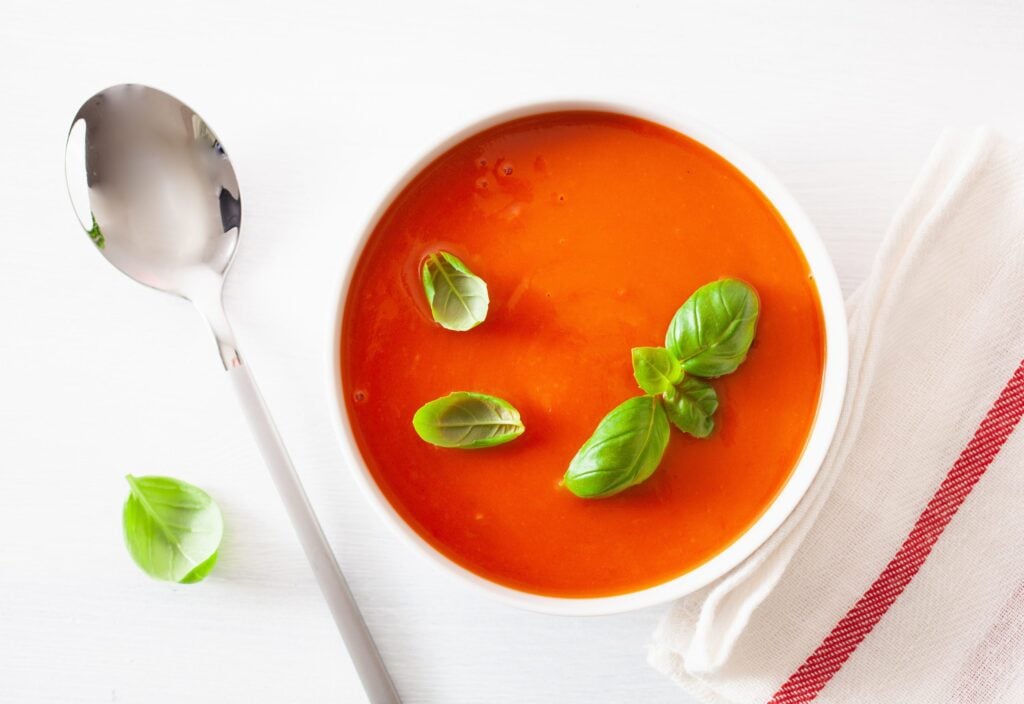
Tomato soup

Other health benefits of tomato juice

Regularly drinking a glass of tomato juice can also be beneficial for the functioning of your blood vessels. This is because tomato juice contains a lot of vitamin C, which contributes to the formation of collagen, which is important for the favorable functioning of blood vessels. In addition, tomato juice is very rich in potassium, a mineral that is beneficial for your blood pressure.

Adding organic tomato juice to your diet is also a good idea for your muscles and bones. This is because tomato juice is high in calcium, and plays a role in maintaining strong muscles. A study (4) shows that tomato juice is also a healthy choice for overweight people. This is not only because of the healthy nutrients in tomato juice, but also because it is low in sugars (and calories in general).

The sugar content of tomato juice

As you may know, the tomato is actually not a vegetable, but a fruit, because it has seeds and the tomato plant gives flowers. Botanically, the tomato is classified with the berries. Therefore, tomato juice is not actually a vegetable juice, but a fruit juice.

While fruit juice can be rich in vitamins and minerals, it is also often high in fructose, or fruit sugars (aka fruit sugars). That’s why we at Sapje specialize in organic vegetable juices. These often offer just as many healthy nutrients, but are better for your teeth and energy levels. But for tomato juice, we like to make an exception. In fact, compared to other fruit juices, tomato juice is fairly low in fructose. Just look at the sugar levels of these well-known fruit juices per 200 ml glass:

  • Apple juice: 92 calories, including 21 grams of sugars
  • Grape juice: 130 calories, including 32 grams of sugars
  • Orange juice: about 80 calories (from pack: 19 grams, fresh: 17 grams of sugars)
  • Tomato juice: about 32 calories and 6.2 grams of sugars. (5)

Does tomato juice have any drawbacks?

Tomatoes are the fruits of the tomato plant (botanical name Solanum lycopersicum). This is a member of the nightshade family(Solanacaea), along with potatoes, peppers and eggplants, among others. Some people get an allergic reaction or other hypersensitivity reaction after consuming foods from this plant family. Therefore, if you belong to this group of people, it is not wise to drink (too much) tomato juice.

Making your own tomato juice: tasty and healthy slowjuice recipe

‘Gazpacho’ tomato juice/soup

Supplies per person:

  • 2 tomatoes
  • 1 stalk of celery
  • 1 orange carrot
  • red bell pepper
  • cucumber
  • 4 basil leaves
  • clove of garlic

Preparation:
1. Squeeze the tomatoes in the slow juicer.
2. Squeeze the celery stem into the juicer, without the leaves.
3. Remove the ends of the carrot, cut it into small pieces and squeeze it into the juicer.
4. Remove the seeds from the bell bell pepper and squeeze into the juicer.
5. Squeeze the cucumber with peel into the juicer.
6. Squeeze the basil leaves including stems into the juicer.
7. Remove the outer skin of the garlic clove and squeeze it into the juicer.
8. Add a dash of olive oil if necessary.
9. Drink as soon as possible.
10. (Or warm it up, for that extra lycopene absorption)

Tomato soup with tomato and basil

Rather buy tomato soup or tomato juice?

Don’t have time to make your own fresh tomato juice or tomato soup? Then make it easy on yourself and order our tomato juice made from organic tomatoes. This is made with the best fresh, local, seasonal ingredients and hand-pressed with the slow juicer to best preserve the flavor and nutritional value of the tomato juice. Our organic tomato soup is pan-cooked. Then both were quickly frozen using the shock freezer. This is a natural preservation method, so no other preservatives are needed. When ordering, you choose where and when we should deliver the juices or soups. You then only need to thaw them to easily enjoy all the goodness that fresh tomato juice and tomato soup have to offer your health!

Sources:

FoodData Central. (n.d.). https://fdc.nal.usda.gov/fdc-app.html#/food-details/170457/nutrients

Ghavipour, M., Sotoudeh, G., & Ghorbani, M. (2015). Tomato juice consumption improves blood antioxidative biomarkers in overweight and obese females. Clinical Nutrition, 34(5), 805-809. https://doi.org/10.1016/j.clnu.2014.10.012

Giovannucci, E. (2002). A Review of Epidemiologic Studies of Tomatoes, Lycopene, and Prostate Cancer. Experimental Biology and Medicine, 227(10), 852-859. https://doi.org/10.1177/153537020222701003

The Diabetes Fund. (n.d.). How much sugar is in fruit juice? https://www.diabetesfonds.nl/over-eten/hoeveel-suiker-zit-er-in/hoeveel-suiker-zit-er-in-vruchtensap

Nutrition Center. (n.d.). Page unfortunately not found. https://www.voedingscentrum.nl/nl/404.aspx?requestedpath=/encyclopedie/lycopeen.aspx

Can I drink tomato juice even if I am losing weight?
Yes, tomato juice you can drink when you are losing weight. In fact, it makes perfect sense to drink it. When you drink fresh, organic tomato juice, you get a good dose of vitamins, minerals and antioxidants. At the same time, tomatoes contain very few calories and pure tomato juice contains no added sugars. These factors make tomato juice healthy and help you get extra nutrients while losing weight.
What vitamins and minerals are in tomato juice?
Among other things, a tomato contains a lot of vitamin C. This red vegetable is also a good source of the mineral potassium. To top it off, it also contains (on average) only 22 calories and is packed with antioxidants (fight free radicals in your body)! So a tomato is ideal for getting in extra lots of healthy nutrients.
What are other health benefits of tomato juice?
Regularly drinking a glass of tomato juice can also be beneficial for the health of your blood vessels. This is because tomato juice contains a lot of vitamin C, which helps keep your vessel walls strong and supple. In addition, tomato juice is very rich in potassium, a mineral that is beneficial for your blood pressure. Adding organic tomato juice to your diet is also a good idea for your muscles and bones. In fact, because tomato juice is high in calcium, it helps keep your muscles and bones strong. A study shows that tomato juice is also a healthy choice for overweight people. This is not only because of the healthy nutrients in tomato juice, but also because it is low in sugars (and calories in general). Therefore, a soup cure would be an ideal way to get the right vitamins.
How do I make my own healthy tomato juice?
We have a comprehensive recipe to make your own delicious fresh and healthy tomato juice. In just a few steps you can make delicious fresh and healthy tomato juice at home in your own kitchen.
Note that the tomato juice is made, according to our recipe, with a slow juicer. We use this device because it brings more vitamins and minerals to your (tomato) juice.
Don’t have a slow juicer? No problem! You can also use a hand blender or blender.
Is tomato juice good for your liver?
Yes, tomato juice contains antioxidants such as lycopene, vitamin C and E that are anti-inflammatory and can help protect the liver from free radical damage.
Is tomato juice good for your gut?
Yes, tomato juice contains fiber (especially in fresh-pressed/slowjuice varieties) and stimulates digestion. It can help with healthy intestinal flora and bowel movements, especially with its high water content and acids that support stomach activity.
How much tomato juice a day?
For most people, 1 to 2 glasses of tomato juice a day is a healthy amount. This provides plenty of vitamins (such as vitamin C and A), minerals (such as potassium), and antioxidants such as lycopene, which are anti-inflammatory.

The 11 benefits of cucumber juice for your health

You may have always thought that cucumber consists mainly of water and doesn’t have much else to offer in terms of nutrition. It turns out not! There is more to the cucumber than its use as a pickle or eye mask. To give you a hint: it is packed with healthy nutrients. Not for nothing is this plant a welcome guest within many traditional lifestyles: in Ayurveda, the classical Indian healing tradition, the cucumber is used in many different ways. In this article, we take a look at the richness of the cucumber. We’ll take you through some facts about the cucumber, some health benefits and, of course, a recipe for cucumber juice.

The Cucumber

The cucumber(Cucumis sativus) is officially a fruit (not a vegetable) in the Cucurbitaceae family. There it shares with the squash, zucchini and watermelon its curly tendrils, beautiful flowers and climbing character. If you plant a cucumber seed in fertile soil along your hedge, you’ll pull the cucumbers right out from between the beech leaves in the fall.

The cucumber has been cultivated in West Asia for over 3,000 years: in India, there are a large number of different varieties. In ancient Egypt and ancient Mesopotamia, people ate cucumbers. The Roman Emperor Tiberius was so fond of his daily portion of fresh cucumber that the plant was cultivated even in winter by means of greenhouses with mirrored stone to reflect the sunlight. The Romans also used the cucumber after scorpion bites. In the 17th century, eating uncooked vegetables went very out of fashion for a long time: people thought it was dangerous and considered the cucumber “fit only for cows.” Some think the name “Cucumber” comes from “cowcumber.”

Cucumber washing

Cucumber as an Ayurvedic remedy

In Ayurveda, the cucumber has been revered for its cooling qualities for millennia. The ancient Indian tradition is all about balance, and the balance between heat and cold and between wet and dry is particularly important. In Sanskrit, the cucumber is also called sushitalam, or “particularly cooling,” and in English we also know the pronunciation “cool as a cucumber.” So all ailments related to too much “fire” or heat in the system benefit from cucumber, according to Ayurveda. So don’t underestimate the importance of a little coolness!

11 benefits of Cucumber juice for your health

Modern science is also beginning to see the value of the cucumber. The plant certainly contains more nutrients than a glass of water, as we see in this table, for 50 grams or half a cup of cucumber:

  • 7.8 calories
  • 1.9 grams of carbohydrates
  • 0.3 grams of protein
  • 0.1 grams of fat
  • 0.3 grams of fiber
  • 8.5 micrograms of vitamin K (11% RDA)
  • 1.5 milligrams of vitamin C (2% RDA)
  • 6.8 milligrams of magnesium (2% RDA)
  • 76.4 milligrams of Potassium (2% RDA)
  • Cucurbitacins

Yes, the cucumber is also a healthy addition to your diet. According to a recent study [1], the green hero contains tannins and flavonoids. Our cucumber juice also contains an awful lot of vitamins and minerals. For example, the large amount of vitamin C helps protect against free radicals. Free radicals, as most people know by now, are a major cause of damage to cells and tissues. Learn more about antioxidants here.

Cucurbitacins are substances found in cucumbers (see the link with the word cucumber?) and other gourd-like plants such as squash.

1. Internal skin care

This is a quality of cucumber that we already know a little from the well-known picture of the Spa gangster with a towel around her head and green slices on her eyes. Indeed, cucumber is a great remedy to combat puffy eyes and puffiness. The hydrating and cooling effect of cucumber is the key here [2]. Place a few slices of cucumber in the refrigerator for 15 minutes and then let them do their work on your eyes and face. You can also make a paste of cucumber, raw honey and chamomile or lavender. The vitamin C in cucumber is important for the formation of collagen, which helps to strengthen the skin from the inside out.

2. Supports your immune system

Our cucumber juice contains a combination of nutrients to provide your immune system support. As we know, a well-functioning immune system is indispensable. Cucumber juice can be a good friend in this regard. The amounts of vitamin A, vitamin C, folic acid and zinc in our cucumber juice help ensure a good resistance.

So a daily glass of cucumber juice provides you with nutrients that, among other things, have a positive impact on the immune system.

Cucumber juice

3. Contributes to brain function.

Drinking a glass of cucumber juice daily is also a good addition for your mental well-being. This is because the vitamins and minerals in this juice (including folic acid) are good for learning performance, concentration and memory. In addition, they contribute to your mental resilience and it is good for mood. So cucumber juice can come in handy during stressful periods.

4. Cooling effect

Cucumber is an ancient remedy to cool the skin, for example if your skin is slightly burned by the sun. You can use it on the skin, as slices, pulp (in the blender), or by making a paste of it for example with yogurt and aloe vera. Or use the Ayurvedic medicine of cucumber milk: blend a medium-sized cucumber with half a cup of organic milk and half a cup of water [3]. Western science now also recognizes the soothing effect of cucumber juice on the skin against irritation [2].

Cucumber juice filling

5. Supports digestion

You can also drink our fresh cucumber juice to support your metabolism and digestion. This is partly because this juice is high in calcium. This mineral plays a role in the activity of enzymes involved in metabolism. In addition, calcium supports the maintenance of healthy digestion. So a big glass of cucumber juice is ideal to drink alongside your meal.

Also consider making a juice for the stomach with cucumber and, for example, lemon juice, mint, celery and apple. Or check out our juice Hydrate, a refreshing juice with cucumber, watermelon and coconut water.

6. Good for the skeleton

Not only for your digestion, but also for your bones, calcium is an important mineral. In fact, calcium is important for the composition of your bones and helps keep your bones strong. Since your bones are the foundation of a strong and healthy body, it is important to give your skeleton the proper support on a daily basis.

7. Good for the heart

The dose of vitamin B1 in our cucumber juice has a beneficial effect on your heart. This is because thiamine (or vitamin B1) contributes to the normal functioning of the heart. Moreover, vitamin C in this juice helps keep your blood vessels strong and supple. A heart-healthycombination!

8. Good for muscles

In every movement you make, your muscles are important. Even your heart is a muscle. For people who do a lot of sports, muscles are of course extra important. But it is also important to keep your muscles strong and flexible in order to age fit and healthy. This is where our cucumber juice can make a nice contribution. This is because this fresh juice is rich in the mineral potassium. Potassium plays a role for muscle function and maintaining strong and supple muscles.

9. Hydration for after exercise

We’ve already mentioned it a bit; cucumber juice is a super hydrator. It has probably been used as a natural “electrolyte drink” for a long time. Nowadays you have the AAs and Mountaindews, but how much more fun are you doing your body with, say, a juice made from cucumber and watermelon?

On a hot day, during illness or after intense exercise and sweating, this is a nice way to provide your body with extra fluids while also taking in the pure, clean water that comes from these fruits and vegetables. Also wonderfully refreshing on a hot day is a blend of cucumber, mint, water and lemon and you will be surprised how nice it is to add a little sea salt in there.

10. Helps with fatigue

Finally, cucumber juice is also a good drink to help reduce lack of energy. Are you having a busy time feeling tired? Then cucumber juice can be an excellent addition. Several vitamins and minerals in this drink (including vitamin C and B vitamins) help reduce fatigue.

Does cucumber also have health risks?

You might not think it, but the cucumber is not the healthiest snack in all circumstances and in all quantities. As you can read above, the plant has many powerful activities and some of them are not always convenient! For example, the high moisture content of cucumber causes you to urinate often, which can be inconvenient, for example, during pregnancy or during a conference.

Furthermore, cucumber can cause flatulence in some people. If your stomach is sensitive to cabbage, broccoli and onion, it is also better to treat the cucumber with some caution.

Cucurbitacins come in many varieties, and some can actually be harmful to the body. You will never run that risk if you buy a cucumber in the store (or a cucumber juice), but you will if you grow them yourself: if a cucumber (or a squash or a zucchini) tastes bitter, it’s better not to eat it!


The final, rather strange “risk” is that people with milk allergies can sometimes have a reaction to cucumber. This has nothing to do with the cucumber itself, but rather with the wax coating applied to (also often organic) cucumbers: it contains a component derived from milk.

Is cucumber juice healthy?

All in all, we believe that cucumber juice is absolutely healthy. The various vitamins and minerals it provides and its high moisture content are all super important qualities that our bodies can put to good use. Not to mention those glowing, brighter eyes after a cucumber mask, of course.

But don’t overdo it: there’s no need to eat three cucumbers a day, and during a bout of the flu, maybe take it easy on this green friend.

Cucumber juice recipe

Cucumber Juice Recipe

Medical Medium Anthony Williams recommends juicing two whole cucumbers without any other ingredients. To do this, take two organic cucumbers, chop them into smaller pieces (with skin!) and run them through the (slow) juicer. You can also use a blender, but according to Williams, it is important to strain out the fiber afterwards by running the juice through a fine sieve or cheesecloth.

If you still find the above juice a little too boring, here we give you a slightly tastier alternative.

Ingredients:
– 1/2 cucumber
– 3 stalks of celery
– 1 lemon
– 2 sprigs of mint
– 2 sprigs of parsley
– 1 green apple
– optional: half a yellow bell bell pepper

Wash all ingredients. Even organic cucumbers often contain a layer of wax, so you do well to scrub them a bit. Remove the zest from the lemon and the seeds from the bell bell pepper, if you are using them. If the mint has woody sticks, it’s best to remove the leaves. Cut all the ingredients into pieces about three inches long and feed them one by one to your juice press. And ready is this delicious fresh, hydrating and cooling juice. Super convenient for a deacidification and immune boost.

You can also juice the same ingredients in a blender; use a fine-mesh sieve or cheesecloth to strain the fibers from the juice.

Conclusion

There is more to the cucumber than we thought! Both ancient traditions and modern science recognize its healthy qualities: in juices, smoothies and salads, it brings many important nutrients and healthy properties. We like to see the cucumber frequently in our diet.

Where can I find a recipe to make my own cucumber juice?
On this page you will find a healthy and delicious recipe to make cucumber juice. In just a few steps you will make a fresh cucumber juice that will help you support your health. Always choose organic and preferably fresh cucumbers. This way you can be sure that you get nothing but healthy nutrients. This recipe is based on using a slow juicer. Don’t have this at home? Then opt for blender or hand blender.
What is cucumber juice good for?
Cucumber juice is rich in vitamins, minerals and antioxidants that offer you support for many different processes in your body. For example, vitamin B1 in our cucumber juice contributes to the normal functioning of your heart and calcium supports your digestion. Moreover, cucumber juice is the ideal drink to boost your fluid intake.
What nutrients are in a cucumber?
Cucumber is 95% water: a strong thirst quencher for your body. Cucumber contains an awful lot of good nutrients, including vitamin K. Among other things, this vitamin is involved in the proper clotting of your blood and also helps keep your bones strong.
What are the benefits of cucumber juice?
Drinking cucumber juice has numerous benefits for your health. On this page we explain no less than 11 benefits of drinking cucumber juice. Among other things, cucumber juice is good for your digestion because it contains a lot of calcium and it is ideal for giving your immune system extra support (through vitamin C, among other things). Curious about the other benefits of cucumber juice? Check them out on this page!

The 10 benefits of red beet juice for your health

Drinking beet juice is healthy for the body and mind, according to research. Here we list 10 benefits of beet juice.

WHAT MAKES BEET JUICE SO HEALTHY?

Beet juice is made from the tuber and possibly leaves of the Beta vulgaris plant, better known as the red beet or kroot. This ancient Dutch vegetable with its deep purple-red color has become very popular in recent years. The powerful juice from these earthy-tasting tubers is therefore full of healthy nutrients. Thanks to several scientific studies on the health benefits of red beets, we know that they are rightfully counted among the superfoods. Find out below what regular beet juice drinking can do for your health. Want to make your own beet juice? Then check out the healthy and delicious beet juice recipes below. But first: 10 benefits of beet juice for your health!

1. Beet juice is full of vitamins and minerals

It may seem like a simple juice, but make no mistake: beet juice is rich in healthy nutrients. Before we get into the health benefits of beet juice, let’s list the most important ones for you. Beet juice contains nice amounts of:

  • iron (helps normal oxygen transport in your body)
  • vitamin A (good for your eyes, skin and iron balance)
  • vitamin B6 (helps make red blood cells and is important for your metabolism)
  • vitamin C (is good for your immune system and nervous system, is important for skin. Helps protect against free radicals)
  • vitamin K (helps with normal blood clotting and maintaining strong bones)
  • folic acid (helps make cells and tissues)
  • potassium (supports your nervous system, muscles and blood pressure)
  • manganese (important for your metabolism and cell protection, among other things)
  • copper (good for your immune system, hair, skin and nervous system)
  • phosphorus (good for your bones and teeth)
Energy beet juice

2. Beet juice supports the production of red blood cells

Red beets are a natural source of the mineral iron. This contributes to the normal formation of hemoglobin and red blood cells. Drinking beet juice can therefore contribute to normal oxygen transport in your body. Iron is also important for maintaining a strong immune system, adequate energy and a clear mind. In addition to iron, beet juice also contains a lot of vitamin C, which in turn helps with the absorption of iron in your body. If that’s not an ideal combination…

3. Beet juice is good for your blood pressure

Do you suffer from high blood pressure? If so, you may also benefit from drinking beet juice. Several studies show that drinking 250 milliliters of beet juice a day can help lower your blood pressure ( 1, 2, 3). Researchers relate this effect to the hefty amount of nitrate naturally present in beet juice. Because high blood pressure can lead to various cardiovascular diseases, it is wise to look into lowering it.

Want to give your blood pressure extra support? Then you can also benefit from drinking beet juice. Beet juice, in fact, is rich in potassium. This mineral is beneficial for blood pressure. So by drinking beet juice, you can naturally give your blood pressure a helping hand.

4. Beet juice can help prevent cardiovascular disease

Beet juice contains a lot of vitamin C, which is an important nutrient for your blood vessels. Because vitamin C contributes to the formation of collagen which is important for maintaining a strong vessel wall, also collagen is important for supple veins. The iron in beets also contributes to the normal transport of oxygen in your body.

A scientific study (4) on the effect of nitrate from beet juice in healthy volunteers showed that this substance can help prevent cardiovascular disease.

5. Beet juice helps maintain healthy skin

Beet juice contains several nutrients that help maintain healthy and even skin. The first is vitamin C. Vitamin C is an antioxidant, which helps protect against damage to your skin cells, such as from UV radiation. Vitamin C is also important for the production of collagen in your body, which help support the condition of the skin. Beets are also a natural source of betalains, oxidants that have a purifying effect. Because these also have an anti-inflammatory (5) effect, they can help prevent skin inflammation associated with acne. The mineral copper in beet juice contributes to the normal pigmentation of your skin.

6. Beet juice supports energy levels

Beet juice is a drink to activate your natural energy. There are several B vitamins in the juice, especially B6 and B11. B6 and the mineral iron in this deep red drink activate your natural energy in your body. B11 is good for fatigue.

7. Beet juice can help protect your cells

Beet juice is rich in many different nutrients, including antioxidants. These capture so-called free radicals, which can cause damage to your cells.

8. Beet juice has anti-inflammatory properties.

Beets owe their red color to betalains. These are often used as natural dyes in the food industry, but they can also be very healthy. For example, research (6) shows that they have anti-inflammatory properties. Do you suffer from inflammatory diseases such as gout or rheumatoid arthritis? Then drinking beet juice can provide relief.`

9. Beet juice contributes to brain and nerve function

Beet juice is not only good for your body, but also for psycholosic function. First, it contains a lot of folic acid, which is good for your concentration and memory, among other things. As a result, beet juice helps maintain your normal cognitive performance. In addition, beet juice contains iron, which plays an important role in mental effort and contributes to normal problem-solving abilities.

10. Beet juice supports your athletic performance

Did you already know that beet juice is an excellent sports drink? Especially if you drink it before you start your workout, you can benefit from the supportive effects of beet juice when exercising. Research shows that beet juice makes amateurs perform better, especially in oxygen consumption(7). It is not for nothing, then, that beet juice is incredibly popular among athletes. Beet juice contains a remarkable number of nutrients that can have a positive effect on your endurance and muscle strength, among other things.

Red beet juice in lab glass
Nitrate

Beet juice naturally contains high levels of nitrate. This substance can be converted into nitric oxide (NO) in your body. So for avid athletes looking for a way to increase their nitrate intake, beet juice is ideal.

Several studies show (8) that drinking beet juice can improve your athletic performance. This is due in part to the amount of nitrate in beet juice. This substance is converted into nitrite in your body, which then promotes the production of nitric oxide. This causes your blood vessels to dilate, making it easier for your blood (and oxygen) to flow through your muscles. This has positive effects on your muscle function: you may experience increased endurance, for example.

Betalain, betanin, betaine

Another study (9) found that the betalain in beet juice also has a positive effect on blood flow to your muscles, both during and after exercise. The results of another study (10) suggests that betalain can increase your muscle strength.

Other vitamins and minerals

Several vitamins and minerals make drinking beet juice especially interesting for athletes. Think for example of iron, this activates your natural energy in your body, folic acid supports with lethargy. Vitamin B6 contributes to the energy supply of muscles, or potassium, which helps keep your muscles strong and flexible. Did you get excited about the health benefits of beet juice? Further down you will find tasty recipes that will help you make your own beet juice. Also, be sure to read the comments about beet juice below.

What else you need to know about beet juice and your health

As you have been able to read, drinking beet juice has many positive effects on your health. However, beet juice can also cause some unexpected side effects, which are not necessarily negative, but good to know. Due to the strong dyes in beet juice, your stool and urine may take on a reddish-purple tint. This is nothing to worry about, but it may look a little strange at first.

Furthermore, it is important not to drink large amounts of beet juice every day. In fact, some people may experience adverse effects if they ingest too much nitrate. For example, are you predisposed to kidney stones or other problems with your kidneys? Then it is wise to drink beet juice in moderation. This is because the oxalic acid in beet juice can bind calcium to it, which can start to crystallize into kidney stones.

Red beet juice

Making your own beet juice: 3 recipes from Sapje

Want to make your own red beet juice? We’d like to make it easier for you with these three recipes. If you want to take full advantage of the healthy nutrients in red beets, it is important that you choose fresh, organic red beets. These are available year-round in the Netherlands. Use both the tubers and the leaves and wash them carefully beforehand. There is no need to peel them. Making your beet juice with a slow juicer will also give you the healthiest results. Slow juicing is the best way to preserve the original nutrients from your ingredients. These recipes for beet juice can also be made with the juicer. Another tip: remember that beets give off a strong color. So wear a good apron to protect your clothes and preferably use materials that the dyes cannot soak into.

Recipe red beet juice for sports

This red beet juice with cherries is an excellent sports drink. Cherries, like red beets, contain several nutrients that support your body during and after exercise. They promote your sports performance and recovery afterwards. Not for nothing do we use this combination in our proven Recover juice, which top athletes love to rely on. Moreover, they make the color even more purple and the taste a bit richer and sweeter. The carrot provides some extra body, the lemon juice some freshness and the turmeric some spice.

Ingredients:

  • 2 x beet with the beet leaves
  • 2 handfuls of cherries (possibly from the freezer, thaw first)
  • 1 carrot
  • ½ lemon
  • 1 piece of fresh turmeric

Preparation:

Carefully wash all the ingredients, cut them a little smaller, remove any seeds from the cherries and squeeze this delicious beet juice with the slow juicer or juicer. Drink your beet juice as soon as possible to preserve its freshness and nutrients.

Recipe pure red beet juice

This red beet juice recipe is perfect for lovers of that warm, earthy and sweet taste that beets are known for. The carrot and ginger enhance this effect and increase the antioxidant value of this beet juice. The lime adds a surprisingly fresh touch.

Ingredients:

  • 2 x beet with leaves
  • 2 x carrot
  • ½ lime
  • 1 piece of fresh ginger

Preparation:

Wash all the ingredients carefully, cut them a little smaller if necessary and squeeze this delicious beet juice with the slow juicer or juicer.

Recipe sweet and creamy beet juice (also accessible to kids)

As healthy as beets are, the earthy taste sometimes takes some getting used to, especially for children. This red beet juice becomes extra smooth and creamy with the addition of sweet potato and extra sweet and fresh thanks to the pineapple and orange. They also add nice amounts of vitamins A and C. So this tasty beet juice is also perfect for stronger resistance and healthy skin.

Ingredients:

  • 1 red beet
  • 1 orange sweet potato / sweet potato
  • 2 slices of pineapple
  • 1 whole orange without peel

Preparation:

Wash all the ingredients carefully, cut them a little smaller if necessary and squeeze this delicious beet juice with the slow juicer or juicer.

Prefer to order organic beet juice?

Want to enjoy the health benefits of fresh organic beet juice, but don’t have time to make it yourself? Not to worry, you can of course order it from Sapje. Both the aforementioned Recover juice and the powerful Energy juice have beet as one of the main ingredients. Both beet juices are very suitable as sports drinks, but also delicious during a long day. Of course, they are also an excellent general support for your health.

Especially check out the range of healthy nutrients present in these beet juices. They are made from the best fresh, organic and local ingredients and hand-pressed with the slow juicer. We then freeze the juices directly with the shock freezer to naturally preserve freshness and nutrients. Order your beet juices through our website and we will come and deliver them frozen to your home at a time that suits you. We also sell a sample box that includes Energy. That way you can easily experience all the goodness that fresh beet juice has to offer!

Why is it wise to drink red beet juice?
Red beet juice is packed with vitamins and minerals that promote your health. For example, the juice is high in vitamin B6, vitamin C, calcium, magnesium, phosphorus and potassium. This makes red beet juice good for your skin and blood pressure . Among other things, this makes red beet juice good for your energy metabolism and immune system.
Several scientific studies on the health benefits of red beets indicate that they are superfoods for good reason!
What does red beet juice do for your body?
Because beet juice is packed with vitamins and minerals, it has numerous health benefits:

– beet juice is good for your blood pressure (due to potassium);
– beet juice helps your brain function properly contributes to a clear mind (due to, among other things. vitamin B6);
– beet juice can help prevent cardiovascular disease (due to vitamin C);
– beet juice helps maintain healthy skin (due to vitamin A, among others);
– beet juice can help prevent damage to your cells (due to vitamin C and manganese, among others);
– beet juice supports your athletic performance.
How do you make your own red beet juice?
This recipe makes the juice extra smooth and creamy with the addition of sweet potato and extra sweet and fresh thanks to pineapple and orange (extra vitamins A and C in your juice!). So this tasty beet juice is perfect for a stronger resistance and maintaining a healthy skin. And also easy to make!
Why is drinking red beet juice before exercise good?
Red beet juice is often drunk before exercise by (endurance) athletes. This is because the juice contains a high level of nitrate which improves performance and endurance.
During exercise, your body uses oxygen to produce energy. Carbohydrates and fats are mainly used for this purpose. Red beet juice, containing nitrate, provides more and better oxygen uptake in the cells of your body.

The 8 benefits of carrot juice for your health

The carrot may not be the most exotic superfood. Even your grandmother liked to prepare it for you, cooked alongside a pile of peas. But don’t let its somewhat silly image fool you! The carrot is a rich source of vitamin A and other important nutrients. And better than cooked or in a pie consume it raw in a juice, of course! Carrot juice is delicious and has all kinds of unexpected health benefits. In this blog you can read everything you want to know about carrot juice, namely:

The carrot may not be the most exotic superfood. Even your grandmother liked to prepare it for you, cooked alongside a pile of peas. But don’t let its somewhat silly image fool you! The carrot is a rich source of vitamin A and other important nutrients. And better than cooked or in a pie consume…

What makes carrot juice healthy?

  • Carrot juice contains Vitamin A, an important nutrient for skin health and for the normal functioning of your immune system.
  • Carrot juice contains several B vitamins, so it supports your metabolism.
  • Carrot juice is a good alternative to alcohol and soda: it is filling, sweet and mixes well.
  • Carrot juice contains a combination of many important nutrients that, when combined, contribute to a balanced diet [1].
  • Drinking carrot juice increases the amount of antioxidants in the body [1].

1. Rich in nutrients

Who would have thought that the ordinary carrot would contain such a broad spectrum of vitamins and bioactive compounds? We list them for you. Carrots are rich in vitamin A in the form of beta-carotene and are also a good source of folic acid. According to science, this is a palette of nutrients that could make a good contribution to a healthy diet [1].

Fresh carrot juice

2. Promotes metabolism

Because carrot juice contains a good amount of vitamins B1, B6 and B11, it boosts your energy metabolism. This is because these vitamins play a role in the activity of many different enzymes in your body that are involved in energy metabolism. In this way, drinking carrot juice can support your energy levels.

3. Good for the eyes

You’ve probably heard that carrots are good for your eyes. This is not just a myth. Carrots are in fact very rich in the substance beta-carotene, which can be converted in your body to vitamin A. This vitamin plays a role in the normal functioning of your eyes. It helps you keep your vision sharp and helps maintain normal moisture balance in your eyes.

4. Good for the skin

Vitamin A (or beta-carotene) is also important for your skin. It supports the skin’s ability to repair itself, so it helps keep your skin healthy. By drinking a glass of carrot juice daily, you support the skin’s ability to recover. Moreover, carrot juice contains a lot of manganese and vitamin C, which is important for a good condition of the skin

5. Good for the heart and blood vessels

Drinking a good glass of carrot juice every day can also support your cardiovascular health. This is because carrot juice contains nice amounts of vitamins B1 and C. Vitamin B1 has a beneficial effect on the functioning of your heart. Vitamin C contributes to the formation of collagen, which supports the condition of your blood vessels. In fact, collagen is important for keeping your vessel walls strong and supple.

6. Good for the immune system

Another, but by no means insignificant, health benefit of carrot juice is that it can provide additional support to your immune system. Due to its high content of vitamin A and folic acid, carrot juice has a positive impact on your immune system, helping to keep your resistance good. In addition, the antioxidants vitamin C and manganese help protect healthy cells and tissues. So the ideal way to support your resilience.

7. Good for brain and mental health

The B vitamins (1, 6 and 11) in carrot juice not only help maintain your energy levels, but are also involved in brain function. In fact, they contribute to the ability to concentrate, and contribute to brain and nerve functions involved in learning performance and memory functioning. In addition, B vitamins contribute to mental resilience, resistance to stress and are good for mood.

8. Good for digestion

Because carrot juice contains calcium, it can support your digestion. This is because calcium plays a role in the action of certain enzymes involved in releasing energy from your food. As a result, calcium supports digestion.

Nutritional profile of carrot juice

Nutritional value of our Fresh (per 100 ml)

Energy34 kcal / 142 kj
Protein0.8 g
Fats0.3 g
Of which saturated fat<0.1 g
Carbohydrates7.5 g
Natural sugars5.4 g
Salt<0.2 g
Nutritional feeds1,1 g

Vitamins and Minerals (per bottle of Fresh)

NameValue% of RDA
Potassium1013 mg51%
Vitamin A2275 μg284%
Vitamin B10.21 mg19%
Vitamin B20.11 mg8%
Vitamin B31.6 mg10%
Vitamin B50.8 mg13%
Vitamin B60.36 mg26%
Vitamin B1169 μg35%
Vitamin C22 mg28%
Vitamin E2.2 μg18%
Vitamin K103 μg137%
Calcium120 mg15%
Phosphorus121 mg17%
Iron1.6 mg11%
Iodine11 μg7%
Copper0.2 mg20%
Magnesium29 mg8%
Manganese0.8 mg40%
Zinc0.6 mg6%

Organic carrot juice

How do you make carrot juice?

It is easiest to make carrot juice with a (slow) juicer, but it can also be done with a good quality blender. Here’s how to proceed:

– Take two or three medium-sized organic carrots. Wash them and scrape or peel if necessary. Chop them into small pieces and put them in the juicer one at a time or in the blender all at once.

– If you use a blender, add some water. You can also add juice from other vegetables, or, for example, ginger or elderflower lemonade or kombucha.

– Carrot juice is delicious in combination with all kinds of vegetables and fruits! Try and vary. Carrot is sweet, but low in fructose, so can be added well as a sweetener to a green juice or detox juice. It is delicious with celery, fresh ginger, apple, lemon or beet.

– If you use a blender, strain your juice through a cheesecloth. You can also leave the fibers in and eat them while drinking.

– Drink your juice as soon as possible after you make it!

Other ways to include carrot juice in your diet:

– Try it as a low-fat salad dressing

– Use it as a liquid in cake recipes

– Use it as a cooking liquid for grains or rice

Keep in mind that you naturally get the most vitamins raw.

Does carrot juice also have side effects?

Carrot juice has the very noticeable but harmless side effect that it can turn your skin orange! The orange pigment in beta carotene, when taken in moderated amounts, makes your skin glowing, but be careful not to overdo it!

Conclusion

Carrot juice may not be the most spectacular superfood, but it is certainly a nutritious and healthy addition to your daily diet. A daily glass of carrot juice can help support overall health, digestion, skin and eyes, brain and cardiovascular health. Making your own carrot juice is cheap and easy, and you can keep varying and combining it with all kinds of vegetables, fruits, herbs and spices. Don’t have time to make your own carrot juice? Then order organic carrot juice at Sapje. Enjoy!

How can I make my own carrot juice?
Making carrot juice is easiest and healthiest with a (slow) juicer, but it can also be done with a good quality blender. Here’s how to proceed:

– Take two or three medium-sized organic carrots. Wash them and scrape or peel if necessary. Chop them into small pieces and put them in the juicer one at a time.
– If using a blender, add some water. You can also add juice from other vegetables, or, for example, ginger, elderflower lemonade or kombucha.
– Carrot juice is delicious in combination with all kinds of fruits and vegetables. Carrot is sweet but low in fructose. Therefore, it can be added well as a sweetener to a green juice or detox juice. It is delicious with celery, fresh ginger, apple, lemon juice and/or beet.
– If using a blender, strain your juice through a cheesecloth. You can also leave the fibers in and eat them while drinking.
– Drink your juice as soon as possible after you make it!
So what makes carrot juice so healthy?
Carrot juice has several health benefits. The most well-known is that it is good for your vision (the eyes) because it contains a lot of vitamin A in the form of beta-carotene. However, the juice has many more benefits:

– Carrot juice contains vitamin A: an important component for your skin health and immune system.
– Carrot juice contains several B vitamins (B1, B6, B11), so it supports your metabolism.
– Carrot juice is a good alternative to alcohol and soda: it is filling, sweet and mixes well with other drinks.
– Carrot juice contains a combination of many important nutrients that contribute to a balanced diet.
– Drinking carrot juice increases the amount of antioxidants in the body. These tackle free radicals in your body.
Where can I buy pure carrot juice?
In many stores you can buy carrot juice, but not in very many places you can get pure, organic and really healthy carrot juice. At Sapje you can. The juice is organic, from local farmers and full of healthy nutrients for your health. Give your body only the best and go for pure and organic carrot juice.
Is carrot juice good for my skin?
Carrot juice is definitely good for your skin. This is because of its high content of vitamin A. This vitamin supports the skin’s ability to repair itself, so it helps keep your skin healthy. So by drinking a glass of carrot juice daily, you are nourishing and taking care of your skin from the inside out. Moreover, carrot juice contains a lot of manganese and vitamin C. These antioxidants help protect your cells from oxidative damage caused by UV radiation from sunlight. So in this way, too, drinking carrot juice has a positive influence on the condition of your skin.


The 8 benefits of carrot juice for your health The 8 benefits of carrot juice for your health